Best AI Tools for Game Developers
Are you fascinated by the idea of creating your own video games at home but feel overwhelmed by where to begin? Game development is an inspiring and rewarding hobby, especially for beginners eager to translate their creativity into interactive worlds. Whether you’re building skills from scratch or refining your craft, understanding the right tools and techniques can fast-track your journey. For those diving into game development for beginners, leveraging today’s technology, including AI Tools for Game Developers, can dramatically enhance productivity and creativity.
Materials & Supplies
Before embarking on your game creation journey, it’s crucial to assemble the essential tools and materials:
- Computer: A reliable desktop or laptop with decent processing power; ideal for running game engines and graphics software smoothly.
- Game Engine: Industry favorites include Game Development with Unity and Unreal Engine. Unity is widely recommended for beginners due to its balanced ease of use and advanced features.
- Code Editor: Tools like Visual Studio Code or JetBrains Rider help you write and debug scripts efficiently.
- Graphics Software: Software such as Blender (free), Photoshop, or Krita for creating or editing game assets.
- Audio Tools: Audacity or FL Studio aids in designing sound effects and background music.
- Mechanical Gaming Keyboard: Investing in a good keyboard can enhance coding speed and comfort during long development sessions.
- AI Assistance Tools: Emerging AI solutions can automate coding snippets, generate game art, or assist with level design, reducing tedious tasks.
- Optional: Version control systems like Git to manage and backup your work effectively.
Timing / Development Schedule
The timeline for creating a game varies by complexity but can be broadly broken down as follows:
- Concept & Design (1-2 weeks): Brainstorming game mechanics, story, and visual style. Setting achievable goals.
- Development Phase (4-8 weeks): Coding gameplay logic, designing assets, and integrating sound. Using AI Tools for Game Developers can speed up asset creation and scripting.
- Testing & Debugging (1-3 weeks): Identifying bugs, optimizing performance, and refining UI/UX elements.
- Publishing & Marketing (Ongoing): Uploading to platforms like itch.io or Steam, and promoting your game.
This schedule is ideal for a simple indie game. Beginners should pace themselves and consider smaller projects to maintain motivation.
Step-by-Step Instructions
- Choose Your Game Idea: Start simple—think of a classic arcade style or puzzle game.
- Set Up Your Environment: Install your chosen game engine and essential tools. Experiment with tutorials available within the engine documentation.
- Learn Basic Scripting: Use tutorials to write basic gameplay scripts. AI code-generation tools can provide beginner-friendly starter code snippets.
- Create or Find Assets: Design simple 2D sprites or use free asset libraries online.
- Assemble Your Game: Import assets into the engine, link scripts, and build levels.
- Test Thoroughly: Playtest constantly to detect bugs or gameplay issues.
- Iterate and Improve: Use player feedback or personal evaluation to polish your game.
Advantages of Learning Game Development
- Creativity Boost: Designing game worlds expands artistic thinking.
- Problem-Solving Skills: Debugging teaches logical reasoning and patience.
- Career Pathways: Skills gained can lead to roles in tech, design, or digital storytelling.
- Technical Proficiency: Coding and software skills improve through hands-on practice.
- Teamwork & Communication: Collaborating on projects fosters collaboration abilities.
Practicing game development at home encourages self-discipline and fuels passion projects that can eventually become professional portfolios.
Tips, Alternative Methods, or Development Advice
- Begin with 2D games before transitioning to 3D to master core concepts more easily.
- Try visual scripting tools like Scratch or Godot’s node system for non-coders.
- Join online developer communities to share ideas and get feedback.
- If hardware is limited, use cloud-based engines or lightweight tools.
- Leverage online tutorials, especially those focusing on AI-assisted game development workflows.
Common Mistakes to Avoid
- Overcomplex First Project: Start small to avoid burnout.
- Neglecting Testing: Regularly test during development to catch issues earlier.
- Ignoring Player Feedback: Engage early testers to improve gameplay experience.
- Poor Time Management: Set realistic goals and deadlines for each development phase.
- Not Backing Up Work: Use version control or cloud storage to avoid data loss.
Maintenance / Update Tips
After releasing your game, ongoing maintenance is essential for retaining players and long-term success:
- Implement version control for updates and bug fixes.
- Respond to player feedback constructively and regularly add new features or content.
- Keep your project files organized for easier modifications.
- Use analytics if available to track player behavior and identify issues.
The Best Websites or Tools that Offer This for Free
For beginners, plenty of free resources support game development:
- Unity Personal Edition: Free to use with tons of learning materials.
- Unreal Engine: Free with royalty after a certain revenue threshold.
- Godot Engine: Open-source and beginner-friendly.
- Blender: Free 3D modeling tool.
- GitHub: For free version control and project hosting.
A Brief Explanation for Beginners, Including the Steps Involved
Start by choosing a game engine and learning the basics through structured tutorials. Plan your game’s design on paper, then develop assets and scripts step-by-step. Continuously test and refine your game until it’s stable and fun. When ready, publish on platforms that suit your game type and share it with your community.
FAQs
- What programming language should I start with?
- C# is ideal for beginners using Unity, while Python or GDScript works well with Godot.
- Which game engine is best for beginners?
- Unity is widely recommended for beginners due to its ease of use and vast tutorial resources.
- How long does it take to make a small game?
- Typically, 4 to 8 weeks for a simple game, depending on complexity and experience.
- Do I need to know coding to start?
- No. Visual scripting tools and drag-and-drop engines allow beginners to start without coding.
- Where can I publish my first game?
- Popular platforms include itch.io for indie creators and Steam for larger audiences.
Ready to elevate your game creation process? Explore the powerful range of AI Tools for Game Developers and pair your skills with essential gear like a Mechanical Gaming Keyboard to get comfortable and efficient as you build your dream game.
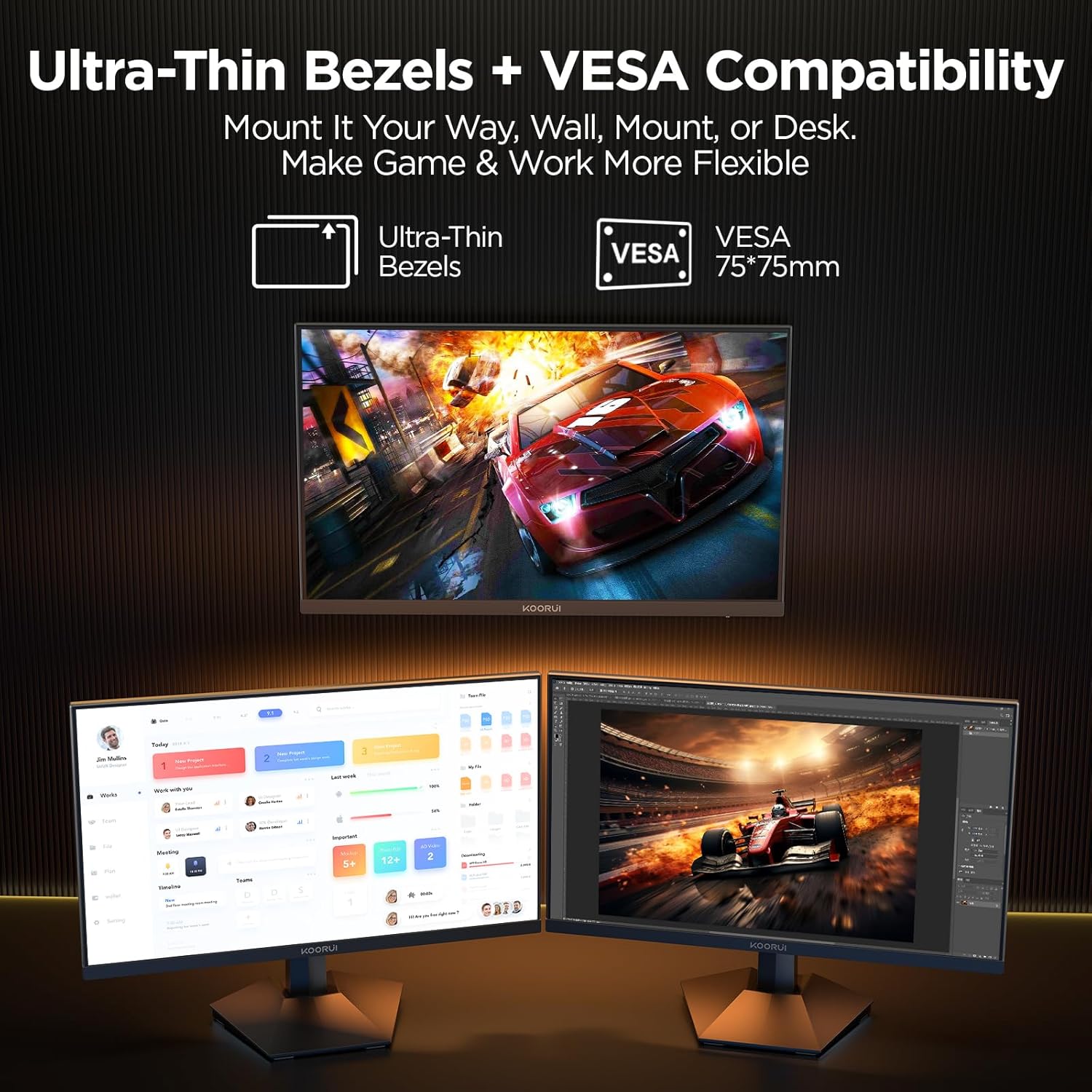
KOORUI
KOORUI 24.5 Inch Gaming Monitor 200Hz, 1ms, FHD(1920 * 1080p) IPS Display, HDR400, 90% DCI-P3 Color Gamut with Adaptive Sync, HDMI & DP Port, Black, G2511P

Panvola
Panvola Debugging Definition Computer Programmer Gifts Student Teacher Coder Boyfriend Girlfriend IT Vacuum Insulated Tumbler Tech Support Travel Mug Stainless Steel With Straw Removable Lid (30 oz)

Brain Song 2025 Gamma
Cognitive Enhancement or Just Hype? Reviews The Brain Song (Killer NEW Memory Offer)

Beats-Studio Pro Cancelling Headphones
Beats Studio Pro – Wireless Bluetooth Noise Cancelling Headphones with USB-C Charging Cable (20 cm) – Jet Black
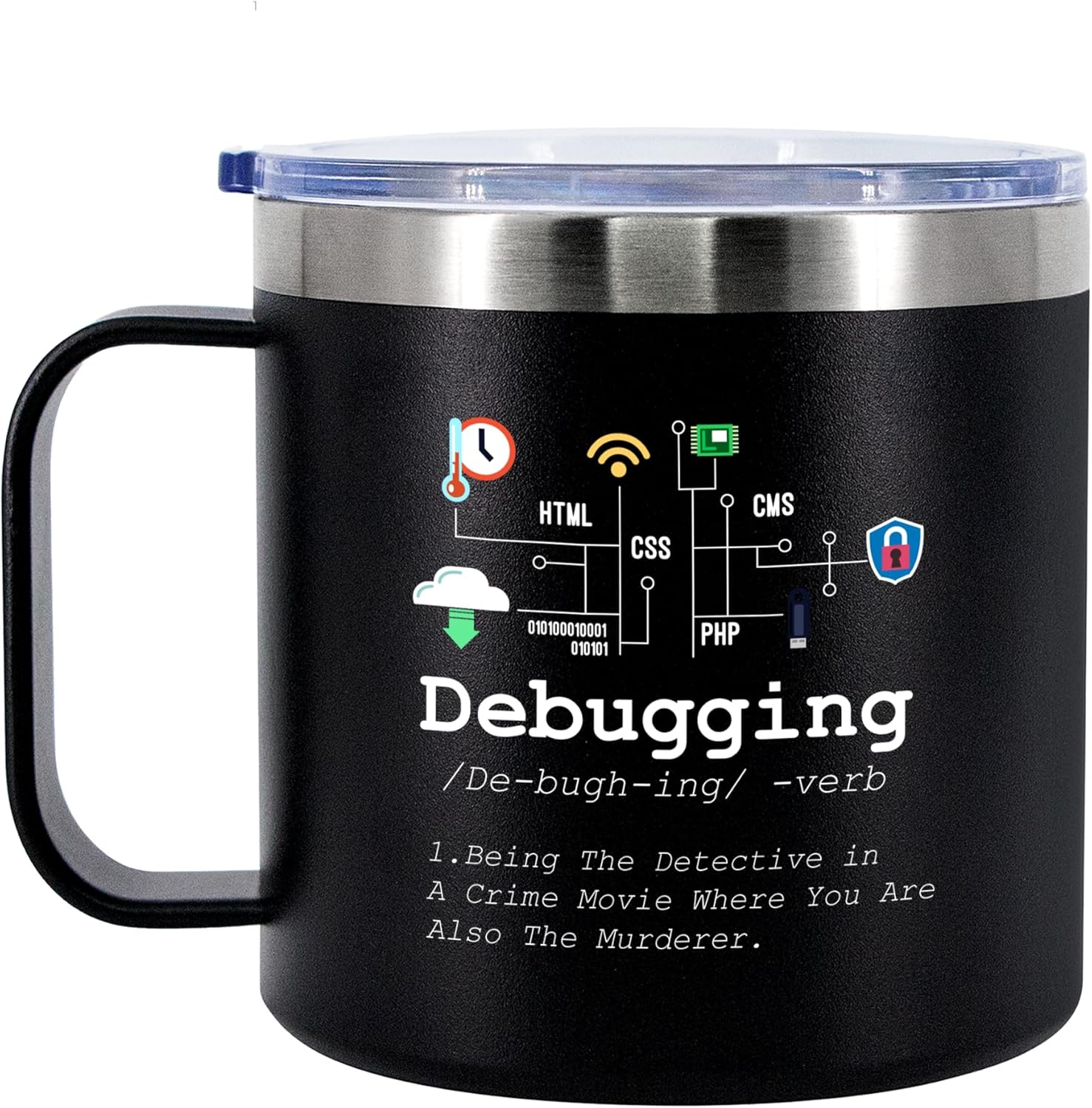
Panvola
Panvola Debugging Definition Computer Programmer Student Teacher Geek Coder Tech Support Programming IT Insulated Coffee Mug with Handle and Lid Camping Travel Thermal Mugs 14 oz Black
Ultimate Mobile Controls – Plug & Play
Take your mobile game to the next level with this ready-to-use Mobile Controls Pack. customizable mobile controls without wasting days on UI and input setup. Perfect for 2D, 3D, FPS, RPG, Platformer, Shooter, and Casual mobile games.