Introduction
Attending the Game Developers Conference (GDC) can be one of the most rewarding experiences for game developers but only if you prepare properly. Many first-time attendees feel overwhelmed by the sheer number of talks, workshops, and networking events. Without a plan, it’s easy to miss opportunities to learn, connect, and advance your career.
This guide helps developers, designers, and indie teams maximize their GDC experience. You’ll learn what tools to bring, how to prepare your portfolio, and proven GDC networking tips to make meaningful industry connections.
1. Set Clear Goals for Your GDC Experience
Before booking flights or selecting sessions, define your goals. Ask yourself:
-
Do I want to attend specific GDC sessions to learn a new skill?
-
Am I looking to meet publishers, investors, or collaborators?
-
Is my main goal to pitch a game?
-
Do I want to advance my career or find a job?
Actionable Tip:
Write down 3–5 concrete goals and rank them by priority. This will guide your schedule and networking strategy.
2. Build a Smart GDC Schedule
The GDC schedule is packed. Here’s how to optimize it:
2.1 Use the GDC Mobile App
The app lets you:
-
Browse sessions by track or topic
-
Bookmark talks and workshops
-
Track attendance limits
-
Receive updates on schedule changes
2.2 Prioritize Sessions
Split sessions into:
-
Must attend: Sessions that directly align with your goals
-
Backup: Interesting topics in case the must-attend sessions fill up
-
Optional: Talks for inspiration or curiosity
Example Schedule:
| Time | Session Type | Notes |
|---|---|---|
| 9:00–10:30 | Rendering Techniques | Must-attend (Goal: Learn advanced shaders) |
| 11:00–12:00 | Networking Mixer | Must-attend (Goal: Meet publishers) |
| 1:00–2:30 | Design Postmortem | Backup |
| 3:00–5:00 | Hands-On Workshop | Must-attend |
3. Prepare Your Portfolio and Materials
3.1 Digital Portfolio
-
Ensure your website or portfolio is up to date
-
Include playable demos, screenshots, or reel videos
-
Highlight key projects with clear descriptions
3.2 Business Cards & QR Codes
-
Include LinkedIn, portfolio, and demo links
-
QR codes speed up connections at networking events
3.3 One Pager or Pitch Deck (for Indie Devs)
-
Brief description of your game
-
Platforms and genre
-
Team info
-
Timeline and budget
-
Visual assets/screenshots
3.4 Game Demos
-
If pitching, have a playable demo ready
-
Keep it short, polished, and bug free
-
Include instructions for quick understanding
4. Essential Tools to Bring to GDC
| Tool | Purpose |
|---|---|
| Laptop | Portfolio, notes, quick demos |
| Portable Charger | Keep devices powered all day |
| Notebook & Pen | Quick sketches, session notes |
| Headphones | For quiet time or travel |
| Backpack | Carry essentials comfortably |
| Snacks & Water | Avoid hunger fatigue |
| Business Cards | For networking |
Pro Tip:
Label your devices and assets clearly to avoid confusion when demoing or sharing files.
5. Networking Strategies That Actually Work
Networking is where GDC can transform your career. Follow these tips:
5.1 Attend Social Events
-
Evening mixers, meetups, and after hours parties are goldmines for relationships.
-
Target events specific to your discipline (programmers, designers, indie devs).
5.2 Approach Speakers and Industry Experts
-
After sessions, ask thoughtful questions
-
Connect via LinkedIn or Twitter referencing the talk
5.3 Master the Elevator Pitch
-
Prepare a 30–60 second summary of yourself or your game
-
Highlight your unique skills or game concept
-
Be concise, clear, and engaging
5.4 Follow Up Quickly
-
Send polite follow-up emails within 24–48 hours
-
Reference the conversation or session you attended
5.5 Use Digital Networking Tools
-
LinkedIn
-
Discord GDC groups
-
Slack channels for developers
-
GDC’s official app
6. Plan Your Time Strategically
Even with careful scheduling, GDC is overwhelming. Here’s a framework:
-
Morning: Sessions & workshops
-
Afternoon: Expo floor & demos
-
Evening: Networking events & meetups
Pro Tip:
Leave small blocks of free time to decompress or explore unexpected opportunities. Some of the best connections happen organically.
7. Common Mistakes to Avoid
-
Trying to attend every session → burnout
-
Forgetting business cards or demo links
-
Neglecting networking events
-
Not following up with contacts
-
Poor time management → missing key sessions
Conclusion
Preparation is the difference between a mediocre and a transformational GDC experience. By setting clear goals, building a strategic schedule, preparing your portfolio, and following proven networking tips, you maximize learning, make meaningful connections, and enhance your career growth.
The Ultimate Guide to the Game Developers Conference (GDC): Everything Developers Need to Know
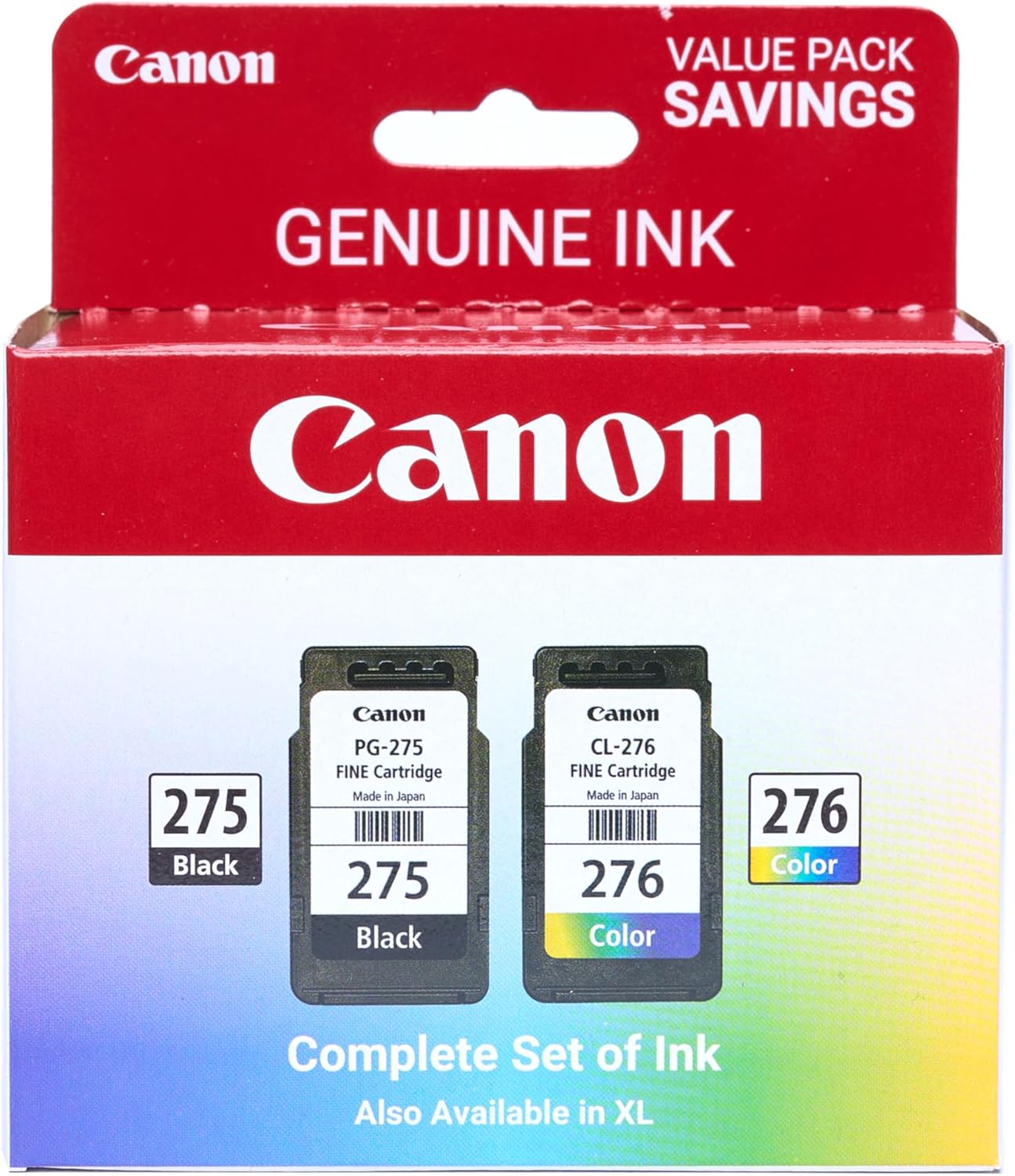
Canon PG-275
Canon PG-275 / CL-276 Genuine Ink Value Pack (2 Cartridges), Compatible with TS3520/3522/4722/3720/3722, TR4720
Ultimate Mobile Controls – Plug & Play
Take your mobile game to the next level with this ready-to-use Mobile Controls Pack. customizable mobile controls without wasting days on UI and input setup. Perfect for 2D, 3D, FPS, RPG, Platformer, Shooter, and Casual mobile games.
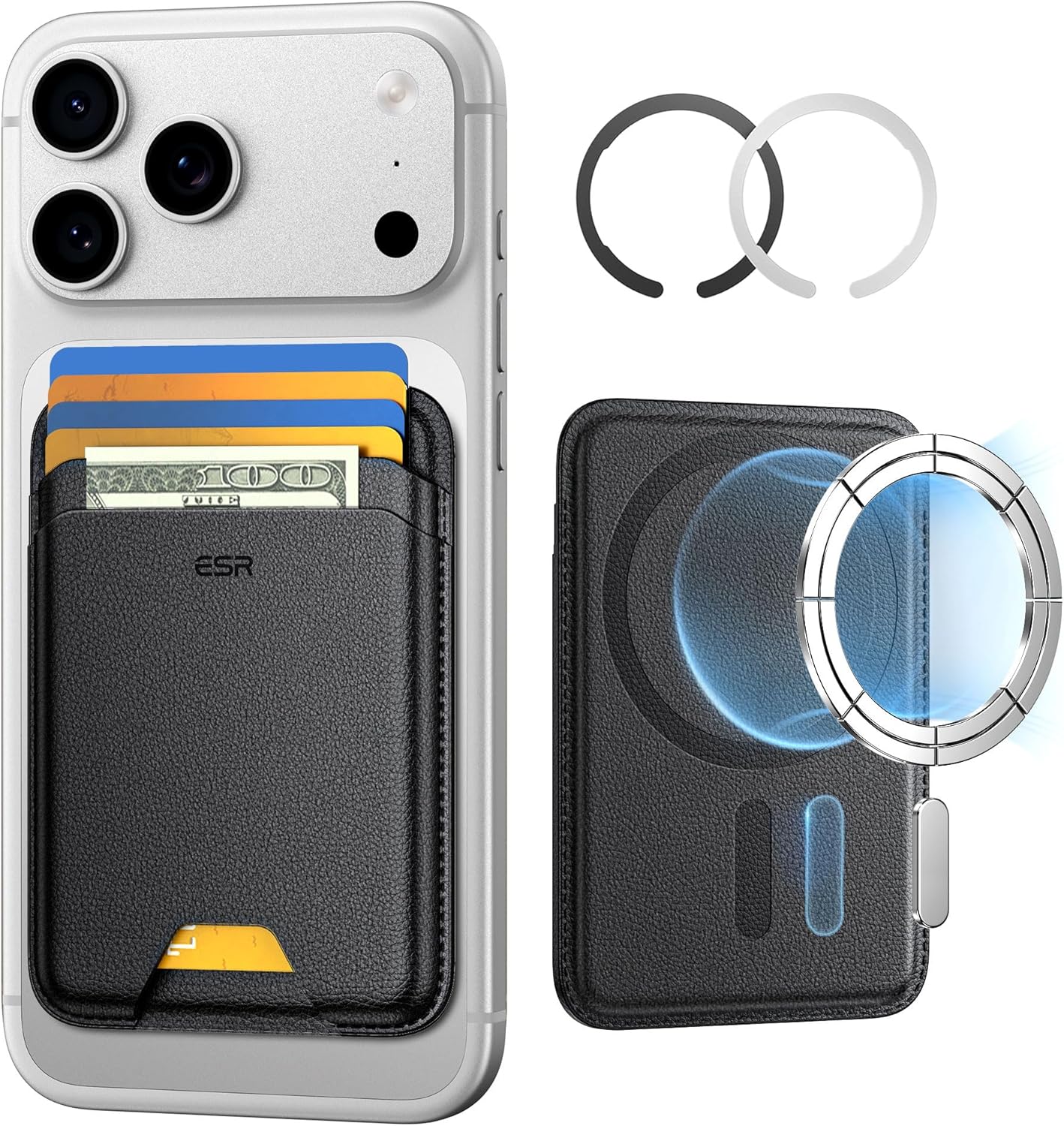
ESR for MagSafe Wallet
ESR for MagSafe Wallet, 5-Card Holder With RFID Blocking, MagSafe Sticker Included, Slim Magnetic Wallet for iPhone 17/16/15/14/13/12 Series and Selected Samsung Devices, Not for 13/12 Mini, Black
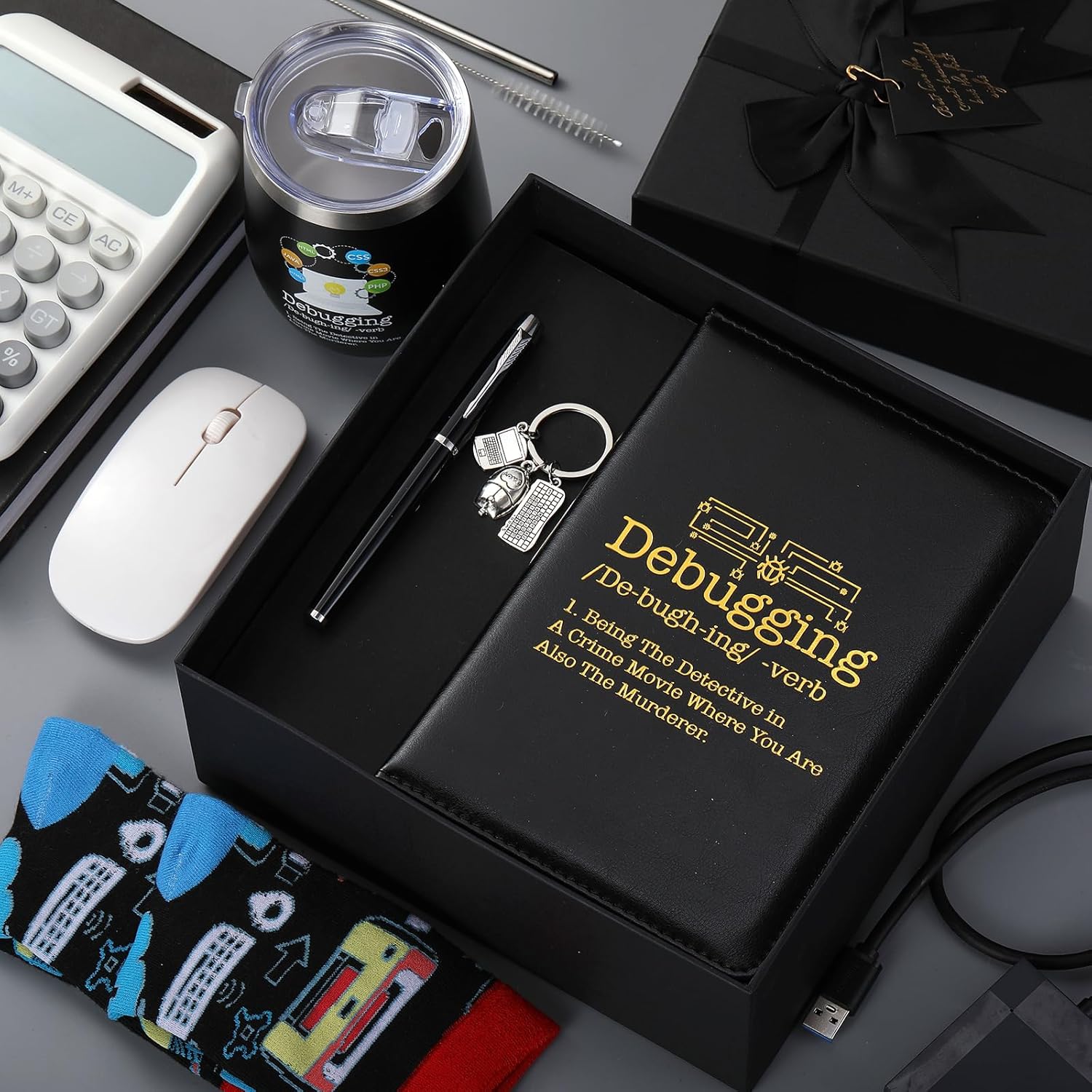
6 Pcs Computer Programmer Gifts for Men
6 Pcs Computer Programmer Gifts for Men Debugging Definition Programmer Gifts 12oz Stainless Steel Cup Socks Keychain Pen Notebook Box for IT Developers Computer Geeks Nerd Hackers Coders

beyerdynamic DT 770 PRO 80 Ohm Over-Ear Studio Headphones in Gray
beyerdynamic DT 770 PRO 80 Ohm Over-Ear Studio Headphones in Gray. Enclosed Design, Wired for Professional Recording and Monitoring

Razer
Razer Basilisk V3 Pro 35K Wireless Gaming Mouse: HyperScroll Tilt Wheel – 35K DPI Optical Sensor Gen 2-13 Customizable Controls – Chroma RGB – Optical Switches Gen 3 – Up to 140 Hr Battery – Black