Understanding Recursion
Before diving into specific use cases, let’s clarify what recursion is. At its core, recursion involves a function calling itself to solve a smaller instance of the same problem. This approach can be particularly useful when dealing with hierarchical data structures or problems that can be broken down into smaller, similar subproblems.
Use Case 1: Procedural Level Generation
One of the most exciting applications of recursion in game design is procedural level generation. Games like Spelunky and Rogue Legacy utilize recursive algorithms to create intricate and diverse game worlds that keep players engaged.
Step-by-Step Guide: Implementing Recursive Level Generation
- Define the Base Case: Establish the conditions under which the recursion should stop. For level generation, this could be when a certain number of rooms have been created.
- Generate Rooms: Create a function that generates a room using random parameters such as size and layout.
- Recursion: Call the room generation function recursively to add additional rooms adjacent to the previously created rooms.
- Connect the Rooms: Implement logic to ensure the rooms are interconnected, forming a playable level.
Here’s a simple code snippet that illustrates this concept in pseudocode:
function generateLevel(currentRoom, maxRooms) {
    if (roomsCreated >= maxRooms) return;
    newRoom = createRoom();
    connectRooms(currentRoom, newRoom);
    generateLevel(newRoom, maxRooms);
}
Use Case 2: AI Decision-Making
Another notable use of recursion in game design is in AI decision-making processes. Recursive algorithms can help AI navigate complex decision trees, making choices based on various conditions. This is especially useful in strategy games or role-playing games (RPGs).
Example: Decision Trees in AI
Consider an AI character that needs to decide whether to attack, defend, or retreat based on the current game state. A recursive function can evaluate the outcomes of each action and determine the best course of action.
function decideAction(state) {
    if (gameOver(state)) return;
    bestAction = evaluatePossibleActions(state);
    return decideAction(bestAction);
}
This function continues to evaluate actions until it reaches a terminal state, effectively simulating a decision-making process that can adapt to changing game conditions.
Use Case 3: Terrain Generation
Terrain generation is another domain where recursion shines. Many games require dynamic and diverse landscapes, and recursive algorithms can create natural-looking terrains.
Example: Fractal Terrain Generation
Fractals are self-similar patterns that can be generated recursively. You can create mountainous landscapes using a recursive function that applies noise algorithms like Perlin noise.
function generateTerrain(x, y, size) {
    if (size <= 1) return;
    applyNoise(x, y, size);
    generateTerrain(x + size / 2, y, size / 2);
    generateTerrain(x, y + size / 2, size / 2);
}
In this case, the function generates terrain features at different scales, leading to a rich and varied landscape.
Use Case 4: Inventory Management
Managing player inventory can become complex, especially in games with nested items or categories. Recursion can help navigate this complexity, allowing for efficient inventory management.
Checklist: Implementing Recursive Inventory Management
- Define your item structure (e.g., categories, subcategories).
- Create a function to add, remove, or search for items.
- Use recursion to traverse nested items or categories.
- Implement a way to display the inventory in a user-friendly manner.
For example, if you have a category of weapons that contains subcategories like swords and bows, a recursive function can easily navigate through these layers to find a specific item.
Use Case 5: Game State Management
Games often have various states (e.g., menus, gameplay, paused). Managing these states recursively can simplify the transition logic and ensure a smoother player experience.
Example: State Transition Logic
Consider a game with multiple states that players can navigate between. A recursive function can handle state transitions by calling itself with the next state as an argument.
function handleState(state) {
    if (state is MENU) displayMenu();
    else if (state is PLAYING) updateGame();
    else if (state is PAUSED) displayPauseMenu();
    handleState(nextState);
}
Conclusion
Recursion is a valuable tool in game design that can simplify complex problems and enhance gameplay experiences. From procedural level generation to AI decision-making, the applications of recursion are vast and varied. By understanding its potential and implementing it effectively, you can create more dynamic, engaging, and enjoyable games.
Related Content
For a deeper dive into recursion in game development, check out our article Game Development Recursion: A Comprehensive Guide.
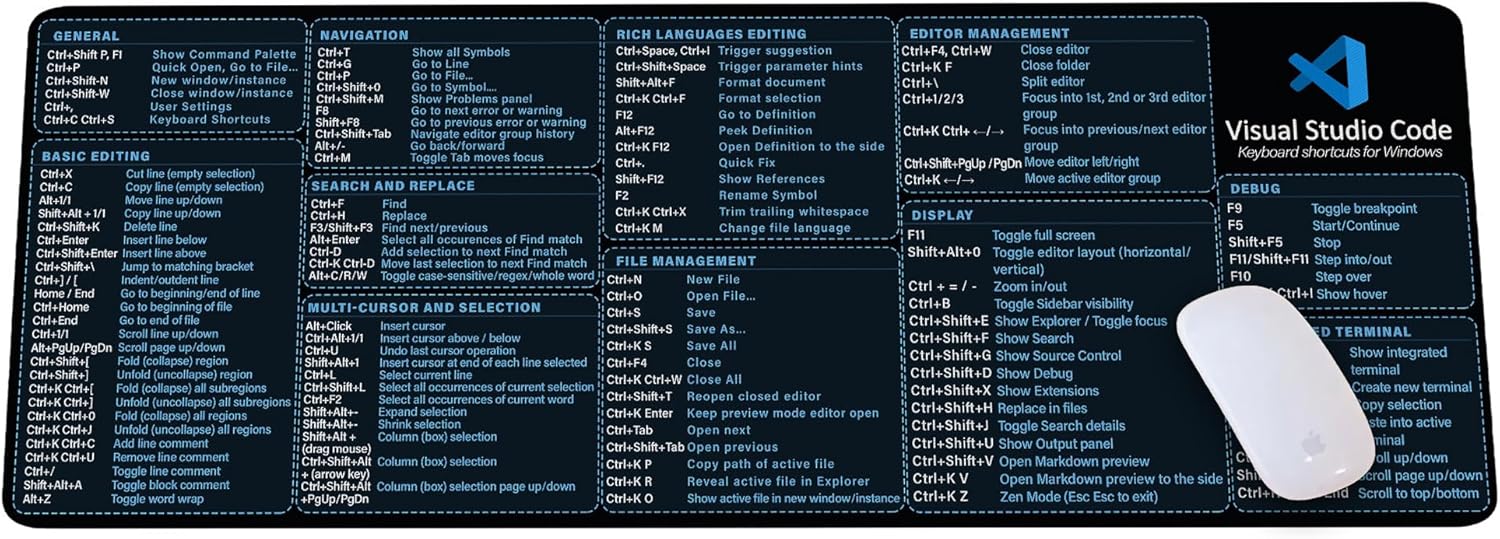
Visual Studio Code Shortcuts Mouse Pad
Visual Studio Code Shortcuts Mouse Pad – Desk Mat for Programmers, Coders & Beginners, Great Office Gift for Developers & Tech Enthusiasts, Computer Accessory for Study, Work, and Learning KMH
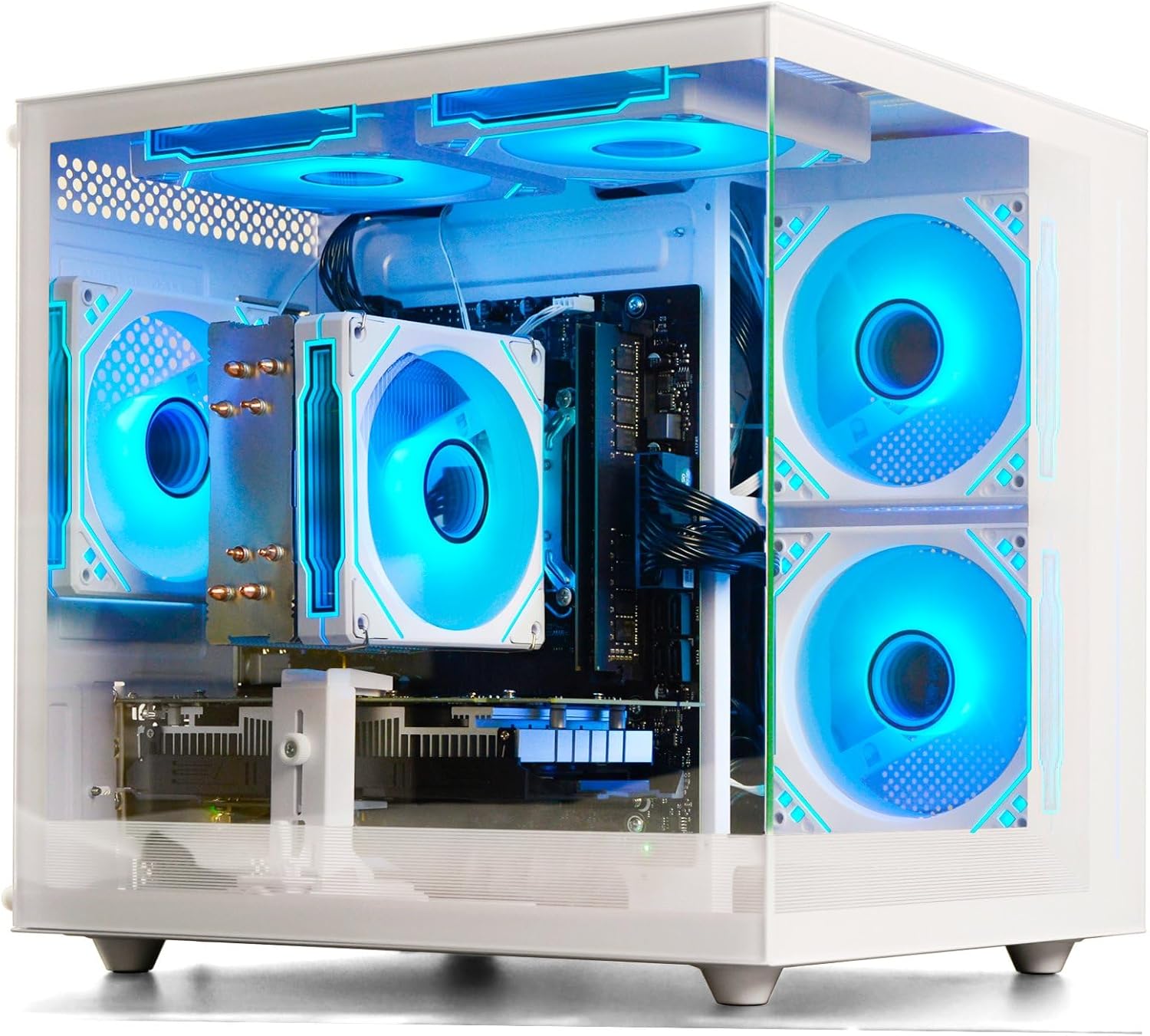
Prebuilt Gaming Desktop Computer
Prebuilt Gaming Desktop Computer | 16G Memory | 512G SSD | AMD Ryzen5 6Cores 3.6G Up to 4.1G | RX 560 4G Graphics Card | Wi-Fi 6 | Gamer PC White

beyerdynamic DT 770 PRO 80 Ohm Over-Ear Studio Headphones in Gray
beyerdynamic DT 770 PRO 80 Ohm Over-Ear Studio Headphones in Gray. Enclosed Design, Wired for Professional Recording and Monitoring

NUBWO U3 Gaming Headset
NUBWO U3 Gaming Headset with Microphone, Safe Volume Limited, Kids Headphones for Switch, Super Lightweight, Rich Sound, 3.5mm Jack for NS, PS4, PS5, Xbox, Tablet, iPad Computer, Red

iFIT Pro
iFIT Pro – Monthly Membership – 1 month free trial included [Subscription]

Logitech G
Logitech G PRO X SUPERLIGHT 2 Wireless Gaming Mouse