Game development is an intricate dance of creativity and technical prowess. One of the most fascinating aspects of it is the application of algorithms, particularly recursive algorithms, in areas like game physics. In this article, we’ll delve into the world of recursion, its importance in game physics, and provide practical examples to illustrate its utility.
Understanding Recursive Algorithms
Before we dive into the specifics of game physics, let’s clarify what recursive algorithms are. At their core, recursion is a method where the solution to a problem depends on solutions to smaller instances of the same problem. This means that a function calls itself, often with modified parameters, until it reaches a base case.
Why Use Recursion in Game Physics?
Recursion can simplify complex calculations and processes, especially in scenarios where a problem can be broken down into similar subproblems. In game physics, this is particularly useful for:
- Collision detection
- Particle systems
- Scene graph traversal
- AI pathfinding algorithms
Real-Life Example: Collision Detection
Collision detection is a fundamental aspect of game physics that determines whether two objects in a game have intersected. Using recursive algorithms, we can efficiently handle complex shapes and scenarios.
Step-by-Step Guide: Implementing Recursive Collision Detection
Let’s walk through a simple implementation of recursive collision detection using bounding boxes:
- Define the Bounding Box: Each game object should have a bounding box defined by its coordinates.
- Create the Recursive Function: This function will check for collisions between two bounding boxes. If they do not intersect, it will return false. If they do, it will further subdivide the boxes into smaller bounding boxes and check again.
- Base Case: The recursion will stop when the bounding boxes are reduced to a certain threshold size.
Code Example
class BoundingBox {
    constructor(x, y, width, height) {
        this.x = x;
        this.y = y;
        this.width = width;
        this.height = height;
    }

    intersect(other) {
        return this.x < other.x + other.width &&
               this.x + this.width > other.x &&
               this.y < other.y + other.height &&
               this.y + this.height > other.y;
    }
}

function recursiveCollisionDetection(box1, box2, depth = 0) {
    if (depth > MAX_DEPTH || !box1.intersect(box2)) {
        return false;
    }

    // Subdivide the boxes and check for collisions recursively
    const subBoxes1 = box1.subdivide();
    const subBoxes2 = box2.subdivide();

    for (let subBox1 of subBoxes1) {
        for (let subBox2 of subBoxes2) {
            if (recursiveCollisionDetection(subBox1, subBox2, depth + 1)) {
                return true;
            }
        }
    }
    return false;
}
Visualizing the Process
Understanding recursion can sometimes be challenging. Visual aids can help clarify the process. Below is a table summarizing how the recursive collision detection works:
| Depth | Action | Result |
|---|---|---|
| 0 | Check initial boxes | Intersect? Yes/No |
| 1 | Subdivide if intersecting | Check sub-boxes |
| 2 | Continue subdividing | Check next level |
| Max Depth | Return result | Final collision status |
Best Practices for Using Recursion in Game Physics
While recursion is powerful, it’s essential to use it wisely. Here are some best practices to keep in mind:
- Base Case: Always define a clear base case to prevent infinite recursion.
- Performance Monitoring: Recursion can lead to high memory usage. Monitor your performance and optimize where necessary.
- Iterate When Possible: Sometimes, an iterative approach may be more efficient. Assess the problem before committing to recursion.
- Test Thoroughly: Test your recursive functions with various input sizes to ensure stability and performance.
Related Content
If you want to dive deeper into the world of recursion in game development, check out our article Game Development Recursion: A Comprehensive Guide. It covers a wide range of topics, including different types of recursive algorithms and their applications in various game mechanics.
Conclusion
Implementing recursive algorithms in game physics can significantly enhance the efficiency and effectiveness of your game. From collision detection to particle systems, recursion provides a robust framework for solving complex problems. By following the steps outlined in this article, and keeping best practices in mind, you can leverage recursion to create more dynamic and engaging game environments.
Whether you are an aspiring game developer or a seasoned professional, understanding and utilizing recursive algorithms will undoubtedly add depth to your skill set. Happy coding!

NUBWO U3 Gaming Headset
NUBWO U3 Gaming Headset with Microphone, Safe Volume Limited, Kids Headphones for Switch, Super Lightweight, Rich Sound, 3.5mm Jack for NS, PS4, PS5, Xbox, Tablet, iPad Computer, Red

Dreo Humidifiers for Bedroom
Dreo Humidifiers for Bedroom, 4L Top Fill for Large Room, 36H Runtime, 28 dB Quiet Supersized Cool Mist Air Humidifier for Baby Nursery, Plants, Indoor, Night Light, Easy to Clean & Fill, Black

Razer
Razer Basilisk V3 Pro 35K Wireless Gaming Mouse: HyperScroll Tilt Wheel – 35K DPI Optical Sensor Gen 2-13 Customizable Controls – Chroma RGB – Optical Switches Gen 3 – Up to 140 Hr Battery – Black
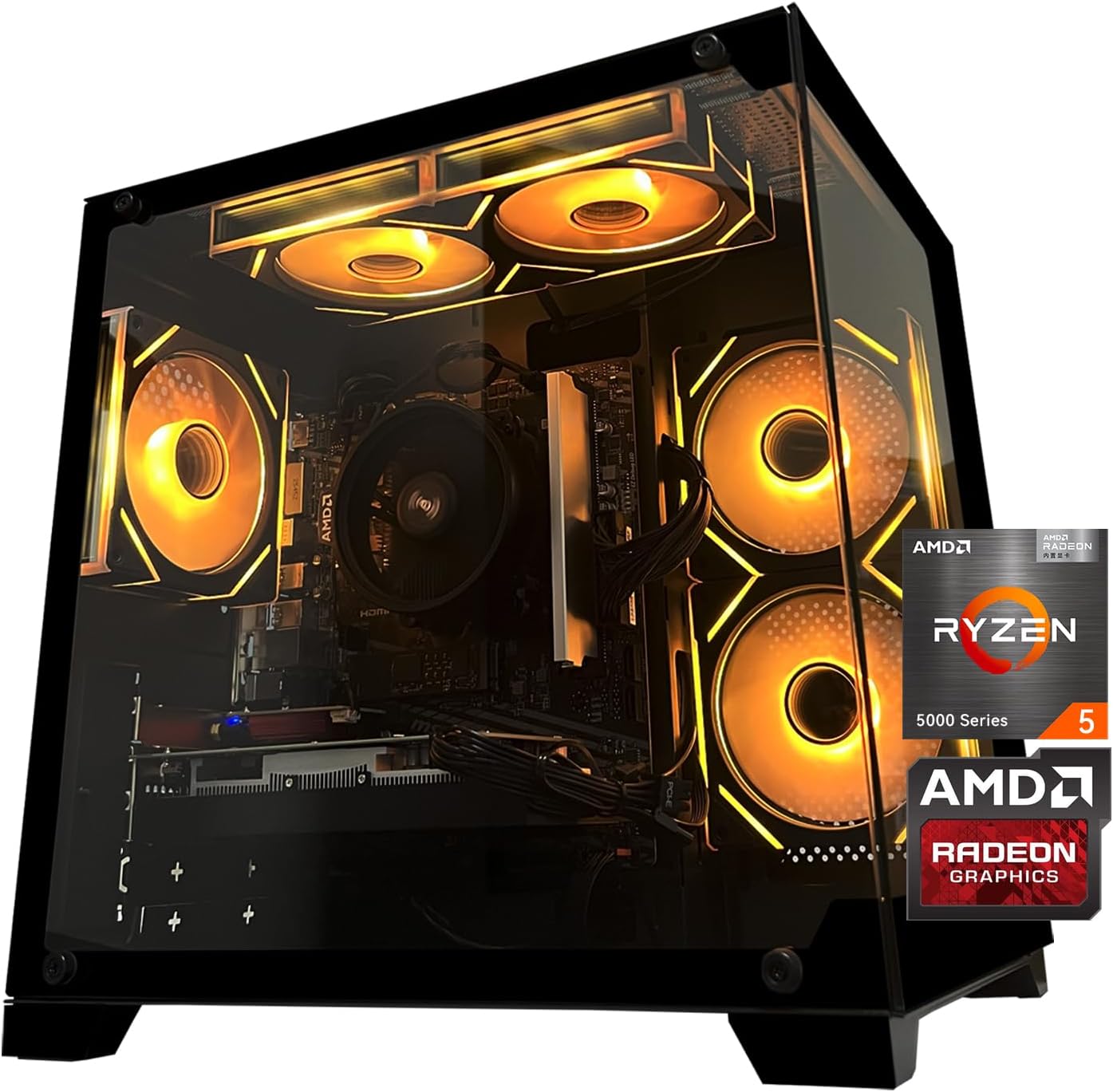
Gaming PC Desktop Computer, AMD
Gaming PC Desktop Computer, AMD Ryzen 5 5500, RX6500XT 4GB Graphics, 16GB DDR4 RAM, 512GB NVMe SSD, ARGB Fans, Game Design Office
Ultimate Mobile Controls – Plug & Play
Take your mobile game to the next level with this ready-to-use Mobile Controls Pack. customizable mobile controls without wasting days on UI and input setup. Perfect for 2D, 3D, FPS, RPG, Platformer, Shooter, and Casual mobile games.

iFIT Pro
iFIT Pro – Monthly Membership – 1 month free trial included [Subscription]