Overview of App Products
In today’s digital landscape, mobile applications have become an integral part of our daily lives, enhancing productivity and leisure activities. Understanding the various products within these apps is crucial for developers, marketers, and end-users alike. This article provides a comprehensive overview of app products, detailing their types, benefits, and features.
What Are App Products?
App products refer to the various functionalities and features that an application offers to its users. These products can range from simple features to complex systems designed to enhance the user experience. They play a critical role in determining an app’s success and user retention.
Types of App Products
Understanding the types of app products is essential for anyone involved in app development or marketing. Here are the primary categories:
1. Free Apps
Free apps are available for download at no cost. They usually generate revenue through advertisements or in-app purchases. Examples include:
- Social Media Apps (e.g., Facebook, Instagram)
- Games (e.g., Candy Crush, Clash of Clans)
- Productivity Tools (e.g., Trello, Evernote)
2. Paid Apps
Paid apps require users to purchase them upfront. These apps often provide a more complete user experience without the interruption of ads. Examples include:
- Premium Games (e.g., Minecraft, Monument Valley)
- Professional Tools (e.g., Adobe Lightroom, Notability)
3. Freemium Apps
Freemium apps offer basic functionality for free, but users can pay for additional features or content. This model is particularly popular in gaming and productivity apps. Examples include:
- Spotify
- Duolingo
Benefits of App Products
Understanding the benefits of different app products can help stakeholders make informed decisions. Here are some key advantages:
- User Engagement: Well-designed app products can significantly enhance user engagement and retention.
- Monetization Opportunities: Different app product models provide various ways to generate revenue.
- Scalability: Apps can evolve over time by adding new products or features based on user feedback.
Key Features of Successful App Products
Successful app products often share certain features that contribute to their popularity:
| Feature | Description | Example |
|---|---|---|
| User-Friendly Interface | An intuitive design that is easy to navigate. | Instagram’s clean layout allows users to easily scroll through photos. |
| Regular Updates | Frequent updates to fix bugs and introduce new features. | WhatsApp regularly adds new features like voice and video calling. |
| High Performance | Apps that load quickly and operate smoothly. | Games like PUBG Mobile are optimized for performance, ensuring minimal lag. |
| Customer Support | Responsive support channels for user inquiries and issues. | Slack offers 24/7 support for its users. |
Step-by-Step Guide to Developing App Products
Creating a successful app product involves a systematic approach. Here’s a step-by-step guide:
Step 1: Research Your Market
Identify your target audience and analyze competitors to find gaps in the market.
Step 2: Define Your Product
Clearly outline the features and functionality of your app product. Create a product roadmap.
Step 3: Design the User Experience
Develop wireframes and prototypes to visualize the user experience.
Step 4: Develop the App
Utilize the appropriate tools and technologies to build your app.
Step 5: Test and Launch
Conduct thorough testing to identify and fix bugs before launching.
Step 6: Collect Feedback
After launch, gather user feedback to make necessary improvements.
Checklist for App Product Success
Use this checklist to ensure your app product is on the right track:
- ✔️ Conduct market research
- ✔️ Define your target audience
- ✔️ Create a user-friendly design
- ✔️ Ensure high performance
- ✔️ Plan for monetization strategies
- ✔️ Implement strong customer support
- ✔️ Regularly update the app
- ✔️ Collect and analyze user feedback
Conclusion
Understanding app products is essential for anyone involved in the app ecosystem. By recognizing the different types, benefits, and key features of successful app products, stakeholders can make informed decisions that lead to enhanced user experiences and app success. For a deeper dive into app products, check out our Comprehensive Guide to Products Within the App.
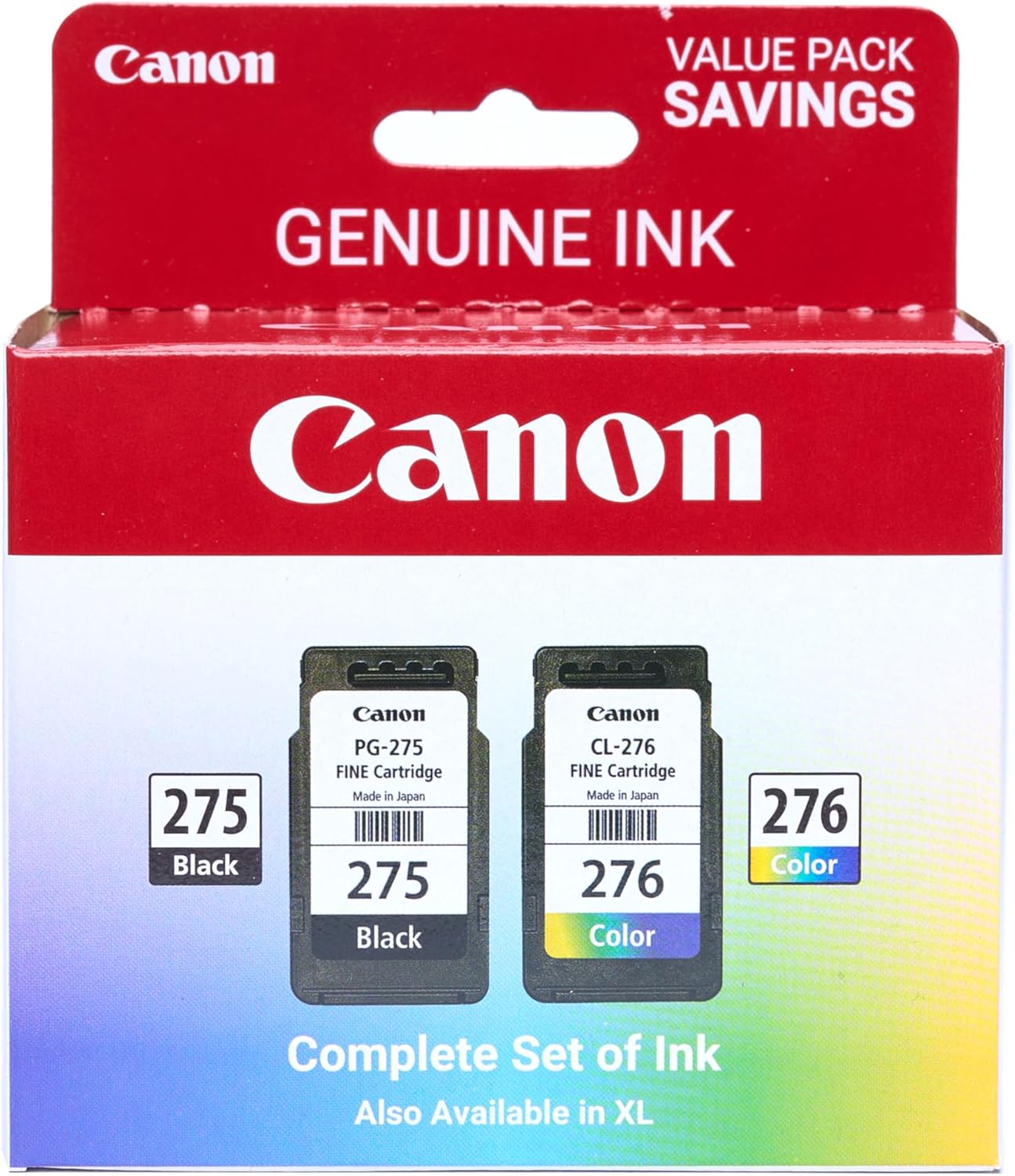
Canon PG-275
Canon PG-275 / CL-276 Genuine Ink Value Pack (2 Cartridges), Compatible with TS3520/3522/4722/3720/3722, TR4720

AULA F99 Wireless Mechanical Gaming Keyboard
AULA F99 Wireless Mechanical Keyboard,Tri-Mode BT5.0/2.4GHz/USB-C Hot Swappable Custom Keyboard,Pre-lubed Linear Switches,RGB Backlit Computer Gaming Keyboards for PC/Tablet/PS/Xbox

beyerdynamic DT 770 PRO 80 Ohm Over-Ear Studio Headphones in Gray
beyerdynamic DT 770 PRO 80 Ohm Over-Ear Studio Headphones in Gray. Enclosed Design, Wired for Professional Recording and Monitoring

Sound Healing 432 Hz
song transports the listener to a relaxed state of mindfulness and inner peace.
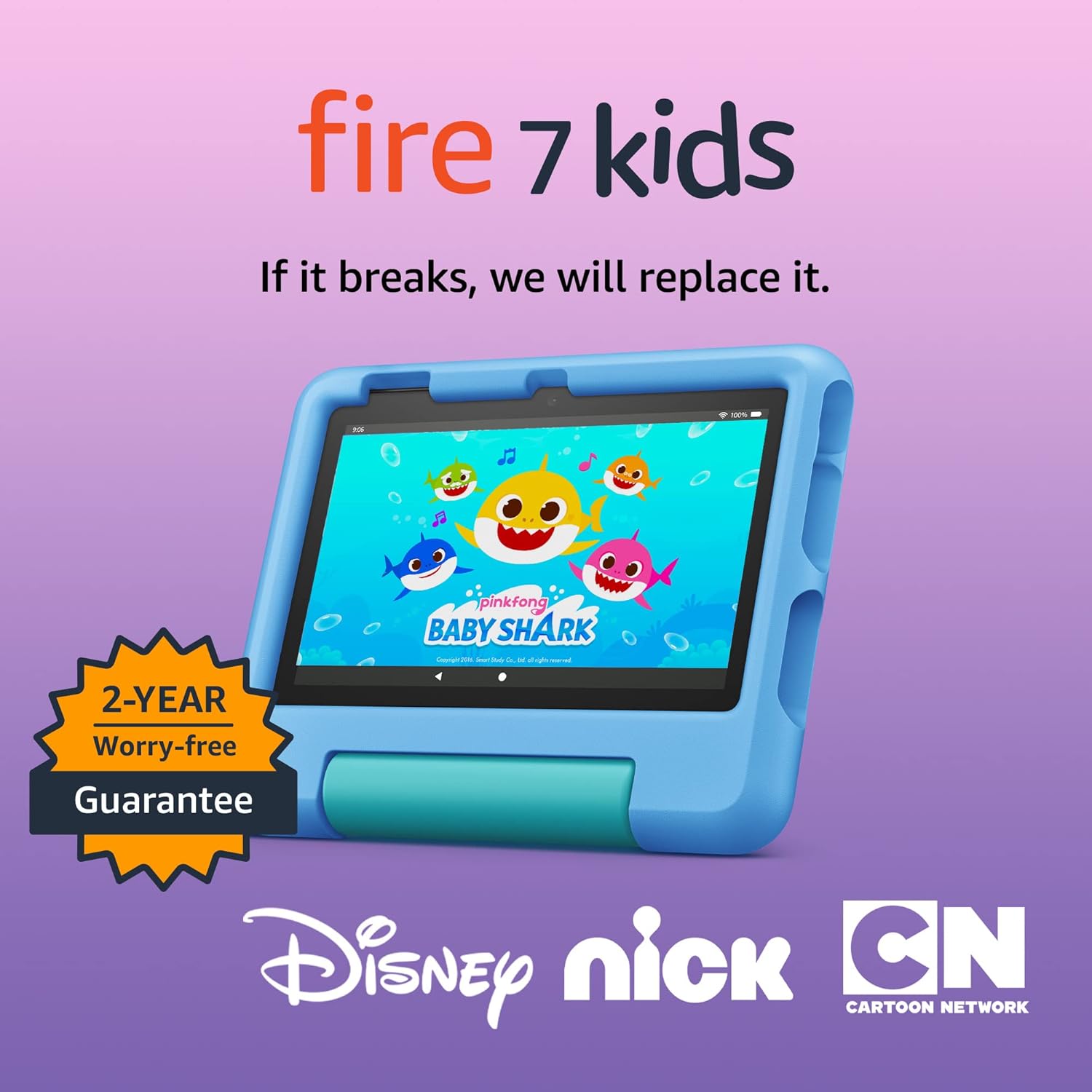
Amazon Fire 7 Kids tablet
Amazon Fire 7 Kids tablet, ages 3-7. Top-selling 7\" kids tablet on Amazon. Includes ad-free and exclusive content, easy parental controls, 10-hr battery, 16 GB, Blue

KOORUI
KOORUI 24.5 Inch Gaming Monitor 200Hz, 1ms, FHD(1920 * 1080p) IPS Display, HDR400, 90% DCI-P3 Color Gamut with Adaptive Sync, HDMI & DP Port, Black, G2511P