Comparative Analysis: App Products vs. Competitors
Understanding App Products
The term “app products” refers to software applications designed to perform specific tasks on mobile devices. These products can range from gaming apps to productivity tools. In this analysis, we will focus on gaming apps as they are a significant part of the app market.
Key Features of Successful Gaming Apps
- User Engagement: Successful apps often incorporate elements that keep users engaged, such as rewards, achievements, and social features.
- Intuitive User Interface: A well-designed UI that is easy to navigate can significantly enhance user experience.
- Regular Updates: Frequent updates with new features or levels keep the content fresh and encourage users to return.
- Monetization Strategies: Understanding different monetization methods, such as in-app purchases and ads, is essential for profitability.
Competitor Analysis: Identifying Key Players
To understand how your app performs in the market, it’s essential to identify and analyze your competitors. Below is a table comparing popular gaming apps based on user engagement and monetization strategies:
| App Name | User Engagement Rate | Monetization Strategy |
|---|---|---|
| Game A | 75% | In-App Purchases |
| Game B | 65% | Ads & Subscriptions |
| Game C | 80% | Freemium Model |
Step-by-Step Guide to Conducting a Competitor Analysis
- Identify Your Competitors: List down apps that target the same audience.
- Assess Their Features: Analyze what features they offer that make them popular.
- Evaluate User Reviews: Check user feedback on app stores to understand strengths and weaknesses.
- Analyze Monetization Strategies: Identify how competitors generate revenue.
- Benchmark Performance Metrics: Use analytics tools to compare user engagement and retention rates.
Comparative Analysis: App Products vs. Competitors
Now that we have an understanding of app products and their competitors, let’s delve deeper into a comparative analysis. We’ll look at three key aspects: functionality, user experience, and market reach.
1. Functionality
Functionality refers to the features and capabilities of the app. A successful gaming app must provide a seamless gaming experience. For instance, Game C offers cross-platform functionality, allowing users to play on different devices, which has significantly boosted its user base.
2. User Experience
User experience (UX) is vital for retaining players. Apps that prioritize UX tend to have higher retention rates. For example, Game A employs a simple onboarding process, making it easy for new users to start playing. In contrast, Game B has a steep learning curve, which can deter new users.
3. Market Reach
Market reach refers to how widely the app is distributed and its visibility in app stores. Apps that implement effective SEO strategies, such as optimizing keywords and app descriptions, tend to rank higher in app stores. For example, Game C utilizes targeted keywords effectively and has a strong social media presence, leading to increased downloads.
Checklist for Comparing App Products with Competitors
Here’s a handy checklist to evaluate your app against competitors:
- Does your app have unique features that stand out?
- How does your user engagement compare?
- What is your app’s monetization strategy?
- Is your app receiving positive user feedback?
- How often do you update your app with new content?
- Are you effectively utilizing SEO strategies?
Conclusion
Conducting a comparative analysis of your app products against competitors is an essential practice for anyone looking to succeed in the mobile app market. By understanding the strengths and weaknesses of both your app and your competitors, you can make informed decisions that enhance your app’s performance. For those looking for more in-depth insights on app products, check out our Comprehensive Guide to Products Within the App.
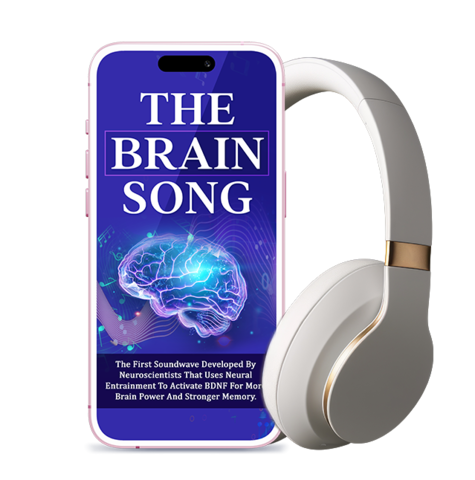
Brain Song 2025 Gamma
Cognitive Enhancement or Just Hype? Reviews The Brain Song (Killer NEW Memory Offer)
Ultimate Mobile Controls – Plug & Play
Take your mobile game to the next level with this ready-to-use Mobile Controls Pack. customizable mobile controls without wasting days on UI and input setup. Perfect for 2D, 3D, FPS, RPG, Platformer, Shooter, and Casual mobile games.
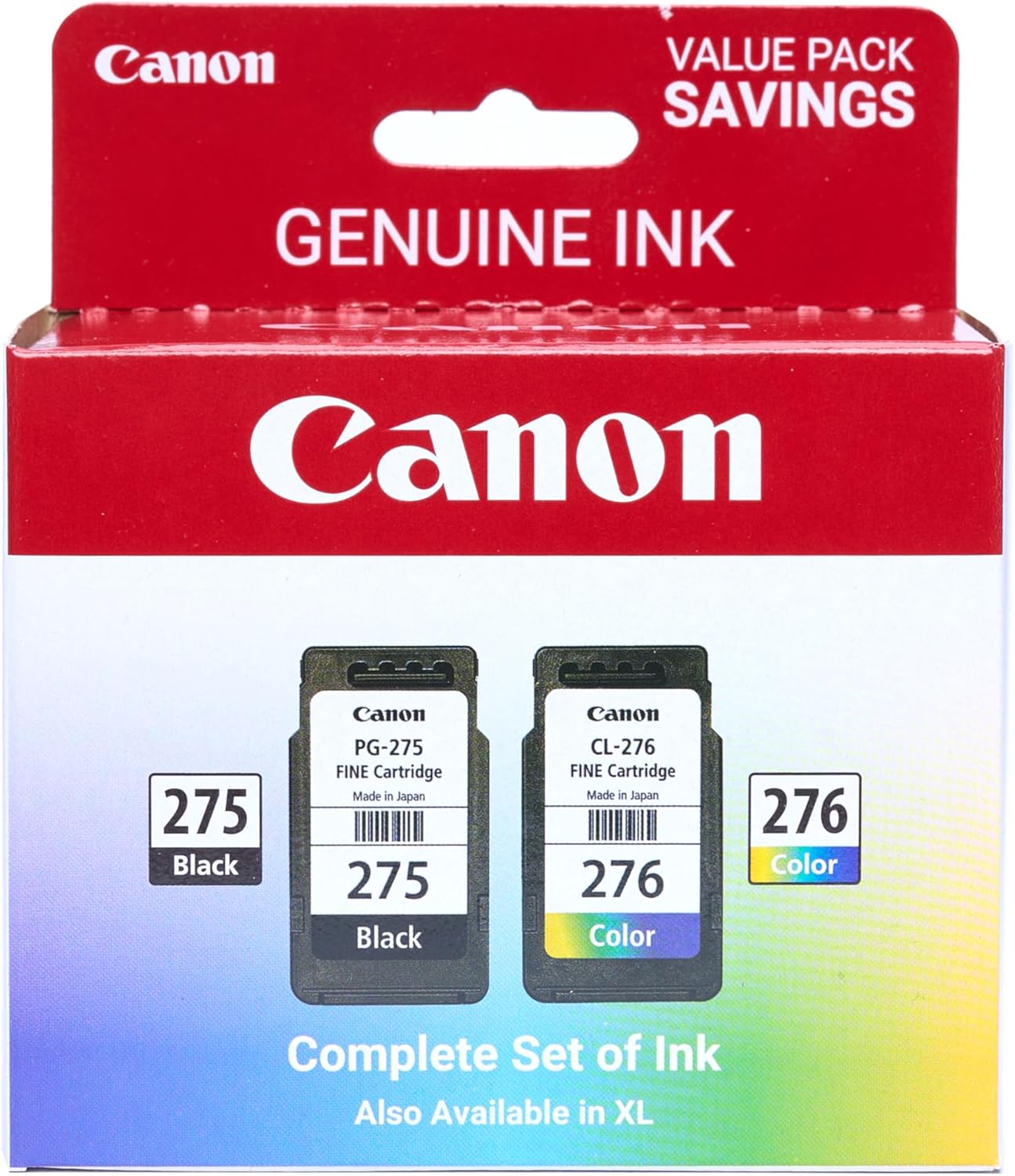
Canon PG-275
Canon PG-275 / CL-276 Genuine Ink Value Pack (2 Cartridges), Compatible with TS3520/3522/4722/3720/3722, TR4720
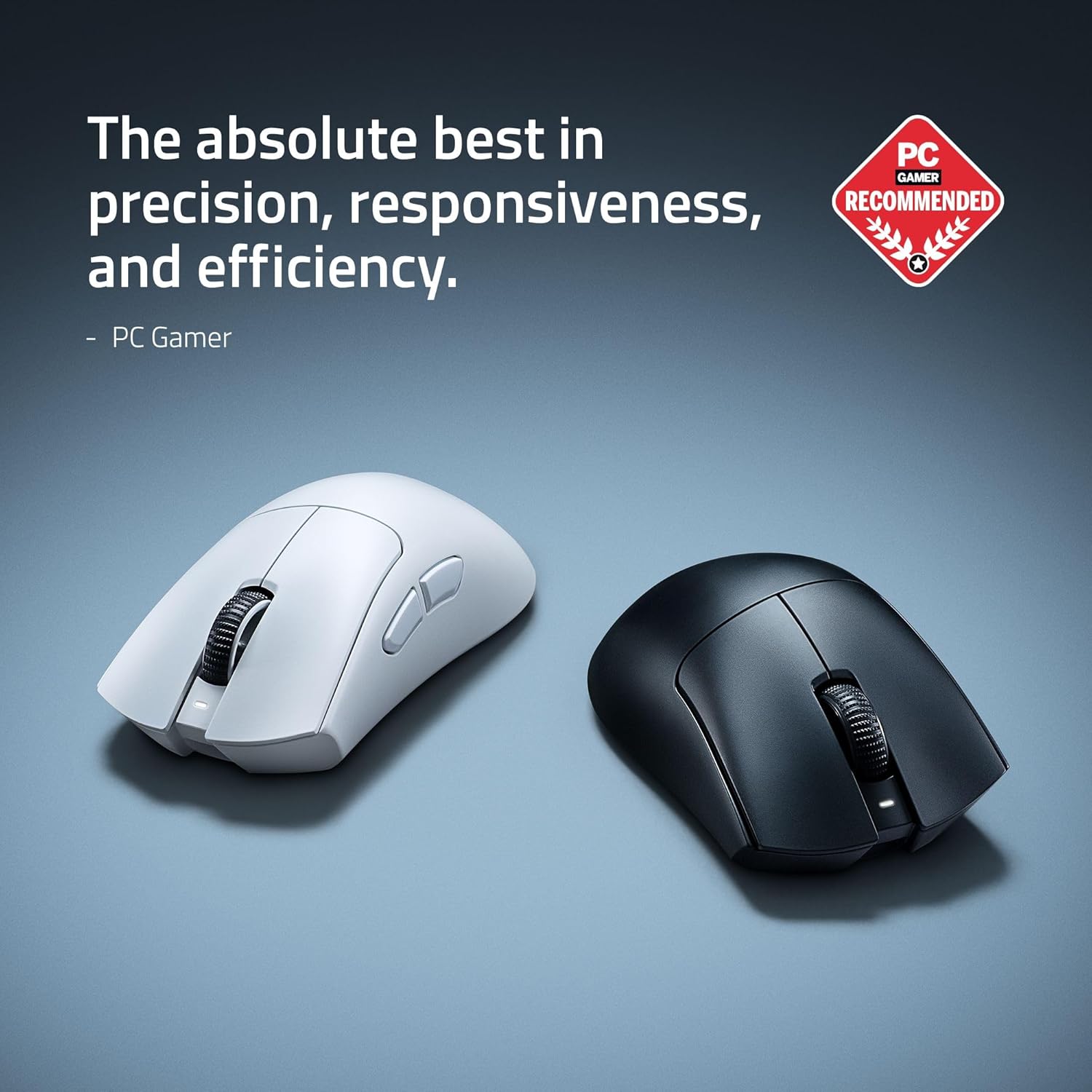
RAWM ES21 Wireless Gaming Mouse
Razer DeathAdder V4 Pro Wireless Gaming Mouse: 56g Lightweight – HyperSpeed Wireless Gen-2 – Optical Scroll Wheel – Optical Switches Gen-4 – Focus Pro 45K Sensor Gen-2 – Up to 150 Hr Battery
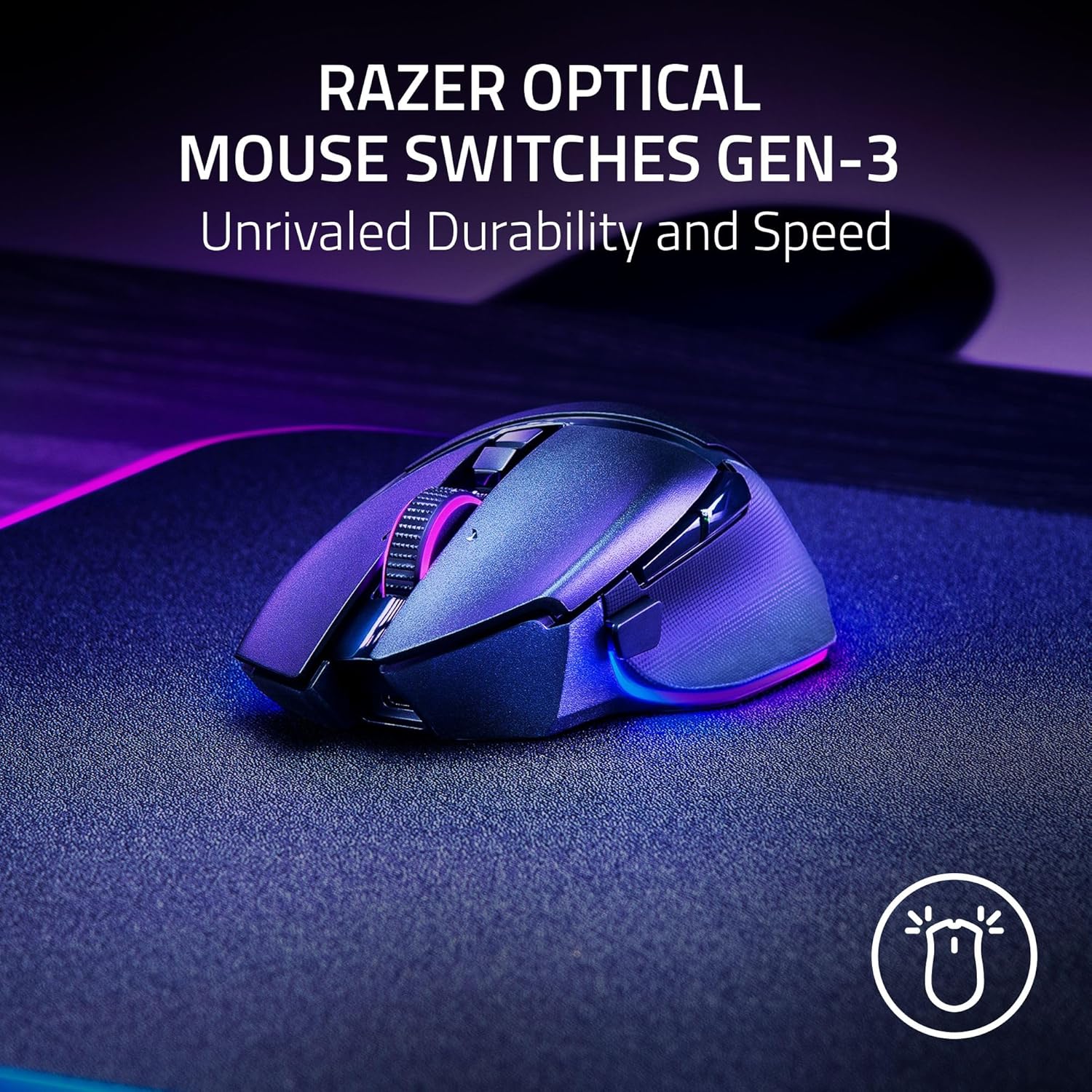
Razer
Razer Basilisk V3 Pro 35K Wireless Gaming Mouse: HyperScroll Tilt Wheel – 35K DPI Optical Sensor Gen 2-13 Customizable Controls – Chroma RGB – Optical Switches Gen 3 – Up to 140 Hr Battery – Black
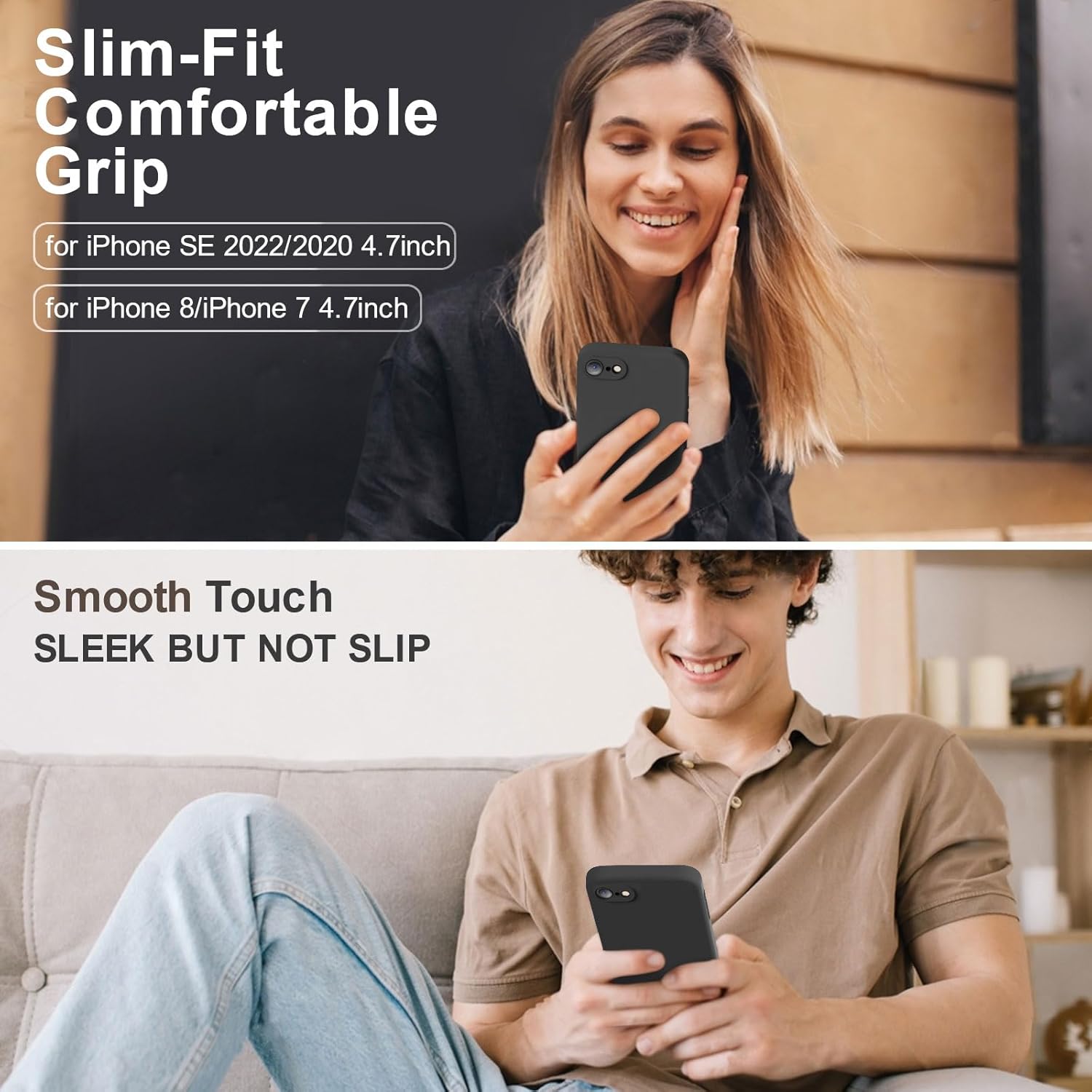
Vooii for iPhone SE
Vooii for iPhone SE Case 2022/3rd/2020,iPhone 8/7 Case, Upgraded Liquid Silicone with [Flat Edges] [Camera Protection] [Soft Anti-Scratch Microfiber Lining] Phone Case for iPhone SE – Black