Sony’s Multi-Platform Strategy: A Deeper Look
Despite the recent buzz surrounding Sony’s announcement of a new role in multi-platform title management, many analyses have missed the mark. Analyst William R. Aguilar has provided a detailed breakdown clarifying that PlayStation’s strategy has not changed. Instead, Sony aims to implement it more efficiently without abandoning its core philosophy: temporarily exclusive major titles to boost console sales, while opening the door for multiplayer games or experimental projects to appear on other platforms.
This article examines the key points from William’s analysis to understand PlayStation’s full strategy and how it plans to balance expanding its audience while maintaining the strength of its platform.
Job Description Breakdown:
The first item in the job description states:
Oversee the medium-term commercial strategy for PlayStation Studios titles across all non-PlayStation platforms, aiming to foster long-term revenue growth and reach a wider audience.
This implies that first-party games will not be released on other platforms (such as Steam, Xbox, and Nintendo) until at least one to two years after their initial release on PlayStation.
Game Categorization and Release Strategies:
- Small, experimental, or revived titles from other publishers, like Bandai Namco, can be released directly on Nintendo and PC.
- Online and service-based games, such as Helldivers 2 or Marathon, can be released on any platform from day one to increase engagement and player count.
- The next generation of Xbox consoles will be akin to a mini-PC, capable of running Steam and other digital stores without Microsoft receiving a percentage of game sales.
- Major single-player narrative-driven games (like Ghost of Tsushima or God of War) will remain exclusive to PlayStation for one to two years before eventually being ported to PC.
This policy remains consistent and differs from Xbox’s approach, which now releases most of its games simultaneously on multiple platforms.
Why This is Not a Radical Shift:
- Sony is a hardware company focused on selling consoles.
- Microsoft is a software company focused on services and open platforms.
- To sell hardware, Sony must offer compelling exclusive content.
- To maintain a successful digital storefront, Sony needs exclusive games.
Sony is not hiring additional development teams in its individual game studios to make its games available from day one on other platforms. Instead, it relies on the Nixxes team for PC ports, which further confirms the continuation of the current approach.
The announcement of this job does not signify a change in strategy because Sony officially stated in recent investor meetings that the type of game determines its release date on other platforms, a legally binding statement to shareholders.
Official PlayStation Game Classification:
- Tentpole Narrative Games: Remain exclusive to PlayStation for 1-2 years before moving to PC.
- Live Service Games: Launch directly on multiple platforms on day one.
- Small Experimental Games or Revived Titles: Are easily ported to multiple platforms to reignite interest in the main platform (PlayStation).
Simply Put: The Same Policy, Just a New Day:
- The new hire at Sony does not indicate a shift in strategy.
- The goal is to execute the same plan that Sony previously announced, has adhered to for over two years, and reaffirmed this year that it does not intend to change.
Conclusion:
How will Sony sell the PlayStation 6 upon its release years from now?
In the same way it sold the PS5: through massive, unmissable story-driven exclusives that players won’t want to wait a year or two to play on another platform, risking spoilers.
“`
Make Your First 2D Game in Unity
Want to build your first game but don’t know where to start? This beginner-friendly guide shows you how to create SampleGame2D — a fun Flappy Bird–style project — step by step in Unity. Inside you’ll learn:
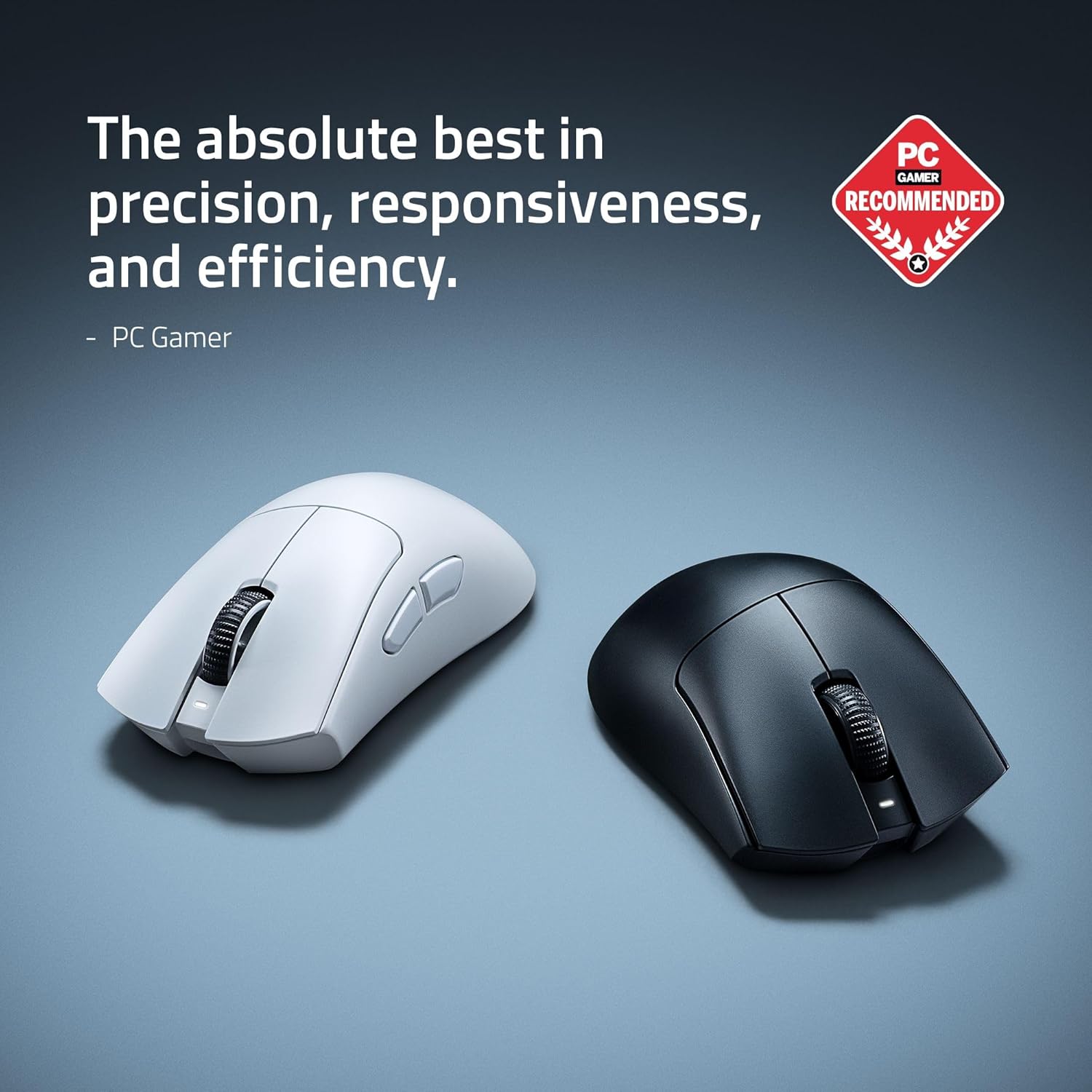
RAWM ES21 Wireless Gaming Mouse
Razer DeathAdder V4 Pro Wireless Gaming Mouse: 56g Lightweight – HyperSpeed Wireless Gen-2 – Optical Scroll Wheel – Optical Switches Gen-4 – Focus Pro 45K Sensor Gen-2 – Up to 150 Hr Battery
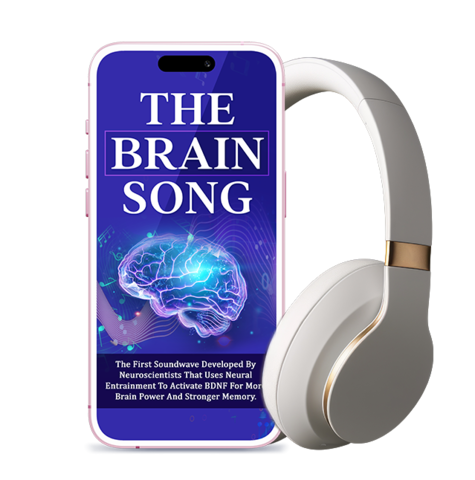
Brain Song 2025 Gamma
Cognitive Enhancement or Just Hype? Reviews The Brain Song (Killer NEW Memory Offer)
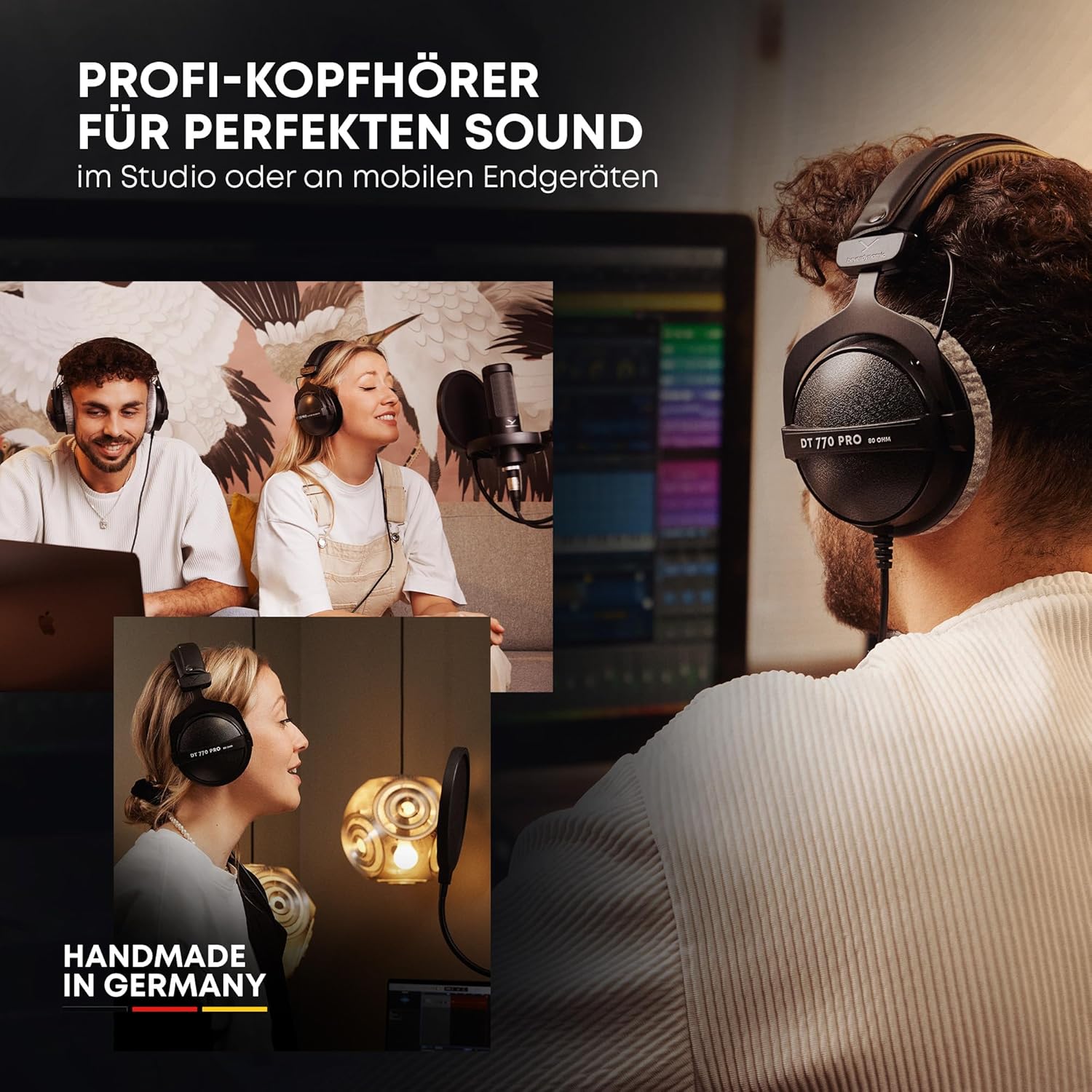
beyerdynamic DT 770 PRO 80 Ohm Over-Ear Studio Headphones in Gray
beyerdynamic DT 770 PRO 80 Ohm Over-Ear Studio Headphones in Gray. Enclosed Design, Wired for Professional Recording and Monitoring
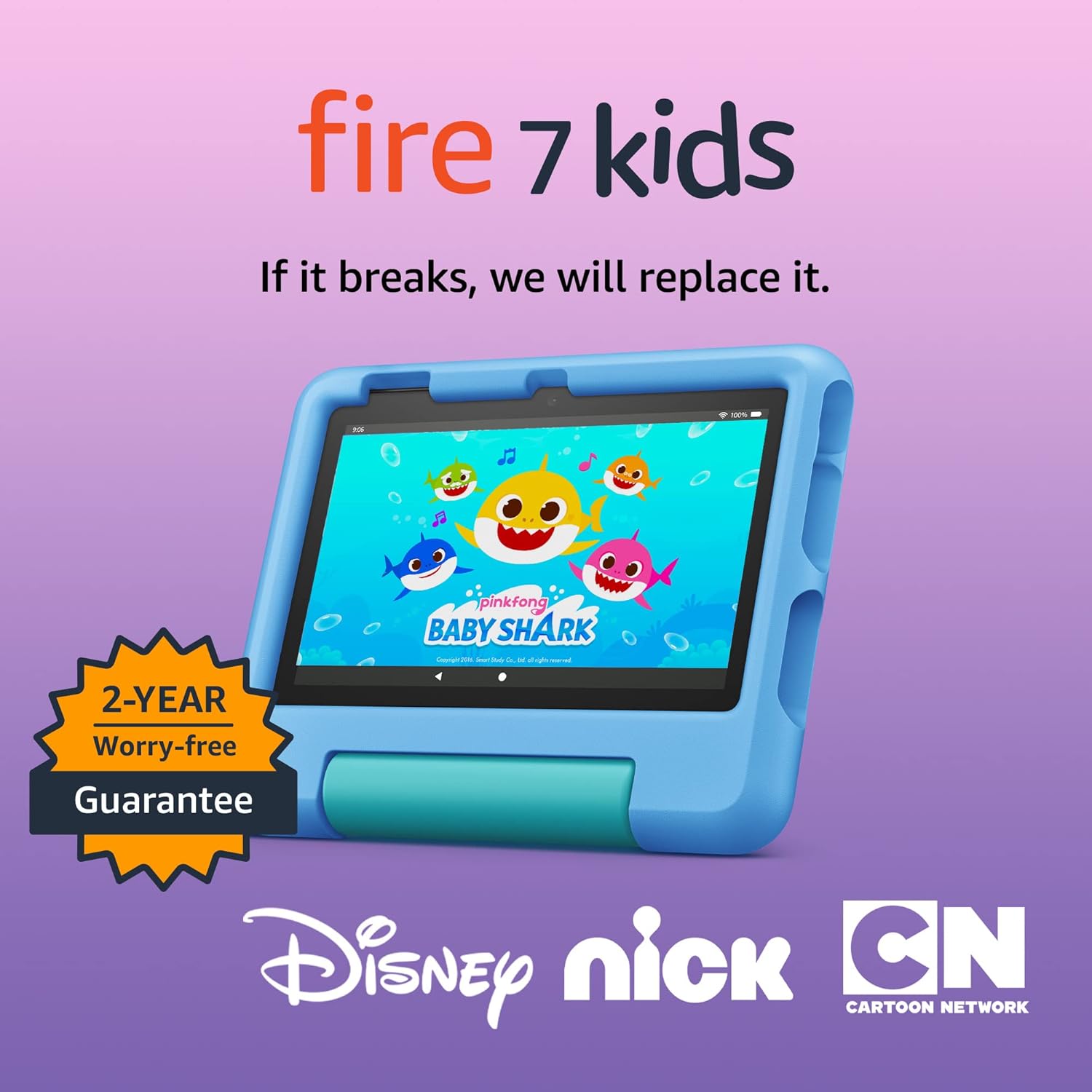
Amazon Fire 7 Kids tablet
Amazon Fire 7 Kids tablet, ages 3-7. Top-selling 7\" kids tablet on Amazon. Includes ad-free and exclusive content, easy parental controls, 10-hr battery, 16 GB, Blue
iFIT Pro
iFIT Pro – Monthly Membership – 1 month free trial included [Subscription]