
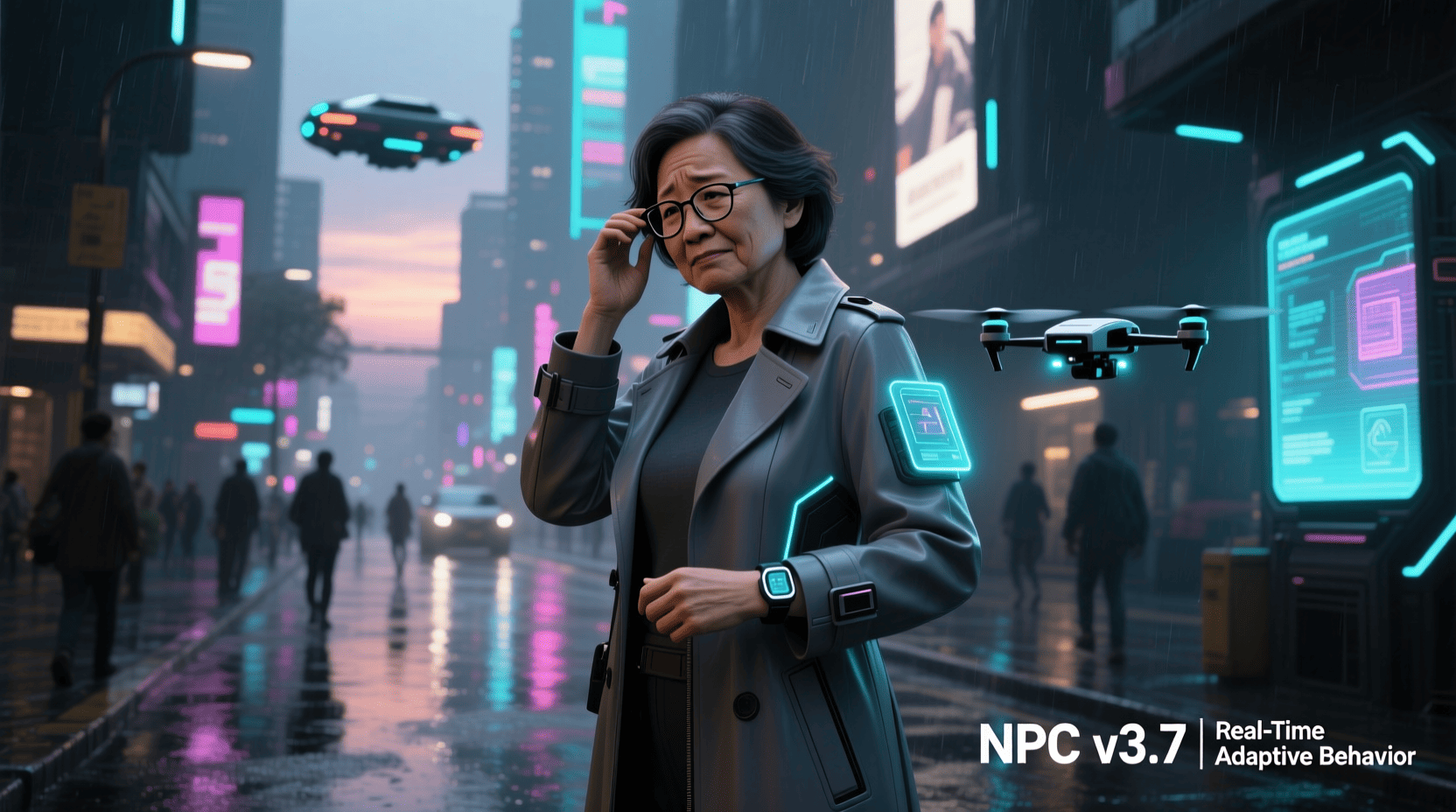
Game development for beginners has evolved dramatically with the integration of advanced technologies like artificial intelligence. Have you ever wondered how some non-player characters (NPCs) exhibit lifelike, unpredictable behaviors in modern games? The secret lies in enhancing AI NPC behavior through cutting-edge techniques. Improving NPC intelligence not only boosts player immersion but also transforms gameplay into a dynamic, engaging experience. Whether you’re a hobbyist or an aspiring developer, diving into AI-powered NPCs offers endless inspiration and remarkable learning opportunities.
Materials & Supplies
To get started with developing smarter NPCs, you’ll need a combination of both hardware and software essentials:
- A robust PC or laptop capable of running modern game engines smoothly.
- A game engine such as Unreal Engine or Unity.
- Access to AI game development resources and tutorials.
- AI frameworks or plugins like RevoltGPT for Unreal Engine 5 for enhanced NPC dialogue and decision-making.
- Access to AI game design tools to streamline character behavior modeling.
- Dataset libraries for training NPC AI behaviors.
- Basic programming knowledge in languages like C# (for Unity) or C++ (for Unreal).
Timing / Development Schedule
Crafting intelligent NPCs is a stepwise process that can vary depending on project scope:
- Week 1-2: Research and planning, including identifying NPC roles and behaviors.
- Week 3-5: Setup of development environment and integration of AI game development plugins.
- Week 6-8: Implementation of basic AI behavior models.
- Week 9-12: Testing and refining NPC decision trees and adaptive responses.
- Ongoing: Continuous iteration, player feedback incorporation, and AI behavior optimization.
Maintaining consistent progress while periodically revisiting goals ensures sophisticated and believable NPCs.
Step-by-Step Instructions
- Define NPC Roles: Determine what roles the NPCs will play—friend, foe, trader, guide, etc.
- Design Behavior Trees: Use AI game design tools to create behavior trees mapping out possible NPC actions and decisions.
- Integrate AI Algorithms: Implement algorithms that allow dynamic decision-making, such as pathfinding, learning, and emotion modeling.
- Embed Dialogue Systems: Enhance interaction with RevoltGPT for Unreal Engine 5 to deliver naturalistic conversations.
- Test NPC Reactions: Simulate various game scenarios to evaluate responses and tweak behaviors accordingly.
- Optimize Performance: Adjust AI computations to balance intelligence with game performance.
- Gather Feedback: Utilize player testing to identify any unnatural or frustrating NPC behaviors.
- Iterate and Improve: Refine and enhance AI features continuously to improve realism.
Advantages of Learning Game Development
Mastering game development offers multiple benefits:
- Enhances problem-solving and coding skills.
- Provides a creative outlet, combining storytelling with technology.
- Opens career pathways in gaming, simulation, and AI sectors.
- Builds understanding of how artificial intelligence in gaming transforms player experience.
- Fosters community collaboration and feedback loops.
- Empowers indie developers to compete with major studios using AI-driven tools.
Tips, Alternative Methods, or Development Advice
- Explore modular AI components to simplify NPC behavior upgrades.
- Use machine learning models to allow NPCs to adapt to player style.
- Leverage open-source AI libraries for cost-efficient development.
- Experiment with visual scripting in game engines for quicker prototyping.
- Stay updated with innovations in AI game development through blogs and forums.
- Consider ethical implications of complex AI behaviors to maintain player trust.
Common Mistakes to Avoid
- Overcomplicating AI which can lead to performance bottlenecks.
- Neglecting player feedback on NPC usability and realism.
- Relying solely on scripted behaviors with no adaptability.
- Ignoring game balance when developing AI that may overpower player actions.
- Skipping thorough testing across varied gameplay situations.
- Underestimating the importance of coherent NPC dialogue integration.
Maintenance / Update Tips
- Regularly update NPC behavior scripts post-release based on player analytics.
- Patch bugs that cause NPCs to act erratically or break immersion.
- Adopt scalable AI frameworks to facilitate future enhancements.
- Monitor AI’s resource usage to sustain optimal game performance.
- Incorporate new AI advances from AI game design tools ecosystem.
The best websites or tools that offer this for free
For beginners and experienced developers alike, the following platforms provide valuable free resources:
- Unreal Engine Marketplace – Offers free AI plugins including RevoltGPT for Unreal Engine 5.
- Unity Asset Store – Contains free AI behavior assets.
- GitHub – Hosts open-source AI scripts for NPCs.
- https://www.polycode.tech/artificial-intelligence-in-gaming-guide/ – A comprehensive guide on artificial intelligence in gaming.
- Online communities such as Stack Overflow, Reddit, and dedicated forums for game AI.
A brief explanation for beginners, including the steps involved
Begin with understanding the fundamentals of NPC design such as goals, motivations, and interactivity within game environments. Next, study basic AI concepts like pathfinding, finite state machines, and behavior trees. Use visual or script-based programming in engines like Unity or Unreal to start building simple NPC actions. Gradually incorporate learning algorithms or natural language processing with tools like RevoltGPT for Unreal Engine 5. Through repetitive testing and refinements, develop NPCs that react intelligently and realistically to player actions.
Conclusion
Mastering AI NPC behavior is a compelling endeavor that elevates game development to new heights. Whether you’re crafting immersive worlds or designing interactive stories, integrating AI game development innovations breathes life into characters and explores the frontier of human-computer interaction. By leveraging state-of-the-art AI game design tools and frameworks like RevoltGPT for Unreal Engine 5, developers can build NPCs that captivate players in ways never before imagined.
FAQs
Q1: What is AI NPC behavior?
AI NPC behavior refers to the coding and design of non-player characters’ actions and decision-making processes using artificial intelligence techniques to make them appear smart and lifelike.
Q2: How can AI improve game design?
By using AI, games can have adaptive NPCs that respond dynamically to player choices, creating more immersive and unpredictable gameplay.
Q3: Are there free AI tools available for game development?
Yes, many free resources like Unreal Engine Marketplace, Unity Asset Store, and open-source repositories provide AI components for NPC behavior.
Q4: What role does RevoltGPT for Unreal Engine 5 play in NPC behavior?
It enables advanced conversational AI models within Unreal Engine NPCs, allowing realistic dialogue and interaction capabilities.
Q5: Where can I learn more about artificial intelligence in gaming?
Ultimate Mobile Controls – Plug & Play
Take your mobile game to the next level with this ready-to-use Mobile Controls Pack. customizable mobile controls without wasting days on UI and input setup. Perfect for 2D, 3D, FPS, RPG, Platformer, Shooter, and Casual mobile games.

Canon PG-275
Canon PG-275 / CL-276 Genuine Ink Value Pack (2 Cartridges), Compatible with TS3520/3522/4722/3720/3722, TR4720
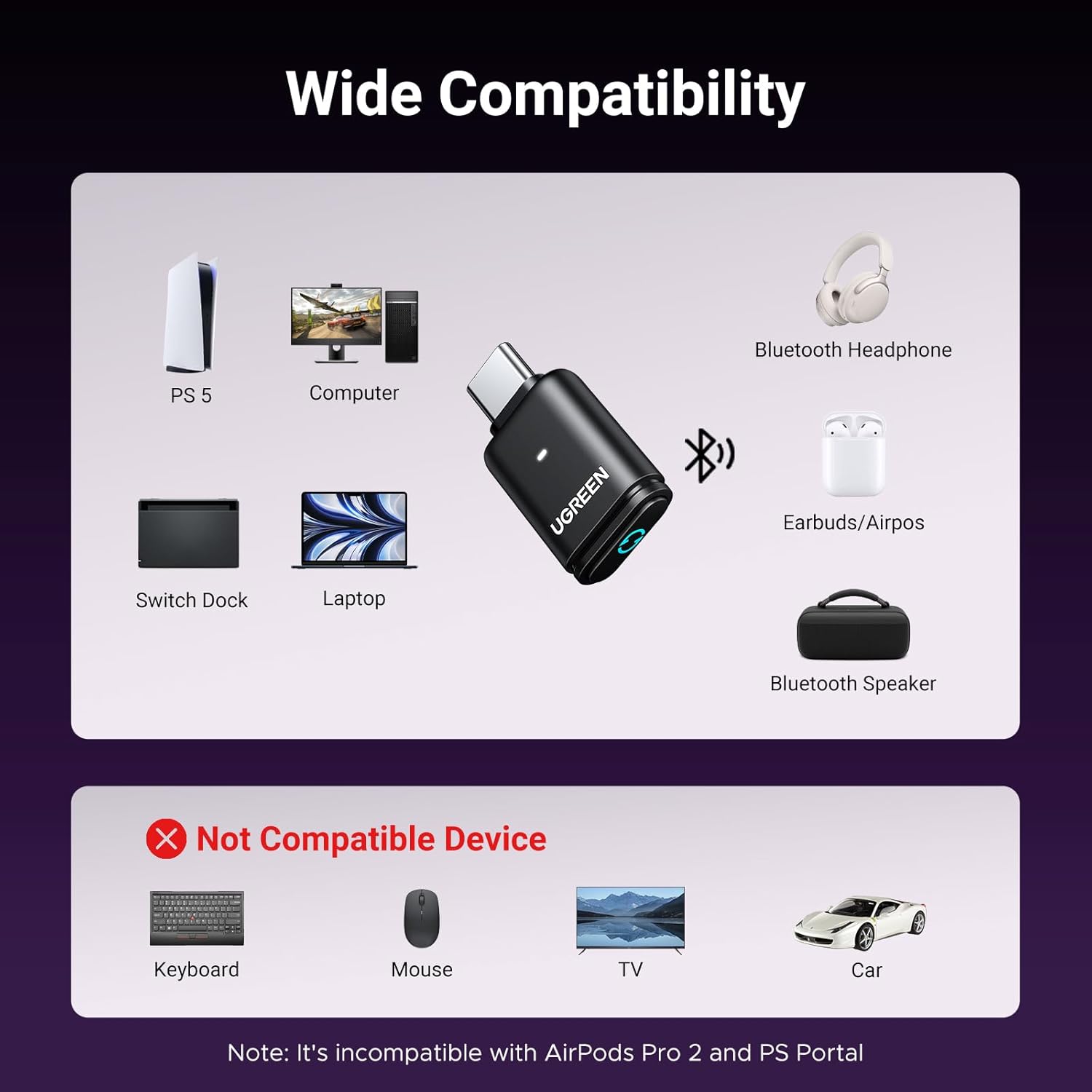
UGREEN USB-C Bluetooth Adapter for PS5
UGREEN USB-C Bluetooth Adapter for PS5, Bluetooth 5.3 Audio Adapter with APTX Low Latency & aptX-Adaptive, Wireless Audio Transmitter to Connect Wireless Headphones & Earbuds
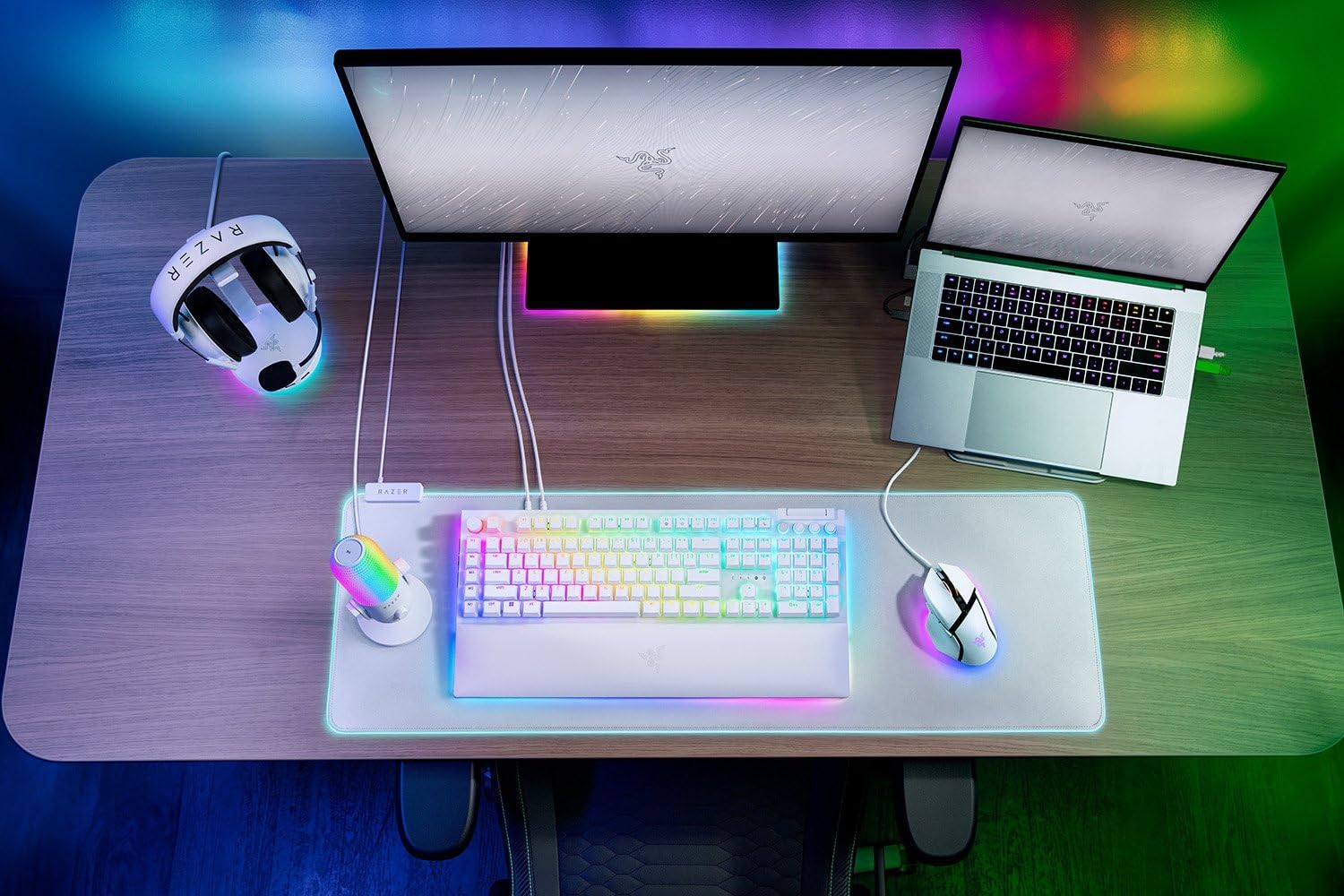
Razer
RAZER BlackWidow V4 Pro Wired RGB Keyboard White Refurbished