
Introduction
Are you fascinated by the idea of creating vast, immersive gaming worlds from the comfort of your own home? The realm of game development for beginners has never been more accessible or exciting. With advances in technology, especially the rise of procedural generation AI, indie developers and hobbyists alike can now generate infinite, unique environments without manually crafting every detail. This approach opens a gateway to unlimited creativity and efficiency revolutionizing how games are conceived, built, and played.
Materials & Supplies
Embarking on procedural generation AI projects requires more than just passion. Essential materials include a powerful PC with a decent GPU to handle rendering and AI computations, a game engine like Unreal Engine or Unity, and access to AI-powered procedural tools. Plugins such as RevoltGPT for Unreal Engine 5 integrate AI seamlessly, aiding world-building. Additionally, familiarity with scripting languages such as Python or C# can accelerate custom procedural algorithms. Access to datasets, textures, and 3D models further enrich the generated worlds.
Timing / Development Schedule
One of the biggest advantages of procedural generation AI is streamlining the development timeline. Start by allocating one to two weeks to prototype your procedural world structure focusing on basic terrain and asset placement. The next month should be devoted to refining algorithms for variability, ensuring the output remains fresh and engaging. Continuous testing throughout development is crucial. Depending on project scope, expect a total timeframe of three to six months to build a polished, AI-generated game environment.
Step-by-Step Instructions
- Define the scope: Decide the type of world or game environment you want fantasy, sci-fi, or realistic terrains.
- Choose your tools: Pick your game engine and integrate AI tools such as AI tools for game developers.
- Design procedural algorithms: Utilize AI models that generate heightmaps, textures, and object placements based on rules or randomness.
- Implement AI-driven content: Include features like dynamic weather, ecosystems, and NPC behaviors to enrich the world.
- Test iteratively: Playtest generated worlds, tweak parameters, and ensure stability and playability.
- Optimize performance: Utilize LOD (Level of Detail) techniques and culling to maintain smooth gameplay.
- Publish and gather player feedback for continuous improvement.
Advantages of Learning Game Development
Mastering procedural generation AI offers extraordinary benefits. It empowers developers to produce vast, complex worlds with lower resource investment, speeding up production cycles. Procedural methods also encourage creativity since each playthrough can offer unique experiences, vastly improving replay value. Learning game development hones problem-solving skills, coding proficiency, and artistic sense. Moreover, familiarity with AI game development places creators at the forefront of industry innovation.
Tips, Alternative Methods, or Development Advice
Begin with small scale procedural projects before scaling up to entire worlds this ensures manageable complexity. Experiment with hybrid systems combining handcrafted designs and procedural elements for better control over aesthetics and gameplay. Utilize online communities and tutorials focused on AI integration in game engines. Keeping up with trending AI technologies like neural networks and generative adversarial networks (GANs) can unlock new creative possibilities. Always back up data regularly to prevent loss during iterative development.
Common Mistakes to Avoid
Avoid over-reliance on randomness: procedural generation should be guided by thoughtful algorithms to avoid repetitive or nonsensical results. Do not neglect optimization Ai generated worlds can be resource-intensive. Monitor frame rates and memory usage meticulously. Skipping user testing in favor of purely automated processes can cause overlooked bugs and design flaws. Lastly, ensure thorough documentation of your algorithms and workflows to facilitate future updates and team collaboration.
Maintenance / Update Tips
Sustaining an AI generated game world requires periodic content refreshes and bug fixes. Update procedural parameters to introduce new content, maintaining player interest. Monitor community feedback for unexpected glitches or gameplay imbalances caused by procedural elements. Automate testing scripts where possible to detect errors in generated content. Integrate analytics tools to understand player behavior and optimize procedural systems accordingly.
The best websites or tools that offer this for free
Numerous resources empower developers to dive into procedural generation without heavy upfront costs. Game engines like Unity and Unreal Engine provide free tiers with built-in procedural tools. Websites such as GitHub host open-source procedural generation frameworks. For AI components, Google’s TensorFlow and OpenAI’s GPT models offer free access levels. Check out AI tools for game developers for curated lists of effective, no-cost AI solutions tailored to gaming.
A brief explanation for beginners, including the steps involved
In essence, procedural generation AI leverages algorithms and machine learning to create game content dynamically rather than manually crafting it. Beginners start by learning how procedural algorithms operate often using noise functions like Perlin or Simplex noise for natural terrain. Then, AI models may be trained or utilized to generate textures, objects, or behaviors. After integrating these into a game engine, developers can customize parameters to influence outputs, creating varied and engaging environments. Testing and iteration are vital to perfect the process.
Conclusion
The fusion of procedural generation AI with modern game development tools ushers in an era where infinite worlds are no longer the dream of AAA studios alone but accessible to every aspiring developer. This technology not only enhances creativity and efficiency but also transforms how players experience dynamic and evolving game universes. Whether you’re a beginner or seasoned pro, embracing AI-driven procedural generation can elevate your projects to unprecedented heights.
FAQs
Q1: What is procedural generation in game development?
Procedural generation uses algorithms to automatically create game content like levels, maps, or characters, reducing the need for manual design.
Q2: How does AI enhance procedural generation?
AI enables smarter generation processes by learning patterns and producing more realistic, diverse, and complex game elements than traditional procedural methods.
Q3: Are there free AI tools available for game developers?
Yes, platforms like Unity and Unreal Engine offer free AI tools, along with open-source libraries and resources listed at AI tools for game developers.
Q4: Can beginners use procedural generation AI easily?
Absolutely. Many tutorials, plugins like RevoltGPT for Unreal Engine 5, and community resources make starting straightforward.
Q5: How does procedural generation affect game replayability?
By creating unique worlds or scenarios for every playthrough, procedural generation significantly increases replay value and player engagement.
interface sounds OGG
interface sounds, UI sound effects, UX sound effects, game UI sounds, mobile UI audio, notification sound effects, button click SFX, menu sounds, toggle switch sounds, error alert sounds

KOORUI
KOORUI 24.5 Inch Gaming Monitor 200Hz, 1ms, FHD(1920 * 1080p) IPS Display, HDR400, 90% DCI-P3 Color Gamut with Adaptive Sync, HDMI & DP Port, Black, G2511P

MMO Mug
MMO Mug - Legendary Coffee Mug Level 110 - Large Ceramic Black15oz - Gaming, Gamer Cup
Results
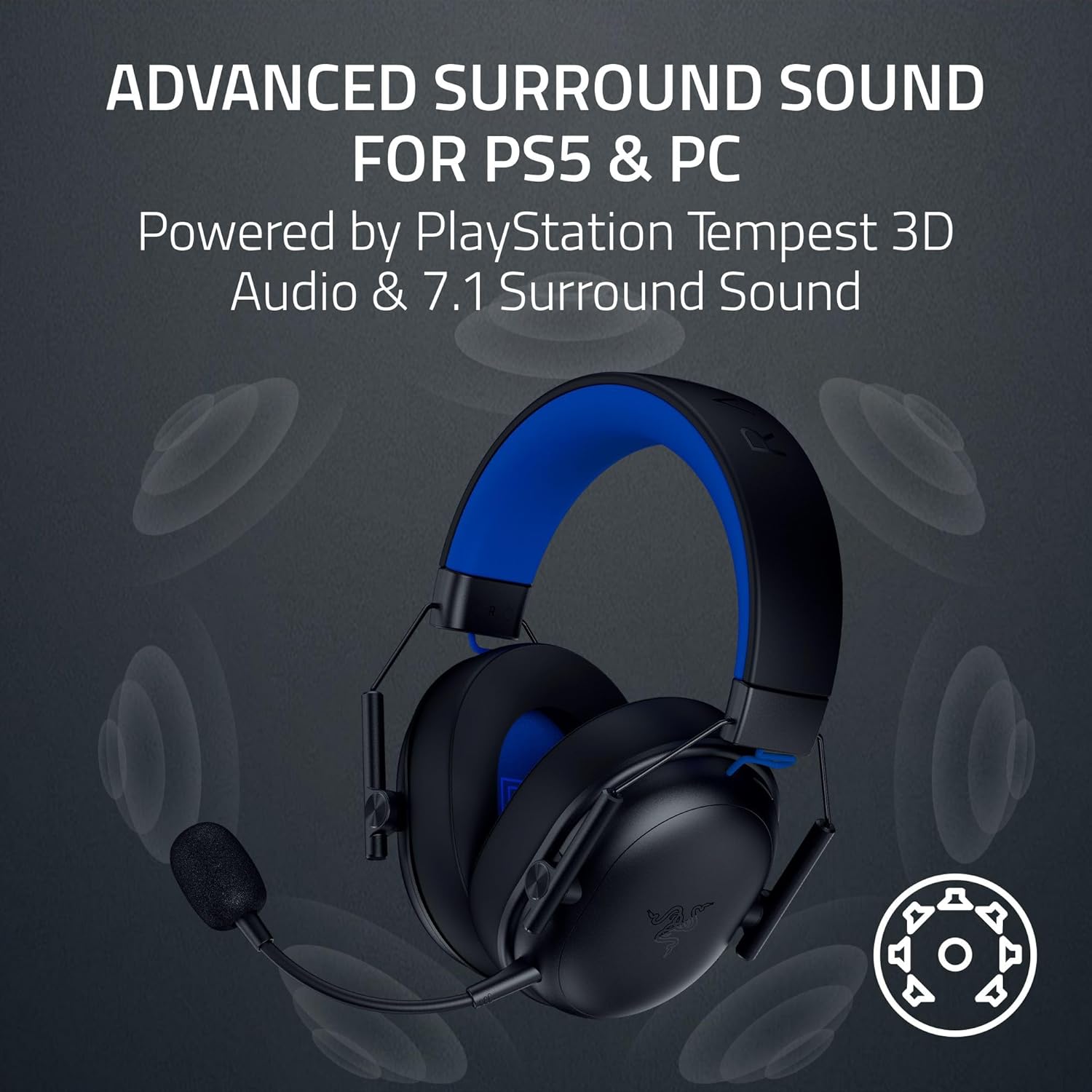
Razer BlackShark V3 X HyperSpeed Wireless Gaming Headset for PS5: 50mm Drivers - Cardioid Mic - 2.4 GHz, Bluetooth - Works with PC, Mac, Nintendo Switch, Smartphone - Long Battery Life - Black