
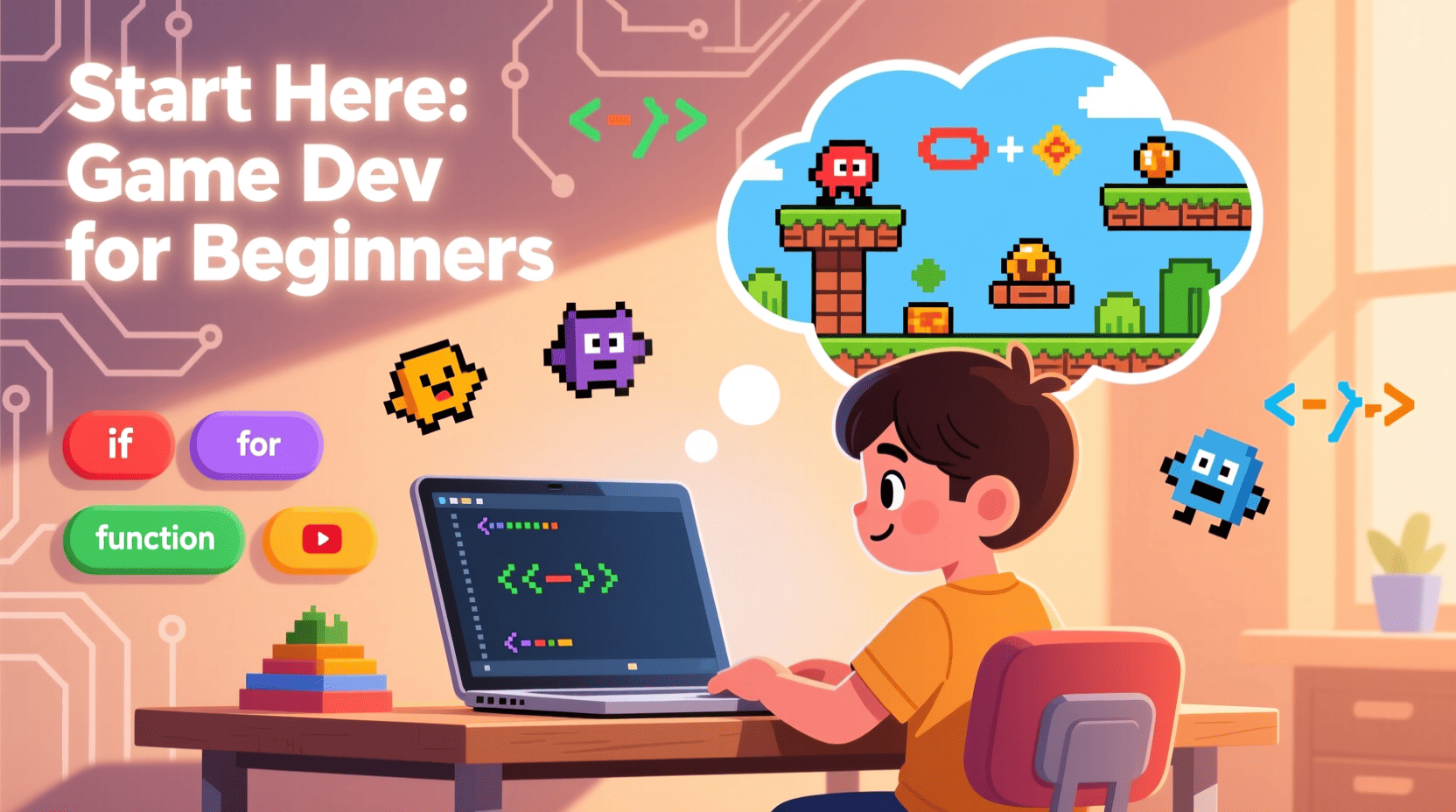
Introduction
Are you fascinated by the world of game development and eager to create your own immersive experiences? Whether you’re a hobbyist or an aspiring professional, mastering game development for beginners can be an exciting and rewarding journey. In today’s digital age, the rise of AI game development has transformed how games are designed, making the process faster, smarter, and more accessible than ever. This post will explore the best AI game design tools available, helping you streamline your creative workflow and elevate your projects with next-gen technology.
Materials & Supplies
To kickstart your journey with AI game design tools, you’ll need a few essential materials:
- A reliable computer with sufficient processing power to run game engines and AI software.
- Access to popular game development platforms such as Unity, Unreal Engine, or Godot.
- Installation of key AI tools for game developers incorporated into your workflow to automate tasks like asset generation, level design, and character behavior modeling.
- A stable internet connection for downloading assets, updates, and accessing online communities.
- Basic knowledge of programming or scripting for customizing AI behaviors and integrating AI-generated content.
Timing / Development Schedule
Efficient scheduling is crucial when working with AI-enhanced tools to maximize productivity:
- Initial Setup (1–2 weeks): Familiarize yourself with the chosen AI game design tools and integrate them into your preferred engine.
- Prototype Phase (2–4 weeks): Use AI-generated assets and procedural content to rapidly create game prototypes, reducing manual workload.
- Iteration Cycles (ongoing): Employ AI for continuous testing, balancing, and refinement tasks that can be iterated faster thanks to automation.
- Finalization (2–3 weeks): Use AI tools for polishing visuals, AI-driven NPC behavior tuning, and performance optimization.
Following this timeline ensures a streamlined path from concept to completion, leveraging AI’s speed and data-driven insights.
Step-by-Step Instructions
- Select a game engine compatible with AI integrations Unreal Engine 5 is popular for its powerful features. Check out RevoltGPT for Unreal Engine 5, an AI-powered plugin designed to assist with coding and design automation.
- Explore AI tools for game developers to find asset creators, dialogue generators, and procedural environment builders tailored to your project’s genre.
- Input your design parameters or concept art into AI tools for content creation, dramatically speeding up asset generation.
- Test AI-generated content in your game engine, refining based on player feedback or internal analytics powered by artificial intelligence in gaming methodologies.
- Repeat iterations to enhance gameplay, visuals, and user engagement while minimizing manual adjustments.
Advantages of Learning Game Development
Learning game development for beginners using AI tools offers multiple advantages:
- Enhanced creativity through generative AI, which provides inspiration and new ideas.
- Reduced development time with automated asset and level generation.
- Improved game quality by leveraging AI-driven testing and balancing.
- Accessibility for non experts, enabling wider participation in game creation.
- Integration of cutting edge technologies, keeping your skills relevant in the evolving industry.
Tips, Alternative Methods, or Development Advice
- Explore cloud-based AI tools to offload heavy computation and collaborate remotely.
- Combine traditional coding with AI-assisted design for the best of both worlds.
- Participate in online forums and AI-focused game jams to learn new techniques and tools firsthand.
- Stay updated with industry trends, especially innovations in AI game development.
- Don’t hesitate to experiment with new AI models and plugin releases like RevoltGPT for Unreal Engine 5.
Common Mistakes to Avoid
- Overreliance on AI without sufficient human oversight can lead to generic or buggy gameplay.
- Neglecting to optimize AI-generated assets, resulting in bloated game sizes or performance issues.
- Skipping iterative playtesting, which helps identify AI glitches or design flaws.
- Ignoring the learning curve associated with new AI tools—ensure adequate training and experimentation time.
- Underestimating the importance of storytelling and player experience even when using AI-generated content.
Maintenance / Update Tips
- Regularly update AI plugins and tools to benefit from the latest features and security patches.
- Continuously gather player data and feedback to feed AI models that personalize or improve gameplay dynamically.
- Use AI driven analytics to monitor performance metrics and detect issues post-launch.
- Schedule periodic content refreshes using AI to keep the game engaging without heavy manual input.
- Backup AI-generated data and assets for recovery and version control.
The best websites or tools that offer this for free
- Unity’s AI Toolkit – free access to powerful AI assets (https://unity.com/).
- OpenAI’s Codex API – free tier available for AI-assisted coding.
- Godot Engine with AI plugins – open source and beginner-friendly (https://godotengine.org/).
- TensorFlow.js models for procedural content (https://www.tensorflow.org/js).
A brief explanation for beginners, including the steps involved
- Choose a beginner-friendly game engine that supports AI integration.
- Learn the basics of scripting or visual programming.
- Install AI plugins or tools designed to assist with your chosen engine.
- Start with small projects focusing on AI-generated assets or procedural levels.
- Playtest regularly, adjusting AI parameters to fit your game’s style.
- Scale up complexity as you become more comfortable with AI interactions.
Conclusion
The integration of AI game design tools is revolutionizing how games are developed, making the process more efficient, creative, and accessible. By harnessing AI’s capabilities, even beginners can achieve professional results and innovate faster. Whether you are exploring new game ideas or polishing a finished project, leveraging these advanced tools and techniques is essential to staying ahead in the competitive gaming landscape. Embrace this transformative trend and start your journey with confidence today!
FAQs
Q1: What are the best free AI tools for beginners in game development?
A1: Tools like Unity AI Toolkit, Godot with AI plugins, and OpenAI’s Codex API offer free tiers suitable for beginners.
Q2: Can AI replace human creativity in game design?
A2: AI enhances creativity by automating repetitive tasks and generating new ideas but human creativity remains crucial for storytelling and emotional engagement.
Q3: How do I integrate AI into my existing game engine?
A3: Most popular engines like Unreal and Unity support AI plugins and APIs; check their marketplaces or official documentation for integration guides.
Q4: Is coding knowledge required to use AI game design tools?
A4: Basic coding or visual scripting knowledge helps maximize the potential of AI tools, though some platforms offer no-code solutions.
Q5: How can AI help with player engagement?
A5: AI can personalize experiences, adapt difficulty levels, and create dynamic content, improving retention and satisfaction.

Scotch Thermal Laminating Pouches
Scotch Thermal Laminating Pouches, for Use with Thermal Laminators, 8.9 x 11.4 Inches, Letter Size Sheets, 100-Pack

beyerdynamic DT 770 PRO 80 Ohm Over-Ear Studio Headphones in Gray
beyerdynamic DT 770 PRO 80 Ohm Over-Ear Studio Headphones in Gray. Enclosed Design, Wired for Professional Recording and Monitoring

Razer
Razer Basilisk V3 Pro 35K Wireless Gaming Mouse: HyperScroll Tilt Wheel - 35K DPI Optical Sensor Gen 2-13 Customizable Controls - Chroma RGB - Optical Switches Gen 3 - Up to 140 Hr Battery - Black
Brain Song 2025 Gamma
Cognitive Enhancement or Just Hype? Reviews The Brain Song (Killer NEW Memory Offer)