
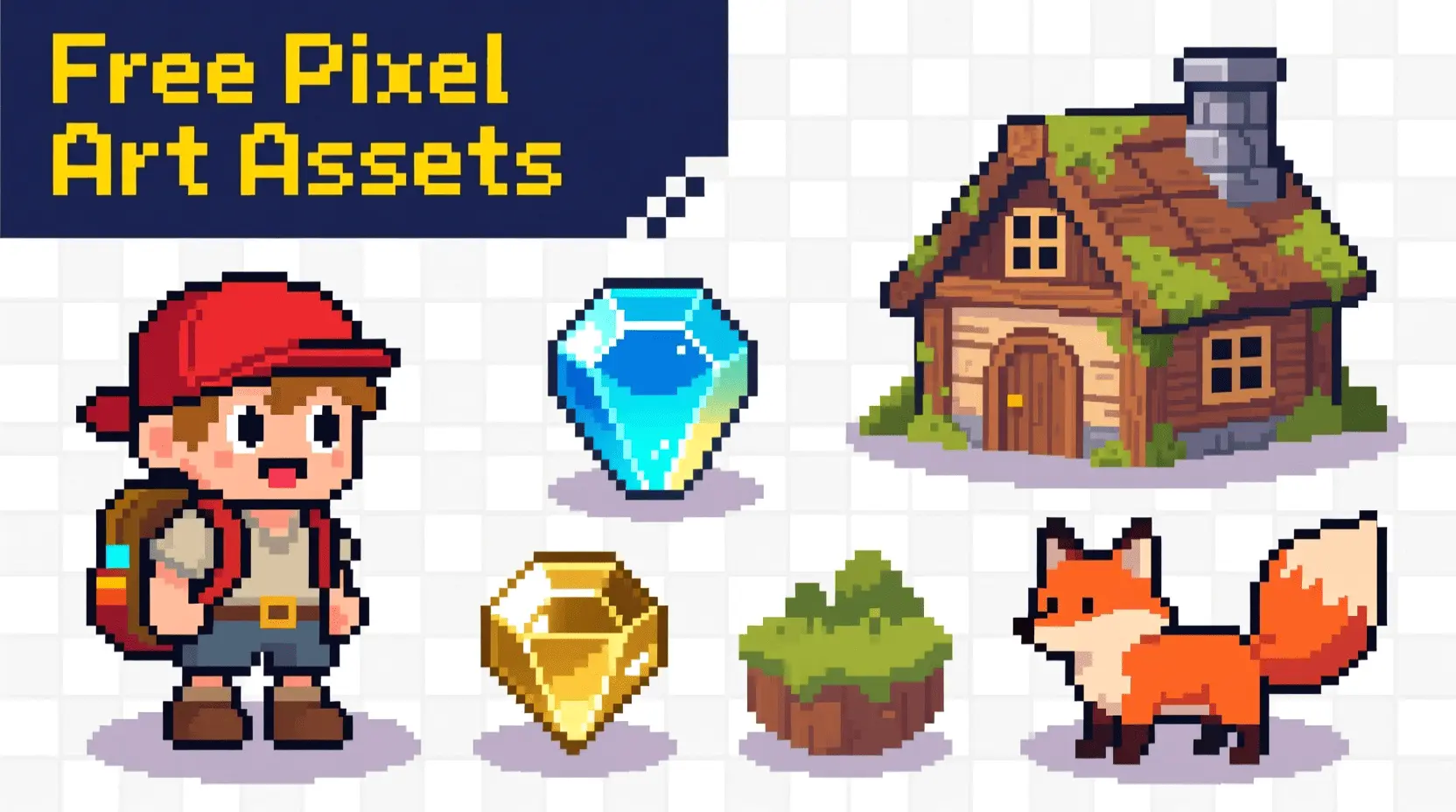
Are you intrigued by the thrilling world of game creation? Whether you’re an aspiring developer or a hobbyist, diving into game development for beginners is a rewarding journey that sparks both creativity and technology. Creating games at home empowers you to bring your unique ideas to life while mastering valuable skills in coding, design, and storytelling. One cornerstone of good game development is having access to quality assets, which is why leveraging Free Pixel Art Assets can provide a significant boost to your project without breaking the bank.
Materials & Supplies
- Computer: The foundation for any game development task. Choose a system that meets the minimum requirements of your selected game engine and design software.
- Game Engine: Popular choices include Game Development with Unity and Unreal Engine. These tools provide the coding, physics, and rendering environments needed to build games.
- Code Editor: Software like Visual Studio Code or Sublime Text facilitates writing clean, readable code.
- Graphics Software: Programs such as Aseprite, GIMP, or Photoshop are essential for creating and editing pixel art assets.
- Audio Tools: Audacity or GarageBand help you design sound effects and music that enhance gameplay.
- Input Device: Having a reliable Mechanical Gaming Keyboard can significantly improve your coding efficiency and comfort.
- Optional Free Alternatives: Godot Engine for game development, Piskel for pixel art creation, and open-source audio tools to keep expenses low without sacrificing quality.
Timing / Development Schedule
Designing and launching a game is a stepwise process that typically spans several weeks to months:
- Week 1-2 – Concept & Planning: Define your game idea, genre, mechanics, and target audience.
- Week 3-5 – Asset Creation & Coding: Develop pixel art, script gameplay logic, and integrate assets.
- Week 6 – Testing: Conduct playtests to identify bugs and gather feedback.
- Week 7 – Revisions & Polish: Fix issues and improve visuals or controls based on testers’ input.
- Week 8 – Publishing: Package and release your game on platforms such as itch.io or Steam.
Begin with manageable goals; a simple 2D project is ideal for your first foray. As experience grows, expand scope and complexity.
Step-by-Step Instructions
- Start with an Idea: Choose a straightforward concept like a platformer or puzzle game.
- Create or Download Free Pixel Art Assets: Utilize pixel art packs tailored for beginners to avoid design delays.
- Set Up Your Game Engine: Import assets and configure project settings in Unity or Godot.
- Code Basic Mechanics: Implement player movement, scoring, and simple AI using tutorials from official docs or video lessons.
- Test Frequently: Play your game often to catch bugs early and improve user experience.
- Refine & Expand: Add levels, power-ups, and sound effects progressively while maintaining code clarity.
- Deploy Your Game: Export builds for your target platforms and consider beta testing with friends or an online community.
Advantages of Learning Game Development
- Creativity Boost: Design unique worlds, characters, and stories.
- Problem-Solving Skills: Overcome technical challenges through logical thinking.
- Logical Thinking: Structure your code and systems efficiently.
- Teamwork Opportunities: Collaborate with artists, designers, and programmers.
- Career Potential: Develop a portfolio that can lead to jobs in the growing game industry.
Building games at home is an excellent mix of artistic and technical skill enhancement, making it a versatile hobby or career path.
Tips, Alternative Methods, or Development Advice
- Start with 2D games before trying 3D to simplify learning curves.
- Explore visual scripting tools like Scratch or Godot’s visual scripting to ease coding complexity.
- Collaborate online via forums and communities for shared progress and motivation.
- If hardware is limited, focus on lightweight engines or use cloud-based solutions.
- Regularly consume tutorials and participate in game jams to sharpen skills.
Common Mistakes to Avoid
- Overcomplicating Projects: Keep your first game simple and scalable.
- Neglecting Testing: Playtest often to catch bugs early.
- Ignoring Player Feedback: Adapt your game according to user experience suggestions.
- Poor Time Management: Set realistic deadlines and milestones.
- Skipping Documentation: Keep notes and comments to ease future updates.
Maintenance / Update Tips
Post-release care is crucial for game longevity:
- Version Control: Use Git or similar tools to track changes and revert mistakes.
- Bug Fixes & Patches: Address issues promptly based on player reports.
- Content Updates: Add levels, features, or seasonal events to keep players engaged.
- Organized Project Flow: Maintain clean folders and backups for all assets and code.
- Gather Player Feedback: Use surveys, forums, or analytics for improvement ideas.
The Best Websites or Tools That Offer This for Free
For beginners seeking quality Free Pixel Art Assets, top websites include:
- OpenGameArt: Vast repository of free pixel art for various genres.
- Kenny.nl: Free and premium assets with clear licenses.
- Itch.io: Free asset packs provided by indie creators.
- Piskel: Free online pixel art editor with community galleries.
Steps to use these assets typically involve browsing, downloading art files, and importing them into your game engine for immediate use.
FAQs
- What programming language should I start with?
- For beginners, C# (with Unity) or GDScript (with Godot) are excellent starting points due to ease of use and community support.
- Which game engine is best for beginners?
- Unity is highly favored for beginners because of its extensive tutorials and asset store, but Godot offers a lighter, open-source alternative.
- How long does it take to make a small game?
- A simple game can take anywhere from a few weeks to a couple of months, depending on complexity and your available time.
- Do I need to know coding to start?
- No. Visual scripting tools and drag-and-drop engines allow you to create games without prior coding knowledge.
- Where can I publish my first game?
- Platforms like itch.io, Game Jolt, and Steam’s Early Access allow indie developers to share and sell games easily.
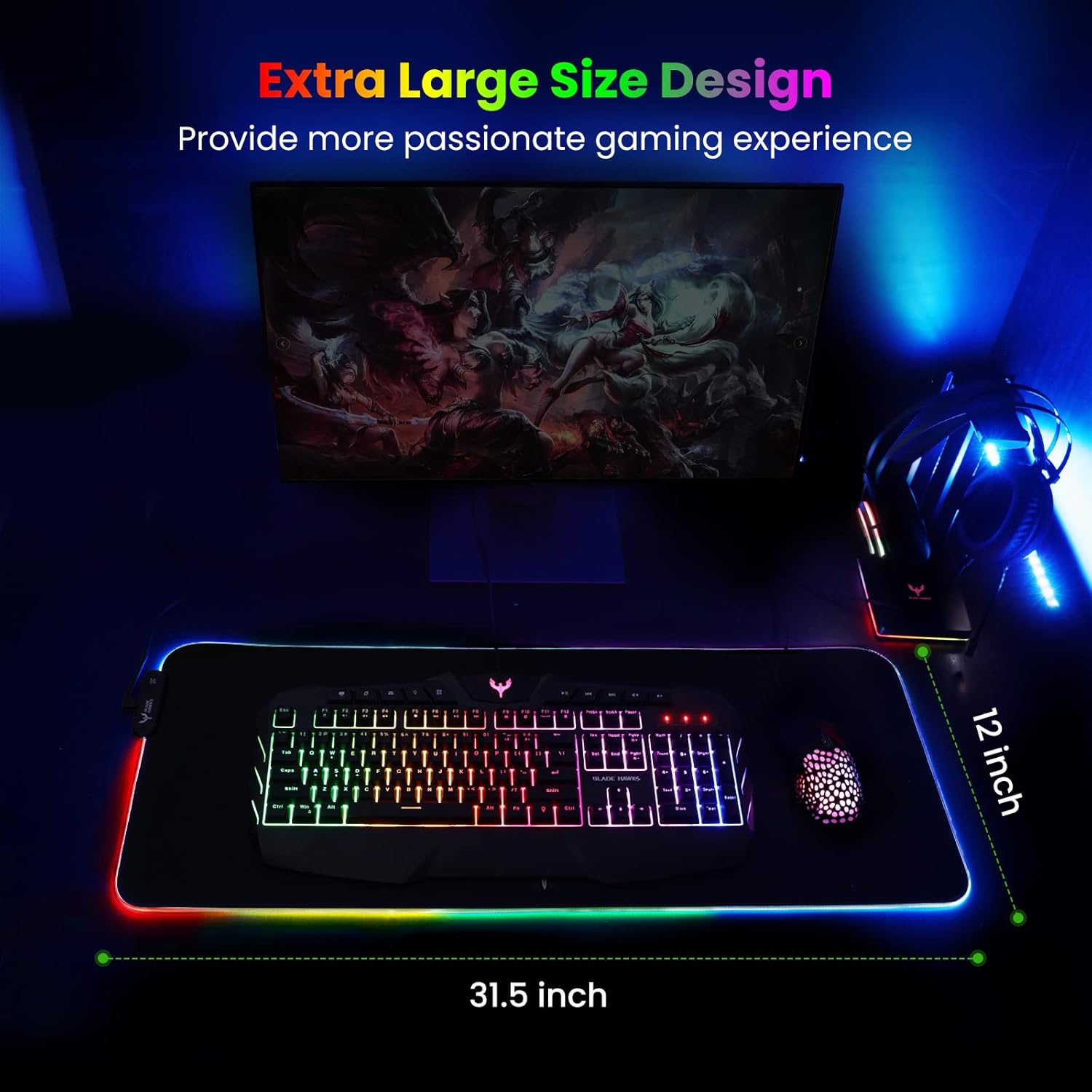
Mouse Pad
BladeHawks Extra Large RGB Gaming Mouse Pad-14 Light Modes, Extended Soft LED Mouse Pad, Anti-Slip Rubber Base, Computer Keyboard Mousepad Mat (31.5 x 12 Inch)
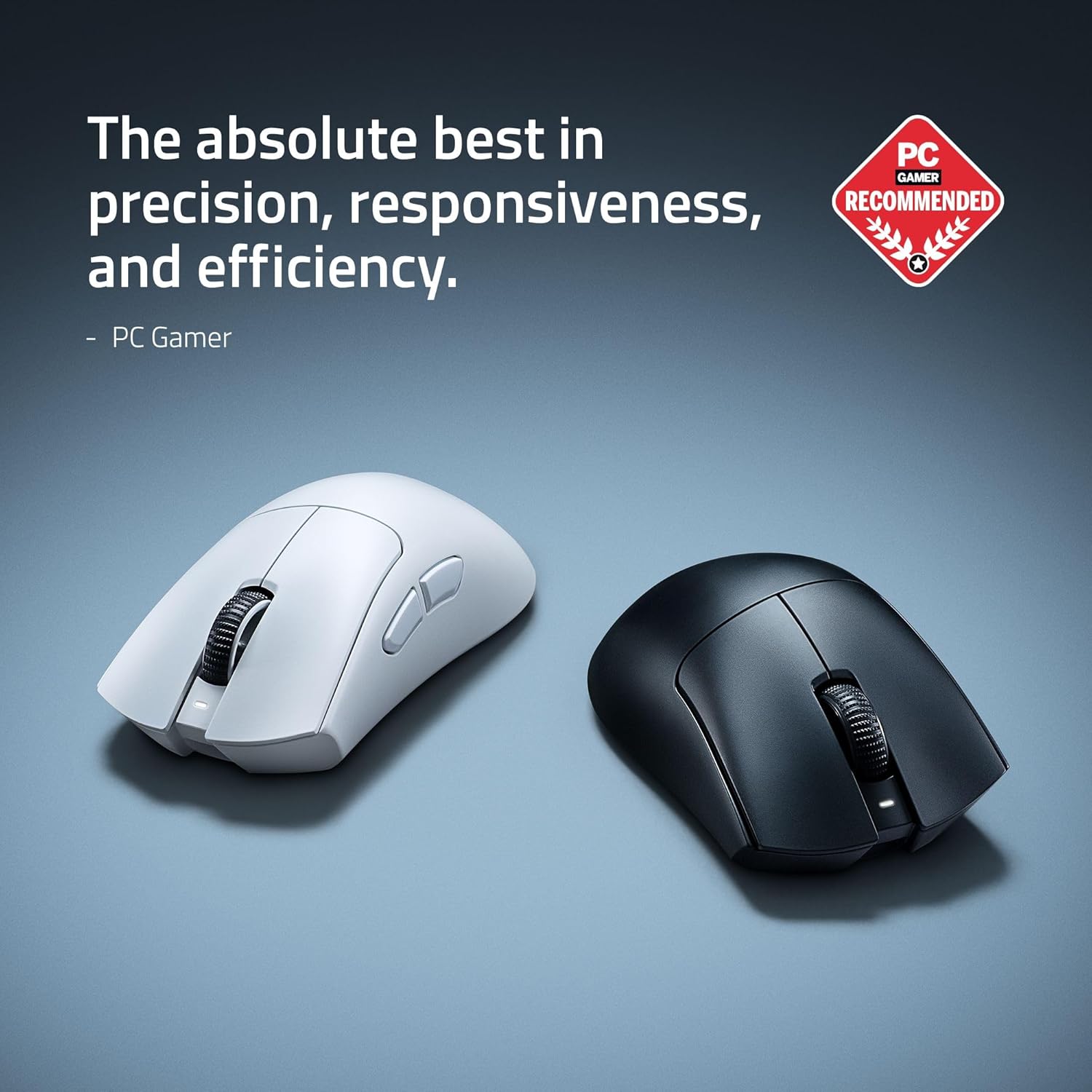
RAWM ES21 Wireless Gaming Mouse
Razer DeathAdder V4 Pro Wireless Gaming Mouse: 56g Lightweight - HyperSpeed Wireless Gen-2 - Optical Scroll Wheel - Optical Switches Gen-4 - Focus Pro 45K Sensor Gen-2 - Up to 150 Hr Battery

AULA F99 Wireless Mechanical Gaming Keyboard
AULA F99 Wireless Mechanical Keyboard,Tri-Mode BT5.0/2.4GHz/USB-C Hot Swappable Custom Keyboard,Pre-lubed Linear Switches,RGB Backlit Computer Gaming Keyboards for PC/Tablet/PS/Xbox
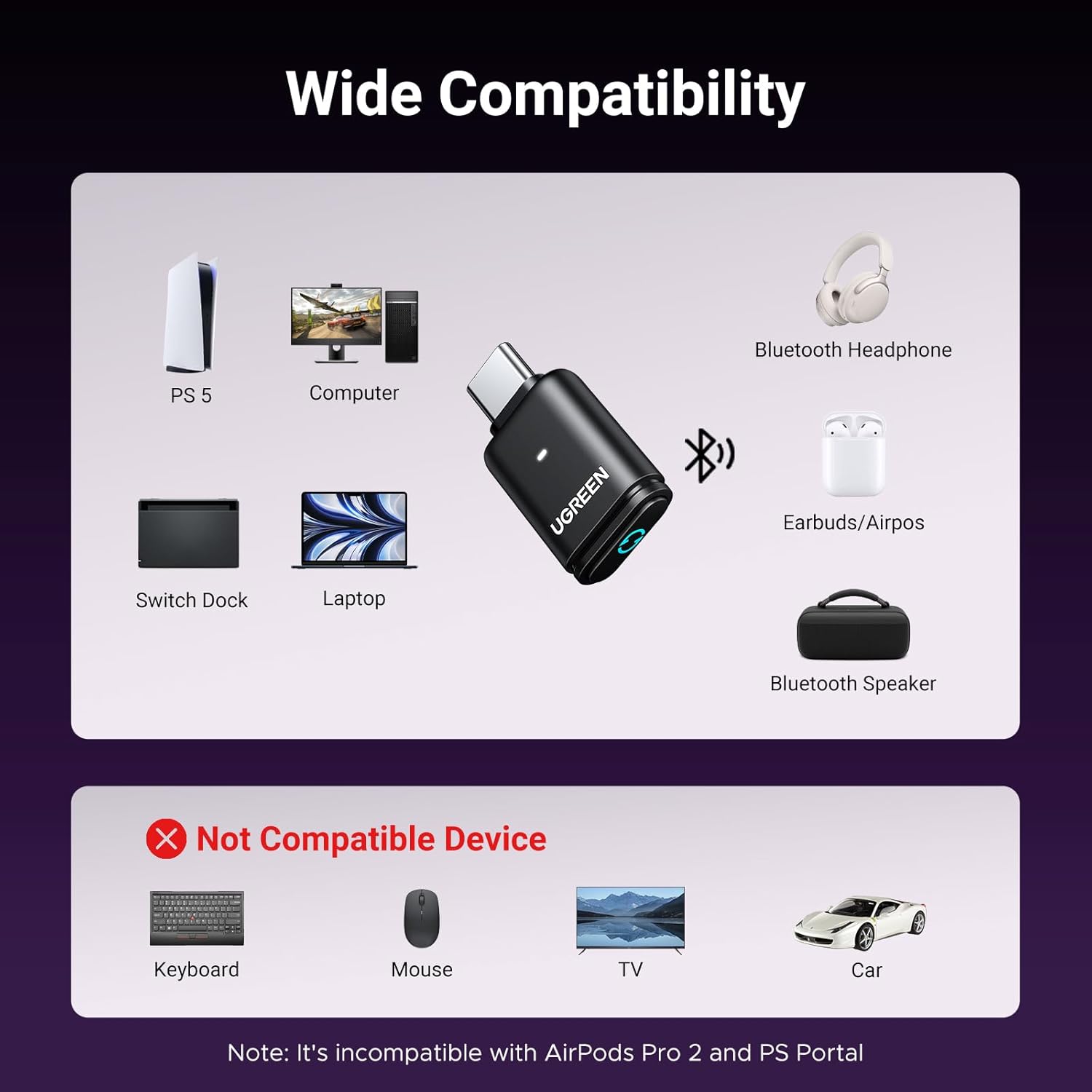
UGREEN USB-C Bluetooth Adapter for PS5
UGREEN USB-C Bluetooth Adapter for PS5, Bluetooth 5.3 Audio Adapter with APTX Low Latency & aptX-Adaptive, Wireless Audio Transmitter to Connect Wireless Headphones & Earbuds