The world of game development is continuously evolving, and physics engines—the backbone of realistic interactions in games—are no exception. As a seasoned competitive gamer and developer, I’ve observed firsthand how advancements in technology have shaped gameplay experiences. In this article, we’ll explore the future trends in game physics, what to expect in terms of technology and gameplay, and how these innovations will impact both developers and players.
The Importance of Game Physics
Before diving into future trends, it’s essential to understand the role of game physics in development. Game physics simulates real-world laws of motion and interactions, making gameplay more immersive. Players expect a level of realism, from how a character jumps to how objects collide.
For a deeper dive into these concepts, check out our related content: Game Physics: Understanding the Mechanics Behind Game Development.
Key Trends Shaping the Future of Game Physics
1. Real-Time Ray Tracing
Ray tracing has been a buzzword in graphics for some time, but its integration into physics engines is a game-changer. This technology enables realistic lighting and reflections, enhancing the immersive quality of games. By simulating how light interacts with surfaces, developers can create environments that feel alive.
For example, in games like Cyberpunk 2077, ray tracing significantly enhances visual fidelity, making reflections and shadows more lifelike. In the next few years, expect this technology to become standard, pushing the boundaries of realism.
2. Advanced Fluid Dynamics
Fluid dynamics is integral for creating realistic water and gas interactions in games. The future of game physics will see more sophisticated simulations of fluid behaviors, allowing for natural reactions to player actions and environmental changes.
Consider how Sea of Thieves uses fluid dynamics to create engaging naval combat experiences. As technology advances, we can anticipate even more intricate interactions, such as waves reacting to player movements and environmental conditions.
3. Machine Learning and AI in Physics Simulation
Artificial Intelligence (AI) and machine learning are set to revolutionize game physics. These technologies can analyze vast amounts of gameplay data to create more accurate and efficient physics simulations. For instance, AI can learn from player interactions to adjust the physics engine dynamically, providing a tailored experience.
Games like Forza Horizon 5 already utilize AI to enhance driving physics, and as these technologies mature, we can expect even more nuanced behaviors, such as realistic character movements and environmental reactions.
4. Enhanced Character Physics
Character physics deals with how characters move and interact with their environment. Future trends indicate a shift towards more realistic character animations, including ragdoll physics that respond dynamically to in-game events.
For example, the Last of Us Part II showcased impressive character physics, where characters reacted believably to impacts. Future developments may include more sophisticated muscle and tissue simulations for even greater realism.
5. Cross-Platform Physics Engines
As gaming becomes increasingly cross-platform, the need for compatible physics engines will grow. Developers will need to ensure that physics interactions are consistent across various devices, from high-end PCs to mobile devices.
Unity’s Physics engine is already a step in this direction, enabling developers to create games that feel consistent, regardless of the platform. Expect more engines to adopt this philosophy.
Implementing Future Trends: A Step-by-Step Guide
For developers looking to implement these future trends, here’s a step-by-step guide:
- Research Emerging Technologies: Stay updated on advancements in ray tracing, AI, and fluid dynamics.
- Experiment with New Tools: Try out new physics engines and tools that incorporate these technologies, such as Unreal Engine 5.
- Test Across Platforms: Ensure your game is optimized for various platforms to maintain consistent physics interactions.
- Gather Player Feedback: Use alpha and beta testing to collect feedback on physics interactions and make necessary adjustments.
- Iterate and Improve: Continuously refine your game’s physics based on player feedback and technological advancements.
Checklist for Future-Proofing Your Game Physics
- Stay informed about the latest physics technologies.
- Invest in powerful hardware to support advanced simulations.
- Collaborate with experts in AI and machine learning.
- Utilize real-time rendering techniques for enhanced visuals.
- Test your game on multiple platforms for consistency.
Conclusion
The future of game physics is bright, with numerous exciting trends on the horizon. From real-time ray tracing to advanced character dynamics, the potential for creating immersive, realistic gaming experiences is greater than ever. As a developer, embracing these technologies will not only enhance your games but also keep you competitive in the rapidly evolving gaming landscape.
As we look ahead, staying informed about these trends and continuously adapting will be key to success in the world of game development. The physics of gaming is set to evolve dramatically, and those who embrace these changes will lead the way into the future.
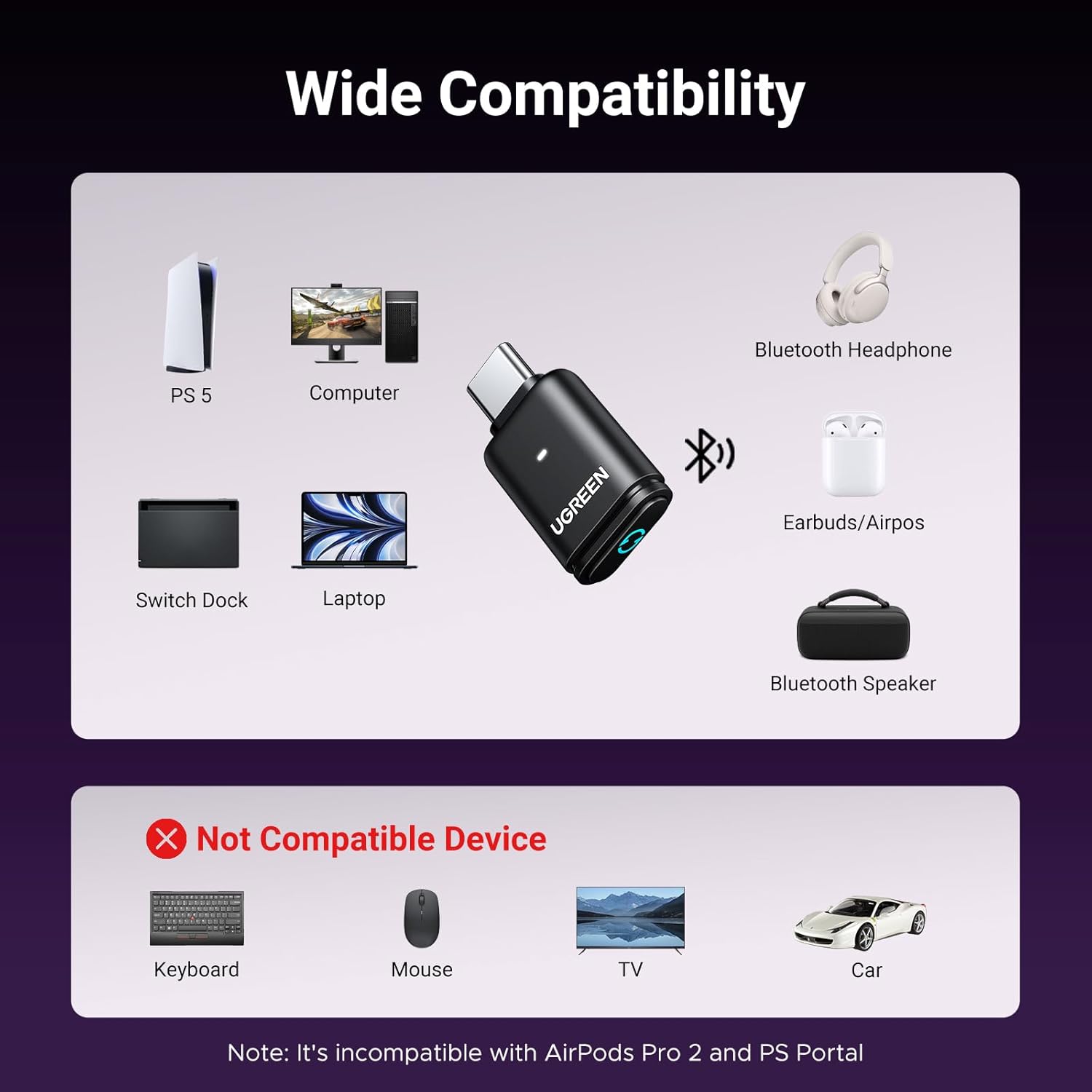
UGREEN USB-C Bluetooth Adapter for PS5
UGREEN USB-C Bluetooth Adapter for PS5, Bluetooth 5.3 Audio Adapter with APTX Low Latency & aptX-Adaptive, Wireless Audio Transmitter to Connect Wireless Headphones & Earbuds

Beats-Studio Pro Cancelling Headphones
Beats Studio Pro – Wireless Bluetooth Noise Cancelling Headphones with USB-C Charging Cable (20 cm) – Jet Black
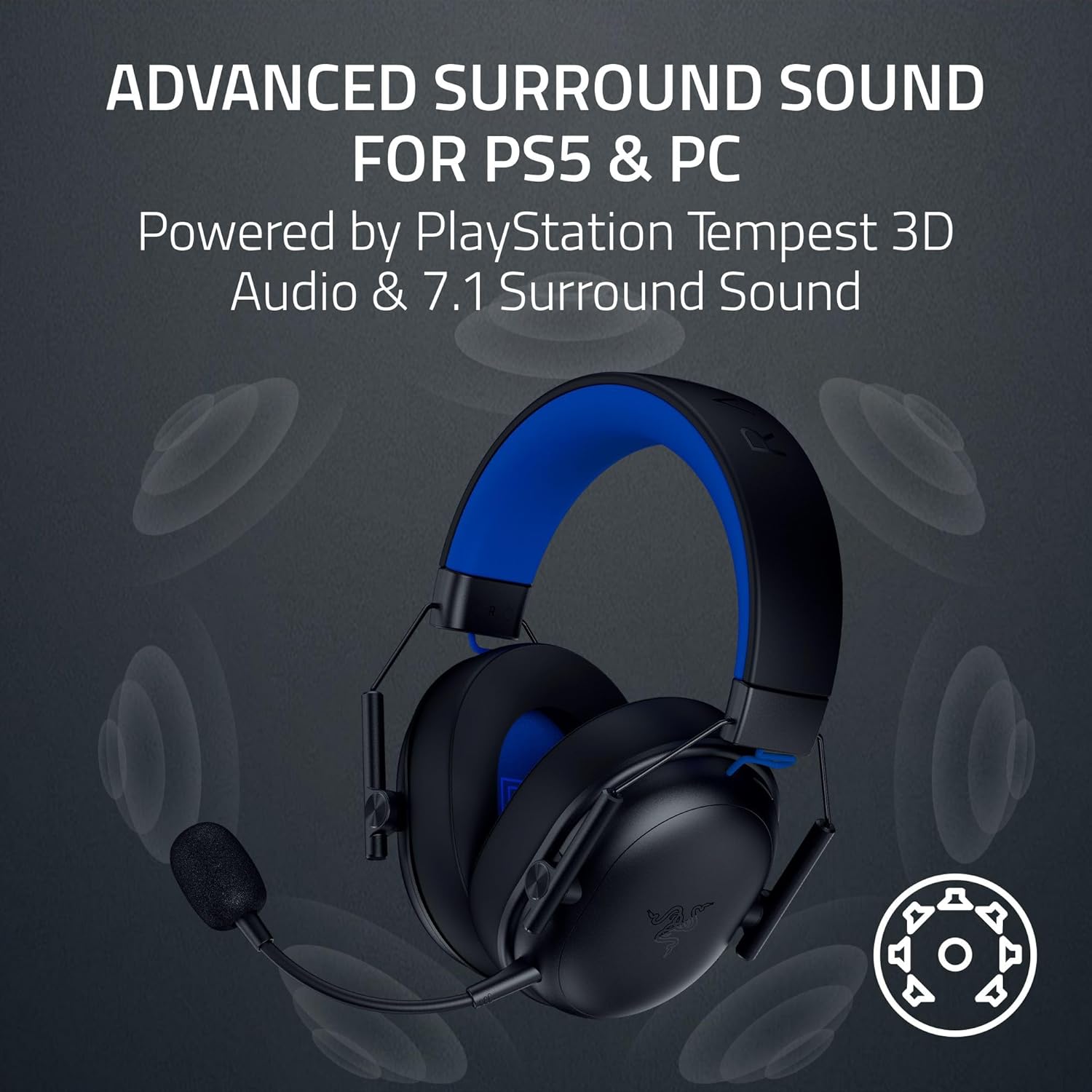
Results
Razer BlackShark V3 X HyperSpeed Wireless Gaming Headset for PS5: 50mm Drivers – Cardioid Mic – 2.4 GHz, Bluetooth – Works with PC, Mac, Nintendo Switch, Smartphone – Long Battery Life – Black
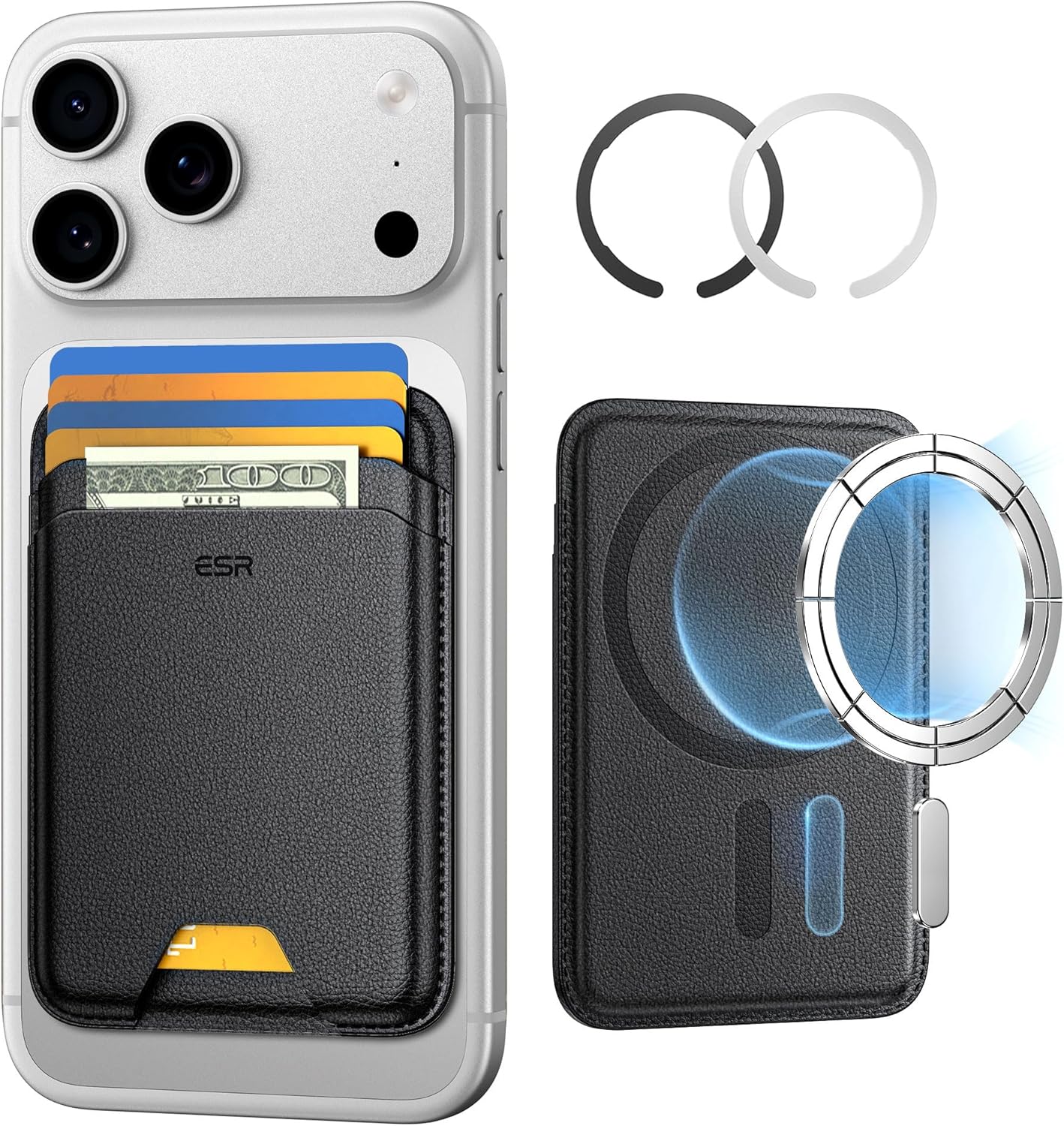
ESR for MagSafe Wallet
ESR for MagSafe Wallet, 5-Card Holder With RFID Blocking, MagSafe Sticker Included, Slim Magnetic Wallet for iPhone 17/16/15/14/13/12 Series and Selected Samsung Devices, Not for 13/12 Mini, Black

Logitech G
Logitech G PRO X SUPERLIGHT 2 Wireless Gaming Mouse

beyerdynamic DT 770 PRO 80 Ohm Over-Ear Studio Headphones in Gray
beyerdynamic DT 770 PRO 80 Ohm Over-Ear Studio Headphones in Gray. Enclosed Design, Wired for Professional Recording and Monitoring