
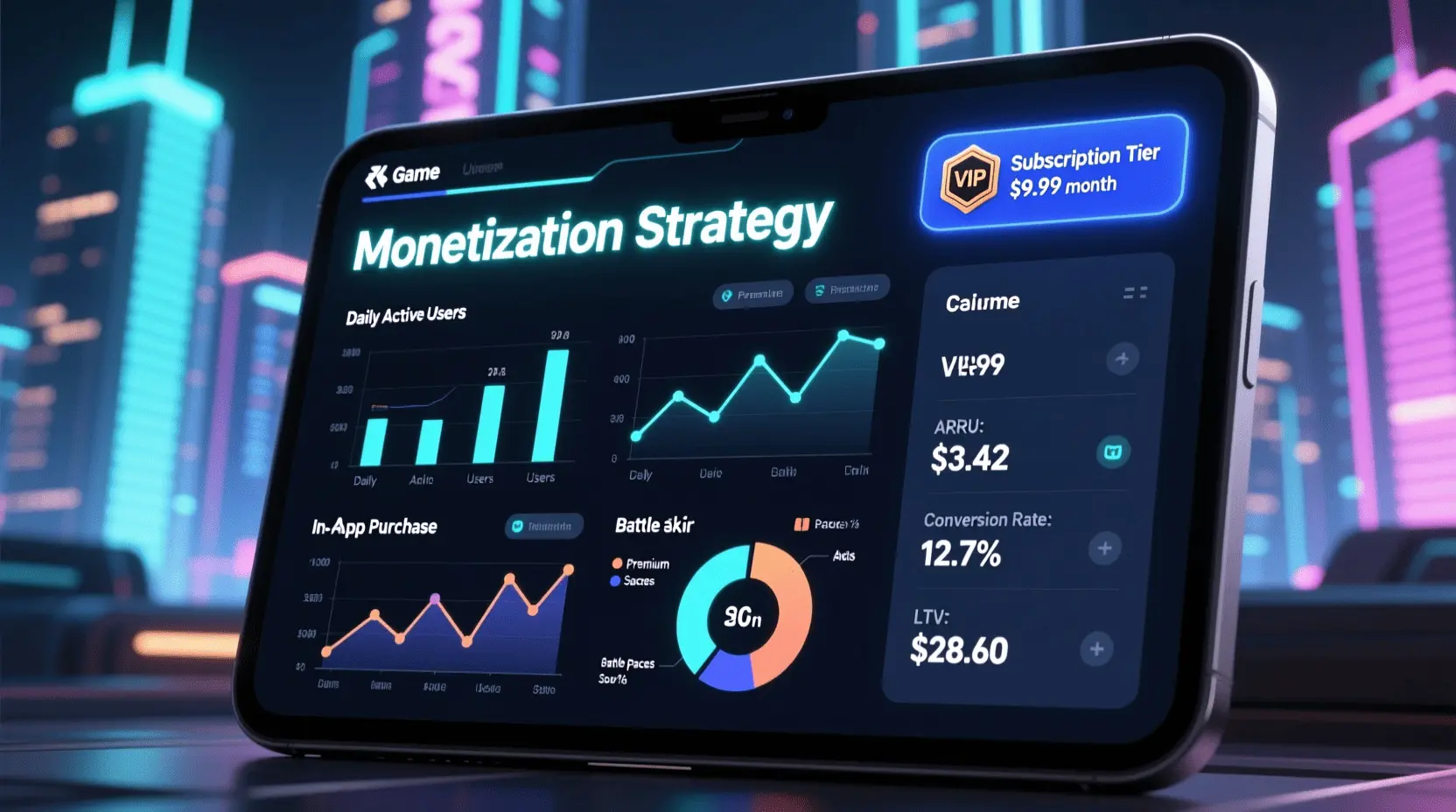
In the dynamic world of interactive entertainment, passion for creating captivating experiences often intertwines with the practical need for sustainable revenue. While the art of game development for beginners focuses on bringing virtual worlds to life, understanding how to monetize these creations is equally crucial for long-term success. Every aspiring and established developer dreams of building games that not only resonate with players but also generate a fair return. Today, we’ll dive into the fascinating world of game monetization example, exploring real-life success stories that showcase diverse strategies and inspire future innovations.
Understanding the Landscape of Game Monetization
Just as a carpenter needs a variety of tools, game developers need a robust understanding of different monetization models. These aren’t just “ways to make money”; they are fundamental design choices that shape the player experience. From premium purchases to in app subscriptions, the “materials” of monetization are varied.
- Premium Model: Players pay upfront to own the game (e.g., The Witcher 3, Cyberpunk 2077). This offers a clean, one-time transaction.
- Free-to-Play (F2P) with In-App Purchases (IAPs): The game is free to download, but revenue comes from optional in-game items, cosmetics, or boosts (e.g., Fortnite, Genshin Impact).
- Subscription Model: Players pay a recurring fee for access to the game or premium content (e.g., World of Warcraft, Xbox Game Pass).
- Ad Monetization: Games are free, and revenue is generated through in game advertisements (e.g., many hyper casual mobile games).
- Battle Pass/Season Pass: A hybrid model, often F2P, where players can purchase a pass to unlock additional rewards over a season (e.g., Call of Duty Mobile).
The Monetization Journey: From Concept to Revenue
Strategic monetization isn’t an afterthought; it’s an integral part of the game development lifecycle. Like planning a project schedule, thinking about revenue generation starts early.
- Concept & Design: Decide on the core monetization model based on your game’s genre, target audience, and long term vision. Is it a premium narrative experience or a competitive F2P title?
- Integration & Implementation: Carefully weave monetization mechanics into the gameplay loop. For instance, if using IAPs, ensure they enhance, rather than detract from, the player experience.
- Testing & Balancing: Rigorously test monetization features to ensure they are fair, enjoyable, and effective. Avoid “pay to win” mechanics that alienate players.
- Launch & Optimization: Post launch, continuously monitor performance, collect data, and iterate on your monetization strategy.
Real-Life Game Monetization Examples
Let’s explore some impactful game monetization example success stories:
- Fortnite (Epic Games) – F2P with Cosmetic IAPs & Battle Pass: Fortnite mastered the art of non pay to win monetization. Players can download and play for free, but customization through character skins, emotes, and pickaxes creates a massive revenue stream. The seasonal Battle Pass encourages continued engagement and spending for exclusive content, proving that players are willing to pay for self-expression and progression.
- Genshin Impact (miHoYo) – Gacha Mechanics & F2P: This action RPG combines stunning open world exploration with a “gacha” (loot box) system for acquiring new characters and weapons. While the core game is free, the desire for specific, powerful, or rare characters drives significant spending from dedicated fans. It’s a sophisticated psychological model that leverages collection desire.
- Minecraft (Mojang/Microsoft) – Premium Purchase & Marketplace: Initially a premium PC game, Minecraft expanded its monetization by introducing a console/mobile version, a thriving in-game marketplace for user created content (skins, worlds, texture packs), and a subscription service (Realms) for persistent multiplayer servers. This layered approach appeals to various player segments.
- Clash of Clans (Supercell) – F2P with Boosts & Time Savers: This mobile strategy game is a classic game monetization example. Players build bases, train troops, and battle others. While everything can be earned through gameplay, IAPs offer boosts to speed up building times, resource generation, or troop training, appealing to players with limited time but disposable income.
Benefits of Strategic Monetization
Implementing a thoughtful monetization strategy offers numerous advantages:
- Financial Sustainability: Ensures resources for continued development, updates, and future projects.
- Player Choice: Well-designed monetization can offer players choices in how they experience the game (e.g., paying for convenience vs. grinding).
- Enhanced Experience: Revenue can fund richer content, better servers, and more engaging features.
- Team Growth: Sustainable income allows developers to hire talented artists, programmers, and designers. Behind every successful game monetization example is a team of dedicated developers, often spending hours perfecting code and analyzing player data. Tools that enhance their productivity, like a high quality Programing Mouse Pad for Visual Studio or a Visual Studio Code Shortcuts Mouse Pad, can be invaluable in streamlining their workflow, allowing them to focus more on strategic implementation rather than minor coding inefficiencies.
Tips for Effective Game Monetization
- Understand Your Audience: Different demographics respond to different models.
- Prioritize Player Value: Ensure that what players pay for feels valuable and fair.
- Integrate Naturally: Monetization should complement gameplay, not interrupt it.
- Transparency: Be clear about what players are purchasing.
- A/B Test: Experiment with different pricing and offerings to find what works best.
Common Monetization Pitfalls to Avoid
- “Pay-to-Win” Mechanics: This quickly alienates players and can destroy a game’s reputation.
- Over-Monetization: Too many ads, too many IAPs, or aggressive selling can drive players away.
- Ignoring Feedback: Players will tell you if your monetization feels unfair or predatory. Listen to them.
- Poor Value Proposition: If players don’t feel what they’re paying for is worth it, they won’t spend.
Post-Launch Monetization Optimization
Monetization isn’t a “set it and forget it” task. After launch, continuous monitoring and iteration are key:
- Data Analysis: Track player spending habits, conversion rates, and churn. Understand why players spend (or don’t).
- Content Updates: Regularly introduce new cosmetic items, Battle Passes, or premium content to keep players engaged and spending.
- Seasonal Events: Leverage holidays or special events with limited-time offers and bundles.
- Community Engagement: Engage with your player base to understand their desires and concerns regarding monetization.
Conclusion
The journey from a game concept to a financially sustainable product is complex, but understanding and implementing effective monetization strategies is a powerful lever for success. Every game monetization example we’ve discussed highlights the importance of creativity, player empathy, and data-driven decisions. Whether you’re a beginner exploring game development or an experienced studio, remember that thoughtful monetization supports the creation of more incredible gaming experiences for everyone. Start small, learn from the best, and always prioritize player value. What monetization strategies have you found most compelling? Share your thoughts and connect with our community!
FAQs
Q: What is the most profitable game monetization strategy?
A: There’s no single “most profitable” strategy; it depends on the game genre, audience, and execution. Free-to-play games with well-designed in-app purchases (IAPs) and gacha mechanics (like Genshin Impact) can generate immense revenue, but premium games also have significant success.
Q: How do hyper-casual mobile games make money?
A: Hyper-casual games primarily rely on ad monetization, showing interstitial, rewarded, and banner ads to players. Some also include minimal IAPs for ad removal.
Q: Can indie games use free-to-play monetization successfully?
A: Yes, but it requires careful design. Indie developers often find success with premium models or free demos with a paid full version, as F2P with IAPs demands significant content updates and live operations expertise.
Q: What is a “whale” in game monetization?
A: A “whale” is a term for a small percentage of players who spend a disproportionately large amount of money in free-to-play games. Many F2P models are designed to cater to and retain these high-spending individuals.
Q: Should I include monetization in my game from the start of development?
A: It’s crucial to consider monetization early in the design phase, as it impacts core gameplay. However, the actual implementation details can be refined as development progresses, ensuring they align with the player experience.
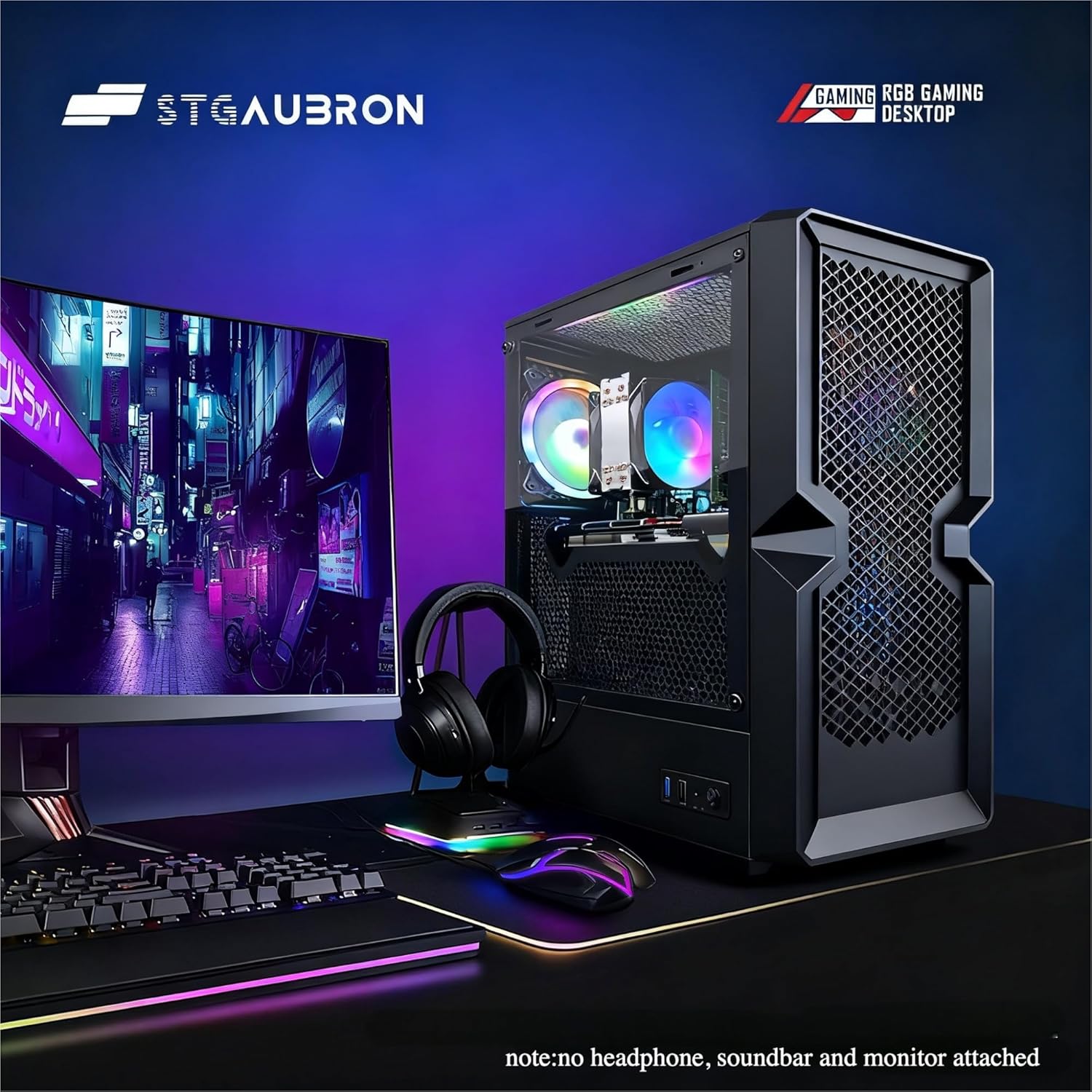
STGAubron Gaming PC Desktop
STGAubron Gaming PC Desktop Computer, Intel Core i5 up to 3.6G, Radeon RX 590 8G, 16GB RAM, 1TB SSD, 600M WiFi, BT 5.0, RGB Fan x3, Windows 11 Home

Gaming Keyboard and Mouse and Mouse pad and Gaming Headset, Wired LED RGB Backlight Bundle
Gaming Keyboard and Mouse and Mouse pad and Gaming Headset, Wired LED RGB Backlight Bundle for PC Gamers and Xbox and PS4 Users - 4 in 1 Edition Hornet RX-250

Panvola
Panvola Debugging Definition Computer Programmer Student Teacher Geek Coder Tech Support Programming IT Insulated Coffee Mug with Handle and Lid Camping Travel Thermal Mugs 14 oz Black

ESR for MagSafe Wallet
ESR for MagSafe Wallet, 5-Card Holder With RFID Blocking, MagSafe Sticker Included, Slim Magnetic Wallet for iPhone 17/16/15/14/13/12 Series and Selected Samsung Devices, Not for 13/12 Mini, Black