
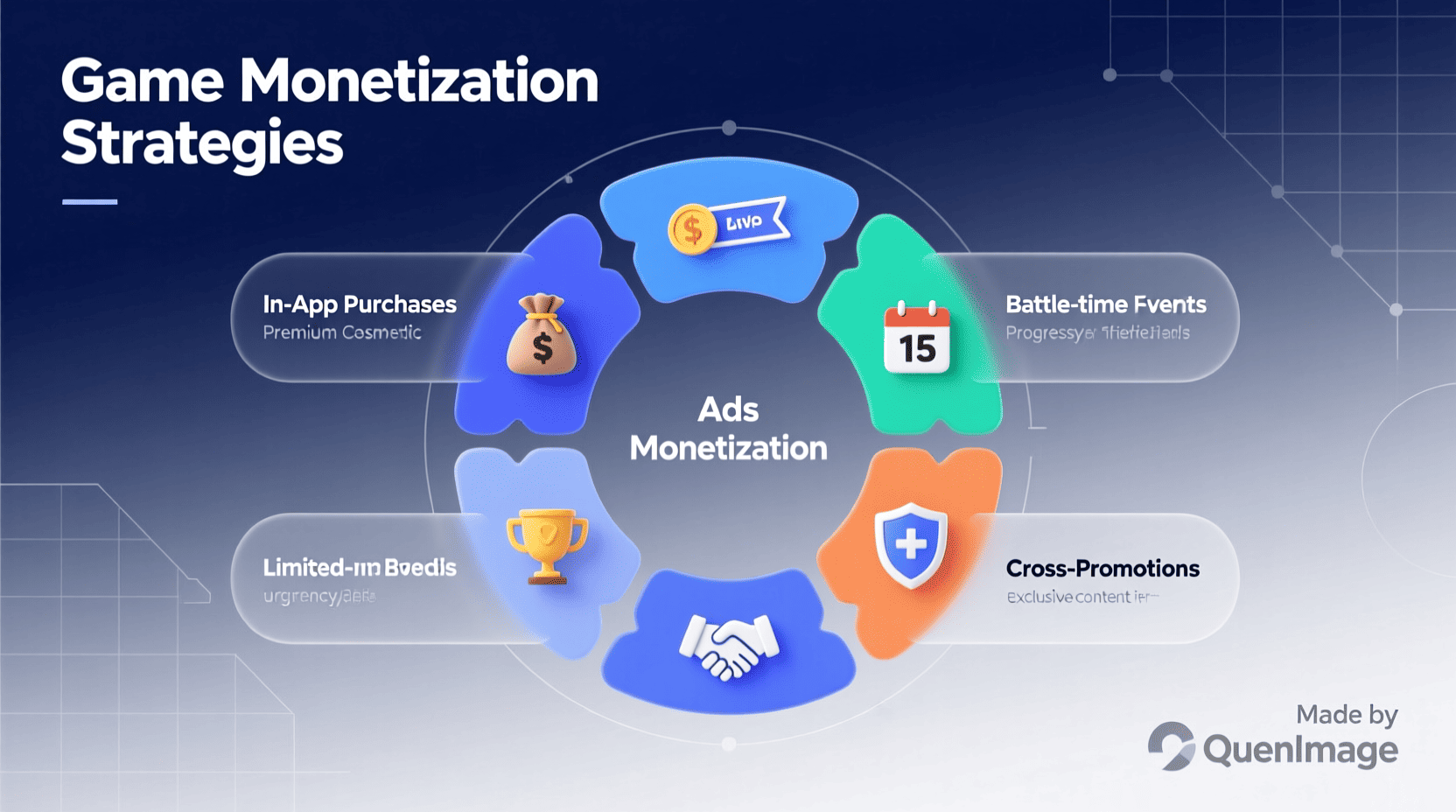
Are you a game developer pouring your heart and soul into creating captivating worlds and engaging mechanics? The thrill of development is undeniable, but what about sustaining that passion and turning it into a thriving venture? Understanding effective game monetization strategies is no longer optional; it’s fundamental to your game’s longevity and your financial success. In today’s competitive gaming landscape, simply launching a great game isn’t enough. You need a data driven approach to generate sustainable revenue, ensuring your creations not only reach players but also allow you to continue innovating. Let’s dive deep into how you can optimize your earning potential and build a robust financial framework for your games.
Tools and Analytics for Monetization Success
Successful game monetization isn’t just about picking a model; it’s about the right tools and data. You’ll need robust analytics platforms (e.g., Firebase, Unity Analytics, GameAnalytics) to track key performance indicators (KPIs) like ARPU (Average Revenue Per User), LTV (Lifetime Value), retention rates, and conversion funnels. For integrating various monetization methods, understanding SDKs for in app purchases (IAPs), ad networks (AdMob, ironSource), and subscription services is crucial. A powerful backend infrastructure is also essential for managing player data, payment processing, and virtual economies. Don’t forget productivity tools for your development environment; a reliable setup for coding and debugging can streamline the integration of monetization features.
Monetization Strategy Timeline: From Concept to Optimization
Implementing effective game monetization strategies is a phased journey, not a one off event. It begins during the game’s conceptualization, where you identify your target audience and suitable monetization models.
The pre-production phase involves detailed planning of your game economy, virtual goods, and ad placements.
During development, these strategies are integrated into the game’s core loop, requiring careful coding and UI/UX design.
The launch phase is critical, monitoring initial performance and gathering player feedback.
Post-launch, a continuous optimization phase is vital, involving A/B testing different pricing structures, ad frequencies, and promotional offers to maximize revenue without compromising player experience. This iterative cycle ensures your monetization evolves with your game and player base.
Implementing Your Game Monetization Strategies: A Step-by-Step Guide
Successfully integrating game monetization strategies requires a methodical approach.
- Define Your Target Audience: Who are your players? Their demographics, preferences, and spending habits will dictate the most appropriate models.
- Choose Your Core Model(s): Decide between free-to-play (F2P) with IAPs, premium (paid), subscriptions, or ad-supported, or a hybrid.
- Design a Fair Game Economy: If using IAPs, ensure purchases feel valuable but never “pay-to-win.” Balance virtual currency sinks and sources.
- Integrate Monetization Features: Carefully implement SDKs for IAPs, ads, or subscription services. Ensure seamless user experience.
- Test Extensively: Conduct internal and external beta tests. A/B test different ad placements, pricing points, and bundle offers to find the sweet spot.
- Analyze and Iterate: Use analytics to track revenue, player engagement, and churn. Be prepared to adjust your strategy based on data. Small, actionable changes can lead to significant revenue increases.
The Strategic Advantages of Robust Game Monetization Strategies
Adopting well-thought-out game monetization strategies offers numerous benefits beyond just earning money. It provides a sustainable revenue stream, allowing you to fund future updates, new content, and even entirely new projects. It enhances player value by offering optional content, personalization, and ways to support their favorite game. Effective monetization contributes to market longevity, enabling your game to remain relevant and competitive for longer periods. Furthermore, understanding player spending habits through monetization data can provide invaluable insights into player preferences, helping you refine gameplay and design choices, ultimately leading to better games and a stronger studio reputation.
Advanced Tips & Alternative Approaches for Game Monetization
Beyond the standard models, consider innovative monetization tactics. Dynamic pricing, for instance, can adjust based on regional economies or individual player behavior. Cross-promotion with other games or brands can expose your game to new audiences while generating ad revenue. Event based monetization, tied to seasonal or in-game events, creates urgency and excitement for limited-time offers. Explore battle passes or tiered subscription models that offer consistent value. For developers looking to optimize their workflow and streamline coding for complex monetization integrations, using a Programing Mouse Pad for Visual Studio or a Visual Studio Code Shortcuts Mouse Pad can significantly boost productivity by having common commands readily available, allowing more focus on the monetization logic itself.
Common Pitfalls in Game Monetization (and How to Avoid Them)
Navigating game monetization strategies effectively means sidestepping common mistakes.
Overly Aggressive Monetization: Forcing ads or “pay to win” mechanics alienates players, leading to poor reviews and churn. Solution: Prioritize player experience and value.
Neglecting Analytics: Launching without proper tracking means flying blind. Solution: Implement comprehensive analytics from day one and regularly review KPIs.
Ignoring Player Feedback: Players often reveal what they value (and what they dislike). Solution: Actively solicit feedback and adapt your strategy accordingly.
Poor Pricing Strategy: Undervalued or overpriced items won’t convert. Solution: A/B test different price points and bundles, and research market benchmarks.
Lack of Content Updates: Monetization tied to static content eventually dries up. Solution: Plan a robust content roadmap to keep players engaged and willing to spend.
Sustaining Revenue: Post-Launch Monetization Maintenance & Optimization
Launching your game is just the beginning. Sustaining revenue requires continuous effort. Regularly analyze your data to identify trends, potential issues, or new opportunities. A/B test small changes to IAP offers, ad placements, or subscription benefits to continually optimize. Keep content fresh with regular updates, seasonal events, and new cosmetic items, tying them into your monetization strategy. Pay close attention to player feedback on social media and forums it’s a goldmine for understanding player sentiment and identifying areas for improvement or new monetization ideas. Implement version control for all your monetization backend and game client updates to ensure smooth rollouts and quick rollbacks if issues arise.
Conclusion
Mastering game monetization strategies is an art and a science, blending creative design with data driven decisions. By choosing appropriate models, integrating them thoughtfully, and continuously optimizing based on player feedback and analytics, you can transform your passion into a sustainable career. Remember to always prioritize the player experience; ethical and fair monetization builds trust and fosters a loyal community. Start small, experiment, and don’t be afraid to iterate.
FAQs
What is the best monetization model for my game?
There’s no single “best” model. It depends on your game genre, target audience, and content. Free to play with in-app purchases often works for mobile, while premium models suit specific PC/console titles.
How can I monetize my free to play game?
Common methods include in app purchases (cosmetics, convenience items, battle passes), in game advertisements (rewarded video, interstitial), and optional subscriptions.
When should I start thinking about monetization?
Monetization should be considered during the very early design phase of your game, as it significantly impacts game mechanics, economy, and overall player experience.
Can I use multiple monetization strategies?
Yes, hybrid models combining IAPs and ads, or subscriptions with cosmetic purchases, are very common and can be highly effective when balanced correctly.
How important is player feedback for monetization?
Extremely important! Player feedback helps you understand what players value, what they find fair, and what might be perceived as exploitative, guiding your adjustments for optimal, player friendly monetization.
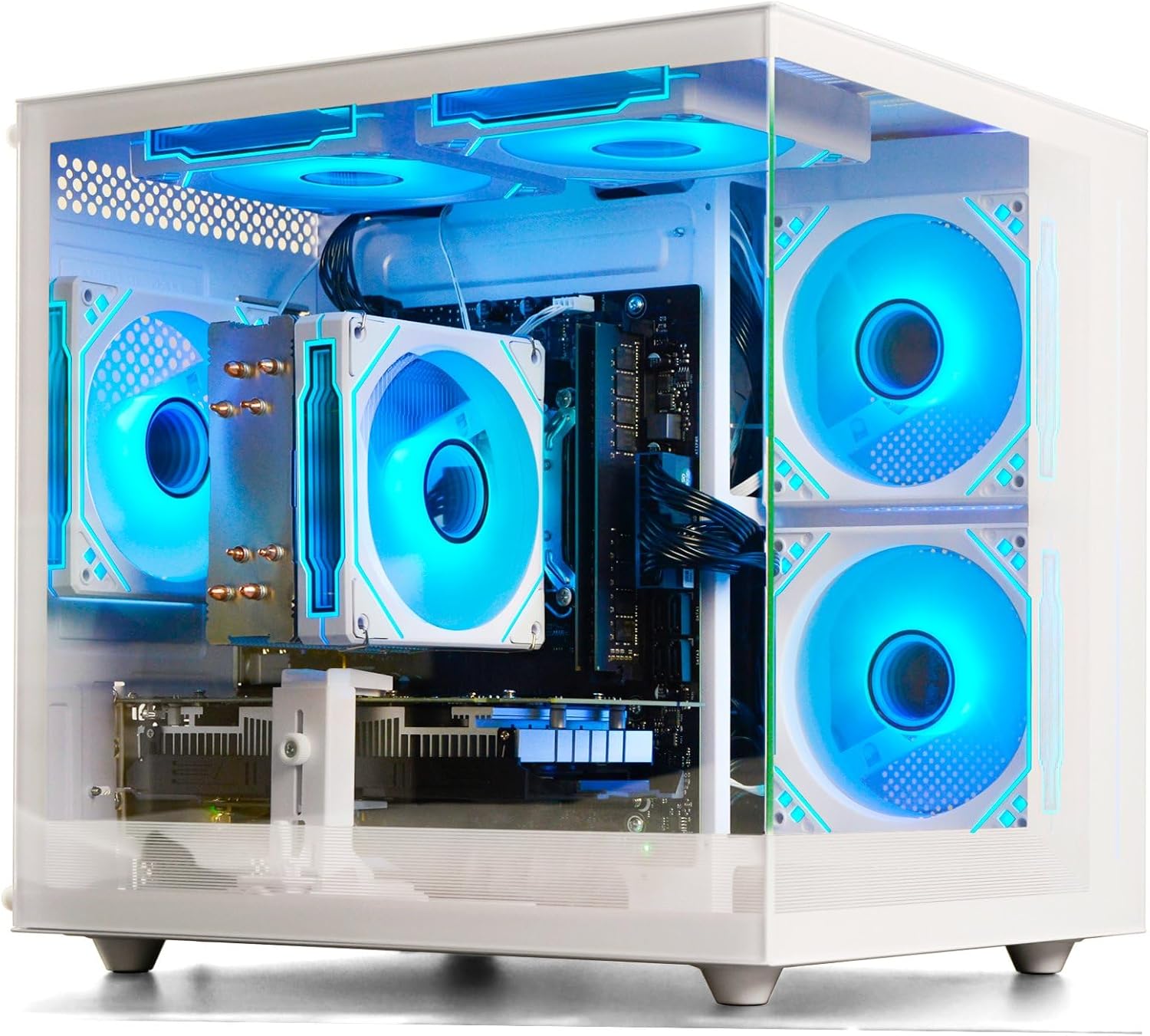
Prebuilt Gaming Desktop Computer
Prebuilt Gaming Desktop Computer | 16G Memory | 512G SSD | AMD Ryzen5 6Cores 3.6G Up to 4.1G | RX 560 4G Graphics Card | Wi-Fi 6 | Gamer PC White
Results
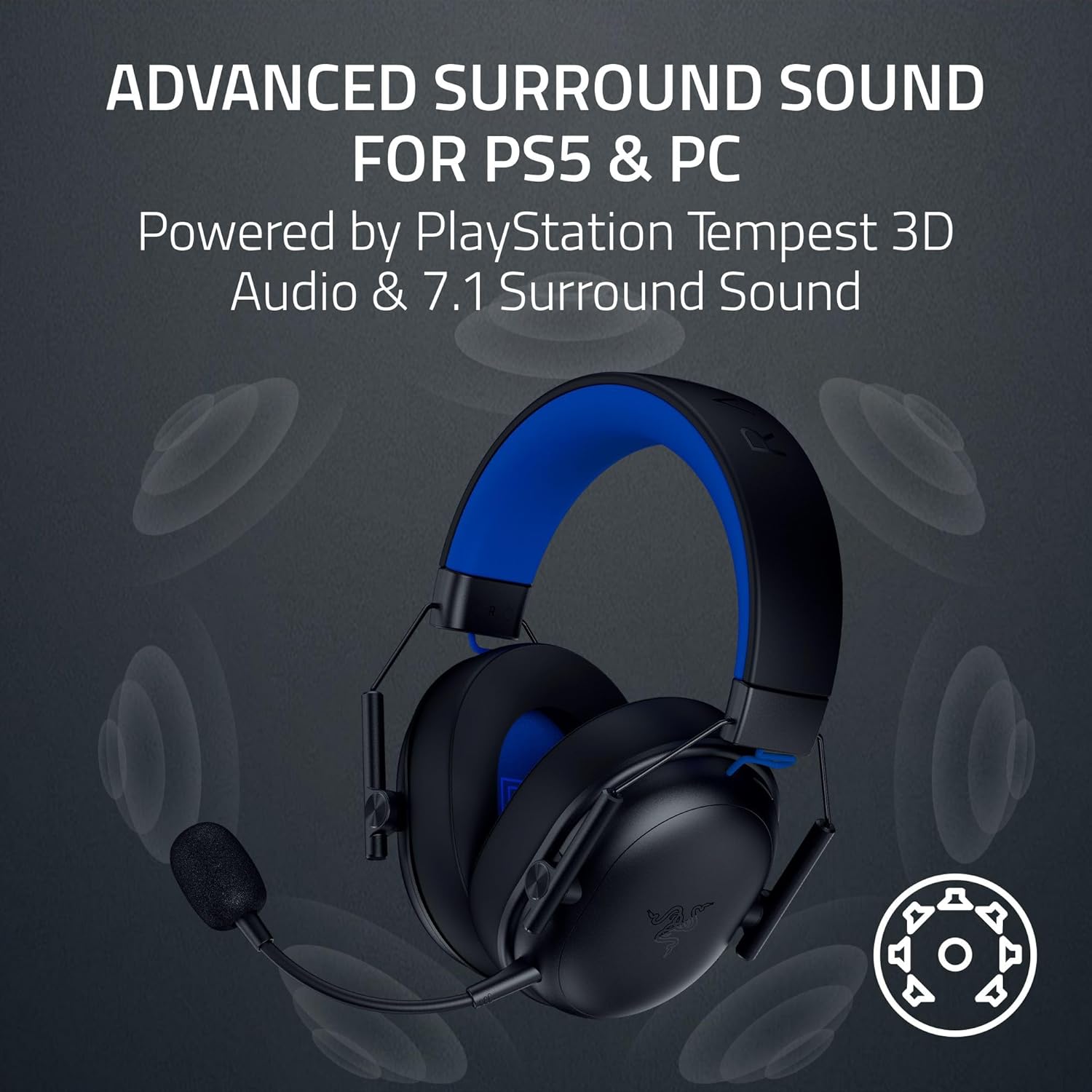
Razer BlackShark V3 X HyperSpeed Wireless Gaming Headset for PS5: 50mm Drivers - Cardioid Mic - 2.4 GHz, Bluetooth - Works with PC, Mac, Nintendo Switch, Smartphone - Long Battery Life - Black

Gaming Keyboard and Mouse and Mouse pad and Gaming Headset, Wired LED RGB Backlight Bundle
Gaming Keyboard and Mouse and Mouse pad and Gaming Headset, Wired LED RGB Backlight Bundle for PC Gamers and Xbox and PS4 Users - 4 in 1 Edition Hornet RX-250

NUBWO U3 Gaming Headset
NUBWO U3 Gaming Headset with Microphone, Safe Volume Limited, Kids Headphones for Switch, Super Lightweight, Rich Sound, 3.5mm Jack for NS, PS4, PS5, Xbox, Tablet, iPad Computer, Red