
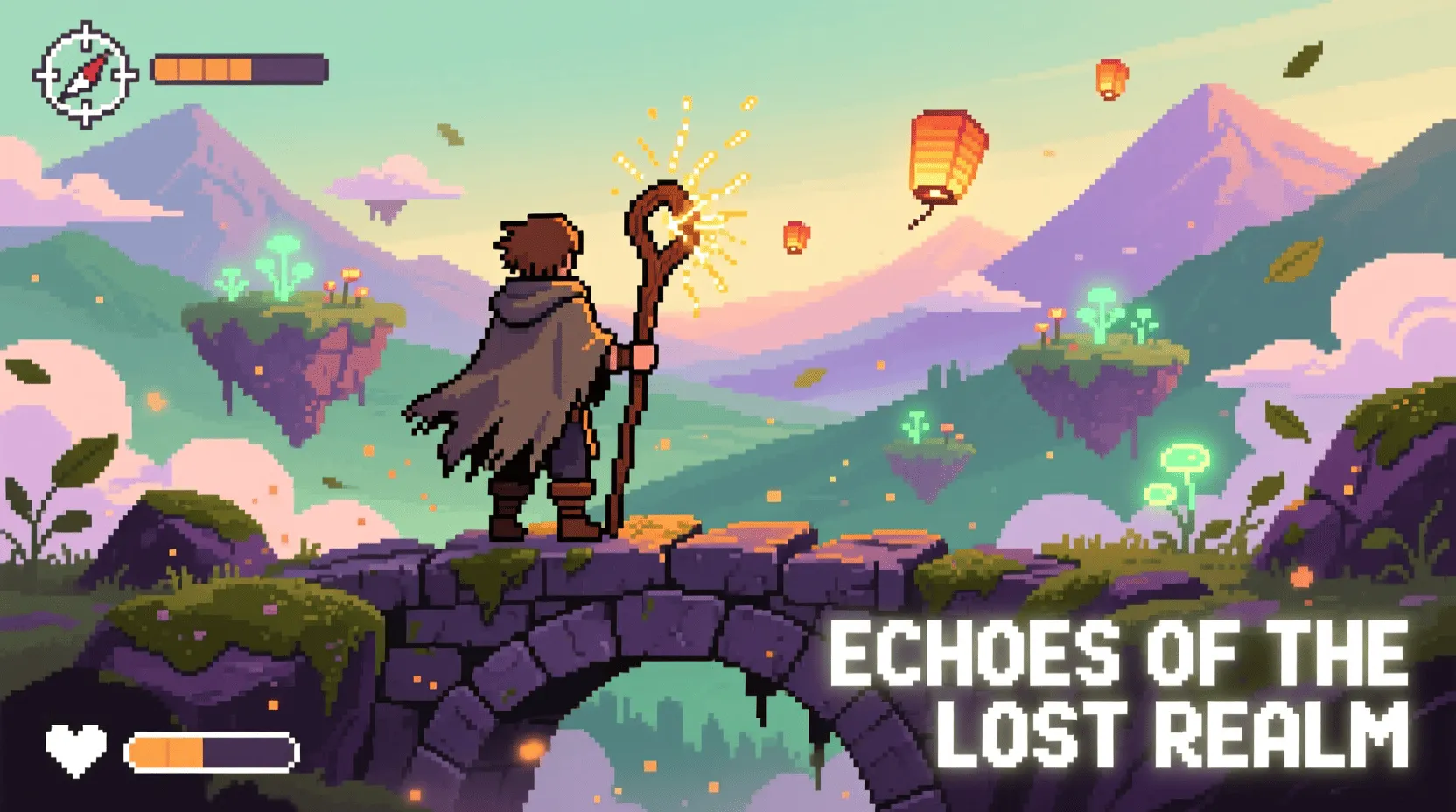
Are you fascinated by game development and wondering how to bring your indie game vision to life? Learning game development for beginners at home not only fuels creativity but also opens doors to a booming industry full of career opportunities and personal fulfillment. Whether you want to craft captivating narratives or design addictive gameplay, mastering the fundamentals can transform your passion into a playable reality. In this comprehensive guide, we’ll explore everything you need to know from tools to marketing strategies to successfully Market Indie Game projects and get your indie titles discovered.
Materials & Supplies
Getting started with game development requires gathering a few essential materials and tools:
- Computer: A reliable PC or laptop with decent specs for development and testing. For coding and graphic design, a mid range system is sufficient, but high-end machines speed up rendering and compiling.
- Game Engine: Popular choices include Game Development with Unity for versatile 2D/3D projects or Unreal Engine for visually intensive games.
- Code Editor: Visual Studio Code or JetBrains Rider help you write and debug scripts efficiently.
- Graphics Software: Tools like GIMP (free) or Adobe Photoshop enable you to create assets and textures.
- Audio Tools: Audacity or FL Studio allow sound editing and music production.
- Optional Accessories: A Mechanical Gaming Keyboard boosts typing speed and accuracy, ideal for long coding sessions.
- Version Control: Platforms like GitHub keep your project organized and enable collaboration.
Timing / Development Schedule
Planning your development timeline is critical for staying on track and maintaining motivation. Typical stages include:
- Concept & Planning (1-2 weeks): Define game mechanics, story, and scope.
- Prototype Development (2-4 weeks): Build a simple playable version to test core ideas.
- Full Development (1-3 months): Code, create assets, and iterate on gameplay features.
- Testing & Debugging (2-4 weeks): Refine functionality based on feedback and eliminate bugs.
- Publishing & Marketing (1-2 weeks): Prepare game listings, trailers, and promotional materials.
Smaller projects might take just a few weeks, while complex games can span several months. Setting realistic goals avoids burnout and encourages steady progress.
Step-by-Step Instructions
- Start with a Simple Concept: Choose an achievable idea like a platformer or puzzle.
- Use Your Game Engine: Set up a new project using Game Development with Unity or preferred engines.
- Create Basic Assets: Design placeholder graphics and sounds to speed initial testing.
- Program Core Mechanics: Write scripts for controls, scoring, and game logic.
- Test Frequently: Play your game often to catch bugs early and tweak gameplay.
- Iterate and Polish: Refine art, effects, and user experience after core features work flawlessly.
- Prepare for Release: Add menus, tutorial messages, and save/load systems.
Advantages of Learning Game Development
Game development enhances creativity by pushing you to design original worlds and characters. It sharpens problem solving and logical thinking through coding challenges. Working with other developers cultivates teamwork skills, while mastering technical tools opens diverse career paths in tech, media, and entertainment. Building games at home is a rewarding hobby that simultaneously builds artistic talents and digital literacy essential for future opportunities.
Tips, Alternative Methods, or Development Advice
- Begin with 2D games before progressing to complex 3D environments.
- Utilize visual scripting tools like Scratch or Godot’s node system if coding feels intimidating.
- Join online communities such as Reddit’s r/gamedev or Discord channels to get feedback and support.
- If hardware is limited, optimize by using free software and cloud-based development tools.
- Make use of tutorial series on YouTube or sites like Udemy to speed up learning curves.
Common Mistakes to Avoid
- Overcomplicating the First Project: Start simple to build confidence and avoid frustration.
- Neglecting Testing: Frequent playtesting prevents accumulation of errors and improves gameplay.
- Ignoring Player Feedback: Early user input can guide better design decisions and enhance engagement.
- Failing to Use Version Control: Protect your work from accidental loss or corruption.
- Skipping Marketing: No matter how good, games need promotion to reach an audience.
Maintenance / Update Tips
After launch, maintaining your game is key to long term success. Use version control to track changes and quickly fix bugs. Regularly gather player feedback through forums or social media and roll out updates fixing issues or introducing new content. Keep your files organized with clear naming conventions and backups to avoid future headaches.
Conclusion
Embarking on game development at home is an exciting journey blending art, technology, and storytelling. Begin small, commit to continuous learning, and embrace mistakes as part of the process. By following practical strategies and using the right tools, you gain skills to Market Indie Game projects effectively, turning your passion into a rewarding endeavor. Explore tutorials, join developer communities, and start creating your game today!
FAQs
- What programming language should I start with?
- C# is a great choice, especially with Unity. Alternatively, Python and JavaScript are beginner-friendly.
- Which game engine is best for beginners?
- Unity offers extensive resources and versatility for beginners. Other options include Godot and Unreal.
- How long does it take to make a small game?
- A simple game can take a few weeks to a few months depending on complexity and your experience.
- Do I need to know coding to start?
- Not necessarily visual scripting tools allow you to create games without code, though learning basics helps.
- Where can I publish my first game?
- Platforms like itch.io, Steam, and Google Play store are popular for indie game distribution.
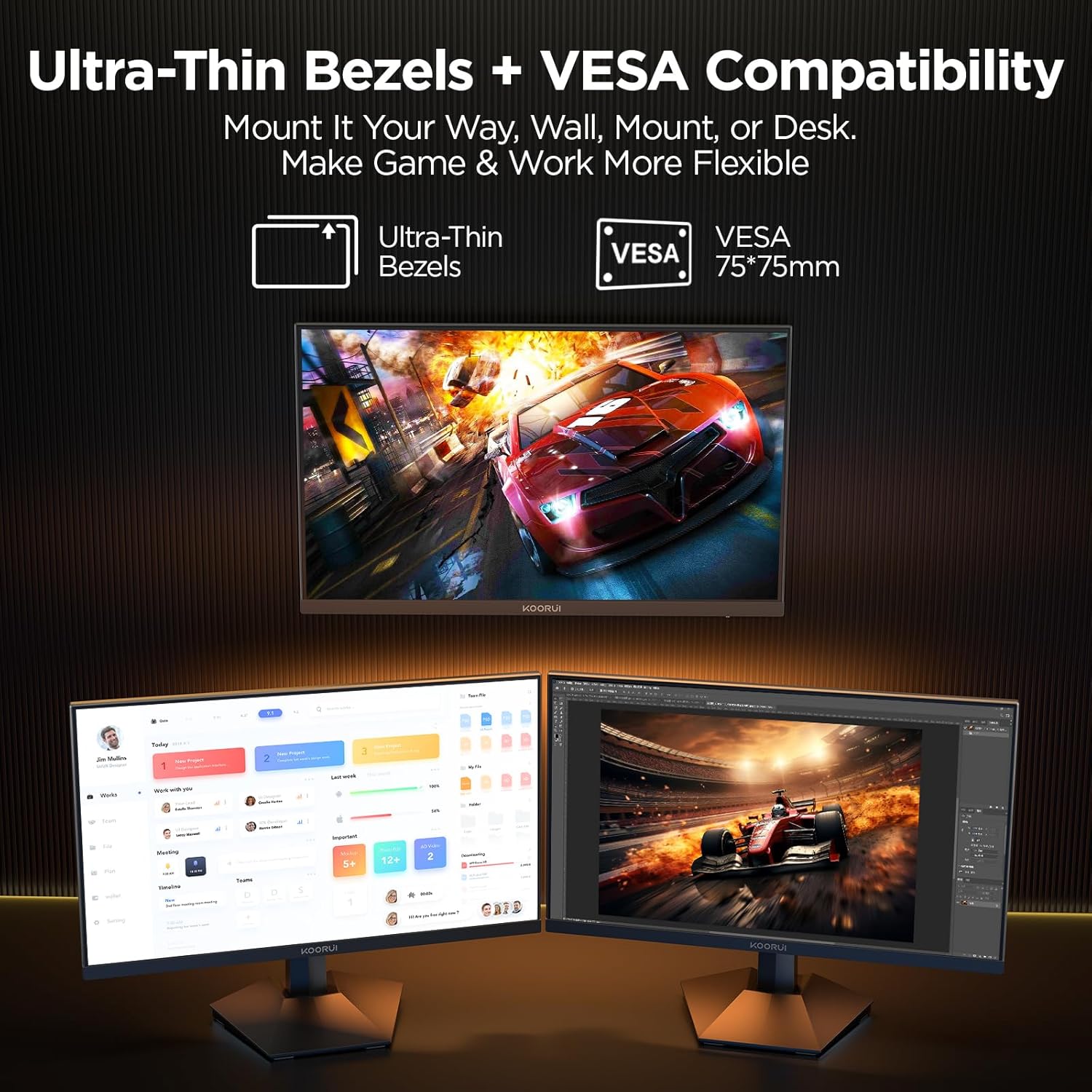
KOORUI
KOORUI 24.5 Inch Gaming Monitor 200Hz, 1ms, FHD(1920 * 1080p) IPS Display, HDR400, 90% DCI-P3 Color Gamut with Adaptive Sync, HDMI & DP Port, Black, G2511P

Beats-Studio Pro Cancelling Headphones
Beats Studio Pro - Wireless Bluetooth Noise Cancelling Headphones with USB-C Charging Cable (20 cm) - Jet Black

MMO Mug
MMO Mug - Legendary Coffee Mug Level 110 - Large Ceramic Black15oz - Gaming, Gamer Cup

Arknights: Endfield
3D tactical RPG set in the Arknights universe. Lead a team of operators on a mysterious planet, explore new areas, build and optimize your base, and fight in dynamic battles while completing story-driven missions in a sci-fi world.