
Introduction
For indie developers and small studios, the Game Developers Conference is more than a learning opportunity it’s a chance to pitch your game directly to publishers and investors. However, pitching effectively requires preparation, clarity, and understanding what publishers look for.
This article provides a step by step guide to pitching your game at GDC, including how to structure your pitch, what materials to prepare, and proven strategies to attract publisher attention.
1. Know Your Goals Before Pitching
Before you approach any publisher:
-
Do you want a publishing deal?
-
Are you seeking investment for development?
-
Are you testing market interest or gathering feedback?
-
Are you looking for marketing or distribution partnerships?
Actionable Tip:
Write down your top 3 objectives for your pitch. This focus will guide your presentation and help you target the right publishers.
2. Prepare a Polished Pitch Package
2.1 One-Minute Elevator Pitch
-
Describe your game concisely: genre, unique selling point, target audience.
-
Highlight what makes your project different from competitors.
-
Keep it short, memorable, and engaging.
2.2 One Pager
Your one-page document should include:
-
Game summary and genre
-
Key features and mechanics
-
Art style & screenshots
-
Team info & experience
-
Platform & timeline
-
Budget and funding needs
2.3 Demo or Trailer
-
Playable demo: Should run smoothly and be intuitive
-
Trailer (45–60 seconds): Highlight gameplay, visuals, and key hooks
-
Ensure all assets are polished and bug free
Pro Tip:
Publishers often spend less than 2 minutes reviewing an indie pitch. First impressions matter visuals and clarity are critical.
3. Research Publishers Before GDC
Not all publishers are a fit for every game.
-
Identify publishers aligned with your genre or platform
-
Review the types of games they fund or publish
-
Understand their business model and preferences
-
Book meetings in advance if possible
Example:
-
Indie-friendly publishers: Devolver Digital, Raw Fury
-
AAA-focused publishers: Ubisoft, EA, Square Enix
4. Scheduling Your Pitch Meetings
4.1 Use the GDC Business Lounge
-
Many publishers host private meetings here
-
Apply early to reserve slots
4.2 Expo Floor Meetings
-
Walk up to publisher booths politely
-
Have your pitch ready but adapt based on interest
4.3 Networking Events
-
Informal events can lead to publisher interest
-
Follow-up after casual conversations with a formal pitch
5. Delivering Your Pitch Effectively
5.1 Start With Your Hook
-
First 10 seconds matter
-
Example: “Our game blends real-time strategy with VR storytelling for a younger audience.”
5.2 Keep It Structured
-
Problem/Opportunity → Solution/Gameplay → Team → Market → Ask
5.3 Highlight What Makes Your Game Unique
-
Mechanics, art style, or narrative innovations
-
Target audience and competitive differentiation
5.4 Be Ready for Questions
-
Budget, timeline, platform, monetization, marketing plans
-
Show confidence and transparency
6. Follow-Up Strategy
-
Collect business cards or contact info during meetings
-
Send personalized follow up emails within 24–48 hours
-
Include:
-
Thank-you note
-
Reference to your meeting or conversation
-
Links to playable demo or trailer
-
One-pager PDF attachment
-
Pro Tip:
Track all contacts in a simple spreadsheet for follow up and notes.
7. Common Mistakes to Avoid
-
Pitching without a clear goal
-
Overloading your pitch with technical details
-
Presenting a buggy demo
-
Failing to research the publisher beforehand
-
Neglecting follow-up after the conference
8. Additional Tips for Indie Developers
-
Practice your pitch multiple times with friends or mentors
-
Have both digital and physical copies of your one pager
-
Be professional but approachable
-
Learn from every interaction, even rejections
-
Attend GDC sessions on indie publishing and funding to refine your approach
Conclusion
Pitching your game at GDC can open doors to publishing deals, funding opportunities, and industry visibility. By preparing a concise pitch, polishing your demo, researching publishers, and following proven networking strategies, you dramatically increase your chances of success.
The Ultimate Guide to the Game Developers Conference (GDC): Everything Developers Need to Know
KOORUI
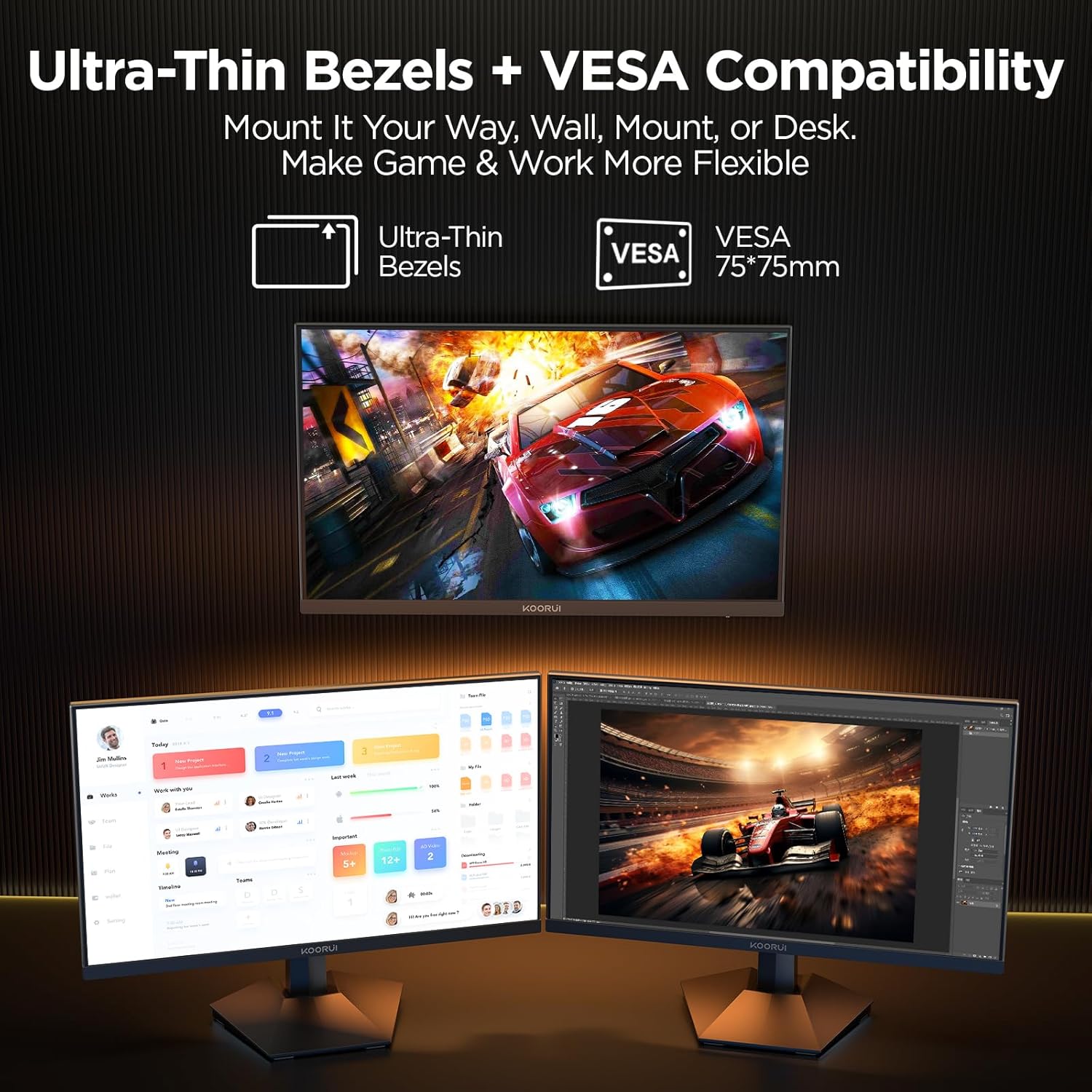
KOORUI 24.5 Inch Gaming Monitor 200Hz, 1ms, FHD(1920 * 1080p) IPS Display, HDR400, 90% DCI-P3 Color Gamut with Adaptive Sync, HDMI & DP Port, Black, G2511P
Gaming PC Desktop Computer, AMD
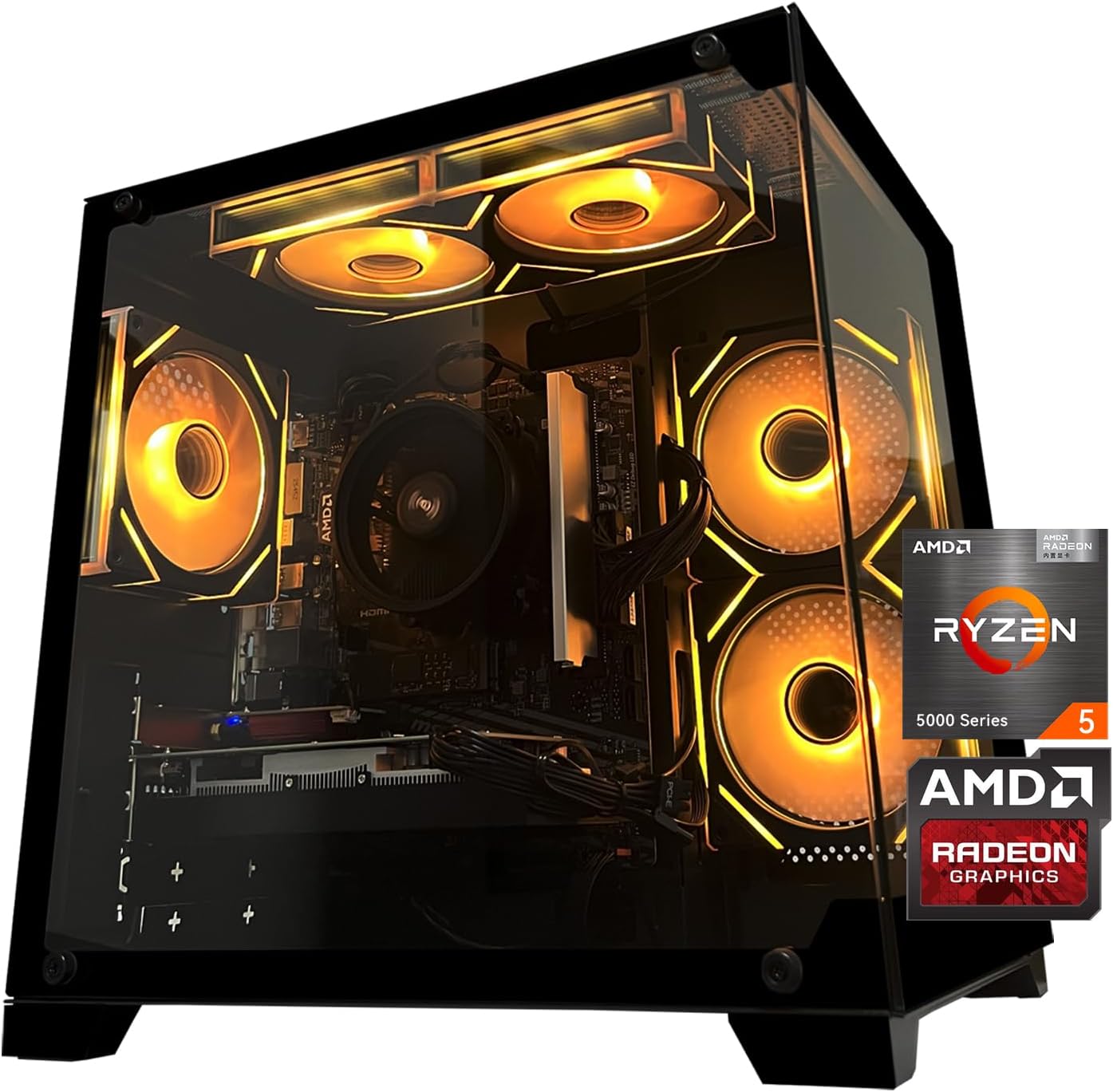
Gaming PC Desktop Computer, AMD Ryzen 5 5500, RX6500XT 4GB Graphics, 16GB DDR4 RAM, 512GB NVMe SSD, ARGB Fans, Game Design Office
iFIT Pro
iFIT Pro - Monthly Membership - 1 month free trial included [Subscription]

Scotch Thermal Laminating Pouches
Scotch Thermal Laminating Pouches, for Use with Thermal Laminators, 8.9 x 11.4 Inches, Letter Size Sheets, 100-Pack
RAWM ES21 Wireless Gaming Mouse
Razer DeathAdder V4 Pro Wireless Gaming Mouse: 56g Lightweight - HyperSpeed Wireless Gen-2 - Optical Scroll Wheel - Optical Switches Gen-4 - Focus Pro 45K Sensor Gen-2 - Up to 150 Hr Battery

Sound Healing 432 Hz
song transports the listener to a relaxed state of mindfulness and inner peace.