Understanding Moon Studios’ Unique Approach
Founded in 2010, Moon Studios operates as a fully remote team, allowing them to harness talent from across the globe. This diverse environment fosters creativity and collaboration, essential components of their design philosophy. The studio’s dedication to artistry is evident in every aspect of their games, from visual storytelling to gameplay mechanics.
Artistic Vision
At the heart of Moon Studios’ philosophy lies a commitment to visual storytelling. The team believes that games should evoke emotions and convey narratives through their art. This is achieved through:
- Hand-painted Artwork: Their signature style features vibrant colors and intricate details, reminiscent of classic animated films.
- Fluid Animation: Characters and environments are designed to move in a natural, fluid manner, enhancing immersion.
- Environmental Storytelling: Every scene is crafted to tell a story, with backgrounds and details that contribute to the overall narrative.
Design Principles
Moon Studios adheres to several key design principles that guide their development process:
| Principle | Description |
|---|---|
| Player-Centric Design | Every decision is made with the player in mind, ensuring that gameplay is intuitive and engaging. |
| Iterative Development | Prototypes are frequently tested and refined based on player feedback, allowing for continuous improvement. |
| Emotional Engagement | Design elements are crafted to elicit emotional responses, enhancing the player’s connection to the game. |
Collaboration and Remote Development
Moon Studios’ remote work model is a unique attribute of their development process. This setup allows them to gather a diverse range of perspectives, leading to richer creative outcomes. The collaborative nature of their development is characterized by:
- Regular Communication: The team holds daily stand-up meetings to discuss progress and challenges, fostering a sense of unity.
- Cross-Disciplinary Teams: Artists, designers, and programmers work closely together, encouraging the sharing of ideas and techniques.
- Global Talent Pool: By hiring from around the world, Moon Studios benefits from a variety of cultural influences in their design.
Case Study: Ori and the Blind Forest
To illustrate the impact of Moon Studios’ art and design philosophy, let’s examine their flagship title, Ori and the Blind Forest.
Visual and Gameplay Design
The game combines stunning hand-painted artwork with fluid animations and a hauntingly beautiful score, creating a cohesive emotional experience. Here are some key elements:
- Art Style: The hand-painted visuals are characterized by a lush and vibrant color palette, which plays a crucial role in world-building.
- Gameplay Mechanics: The platforming mechanics are designed to feel responsive and rewarding, inviting players to explore the intricacies of the environment.
- Emotional Storytelling: The narrative is woven into the gameplay, with environmental cues and visual storytelling enhancing the player’s emotional investment.
Step-by-Step Guide to Analyzing Game Art
If you’re interested in applying Moon Studios’ principles to your own projects, consider this step-by-step guide to analyzing game art:
- Identify the Art Style: Determine the visual style used (e.g., hand-painted, pixel art) and its impact on the game’s atmosphere.
- Evaluate Color Usage: Analyze the color palette and how it contributes to mood and storytelling.
- Examine Animation Fluidity: Observe character and environmental animations, noting how they enhance gameplay and immersion.
- Consider Environmental Storytelling: Look for details in the background that contribute to the narrative and world-building.
- Reflect on Emotional Impact: Assess how the art affects your emotional experience as a player.
Conclusion
Moon Studios exemplifies what can be achieved when passion, creativity, and innovative design principles converge in game development. Their commitment to artistry, player centric design, and collaboration has not only resulted in exceptional games but has also inspired a new era in indie game development. As you explore their titles, consider how their philosophies could influence your own creative endeavors.
For more insights into the innovative practices of Moon Studios, check out our related content: Moon Studios: Pioneers in Indie Game Development.
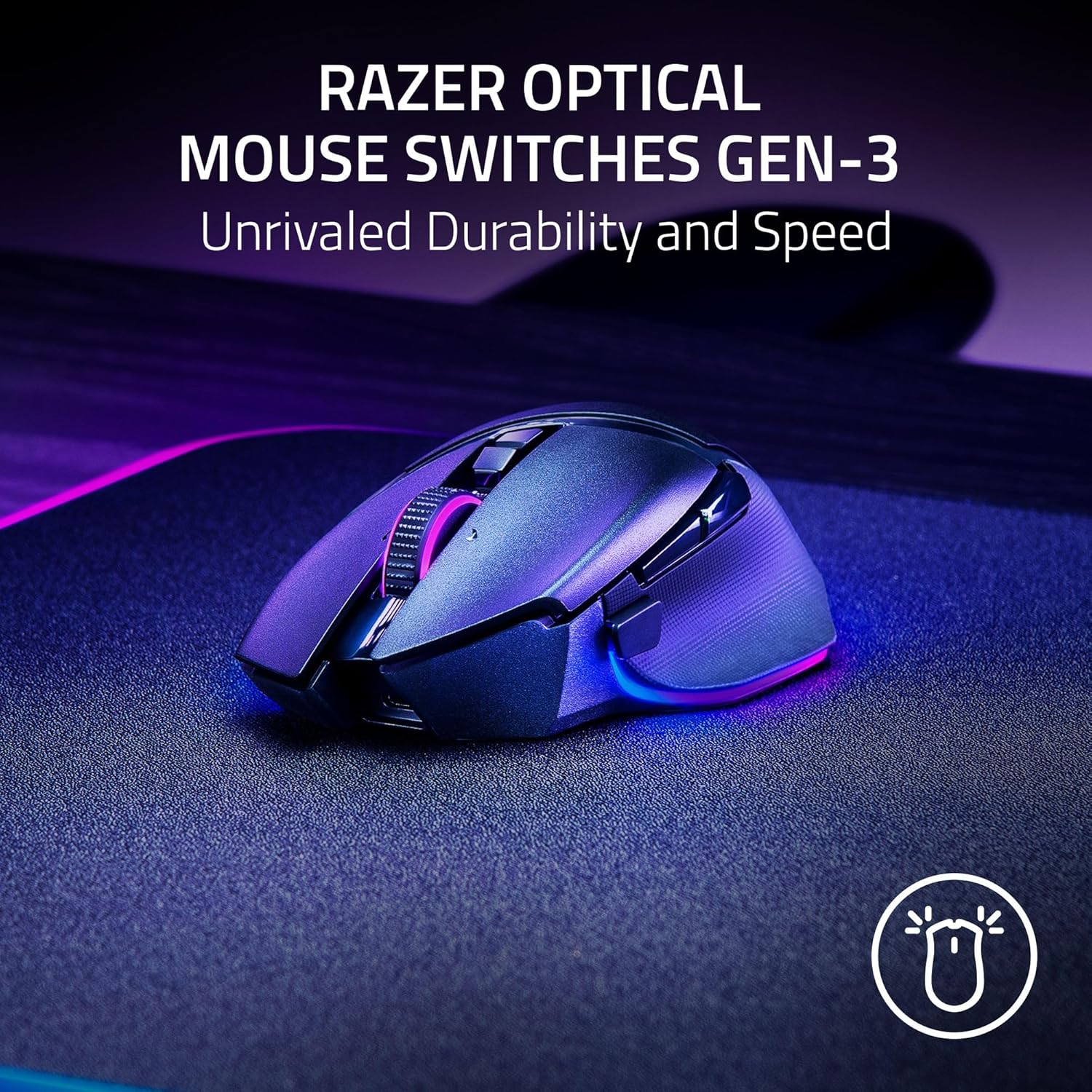
Razer
Razer Basilisk V3 Pro 35K Wireless Gaming Mouse: HyperScroll Tilt Wheel – 35K DPI Optical Sensor Gen 2-13 Customizable Controls – Chroma RGB – Optical Switches Gen 3 – Up to 140 Hr Battery – Black
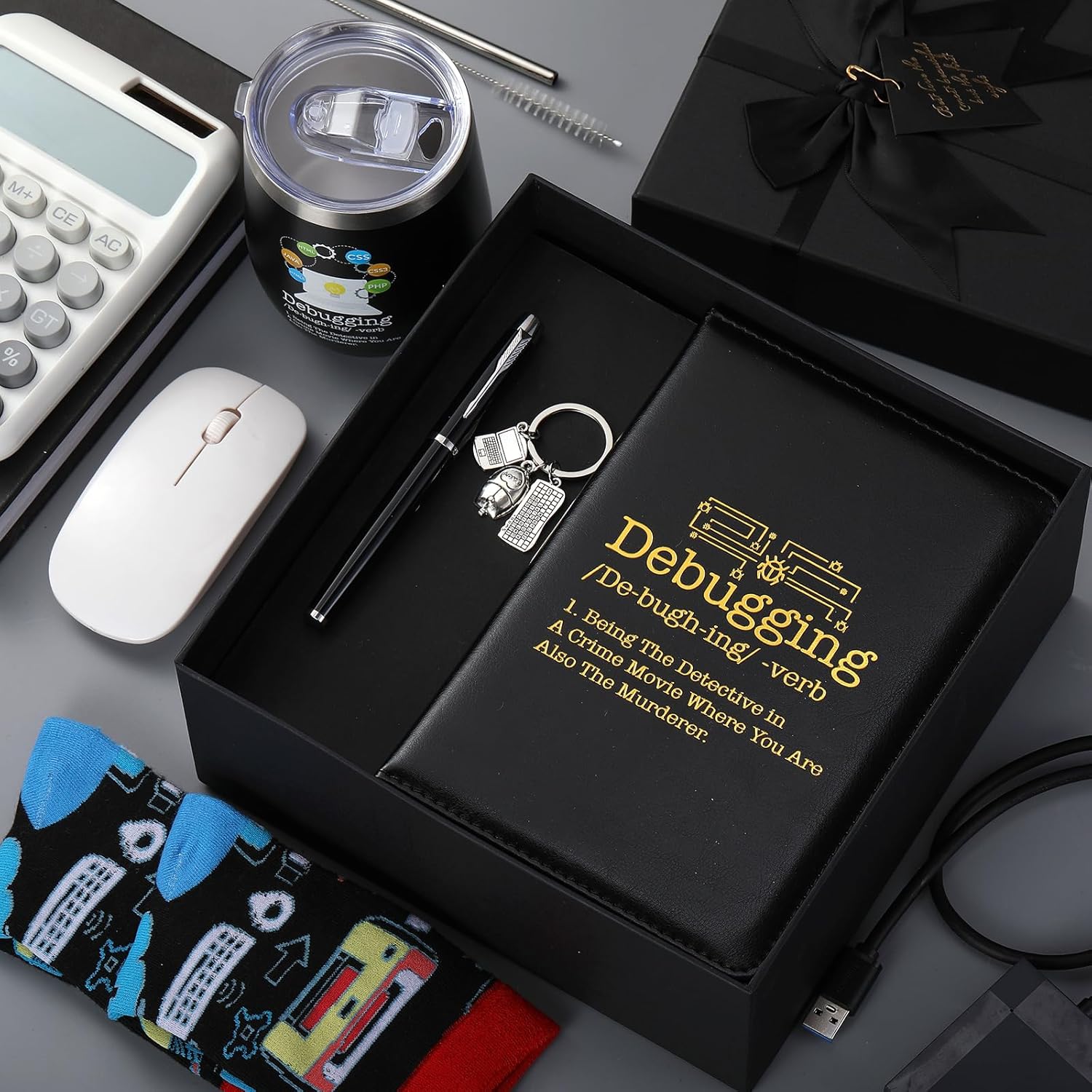
6 Pcs Computer Programmer Gifts for Men
6 Pcs Computer Programmer Gifts for Men Debugging Definition Programmer Gifts 12oz Stainless Steel Cup Socks Keychain Pen Notebook Box for IT Developers Computer Geeks Nerd Hackers Coders
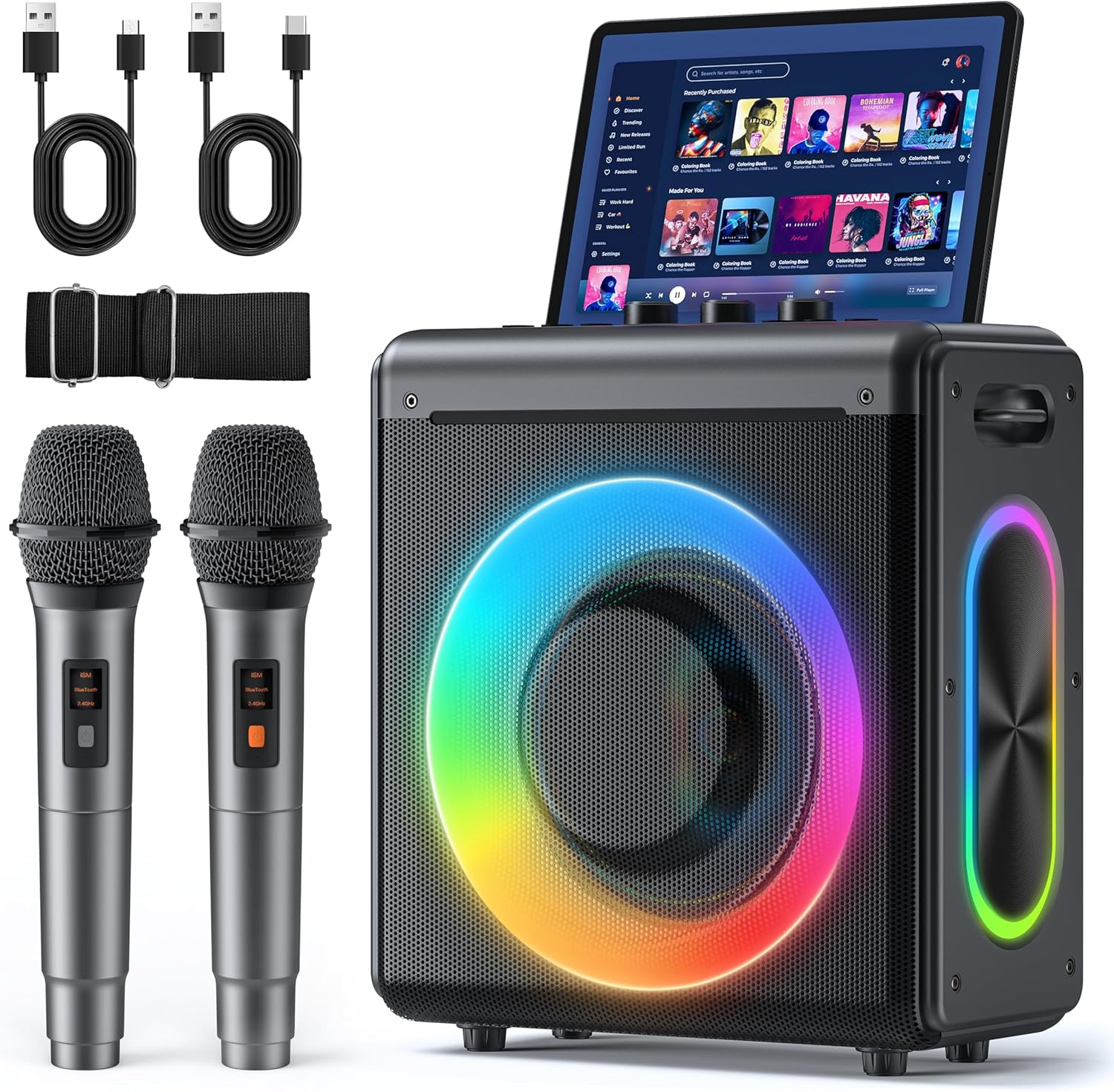
Karaoke Machine
Karaoke Machine with 2 Wireless Rechargeable Microphones: Portable Bluetooth Speaker for Adults & Kids – PA System with Lights Supports TWS/TF Card/USB/AUX for Home Party
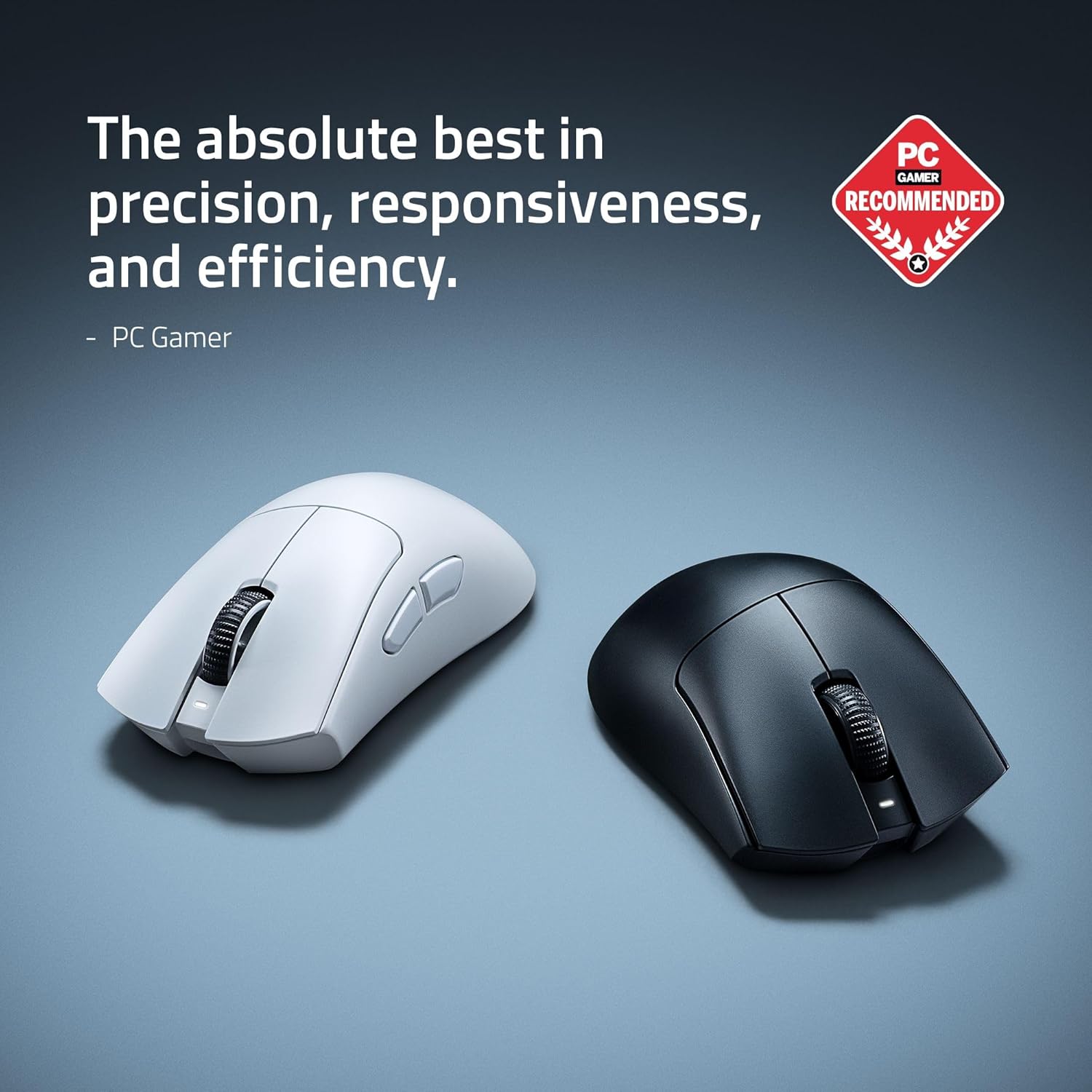
RAWM ES21 Wireless Gaming Mouse
Razer DeathAdder V4 Pro Wireless Gaming Mouse: 56g Lightweight – HyperSpeed Wireless Gen-2 – Optical Scroll Wheel – Optical Switches Gen-4 – Focus Pro 45K Sensor Gen-2 – Up to 150 Hr Battery
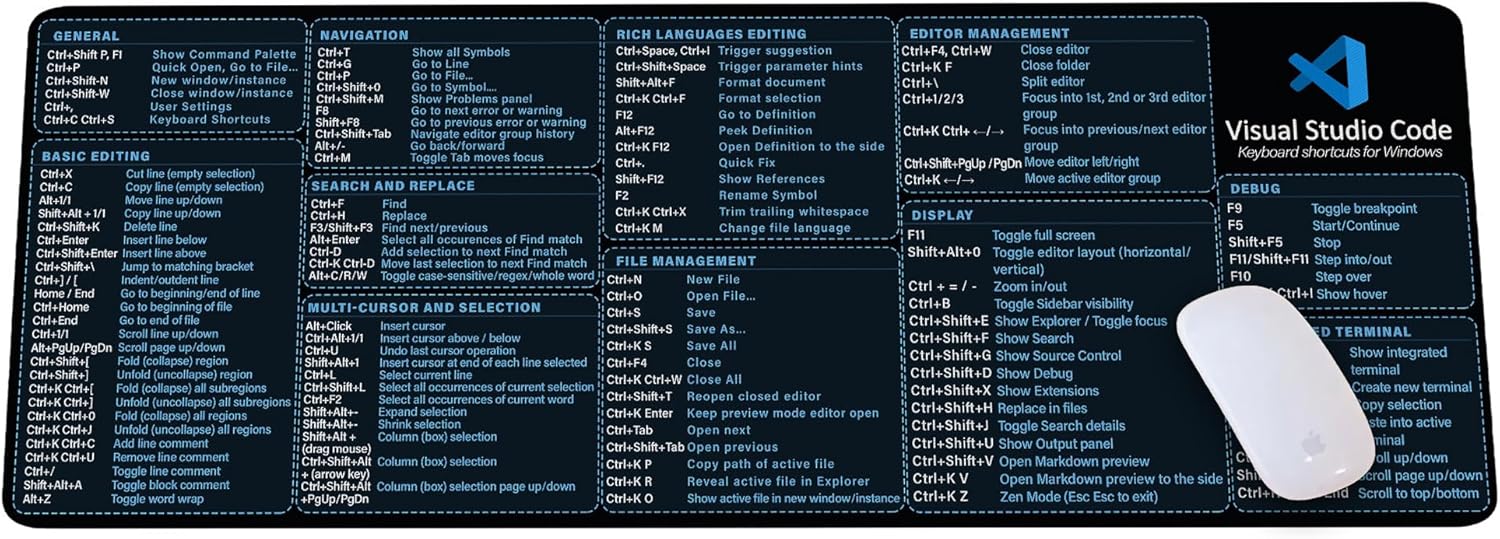
Visual Studio Code Shortcuts Mouse Pad
Visual Studio Code Shortcuts Mouse Pad – Desk Mat for Programmers, Coders & Beginners, Great Office Gift for Developers & Tech Enthusiasts, Computer Accessory for Study, Work, and Learning KMH

Scotch Thermal Laminating Pouches
Scotch Thermal Laminating Pouches, for Use with Thermal Laminators, 8.9 x 11.4 Inches, Letter Size Sheets, 100-Pack