
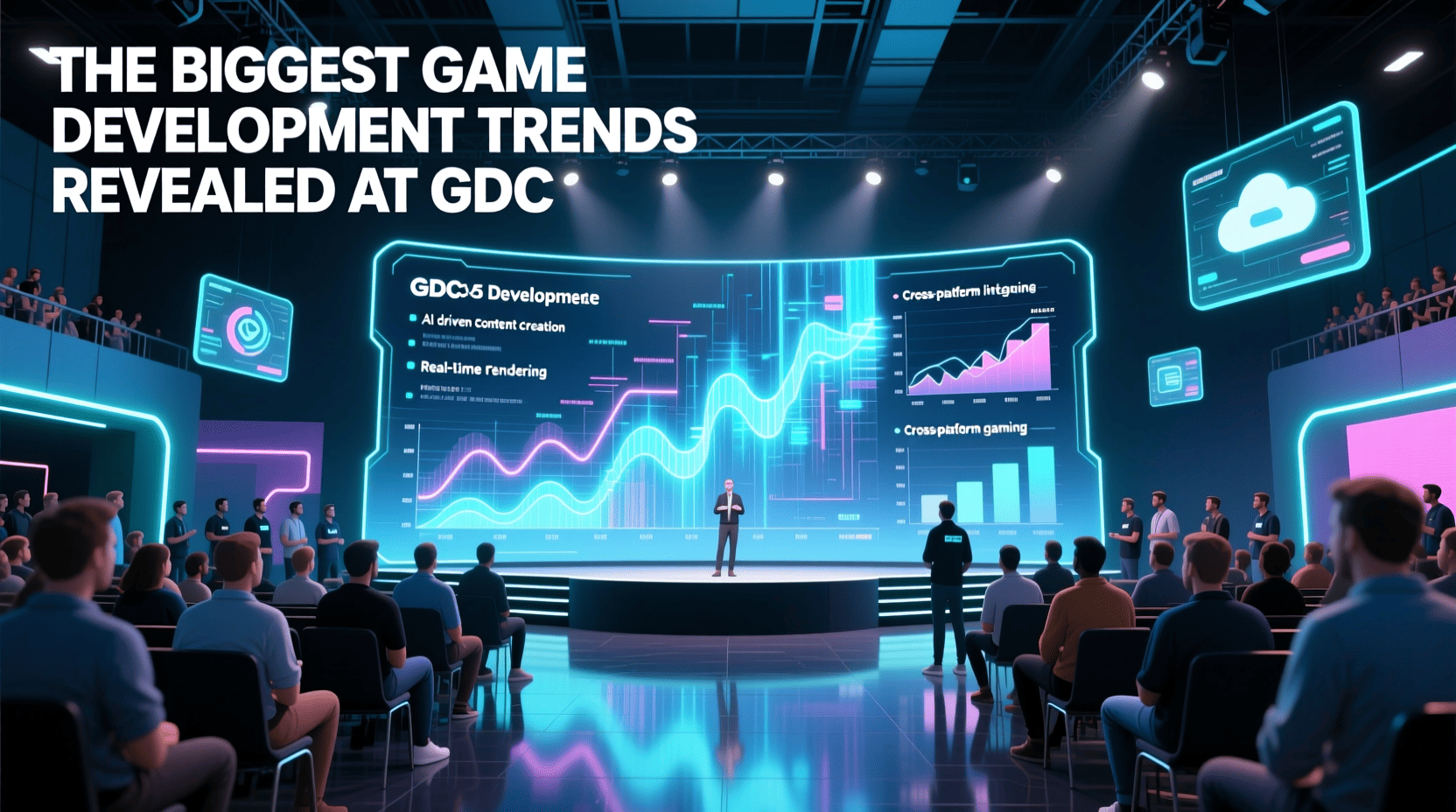
Introduction
The Game Developers Conference (GDC) isn’t just a place to learn new skills it’s a crystal ball for the future of the gaming industry. Each year, developers, designers, and studio leaders gather to reveal cutting edge technologies, emerging design philosophies, and business trends shaping the next generation of games.
This article highlights the most important GDC trends that every developer, indie studio, and game team should know. Understanding these trends will help you stay competitive, create innovative experiences, and make informed business decisions.
1. The Rise of AI in Game Development
Artificial Intelligence is transforming game development at multiple levels:
1.1 AI Generated Content
-
Procedural textures, models, and levels
-
Story generation and dynamic dialogue
-
Animation automation
Example:
Several AAA studios revealed at GDC 2025 how AI tools were used to generate hundreds of NPC animations, cutting production time by 40%.
1.2 AI Powered Testing & QA
-
Automated bug detection
-
Playtesting simulations
-
AI-based analytics for player behavior
Impact: Developers can optimize gameplay faster, reduce costs, and improve player retention.
2. Real Time Rendering and Graphics Evolution
GDC consistently showcases next gen rendering techniques.
Key trends:
-
Ray tracing and global illumination improvements
-
Nanite like systems for high poly models without performance loss
-
Improved shaders and procedural lighting pipelines
-
Optimization for multi-platform performance
Pro Tip: Attending GDC sessions on graphics engines helps you adopt these cutting edge techniques before they become industry standard.
3. Growth of VR/AR and Immersive Experiences
Virtual and augmented reality continue to expand beyond early adoption:
-
Full-body tracking, hand-tracking, and eye tracking improvements
-
Mixed reality passthrough and spatial audio
-
Optimized VR pipelines for performance and comfort
-
Integration with AI for immersive NPC behavior
Who should care: VR/AR designers, gameplay engineers, and indie studios targeting next-gen immersive experiences.
4. Cross Platform and Cloud Gaming
Cloud gaming and cross-platform development are now mainstream priorities:
-
Game streaming (Google Stadia, NVIDIA GeForce Now, Xbox Cloud)
-
Asset optimization for multi-device deployment
-
Real-time synchronization across PC, console, and mobile
Why it matters:
Players expect seamless experiences on multiple devices. Developers need tools that support cross-platform workflows efficiently.
5. Procedural and Modular Game Design
Procedural content generation is gaining ground:
-
Procedural levels and environments
-
Modular systems for faster iteration
-
Reusable assets across projects
-
Dynamic storytelling based on player behavior
Pro Tip: Attending GDC workshops on procedural design helps you adopt scalable pipelines early.
6. Live Service Models & Monetization Evolution
GDC 2025 sessions emphasized the rise of live service games:
-
Seasonal content and event-driven updates
-
Battle passes and subscription models
-
Player engagement analytics
-
Dynamic in game economy balancing
Impact for developers:
Indie studios and AAA teams alike must consider long-term engagement, not just initial sales.
7. Networking and Community Centric Game Development
Trends also extend to social and collaborative gameplay:
-
Integrated multiplayer tools
-
Community feedback loops influencing updates
-
Co-creation and modding support
-
Social features within games (chat, guilds, clans)
Why it matters: Games today are experiences, not just products Successful studios build communities around their games.
8. Tools and Middleware Innovations
GDC is where middleware providers showcase advancements:
-
AI assisted animation (Mixamo, Autodesk)
-
Audio middleware improvements (FMOD, Wwise)
-
Physics and particle simulation tools
-
Real-time collaborative design tools
Takeaway: Knowing which tools lead the market can save time, increase quality, and reduce development costs.
9. Key Takeaways from Recent GDC Trends
| Trend | Impact for Developers | Actionable Step |
|---|---|---|
| AI & Machine Learning | Automates tasks, accelerates pipelines | Test AI tools for animation, QA, or dialogue |
| Real-Time Rendering | Next-gen visuals | Attend graphics sessions, update shaders |
| VR/AR | Immersive gameplay | Experiment with hand/eye-tracking and spatial audio |
| Cross-Platform | Reach more players | Optimize for PC, console, and mobile |
| Procedural Design | Scalable environments | Learn procedural pipelines from workshops |
| Live Service | Long-term engagement | Implement seasonal content and analytics |
| Community-Centric Design | Player retention | Build modding support and feedback loops |
10. How to Apply These Trends at GDC
-
Plan your sessions around trends relevant to your projects.
-
Talk to experts at the Expo floor about tools and workflows.
-
Try new middleware in workshops and demos.
-
Network strategically with developers exploring similar trends.
-
Take notes and implement post-GDC to stay ahead of competitors.
Conclusion
GDC isn’t just about sessions; it’s about seeing the future of game development. By understanding the biggest trends AI, real time rendering, VR/AR, procedural design, live service models, and community centric approaches you can position your team, project, or career for success.
The Ultimate Guide to the Game Developers Conference (GDC): Everything Developers Need to Know
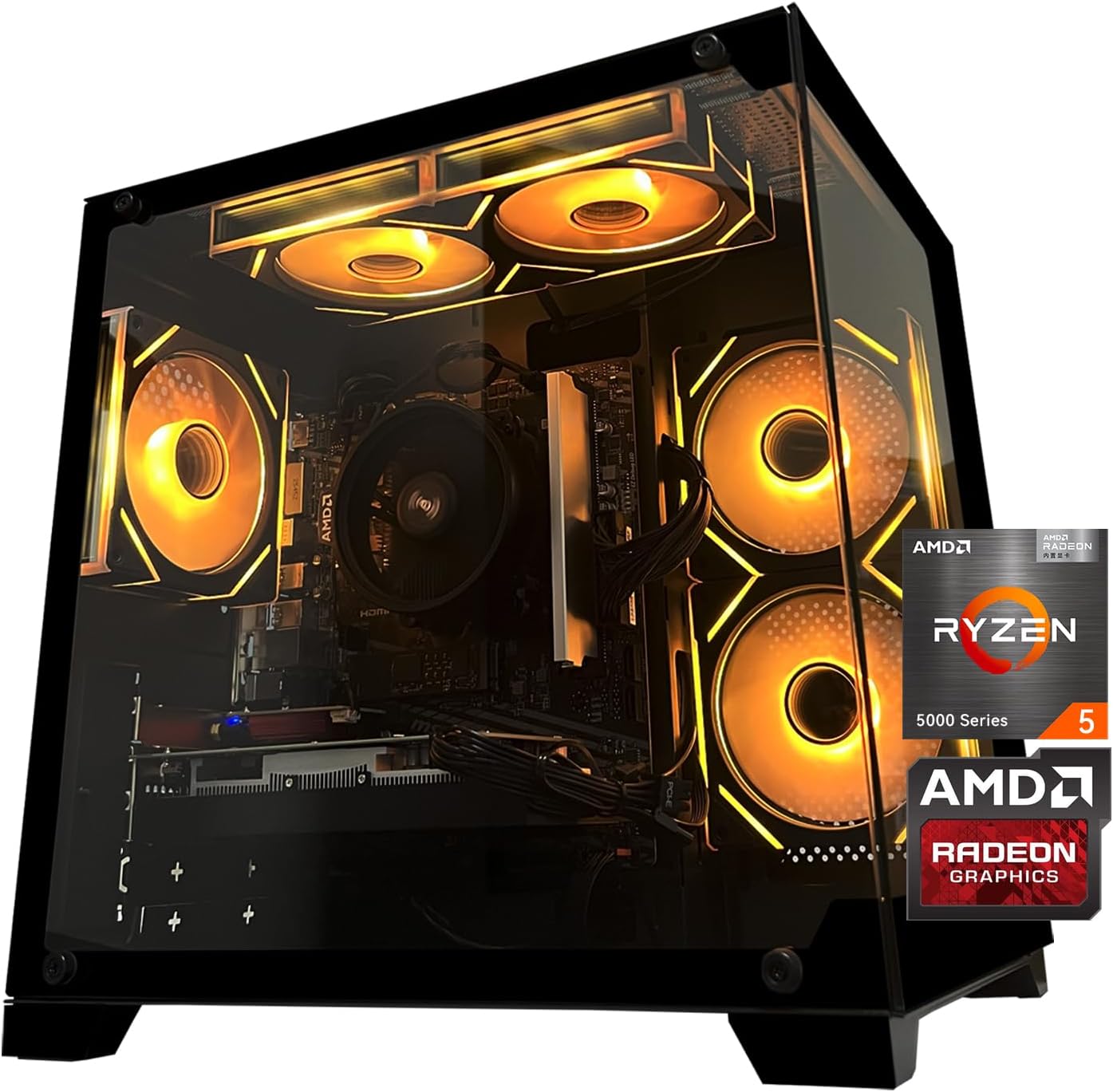
Gaming PC Desktop Computer, AMD
Gaming PC Desktop Computer, AMD Ryzen 5 5500, RX6500XT 4GB Graphics, 16GB DDR4 RAM, 512GB NVMe SSD, ARGB Fans, Game Design Office
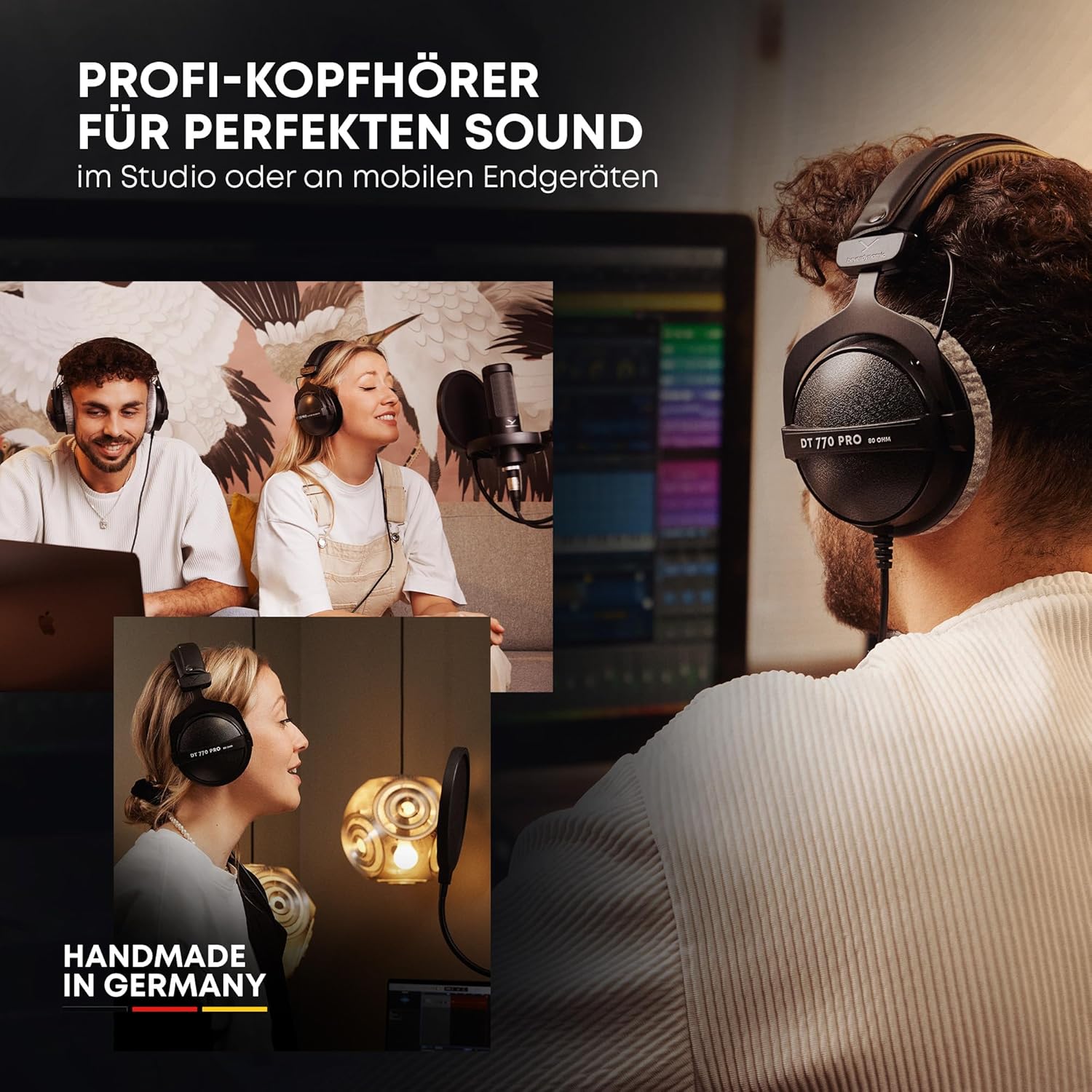
beyerdynamic DT 770 PRO 80 Ohm Over-Ear Studio Headphones in Gray
beyerdynamic DT 770 PRO 80 Ohm Over-Ear Studio Headphones in Gray. Enclosed Design, Wired for Professional Recording and Monitoring
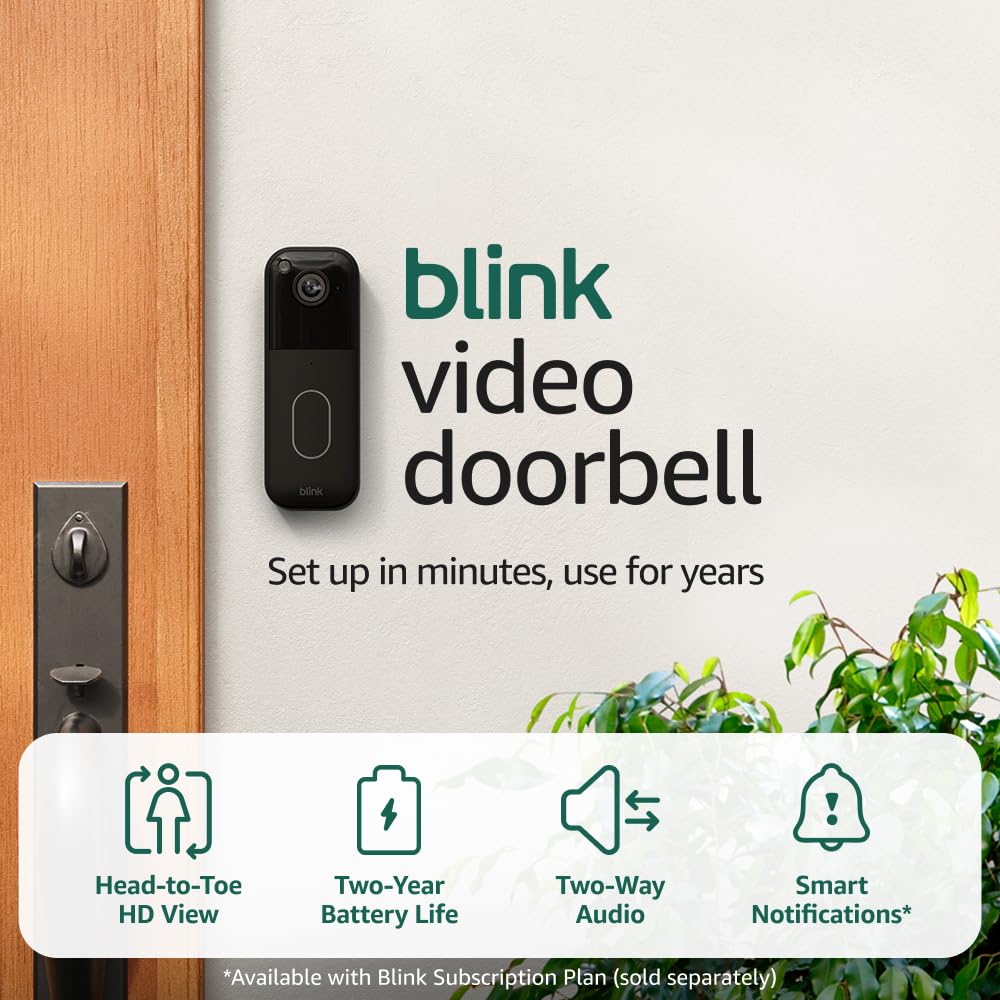
Blink Video Doorbell
Blink Video Doorbell (newest model) – Head-to-toe HD view, two-year battery life, and simple setup. Required Sync Module not included – Add-On (Black)
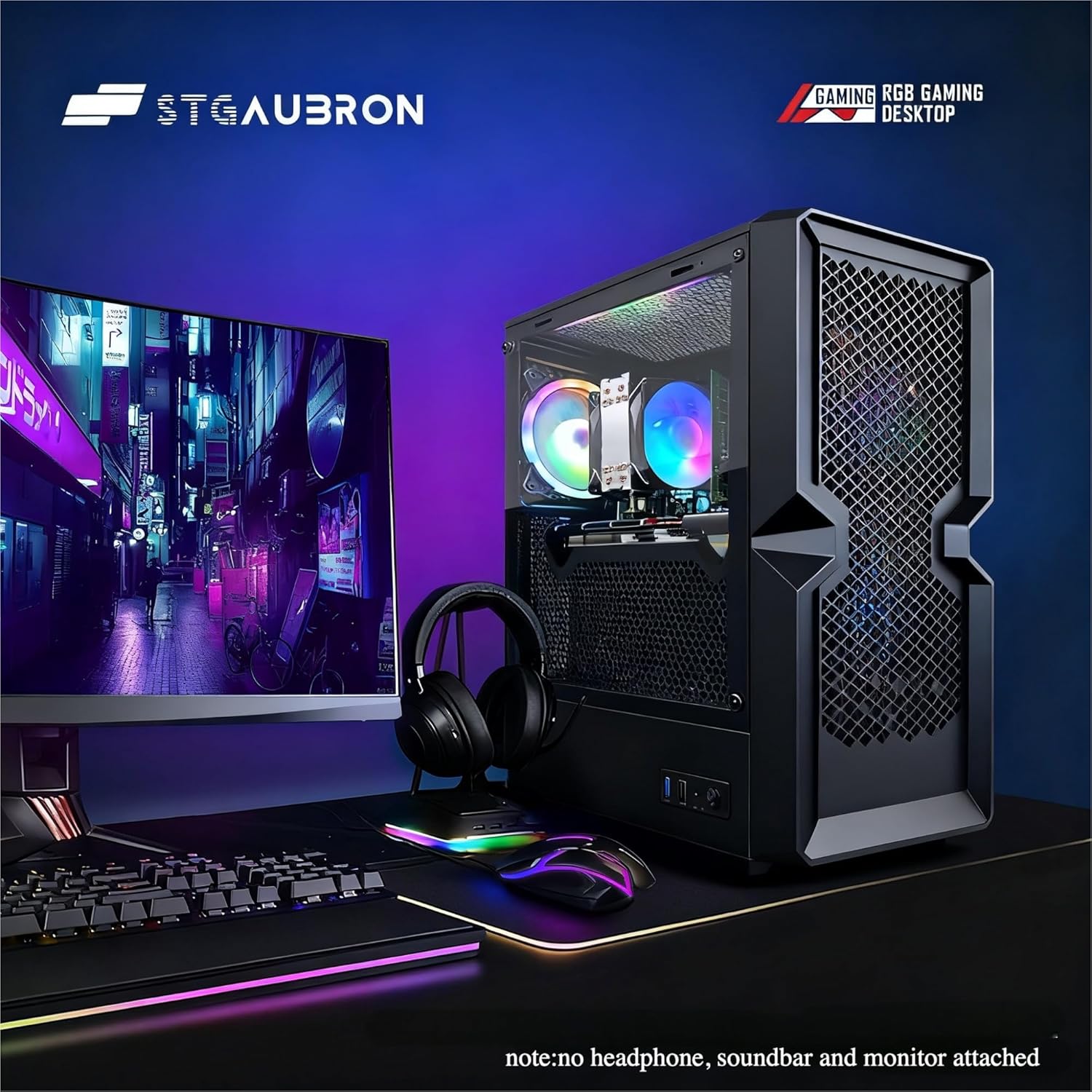
STGAubron Gaming PC Desktop
STGAubron Gaming PC Desktop Computer, Intel Core i5 up to 3.6G, Radeon RX 590 8G, 16GB RAM, 1TB SSD, 600M WiFi, BT 5.0, RGB Fan x3, Windows 11 Home

Logitech G
Logitech G PRO X SUPERLIGHT 2 Wireless Gaming Mouse
Results
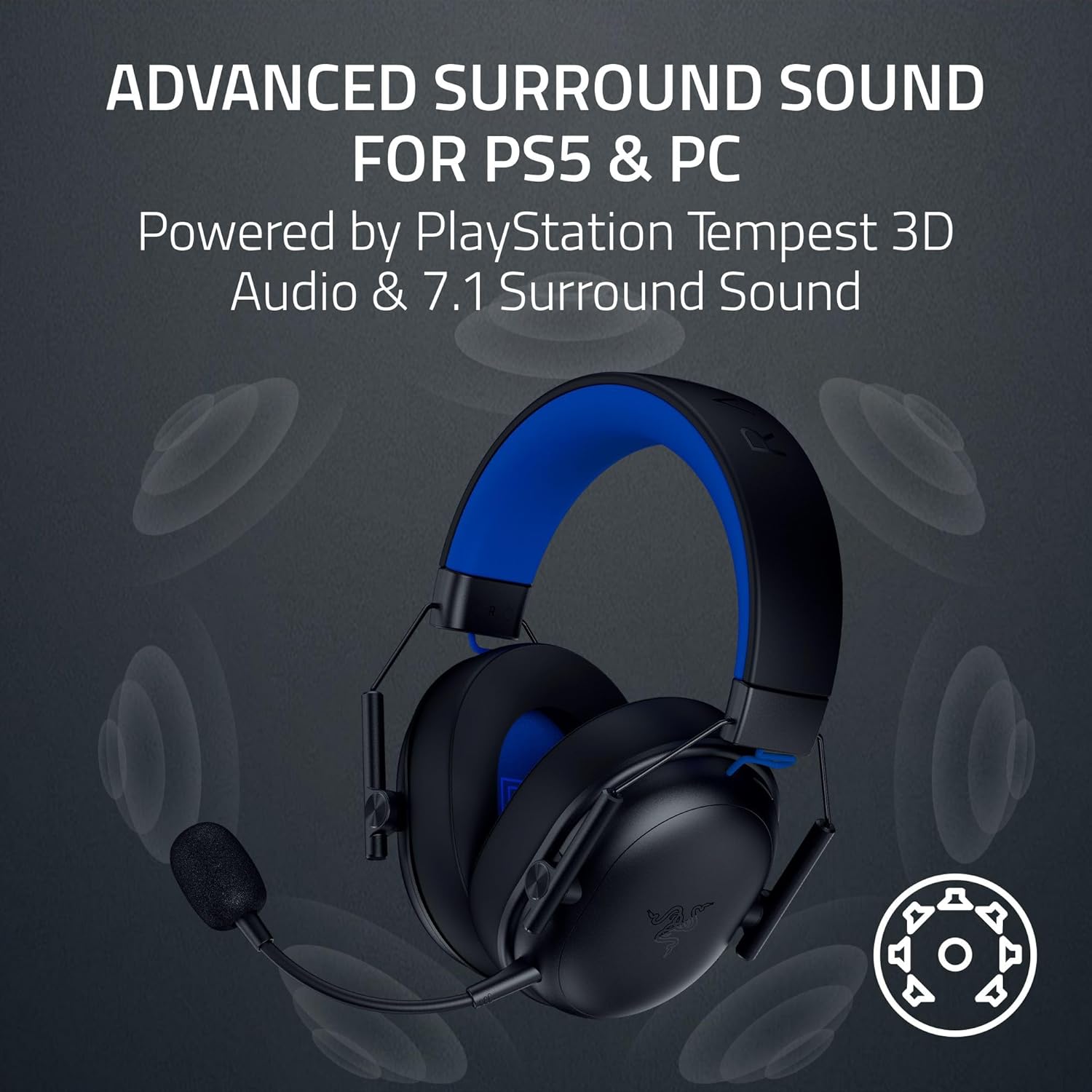
Razer BlackShark V3 X HyperSpeed Wireless Gaming Headset for PS5: 50mm Drivers - Cardioid Mic - 2.4 GHz, Bluetooth - Works with PC, Mac, Nintendo Switch, Smartphone - Long Battery Life - Black