The History of Sleepy Gimp Comics
Comic books have long been a vibrant medium for storytelling, and among the myriad of titles that have graced the shelves, Sleepy Gimp Comics holds a unique place. This article delves into the enthralling history of Sleepy Gimp Comics, tracing its origins, evolution, and the cultural significance it has achieved over the years.
Origins of Sleepy Gimp Comics
Sleepy Gimp Comics was born in the early 2000s, during a time when independent comics were beginning to flourish. The brainchild of artist and writer Jordan B. Lee, Sleepy Gimp began as a personal passion project. Inspired by the underground comic scene of the 1990s, Lee sought to create a series that combined humor, absurdity, and a touch of darkness.
The First Issue
The first issue of Sleepy Gimp Comics hit the stands in 2002. It featured a collection of short stories, each showcasing Lee’s distinctive art style and offbeat humor. The stories ranged from surreal adventures to satirical takes on everyday life. Early readers were captivated by the quirky characters and engaging narratives, which set the tone for future issues.
Evolution Through the Years
As the years progressed, Sleepy Gimp Comics evolved in both style and substance. The initial charm of the series was its raw, unpolished artwork, which resonated with its audience. However, like any great comic series, it needed to adapt to survive.
Artistic Growth
By 2005, Lee’s artwork had matured significantly. The lines became cleaner, and the colors more vibrant. This evolution was not just aesthetic; it reflected Lee’s growth as an artist and storyteller. The narratives began to incorporate more complex themes, such as identity, mental health, and social commentary.
Expanding the Universe
In 2008, Sleepy Gimp Comics introduced a new character, Gimpy, who quickly became a fan favorite. Gimpy’s adventures provided a humorous yet poignant lens through which readers could explore their own experiences. The character’s relatability and charm helped expand the comic’s audience, drawing in readers who appreciated both the humor and depth of the stories.
Impact on the Comic Book Industry
As Sleepy Gimp Comics gained popularity, its impact on the indie comic scene became evident. It inspired a new generation of comic creators to explore unconventional narratives and embrace their unique artistic styles. The series also contributed to the growing acceptance of diversity in comics, showcasing characters from various backgrounds and experiences.
Community Engagement
One of the hallmarks of Sleepy Gimp Comics is its deep connection with its readership. Lee frequently interacted with fans through social media and at comic conventions, fostering a sense of community. Readers felt a personal connection to the stories, often sharing their own experiences and interpretations of the characters.
Merchandising and Spin-offs
The popularity of Sleepy Gimp Comics eventually led to various merchandising opportunities. From t-shirts to enamel pins, fans could showcase their love for the series in multiple ways. Additionally, the success of Gimpy’s character led to spin-off series and collaborations with other indie creators, further establishing Sleepy Gimp as a staple in the comic world.
Challenges and Resilience
No journey is without its hurdles. Like many independent creators, Lee faced challenges, particularly around funding and distribution. However, the rise of crowdfunding platforms offered new avenues for financial support. In 2015, Sleepy Gimp Comics launched a successful Kickstarter campaign, allowing Lee to produce a hardcover compilation of the first five issues.
Staying True to the Vision
Despite the challenges, Lee remained committed to the original vision of Sleepy Gimp Comics. The series continued to push boundaries, exploring themes that resonated with the audience while staying true to its unique voice.
Modern Era and Legacy
Today, Sleepy Gimp Comics stands as a testament to the power of independent storytelling. The series has not only entertained but also educated its readers on important social issues. Its legacy is seen in the continuing trend of indie comics that prioritize authenticity and creativity over commercial viability.
Related Content
For a more in-depth exploration of the themes and characters within Sleepy Gimp Comics, check out our article Sleepy Gimp Comics: An Overview.
Conclusion
The history of Sleepy Gimp Comics is a remarkable journey of creativity, resilience, and community. From its humble beginnings to becoming a beloved staple in the comic book industry, Sleepy Gimp Comics has shown that indie creators can leave a lasting impact. As we look to the future, one can only wonder what new adventures await Gimpy and the other characters in this vibrant universe. Whether you’re a long-time fan or a newcomer, the world of Sleepy Gimp Comics invites you to explore, laugh, and reflect on the absurdities of life.
Checklist for Aspiring Comic Creators
- Identify your unique voice and style.
- Engage with your audience through social media.
- Explore crowdfunding options for financial support.
- Attend comic conventions to network and showcase your work.
- Stay true to your vision, even amidst challenges.
Visual Elements
To enhance your understanding of Sleepy Gimp Comics, consider exploring its artwork through the following visuals:
| Issue | Release Year | Key Highlights |
|---|---|---|
| Issue #1 | 2002 | Introduction of main characters and style |
| Issue #2 | 2004 | Expanded storytelling and humor |
| Issue #5 | 2008 | Introduction of Gimpy |
| Compilation Edition | 2015 | Hardcover collection of the first five issues |
By understanding the rich history of Sleepy Gimp Comics, we gain insight into the potential of independent comics to inspire and connect with audiences around the globe.

Results
Razer BlackShark V3 X HyperSpeed Wireless Gaming Headset for PS5: 50mm Drivers – Cardioid Mic – 2.4 GHz, Bluetooth – Works with PC, Mac, Nintendo Switch, Smartphone – Long Battery Life – Black

NUBWO U3 Gaming Headset
NUBWO U3 Gaming Headset with Microphone, Safe Volume Limited, Kids Headphones for Switch, Super Lightweight, Rich Sound, 3.5mm Jack for NS, PS4, PS5, Xbox, Tablet, iPad Computer, Red
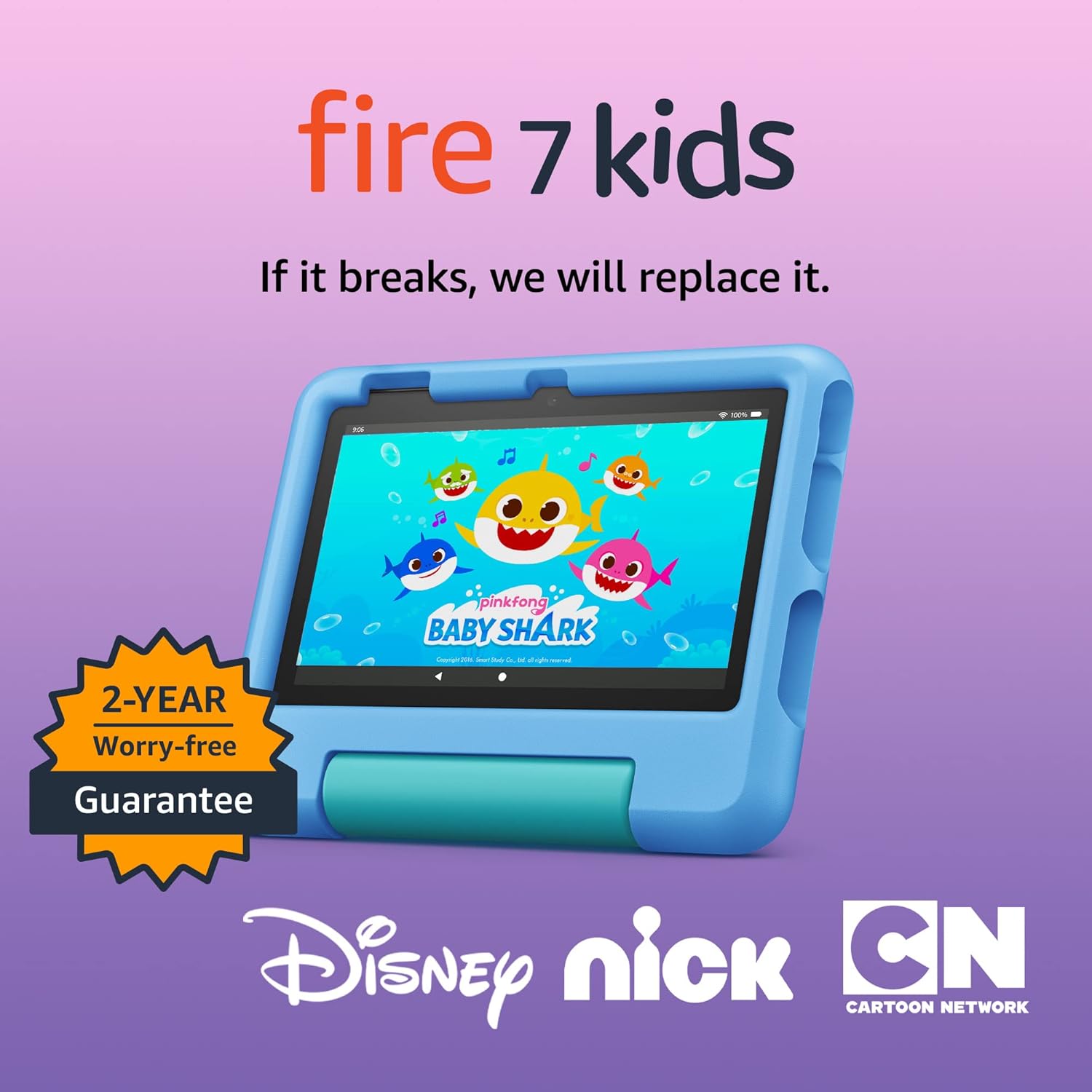
Amazon Fire 7 Kids tablet
Amazon Fire 7 Kids tablet, ages 3-7. Top-selling 7\" kids tablet on Amazon. Includes ad-free and exclusive content, easy parental controls, 10-hr battery, 16 GB, Blue
interface sounds OGG
interface sounds, UI sound effects, UX sound effects, game UI sounds, mobile UI audio, notification sound effects, button click SFX, menu sounds, toggle switch sounds, error alert sounds

ESR for MagSafe Wallet
ESR for MagSafe Wallet, 5-Card Holder With RFID Blocking, MagSafe Sticker Included, Slim Magnetic Wallet for iPhone 17/16/15/14/13/12 Series and Selected Samsung Devices, Not for 13/12 Mini, Black

iFIT Pro
iFIT Pro – Monthly Membership – 1 month free trial included [Subscription]