The Impact of Graphics in Premium 3D Games
Understanding the Basics of 3D Graphics
Before we delve into the impact of graphics, it’s crucial to understand what constitutes 3D graphics in gaming. At its core, 3D graphics involve the creation of three-dimensional representations of objects and environments through the use of mathematical models and rendering techniques.
Key Components of 3D Graphics
- Modeling: The process of creating 3D objects using polygons, curves, and surfaces.
- Texturing: Applying images (textures) to the surface of 3D models to give them detail.
- Lighting: Simulating light sources to create realistic shadows and highlights.
- Rendering: The process of generating the final image from a 3D model, taking into account textures, lighting, and camera angles.
The Role of Graphics in Player Immersion
One of the most significant impacts of graphics in premium 3D games is the enhancement of player immersion. High-quality graphics create a visually stunning environment that draws players into the game world.
Examples of Immersive Graphics
Consider the following examples of premium 3D games that utilize graphics to achieve high levels of immersion:
| Game Title | Graphics Engine | Notable Features |
|---|---|---|
| The Last of Us Part II | Naughty Dog Engine | Realistic lighting and character animations |
| Cyberpunk 2077 | REDengine 4 | Detailed open world and reflections |
| Red Dead Redemption 2 | RAGE Engine | Dynamic weather and lifelike environments |
Emotional Engagement Through Visuals
High-quality graphics not only enhance immersion but also evoke emotions. The visual storytelling in games can significantly affect how players relate to characters and narratives.
How Graphics Influence Emotion
When players witness stunning visuals, they are more likely to feel a connection to the game’s story and characters. For instance:
- Expressive character models can convey a range of emotions, enhancing the narrative.
- Beautiful landscapes can create a sense of awe and wonder.
- Realistic animations can make action sequences more thrilling.
Step-by-Step Guide: Enhancing Your Game Graphics
If you’re a game developer or an aspiring one, here’s a simple step-by-step guide to enhancing graphics in your 3D game:
- Select the Right Engine: Choose a graphics engine that suits your project’s needs (e.g., Unity, Unreal Engine).
- Focus on Modeling: Invest time in creating detailed 3D models that resonate with your game’s theme.
- Implement Advanced Texturing: Use high-resolution textures to add depth and realism to your models.
- Optimize Lighting: Experiment with different light sources and shadows to create a dynamic atmosphere.
- Test Rendering Settings: Adjust rendering settings to achieve the best performance without sacrificing quality.
- Gather Feedback: Conduct playtests to gather feedback on graphics and make necessary adjustments.
Checklist for Optimal Graphic Settings
Here’s a checklist to ensure your premium 3D game graphics are optimized:
- ✔️ High-resolution textures are applied.
- ✔️ Models are detailed with appropriate geometry.
- ✔️ Lighting is dynamic and enhances the environment.
- ✔️ Frame rates are stable and optimized for performance.
- ✔️ Environmental effects (like fog, rain, etc.) are implemented effectively.
Conclusion: The Future of Graphics in Gaming
The impact of graphics in premium 3D games cannot be overstated. They are not just about visual appeal; they are essential for immersion, emotional engagement, and overall gameplay experience. As technology continues to evolve, we can expect even more breathtaking graphics that push the boundaries of realism.
For further insights into the world of gaming, check out our article on Premium 3D Games: The Ultimate Gaming Experience to see how graphics contribute to making these games truly remarkable.
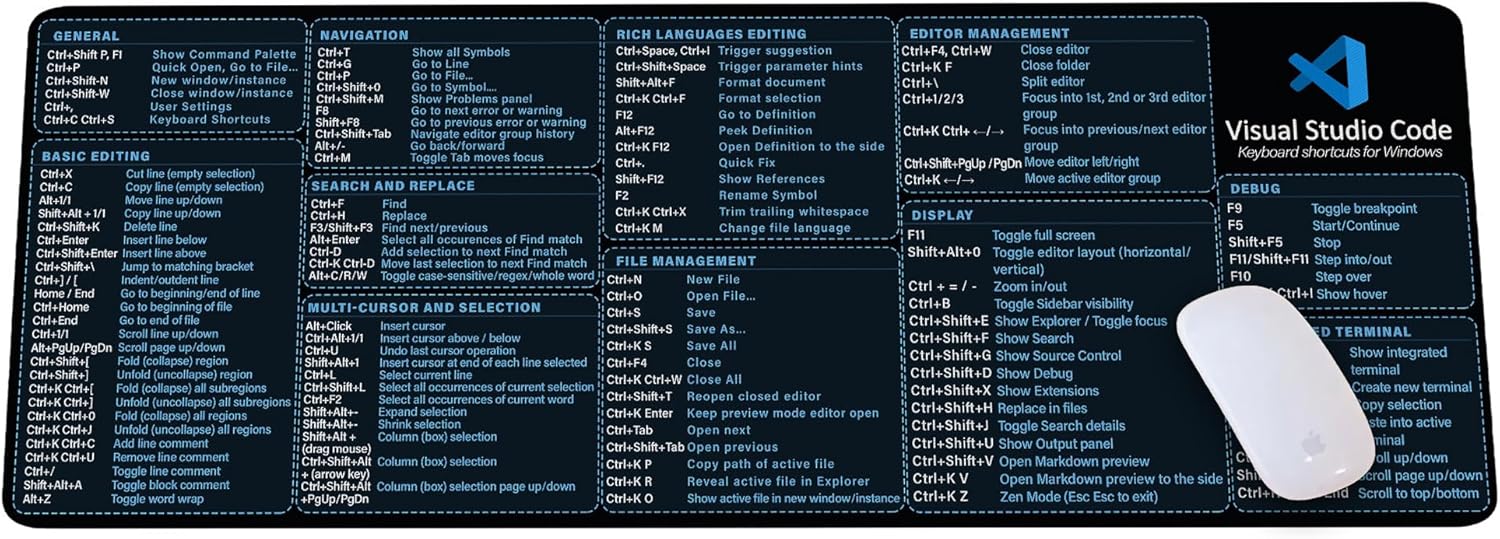
Visual Studio Code Shortcuts Mouse Pad
Visual Studio Code Shortcuts Mouse Pad – Desk Mat for Programmers, Coders & Beginners, Great Office Gift for Developers & Tech Enthusiasts, Computer Accessory for Study, Work, and Learning KMH

Panvola
Panvola Debugging Definition Computer Programmer Student Teacher Geek Coder Tech Support Programming IT Insulated Coffee Mug with Handle and Lid Camping Travel Thermal Mugs 14 oz Black
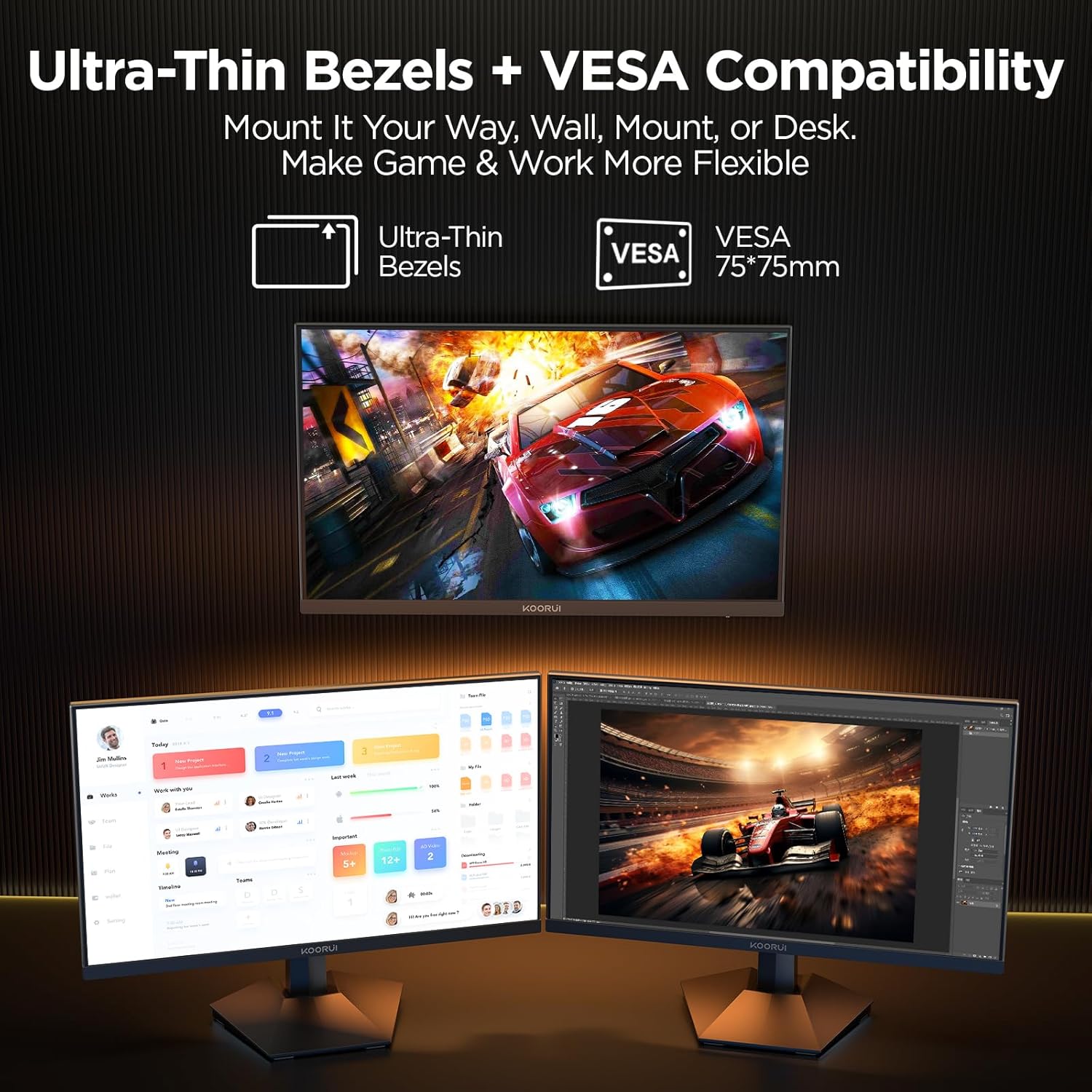
KOORUI
KOORUI 24.5 Inch Gaming Monitor 200Hz, 1ms, FHD(1920 * 1080p) IPS Display, HDR400, 90% DCI-P3 Color Gamut with Adaptive Sync, HDMI & DP Port, Black, G2511P

Sound Healing 432 Hz
song transports the listener to a relaxed state of mindfulness and inner peace.
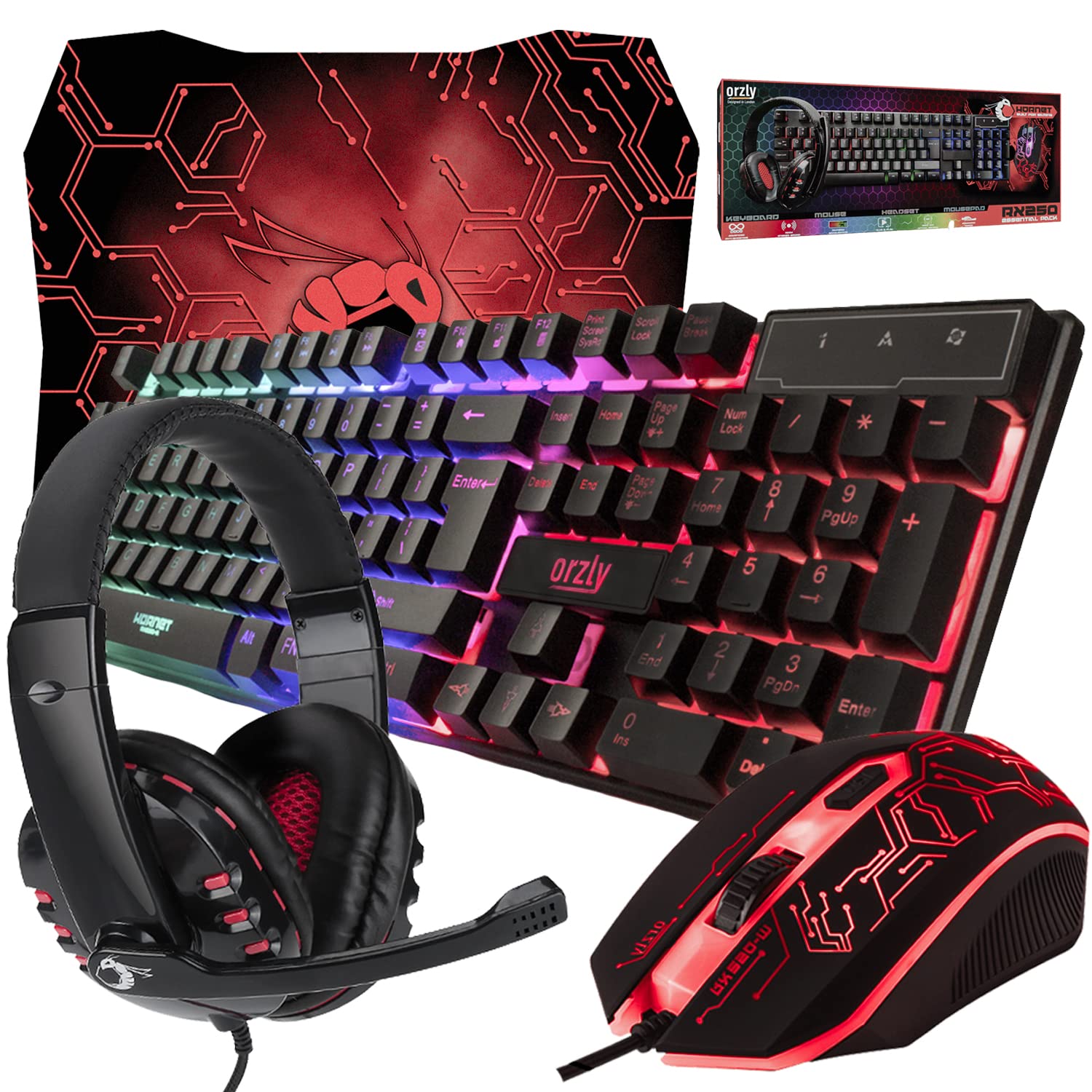
Gaming Keyboard and Mouse and Mouse pad and Gaming Headset, Wired LED RGB Backlight Bundle
Gaming Keyboard and Mouse and Mouse pad and Gaming Headset, Wired LED RGB Backlight Bundle for PC Gamers and Xbox and PS4 Users – 4 in 1 Edition Hornet RX-250

Razer
Razer Basilisk V3 Pro 35K Wireless Gaming Mouse: HyperScroll Tilt Wheel – 35K DPI Optical Sensor Gen 2-13 Customizable Controls – Chroma RGB – Optical Switches Gen 3 – Up to 140 Hr Battery – Black