
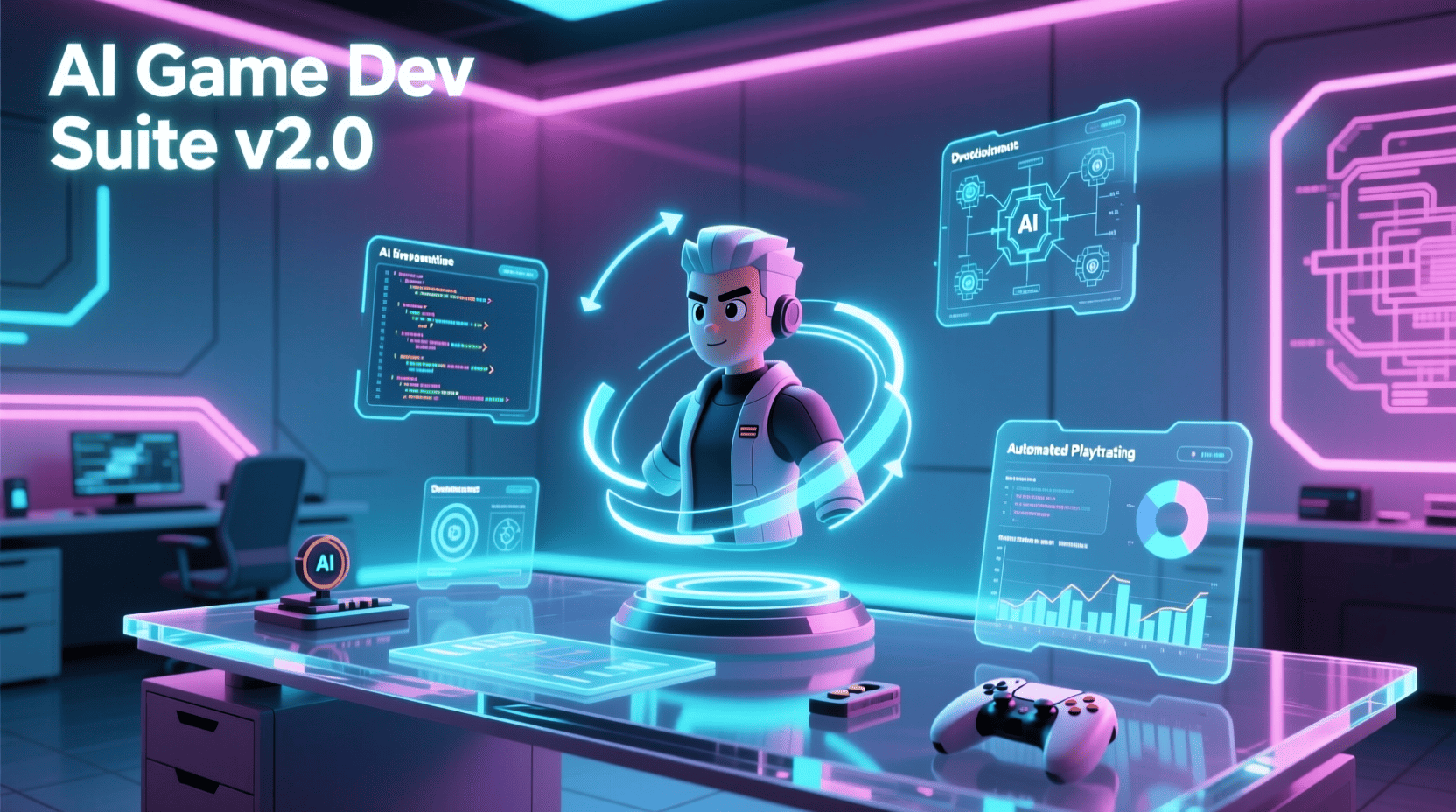
Introduction
Are you fascinated by how games come alive from simple ideas to immersive worlds? The journey of game development for beginners can be both exciting and challenging. With technologies advancing rapidly, integrating artificial intelligence into game creation has opened new doors for developers to innovate and streamline their workflow. Learning or practicing game creation at home is invaluable for nurturing creativity, honing technical skills, and understanding industry trends without the pressure of large budgets or teams. Embracing AI tools for game developers can significantly enhance productivity, enabling aspiring creators to bring their visions to life more efficiently than ever before.
Materials & Supplies
Developing a game today requires not only creativity but also the right set of tools and resources. Essential materials include a powerful computer setup capable of running development software, which often demands high processing power and graphics capabilities. Next, software platforms such as Unity or Unreal Engine provide versatile environments to build and test games. For integrating AI, developers rely on specific tools designed to automate tasks like character behavior scripting, procedural content generation, and user experience personalization. Notably, RevoltGPT for Unreal Engine 5 is gaining popularity for offering intelligent assistance directly within a leading game engine. Additionally, consistent access to tutorials, sample assets, and community forums arms game creators with much-needed guidance.
Timing / Development Schedule
Effective time management is crucial in turning a game concept into a playable product. Beginners should plan for iterative development, focusing first on core mechanics before expanding with detailed assets and AI enhancements. Depending on the game’s complexity, a typical schedule might involve initial concept and design phases spanning 2-4 weeks, followed by a 1-3 month development cycle. Integration of AI game development features may require additional time for testing and optimization but will ultimately reduce repetitive manual coding tasks. Setting milestones for prototype completion, alpha, and beta testing ensures steady progress and helps maintain motivation.
Step-by-Step Instructions
- Define your game concept and genre to establish scope and design objectives.
- Choose your preferred game engine (Unity or Unreal Engine are highly recommended).
- Acquire foundational knowledge in coding and game design principles.
- Incorporate AI game design tools to develop intelligent NPCs, dynamic environments, or adaptive difficulty settings.
- Use asset libraries or create original graphics and sounds for immersive gameplay.
- Test gameplay cycles extensively, iterating on feedback to refine mechanics.
- Deploy AI algorithms for procedural content generation to keep player engagement high.
- Optimize game performance before launching on intended platforms.
Advantages of Learning Game Development
Diving into game development empowers individuals with problem solving, coding, and project management skills highly valued in the tech industry. Understanding artificial intelligence in gaming elevates a developer’s capability to build smarter game systems that enhance player experience through realism and unpredictability. Moreover, mastering these skills offers career opportunities in game design studios, indie development, or even freelancing. Personal satisfaction and the ability to express creativity make this learning journey especially rewarding.
Tips, Alternative Methods, or Development Advice
Experiment with AI-driven procedural generation tools to create vast game worlds without manually designing every element. Engage with online communities and participate in game jams to gain practical experience and constructive critique. Consider low code or no code platforms combined with AI plugins to accelerate prototyping phases. Always keep scalability in mind, structuring your project so adding or tweaking AI behaviors won’t require total redesigns. Keep pace with industry trends by reading articles such as those describing AI game development breakthroughs to stay competitive.
Common Mistakes to Avoid
Avoid overloading your game with excessive AI features before core gameplay is solid. Beginners often underestimate the complexity of AI programming – start with simple algorithms prior to advanced machine learning integration. Do not neglect optimization, as poorly implemented AI can cause performance issues. Refrain from relying solely on pre-made assets; encourage originality for unique player engagement. Lastly, don’t skip thorough testing with real users to identify bugs and AI behavior inconsistencies.
Maintenance / Update Tips
Post-launch support is vital for maintaining player interest and fixing unforeseen AI glitches. Use analytics tools to monitor how AI driven game elements affect gameplay and tweak accordingly. Schedule regular updates that add fresh content or improve AI decision-making based on community feedback. Automating updates with AI testing frameworks can speed up maintenance cycles and enhance reliability.
The Best Websites or Tools That Offer This for Free
Several platforms provide free access to powerful AI game development resources. Unity’s ML Agents Toolkit enables the training of intelligent agents within games. Unreal Engine offers wide community support and free AI plugins such as RevoltGPT for Unreal Engine 5. Websites like GitHub host numerous AI implementations and scripts suited for game developers. Additionally, visiting dedicated AI gaming guides like https://www.polycode.tech/artificial-intelligence-in-gaming-guide/ provide tutorials, tool reviews, and latest developments without cost.
A Brief Explanation for Beginners, Including the Steps Involved
For beginners, understanding AI tools for game developers begins by learning the basics of applied AI concepts – such as pathfinding, behavior trees, and procedural content generation. The next step is choosing platforms that support these technologies, such as Unity or Unreal Engine. Then, integrate AI modules or plugins like those highlighted in AI game design tools. Iterative development with constant testing ensures both AI and gameplay mechanics work harmoniously. This approach demystifies complex AI functions, making game creation accessible and rewarding.
Conclusion
Incorporating AI tools for game developers transforms game creation by enhancing creativity, automating repetitive tasks, and delivering richer player experiences. Whether you are a novice or a seasoned developer, leveraging the right AI resources like RevoltGPT for Unreal Engine 5 or exploring holistic platforms for AI game development will keep you competitive in a fast-evolving industry. Start experimenting today and harness the power of artificial intelligence in your next gaming project!
FAQs
Q1: What are the essential AI tools for game developers?
A1: Essential tools include AI-driven character behavior systems, procedural generation software, and AI plugins compatible with engines like Unity and Unreal, such as RevoltGPT for Unreal Engine 5.
Q2: How does artificial intelligence improve game design?
A2: Artificial intelligence in gaming enhances realism by enabling adaptive difficulty, smarter NPCs, and personalized experiences, increasing player engagement.
Q3: Can beginners integrate AI in their games without advanced programming?
A3: Yes, many AI game design tools offer no-code or low-code options, making AI accessible for all skill levels.
Q4: Where can I learn more about AI’s role in game development?
A4: Visit resources like AI game development articles that cover current trends, tools, and future possibilities.
Q5: Are there free AI tools available for game development?
A5: Yes, platforms such as Unity ML-Agents and community-shared plugins on GitHub provide free AI tools ideal for learners and indie developers.
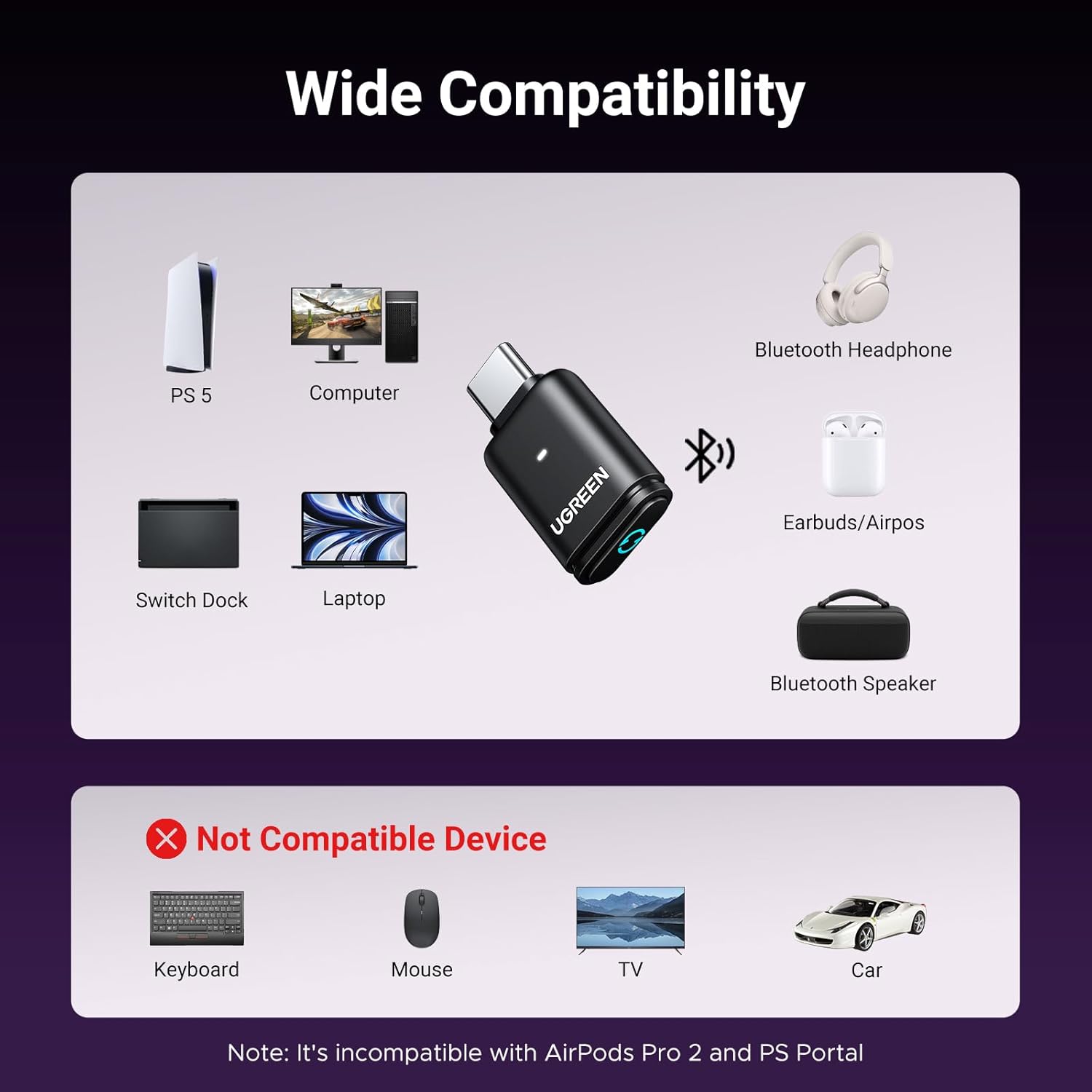
UGREEN USB-C Bluetooth Adapter for PS5
UGREEN USB-C Bluetooth Adapter for PS5, Bluetooth 5.3 Audio Adapter with APTX Low Latency & aptX-Adaptive, Wireless Audio Transmitter to Connect Wireless Headphones & Earbuds
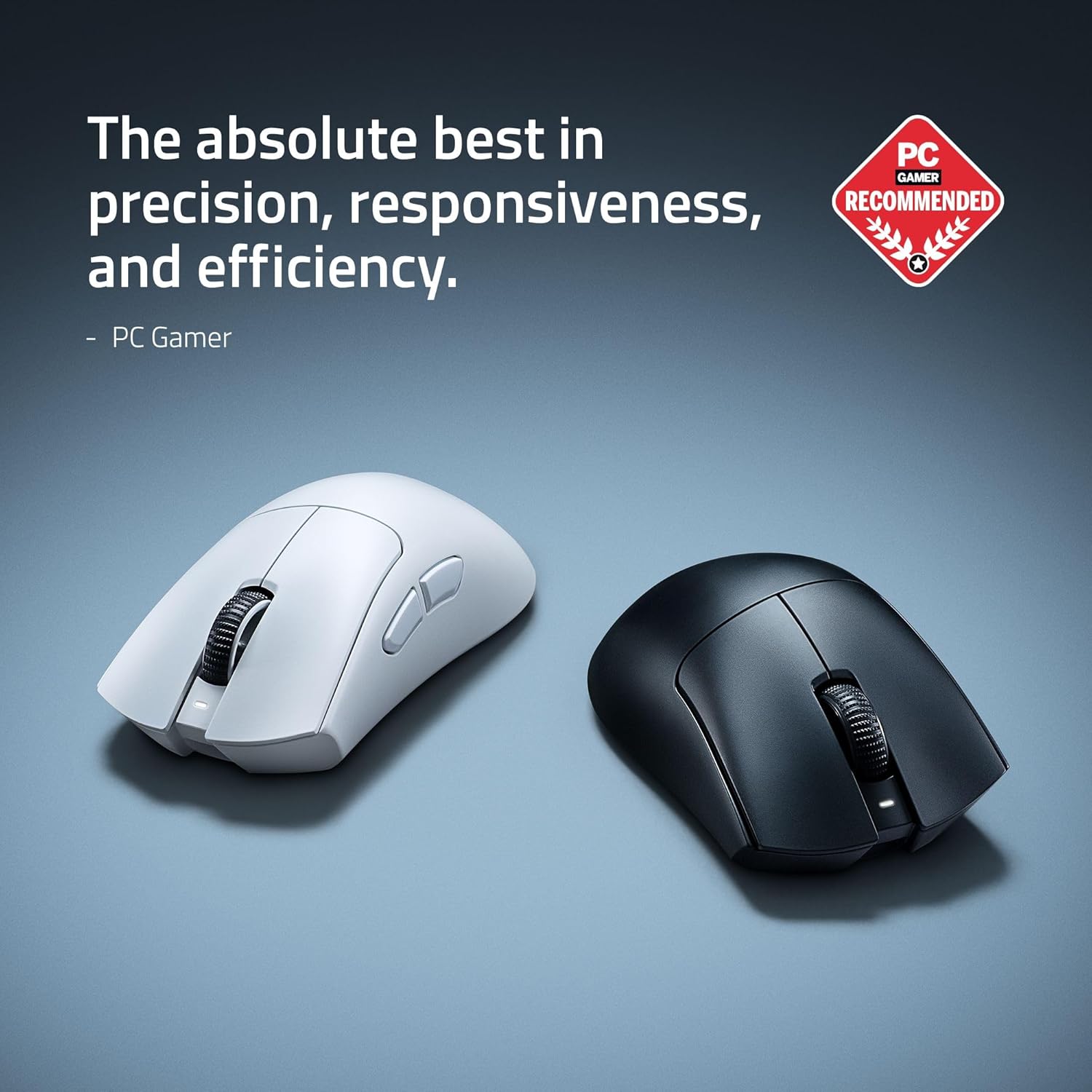
RAWM ES21 Wireless Gaming Mouse
Razer DeathAdder V4 Pro Wireless Gaming Mouse: 56g Lightweight - HyperSpeed Wireless Gen-2 - Optical Scroll Wheel - Optical Switches Gen-4 - Focus Pro 45K Sensor Gen-2 - Up to 150 Hr Battery
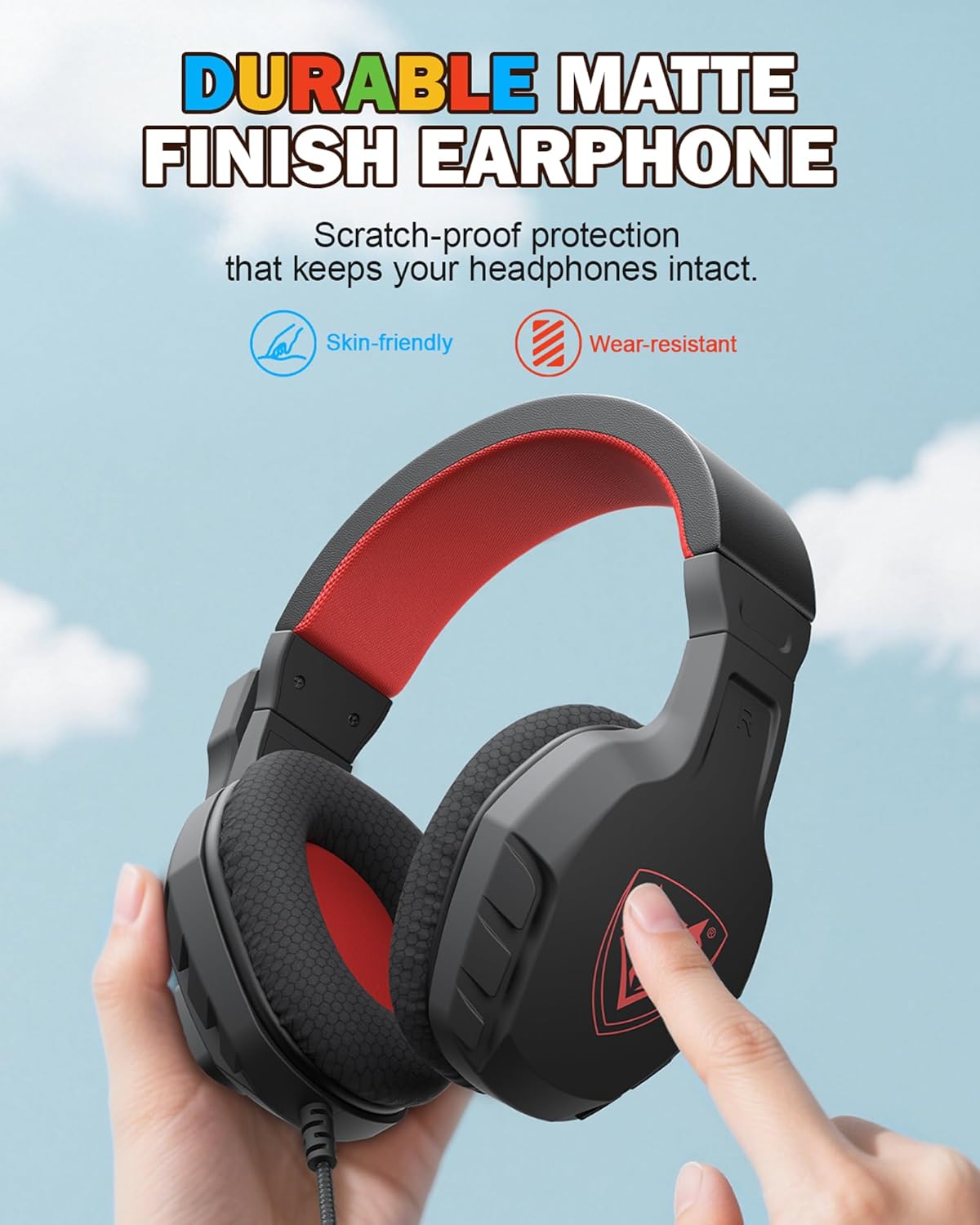
NUBWO U3 Gaming Headset
NUBWO U3 Gaming Headset with Microphone, Safe Volume Limited, Kids Headphones for Switch, Super Lightweight, Rich Sound, 3.5mm Jack for NS, PS4, PS5, Xbox, Tablet, iPad Computer, Red
interface sounds OGG
interface sounds, UI sound effects, UX sound effects, game UI sounds, mobile UI audio, notification sound effects, button click SFX, menu sounds, toggle switch sounds, error alert sounds