
Introduction
With more than 700 talks, workshops, and panels each year, the Game Developers Conference can feel overwhelming especially if it’s your first time attending. Choosing the right GDC sessions isn’t just about filling your schedule; it’s about identifying the talks that deliver real, long-term value for your career, studio, or game project.
This guide breaks down the must-attend session types, the hidden gems most attendees miss, and the content tracks that consistently deliver the highest ROI. Whether you’re a programmer, designer, producer, artist, audio engineer, or indie creator, this article helps you build a smarter GDC plan.
1. Understanding GDC Session Types (And Why They Matter)
GDC offers a wide mix of educational formats. Here’s a breakdown of what each type provides and who will benefit most.
1.1 Technical Sessions (Core Learning for Programmers)
If you’re a gameplay engineer, graphics programmer, or systems designer, technical sessions are the backbone of GDC.
These sessions often cover:
-
Rendering and GPU optimization
-
AI systems and machine learning workflows
-
Engine architecture updates
-
Performance debugging
-
Physics and simulation
Why attend: You get rare insights directly from the engineers who build tools used across the industry, including teams from Unreal, Unity, Valve, and NVIDIA.
Perfect for: Mid level programmers, technical directors, engine developers.
1.2 Game Design Sessions (Mechanics, Systems, and Player Behavior)
Design sessions help you build better gameplay, improve retention, and shape stronger user experiences.
Topics often include:
-
Systems design frameworks
-
Combat tuning
-
Level and environment design
-
Postmortems on indie and AAA titles
-
Narrative structure and player psychology
Why attend: Design sessions often include real project breakdowns what worked, what didn’t, and why.
1.3 Production & Leadership Sessions
Producers, product leads, and project managers should prioritize:
-
Pipeline optimization
-
Team communication
-
Task management
-
Cross-team workflows
-
Leadership strategies
Why attend: These sessions teach you how to prevent burnout, improve sprint cycles, and manage remote or hybrid development teams.
1.4 Business & Marketing Sessions
If you’re planning to publish a game or grow an indie studio, these sessions are critical.
Topics include:
-
Market research
-
Monetization strategy
-
Publishing contracts
-
Social media growth
-
Funding and grants
1.5 Workshops (Hands On Training)
Unlike talks, workshops are deep, practical sessions lasting 2–4 hours. You’ll build real content onsite.
Examples:
-
Shader development
-
Unreal Blueprint scripting
-
Procedural art workflows
-
Audio engineering
-
Performance debugging
Workshops fill up quickly reserve early.
1.6 Roundtables (Best Place to Interact with Experts)
Roundtables are smaller, discussion-based sessions where attendees speak directly with industry veterans.
Why they matter:
-
You can ask questions
-
You can get personalized insights
-
You can build real connections
-
You learn from other attendees’ challenges
2. The Most Valuable GDC Tracks (By Career Type)
To make GDC easier to navigate, here are the most impactful tracks for common roles.
| Role | Must-Attend Track |
|---|---|
| Programmers | Programming Track, Sponsored Engine Sessions |
| Designers | Game Design Track, UX Track |
| Artists | Visual Arts Track, Tooling Sessions |
| Audio Engineers | Audio Track, VR/Spatial Audio |
| Producers | Production & Team Leadership |
| Indie Developers | Business & Funding, Community Management |
| Students | Career Track, Portfolio Workshops |
3. 10 Must-Attend GDC Sessions (General Categories)
These categories consistently offer the highest value every year:
1. Major keynote presentations
Industry-defining announcements from top studios.
2. AAA postmortems
Example: “The Making of God of War”, “Postmortem: Baldur’s Gate 3”.
3. Rendering and graphics deep dives
For anyone working with shaders, lighting, or optimization.
4. AI/ML in game development
AI is one of the biggest GDC trends these sessions fill up instantly.
5. Level design breakdowns
Learn real workflows from real game launches.
6. Narrative design systems
Perfect for writers and story designers.
7. Indie showcase presentations
A goldmine for solo devs and small teams.
8. Unity & Unreal roadmap sessions
See what’s coming next in the tools you use daily.
9. Business & publishing panels
Ideal for teams planning to pitch.
10. Audio design & spatial sound sessions
Especially important for VR and AR development.
4. How to Build the Perfect GDC Session Schedule
4.1 Start with Your Goals
Before choosing sessions, define:
-
What skills you need to learn
-
Who you need to meet
-
What you want to improve in your project
Create a list of 3–5 goals.
4.2 Use the GDC App (Pro Strategy)
The official app helps you:
-
Build schedules
-
Track session capacity
-
Receive notifications
-
Bookmark speakers
-
Discover last-minute events
4.3 Balance Learning + Networking
Don’t overload your schedule with talks.
The best GDC experience =
50% sessions + 50% networking
5. Hidden Gem Sessions You Shouldn’t Miss
Indie Game Developer Roundtables
Small, honest discussions about challenges indie teams face.
Advanced Tooling Sessions
Engine teams share cutting-edge workflow improvements you won’t find online.
Career Development Workshops
Free resume reviews, mock interviews, and portfolio critiques.
Audio Pop Up Talks
Short sessions on mixing, spatial audio, and pipeline workflow.
6. Final Tips to Maximize the Value of GDC Sessions
-
Arrive 10–20 minutes early rooms fill fast
-
Prioritize speakers you admire
-
Take notes (especially on technical topics)
-
Don’t attend back to back talks all day
-
Talk to people after each session
-
Add speakers on LinkedIn
Conclusion
The right GDC sessions can transform your career, sharpen your skills, and expand your professional network. Whether you’re a coder, designer, or indie developer, planning your session strategy early ensures you get maximum value from the conference.
The Ultimate Guide to the Game Developers Conference (GDC): Everything Developers Need to Know
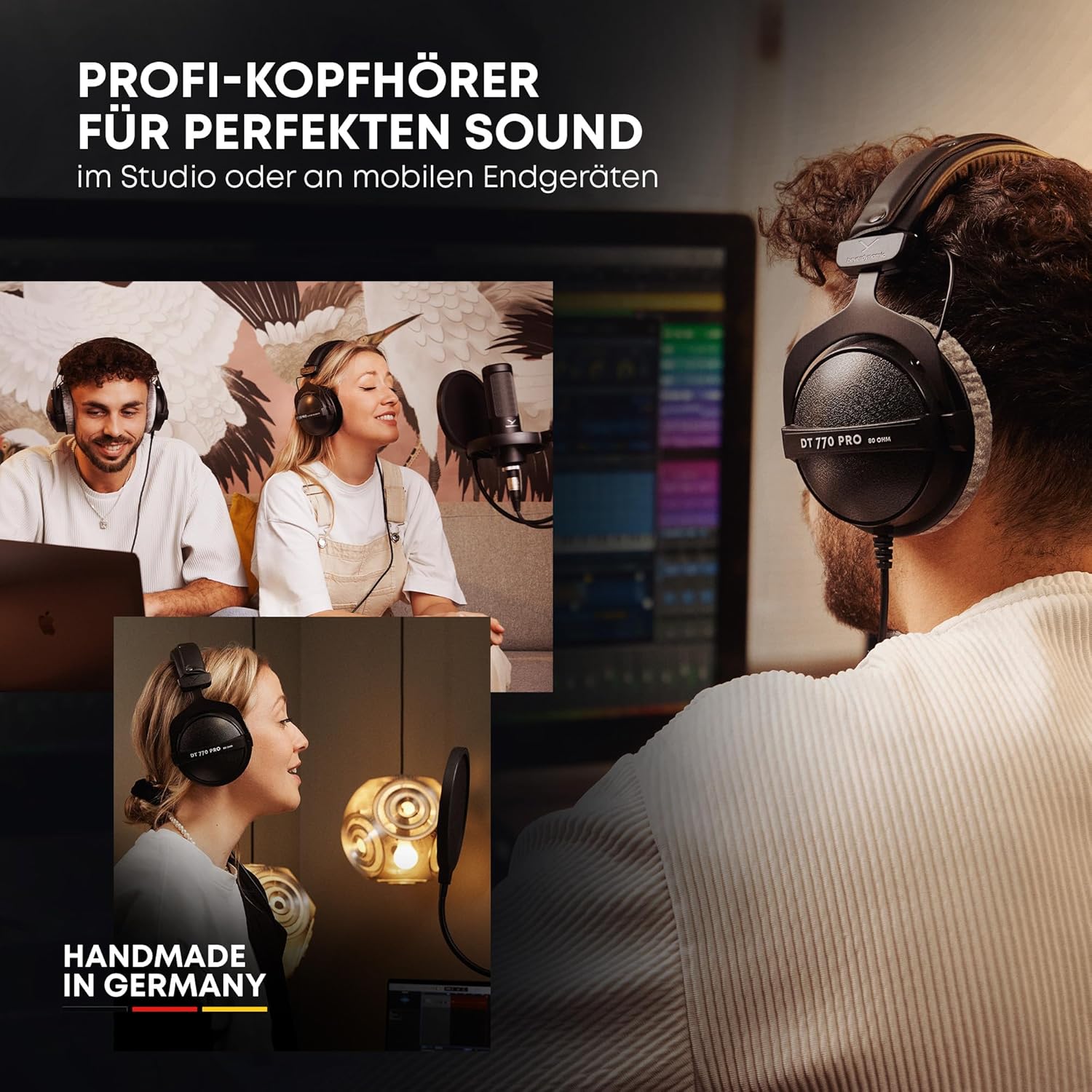
beyerdynamic DT 770 PRO 80 Ohm Over-Ear Studio Headphones in Gray
beyerdynamic DT 770 PRO 80 Ohm Over-Ear Studio Headphones in Gray. Enclosed Design, Wired for Professional Recording and Monitoring
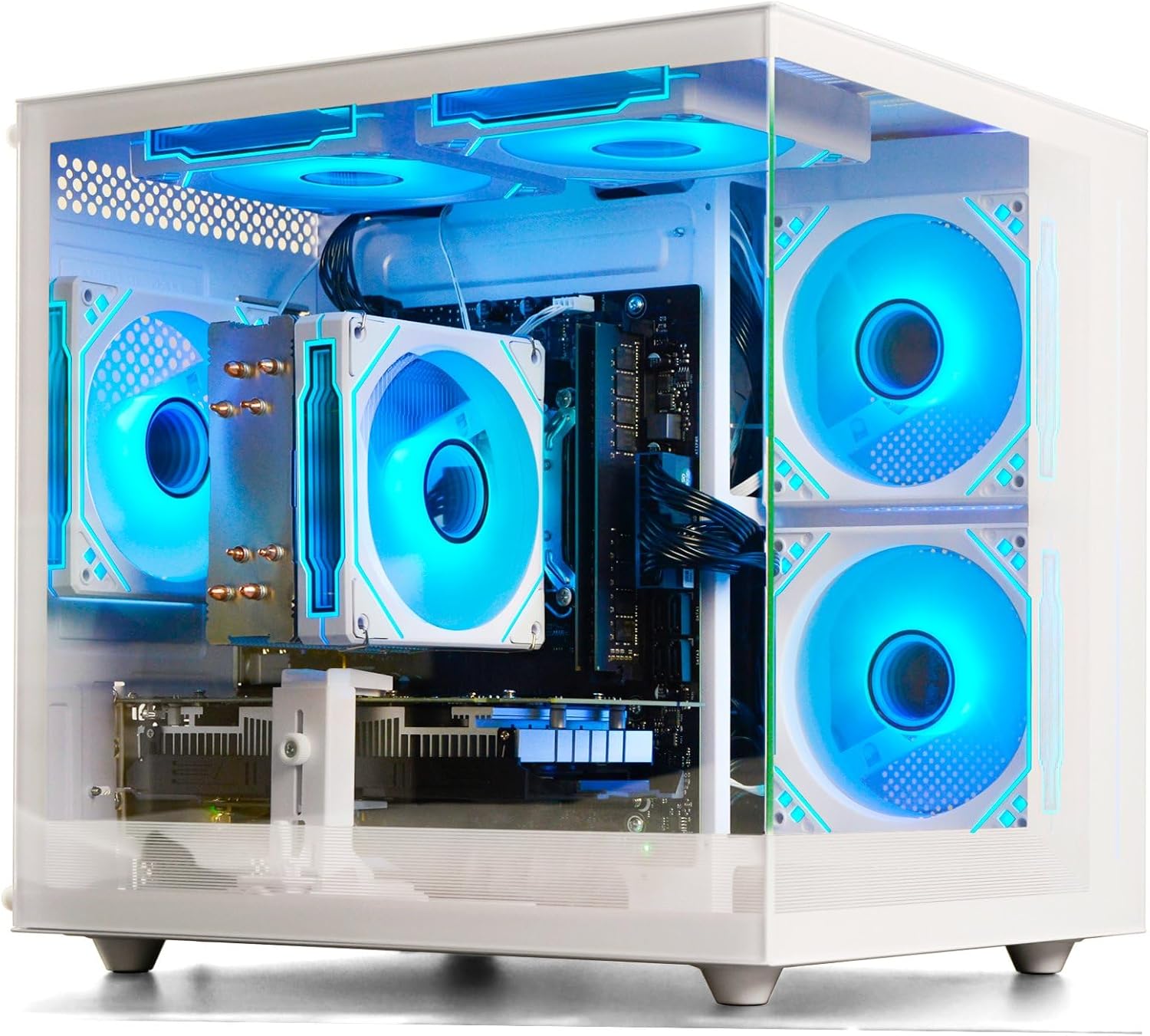
Prebuilt Gaming Desktop Computer
Prebuilt Gaming Desktop Computer | 16G Memory | 512G SSD | AMD Ryzen5 6Cores 3.6G Up to 4.1G | RX 560 4G Graphics Card | Wi-Fi 6 | Gamer PC White
Sound Healing 432 Hz
song transports the listener to a relaxed state of mindfulness and inner peace.
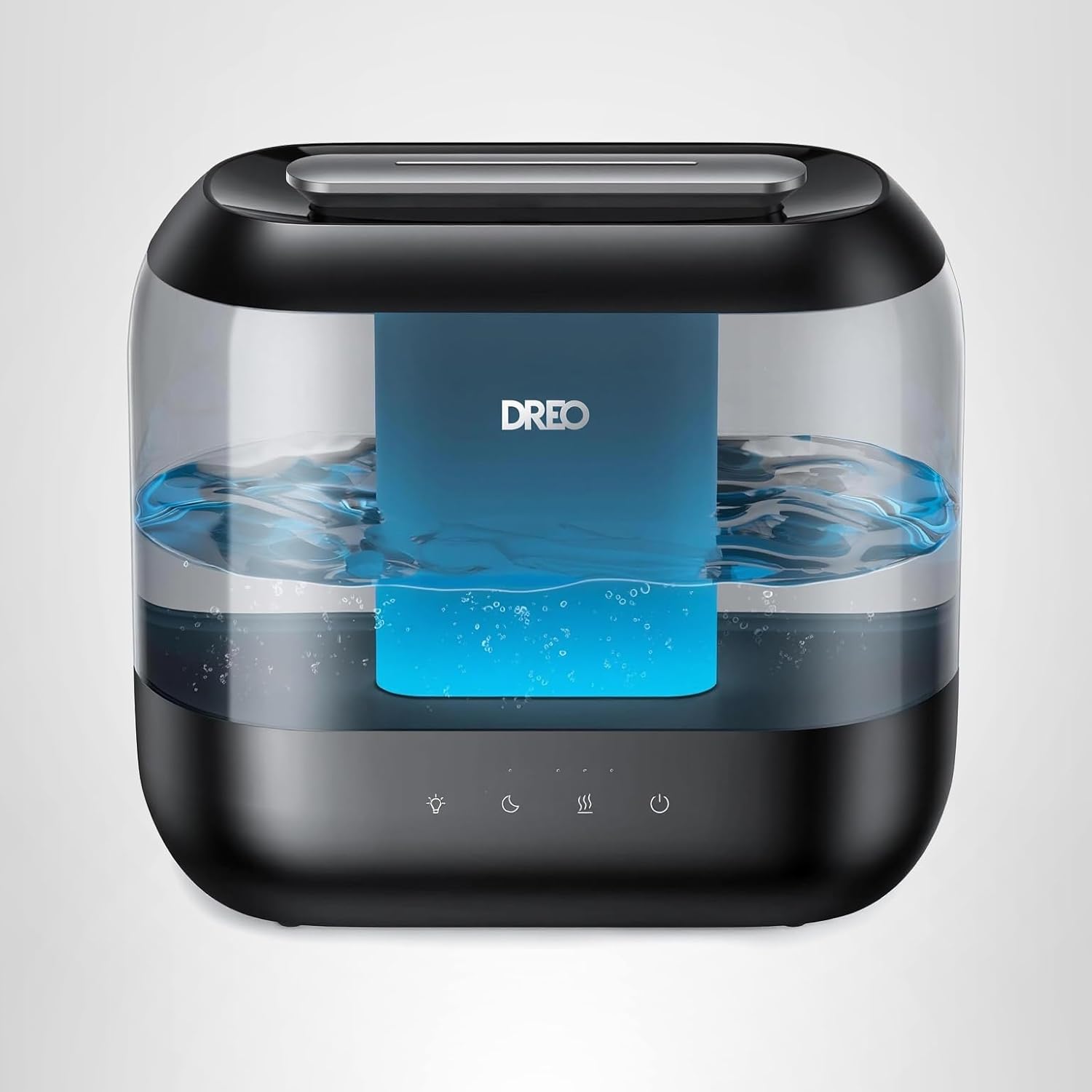
Dreo Humidifiers for Bedroom
Dreo Humidifiers for Bedroom, 4L Top Fill for Large Room, 36H Runtime, 28 dB Quiet Supersized Cool Mist Air Humidifier for Baby Nursery, Plants, Indoor, Night Light, Easy to Clean & Fill, Black

Logitech G
Logitech G PRO X SUPERLIGHT 2 Wireless Gaming Mouse
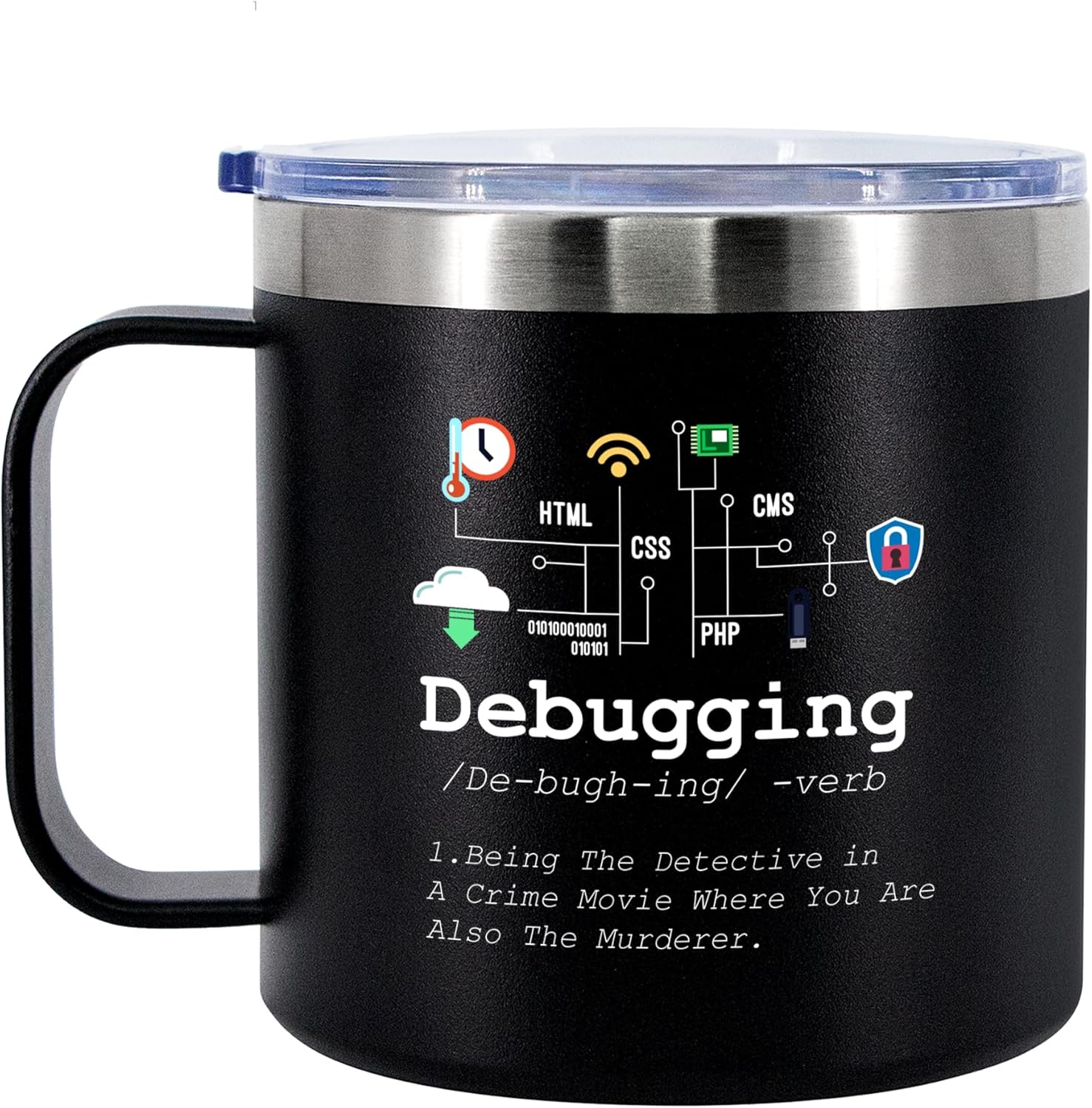
Panvola
Panvola Debugging Definition Computer Programmer Student Teacher Geek Coder Tech Support Programming IT Insulated Coffee Mug with Handle and Lid Camping Travel Thermal Mugs 14 oz Black