Valve is one of the most respected companies in the gaming industry.
and independence.
This article explains the main career opportunities at Valve and the skills needed
to succeed, in a beginner friendly way.
Understanding Valve’s work culture
Valve is famous for its flat organizational structure.
Employees choose projects based on where they can add the most value.
- Strong self-management is required
- Collaboration is essential
- Results matter more than job titles
Because of this culture, Valve hires people who are both skilled and highly motivated.
Game Designer
Game designers shape gameplay, rules, and player experience.
- Design levels and missions
- Create engaging gameplay mechanics
- Balance game systems
Skills needed:
- Strong understanding of games
- Level design and prototyping
- Experience with Hammer Editor
Gameplay Programmer
Programmers bring game ideas to life through code.
- Implement gameplay systems
- Fix bugs and optimize performance
- Work closely with designers and artists
Skills needed:
- Strong C++ programming
- Understanding of Source or Source 2
- Debugging and optimization skills
Technical Designer
Technical designers combine coding and game design.
- Create scripts and gameplay tools
- Prototype features quickly
- Support designers with technical solutions
Skills needed:
- Scripting and basic C++
- Understanding gameplay systems
- Problem-solving mindset
Artist and Technical Artist
Artists create the visual identity of Valve games.
- Model characters and environments
- Create textures and materials
- Optimize assets for performance
Skills needed:
- 3D tools like Blender or Maya
- Texturing with Substance Painter
- Understanding real-time rendering
Engine and Tools Programmer
These developers work on the core technology behind Valve games.
- Improve engine performance
- Build developer tools
- Support large scale systems
Skills needed:
- Advanced C++ knowledge
- Computer graphics fundamentals
- Engine architecture understanding
Quality Assurance (QA) and playtesting
QA plays a key role in making Valve games polished and stable.
- Test gameplay and systems
- Report bugs clearly
- Collaborate with developers
Many developers start their careers through QA or playtesting roles.
How to prepare for a career at Valve
- Create mods and custom maps
- Publish work on Steam Workshop
- Build a focused portfolio
- Contribute to game communities
Valve values practical experience more than formal degrees.
If you want to understand Valve game development in detail,
check our complete Valve Game Development guide.
Conclusion
Valve offers diverse career opportunities for developers, designers, artists,
and engineers. Success requires strong technical skills, creativity,
and the ability to work independently.
By building real projects and gaining practical experience,
beginners can move closer to a career in Valve game development.
Make Your First 2D Game in Unity
Want to build your first game but don’t know where to start? This beginner-friendly guide shows you how to create SampleGame2D — a fun Flappy Bird–style project — step by step in Unity. Inside you’ll learn:

beyerdynamic DT 770 PRO 80 Ohm Over-Ear Studio Headphones in Gray
beyerdynamic DT 770 PRO 80 Ohm Over-Ear Studio Headphones in Gray. Enclosed Design, Wired for Professional Recording and Monitoring
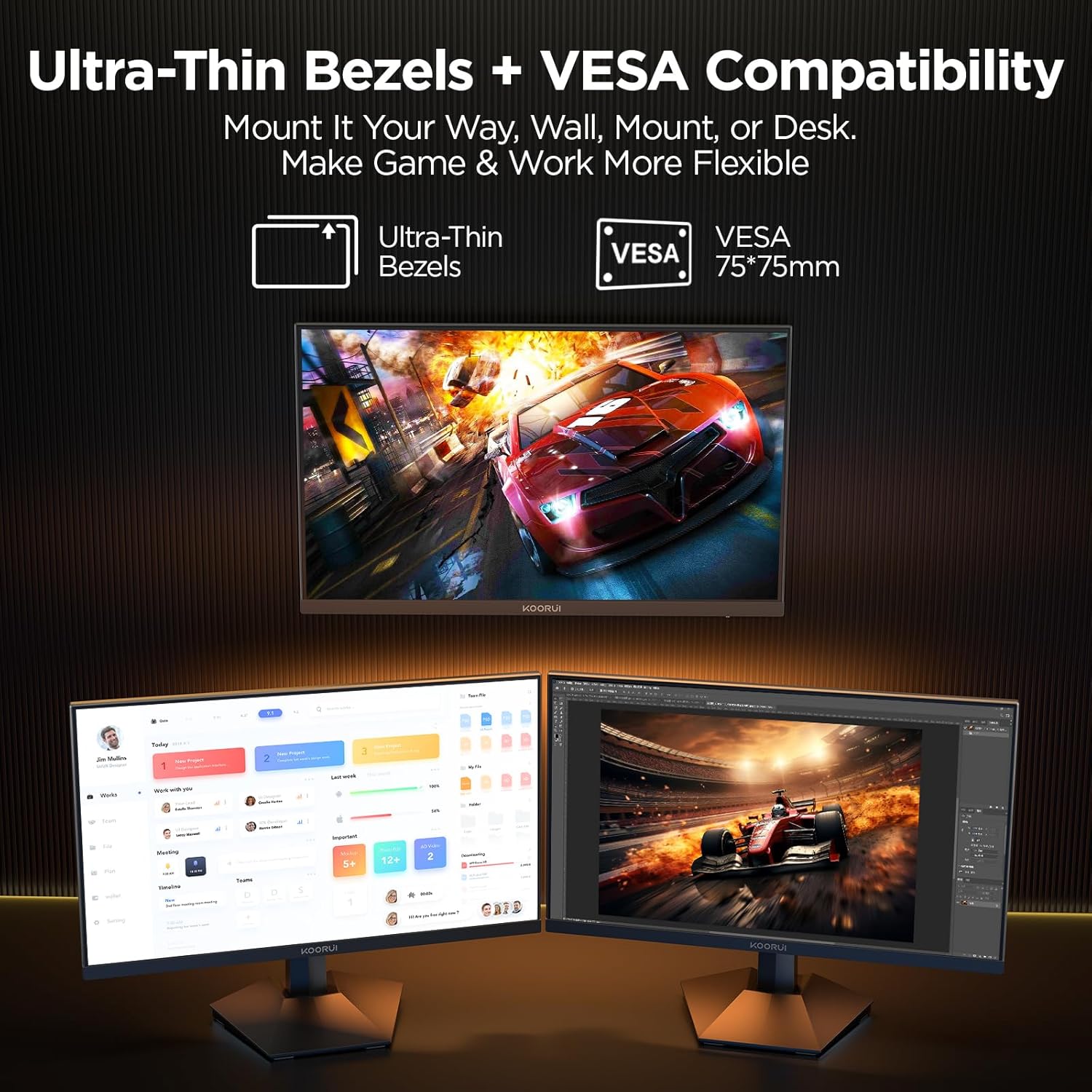
KOORUI
KOORUI 24.5 Inch Gaming Monitor 200Hz, 1ms, FHD(1920 * 1080p) IPS Display, HDR400, 90% DCI-P3 Color Gamut with Adaptive Sync, HDMI & DP Port, Black, G2511P
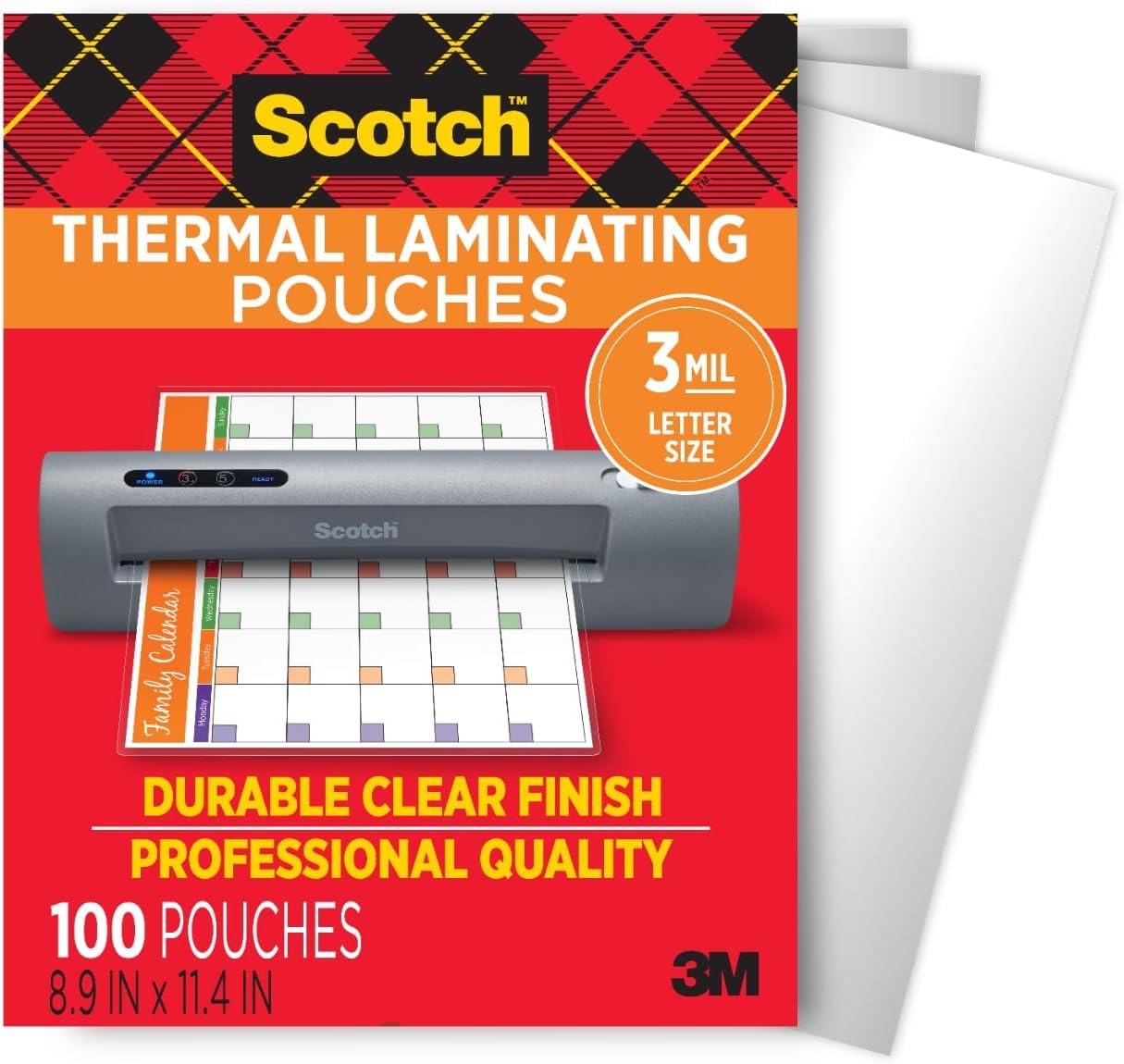
Scotch Thermal Laminating Pouches
Scotch Thermal Laminating Pouches, for Use with Thermal Laminators, 8.9 x 11.4 Inches, Letter Size Sheets, 100-Pack
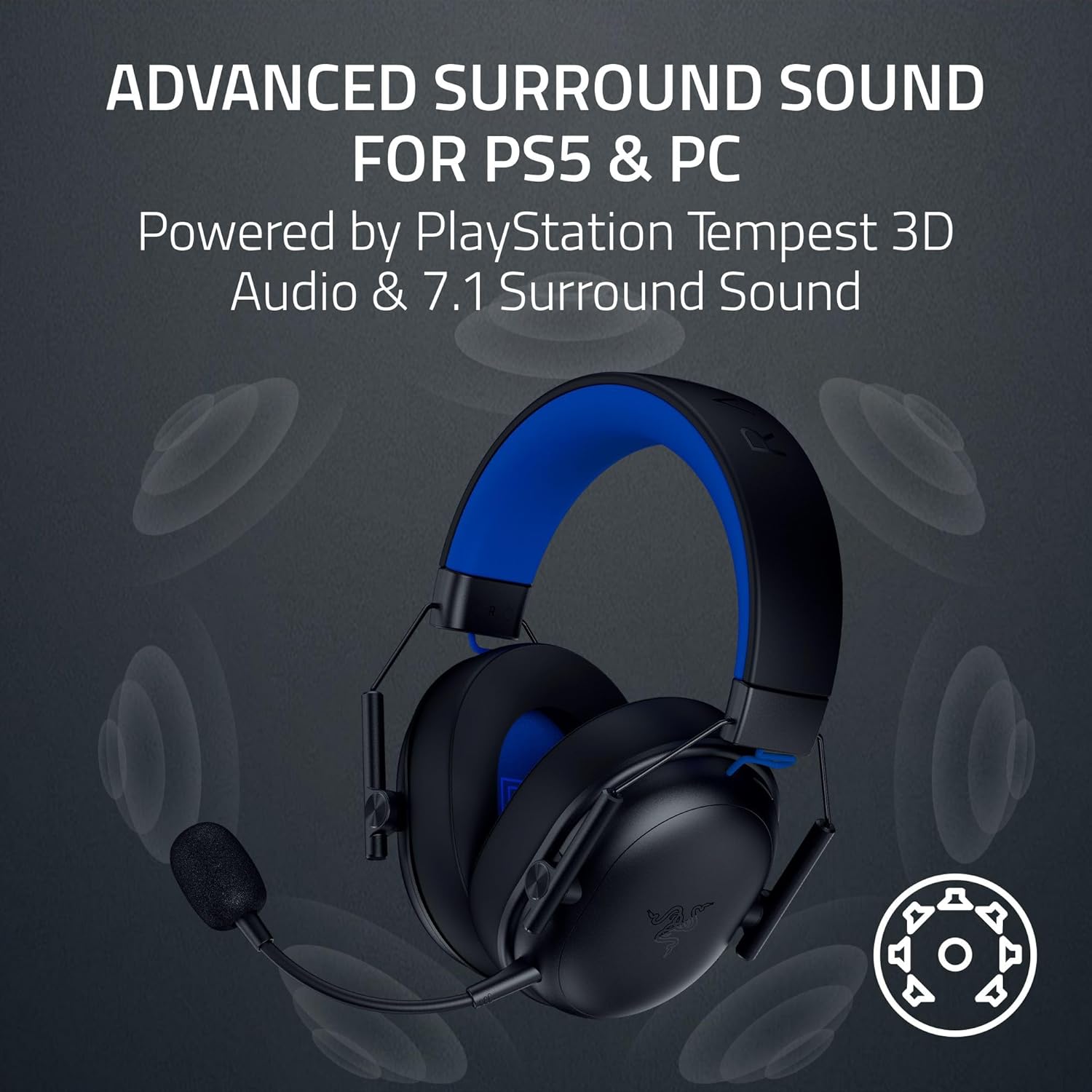
Results
Razer BlackShark V3 X HyperSpeed Wireless Gaming Headset for PS5: 50mm Drivers – Cardioid Mic – 2.4 GHz, Bluetooth – Works with PC, Mac, Nintendo Switch, Smartphone – Long Battery Life – Black
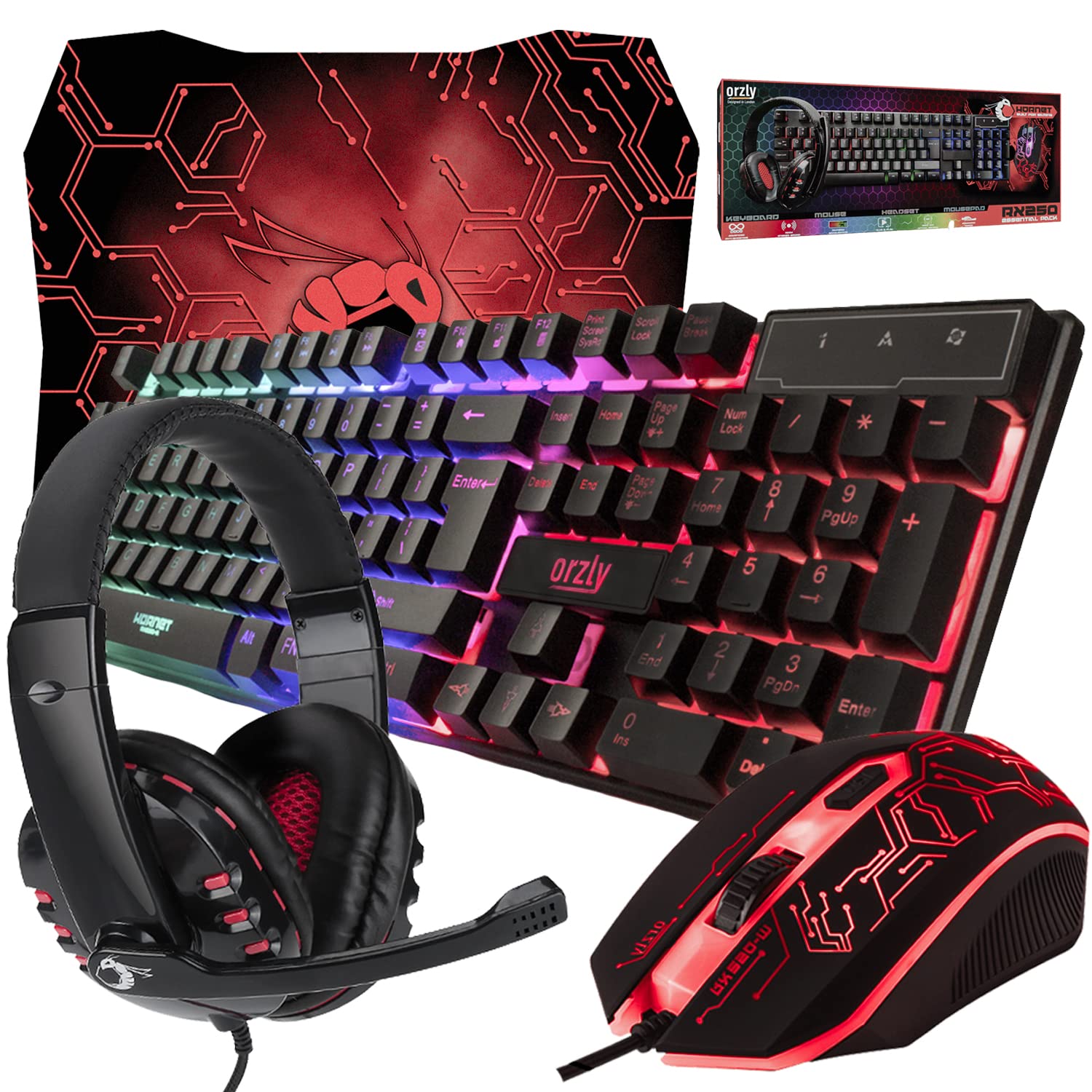
Gaming Keyboard and Mouse and Mouse pad and Gaming Headset, Wired LED RGB Backlight Bundle
Gaming Keyboard and Mouse and Mouse pad and Gaming Headset, Wired LED RGB Backlight Bundle for PC Gamers and Xbox and PS4 Users – 4 in 1 Edition Hornet RX-250