Valve Corporation, founded in 1996 by Gabe Newell and Mike Harrington, revolutionized the gaming industry with its innovative games and development philosophy. Known for titles like Half-Life, Portal, and Team Fortress, Valve has consistently pushed boundaries in game design, mod support, and digital distribution via Steam.
This guide is for aspiring game developers, modders, and gamers curious about Valve’s unique approach to creating engaging experiences. We will cover Valve’s history, game engines, development philosophy, modding community, and actionable lessons for your own game projects.
History of Valve and Major Game Titles
- 1996–1998: Foundation & Half-Life – Half-Life (1998), revolutionary storytelling, first-person perspective
- 2000–2004: Multiplayer and Expansion – Counter-Strike mod → standalone, Team Fortress Classic
- 2007–2011: Portal & Steam – Portal (2007), Left 4 Dead series, Steam platform expansion
- 2013–Present: Source 2 Engine & VR – Dota 2 Reborn, Half-Life: Alyx, focus on VR and user-generated content
Timeline of Valve Games
| Year | Title | Key Feature |
|---|---|---|
| 1998 | Half-Life | Story-driven FPS |
| 2000 | Counter-Strike | Multiplayer revolution |
| 2007 | Portal | Puzzle innovation |
| 2011 | Portal 2 | Physics-based puzzles |
| 2013 | Dota 2 Reborn | Source 2 engine |
| 2020 | Half-Life: Alyx | VR-first experience |
Game Engines – Source & Source 2
Source Engine: Realistic physics, advanced AI, mod-friendly. Powers Half-Life 2, Counter-Strike: Source, Portal.
Source 2 Engine: Improved graphics, VR-ready, optimized for Dota 2. Better modding tools and asset management.
Source vs Source 2 – Quick Comparison
| Feature | Source | Source 2 |
|---|---|---|
| Graphics | High | Ultra, better lighting |
| VR Support | No | Yes |
| Physics | Havok | Enhanced |
| Modding | Yes | Improved workflow |
| Popular Games | HL2, CS:S | Dota 2, HL:A |
Valve Development Philosophy
- Flat organizational structure (no bosses, self-management)
- Employees choose projects they are passionate about
- Emphasis on iterative design and peer feedback
- Transparency and documentation culture
Key Takeaways for Developers
- Autonomy drives creativity
- Iteration > perfection at first release
- Encourage internal playtesting
Modding Community and Support
- Steam Workshop integrates user mods directly
- Examples: Counter-Strike from Half-Life mod, Garry’s Mod from Half-Life 2
- Benefits: expands game lifespan, engages community, feedback loop for developers
Lessons for Aspiring Game Developers
- Study existing engines like Source for inspiration
- Focus on strong core mechanics before graphics
- Build community engagement (mods, forums)
- Be open to iterative feedback
- Document and share your workflow
-
- Modding Valve Games: How to Create Mods for Source Engine Titles
- Career Paths in Valve Game Development: From Designer to Programmer
- Essential Tools and Software for Valve Game Development
- Career Paths in Valve Game Development: How to Join the Team
- Tools and Game Engines Used in Valve Game Development
- Career Opportunities in Valve Game Development: Roles and Skills Needed
- Valve Game Engine: Mastering Source Engine and Steamworks Integration
- Valve VR Game Development: How to Create Immersive Experiences on SteamVR
Conclusion
Valve’s approach blends technical innovation with community involvement and a unique work culture. By studying their history, engines, and philosophy, aspiring developers can adopt strategies that make games engaging, sustainable, and mod friendly. Explore our satellite guides for deeper insights into Source engine and modding workflows.
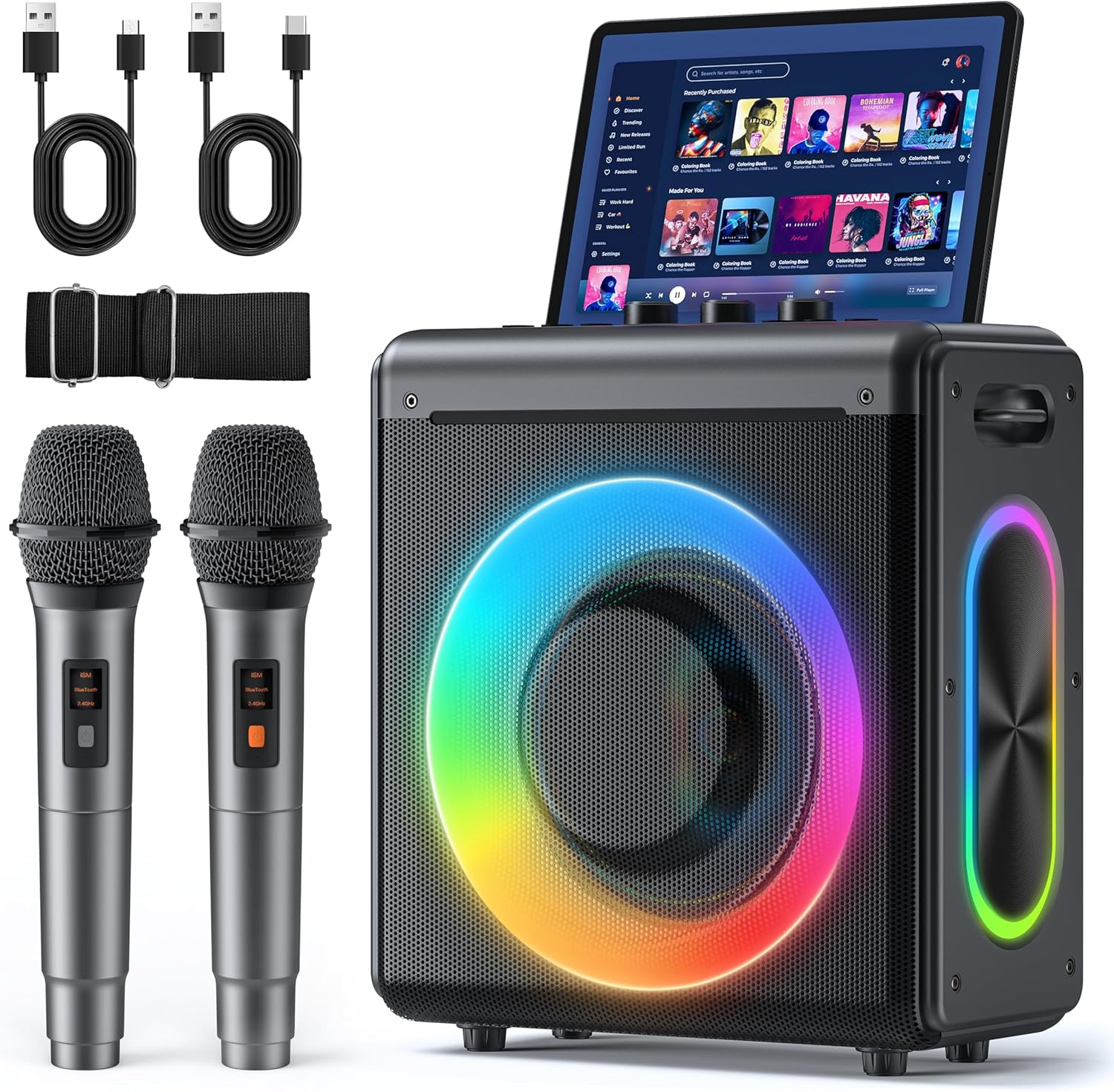
Karaoke Machine
Karaoke Machine with 2 Wireless Rechargeable Microphones: Portable Bluetooth Speaker for Adults & Kids – PA System with Lights Supports TWS/TF Card/USB/AUX for Home Party
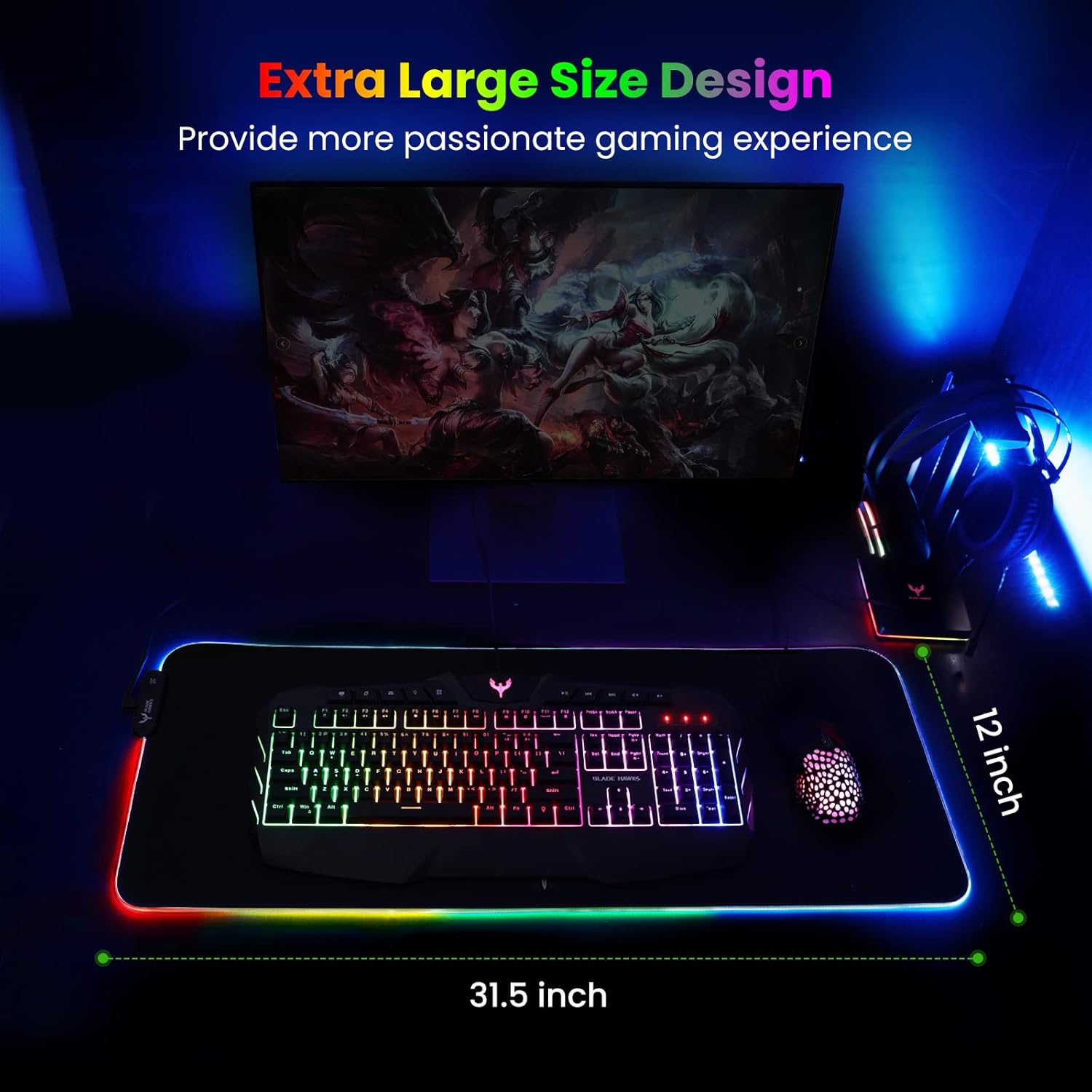
Mouse Pad
BladeHawks Extra Large RGB Gaming Mouse Pad-14 Light Modes, Extended Soft LED Mouse Pad, Anti-Slip Rubber Base, Computer Keyboard Mousepad Mat (31.5 x 12 Inch)
Make Your First 2D Game in Unity
Want to build your first game but don’t know where to start? This beginner-friendly guide shows you how to create SampleGame2D — a fun Flappy Bird–style project — step by step in Unity. Inside you’ll learn:

AULA F99 Wireless Mechanical Gaming Keyboard
AULA F99 Wireless Mechanical Keyboard,Tri-Mode BT5.0/2.4GHz/USB-C Hot Swappable Custom Keyboard,Pre-lubed Linear Switches,RGB Backlit Computer Gaming Keyboards for PC/Tablet/PS/Xbox
interface sounds OGG
interface sounds, UI sound effects, UX sound effects, game UI sounds, mobile UI audio, notification sound effects, button click SFX, menu sounds, toggle switch sounds, error alert sounds
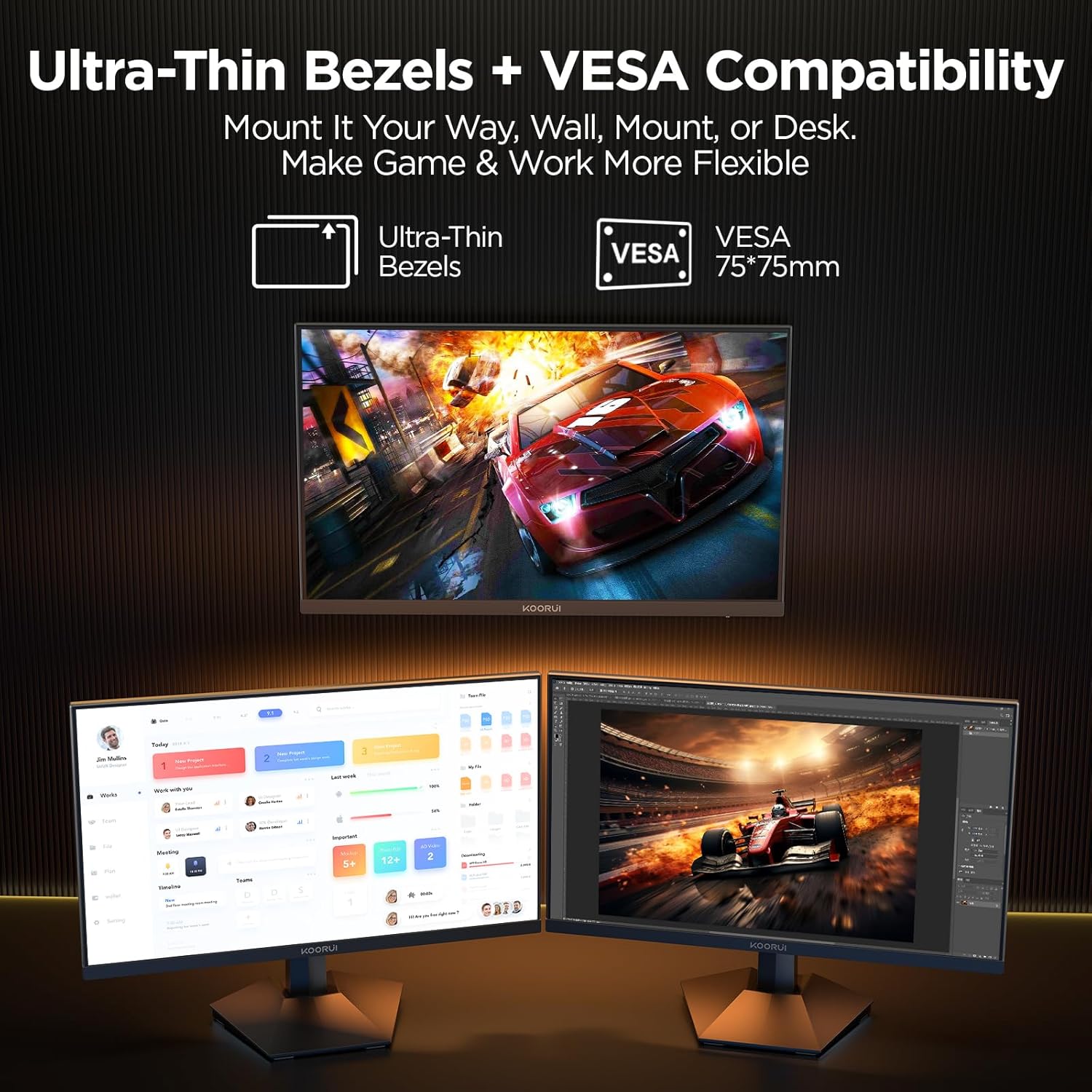
KOORUI
KOORUI 24.5 Inch Gaming Monitor 200Hz, 1ms, FHD(1920 * 1080p) IPS Display, HDR400, 90% DCI-P3 Color Gamut with Adaptive Sync, HDMI & DP Port, Black, G2511P