Behind these games is a powerful set of tools and game engines designed for performance,
flexibility, and creativity.
This guide explains the main tools and engines used in Valve game development,
in a beginner-friendly way.
Source Engine: The foundation of Valve games
The Source Engine is Valve’s original game engine.
It powers classic games such as:
- Half-Life 2
- Counter-Strike: Source
- Team Fortress 2
- Portal
Key features of Source Engine:
- Advanced physics using Havok
- Strong modding support
- Efficient multiplayer networking
- Scalable performance for low and high-end PCs
For beginners, Source is a great engine to learn game logic, level design, and multiplayer basics.
Source 2 Engine: The next generation
Source 2 is Valve’s modern engine used in newer titles like:
- Dota 2
- Half-Life: Alyx
Improvements in Source 2 include:
- Better graphics and lighting
- Improved tools and workflows
- Native VR support
- Faster iteration for developers
Source 2 focuses on empowering creators and modders with modern pipelines.
Hammer Editor: Level design tool
Hammer Editor is Valve’s official level design tool.
It allows designers to:
- Create maps and levels
- Place entities and gameplay logic
- Design multiplayer environments
Hammer is widely used in modding communities and is one of the best entry points
into Valve game development.
Source SDK and scripting tools
The Source SDK provides developers with tools to extend and customize gameplay.
- C++ programming for core systems
- Scripting for gameplay logic
- Access to game entities and events
This allows developers to create mods, new game modes, and custom mechanics.
SteamVR: Virtual Reality development
Valve is a leader in VR gaming through SteamVR.
It provides tools to build immersive VR experiences.
- Motion controller support
- Room-scale VR
- Performance optimization for VR
SteamVR is essential for developers working on VR titles like Half-Life: Alyx.
Steam Workshop & publishing tools
Valve encourages community creation through Steam Workshop.
- Upload mods and maps
- Get community feedback
- Gain visibility as a developer
Many professional Valve developers started by publishing mods on Steam Workshop.
External tools used alongside Valve engines
Valve developers also rely on industry-standard software:
- Blender / Maya – 3D modeling
- Substance Painter – Texturing
- Photoshop – UI and textures
- Visual Studio – Programming
- Git – Version control
Why Valve’s toolchain is unique
- Strong focus on modding
- Tools are built by developers for developers
- Deep integration with Steam ecosystem
This ecosystem allows rapid experimentation and long-term game support.
If you want to understand Valve game development in detail,
check our complete Valve Game Development guide.
Conclusion
Valve game development relies on powerful engines and tools built for creativity,
performance, and community driven content.
Starting with Source and Hammer Editor is an excellent way for beginners to learn,
while Source 2 and SteamVR open the door to next-generation and VR game development.
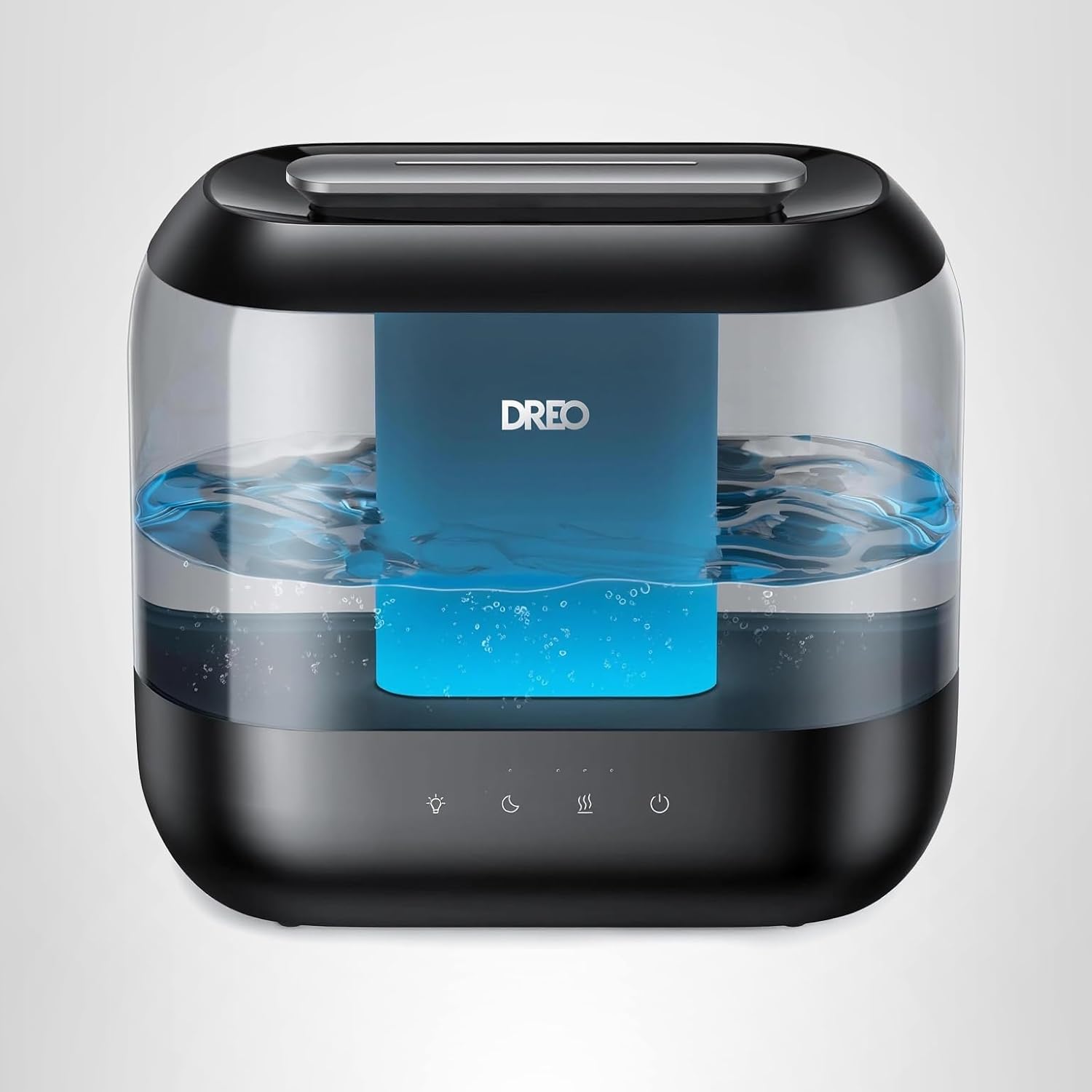
Dreo Humidifiers for Bedroom
Dreo Humidifiers for Bedroom, 4L Top Fill for Large Room, 36H Runtime, 28 dB Quiet Supersized Cool Mist Air Humidifier for Baby Nursery, Plants, Indoor, Night Light, Easy to Clean & Fill, Black

ESR for MagSafe Wallet
ESR for MagSafe Wallet, 5-Card Holder With RFID Blocking, MagSafe Sticker Included, Slim Magnetic Wallet for iPhone 17/16/15/14/13/12 Series and Selected Samsung Devices, Not for 13/12 Mini, Black
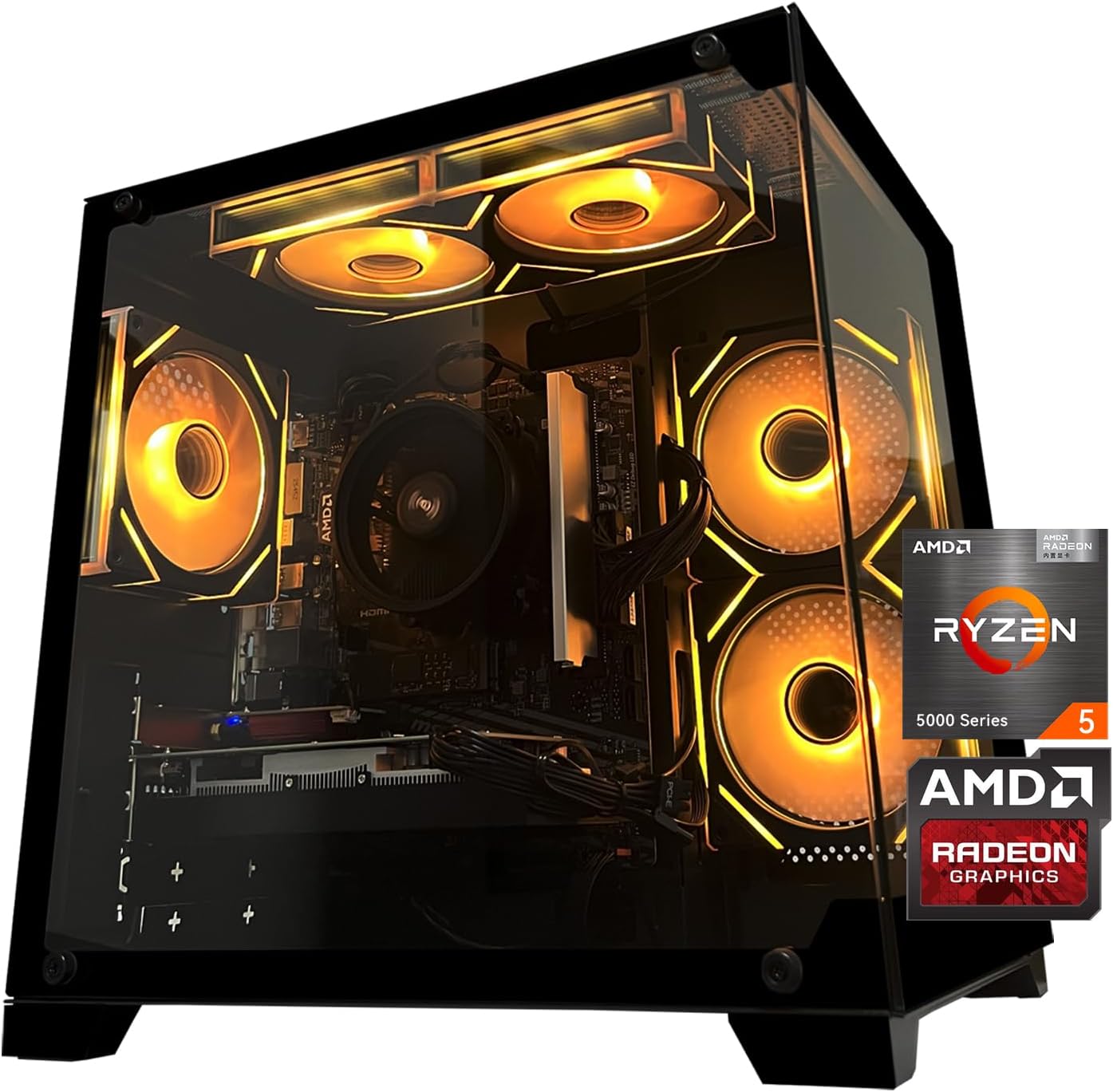
Gaming PC Desktop Computer, AMD
Gaming PC Desktop Computer, AMD Ryzen 5 5500, RX6500XT 4GB Graphics, 16GB DDR4 RAM, 512GB NVMe SSD, ARGB Fans, Game Design Office
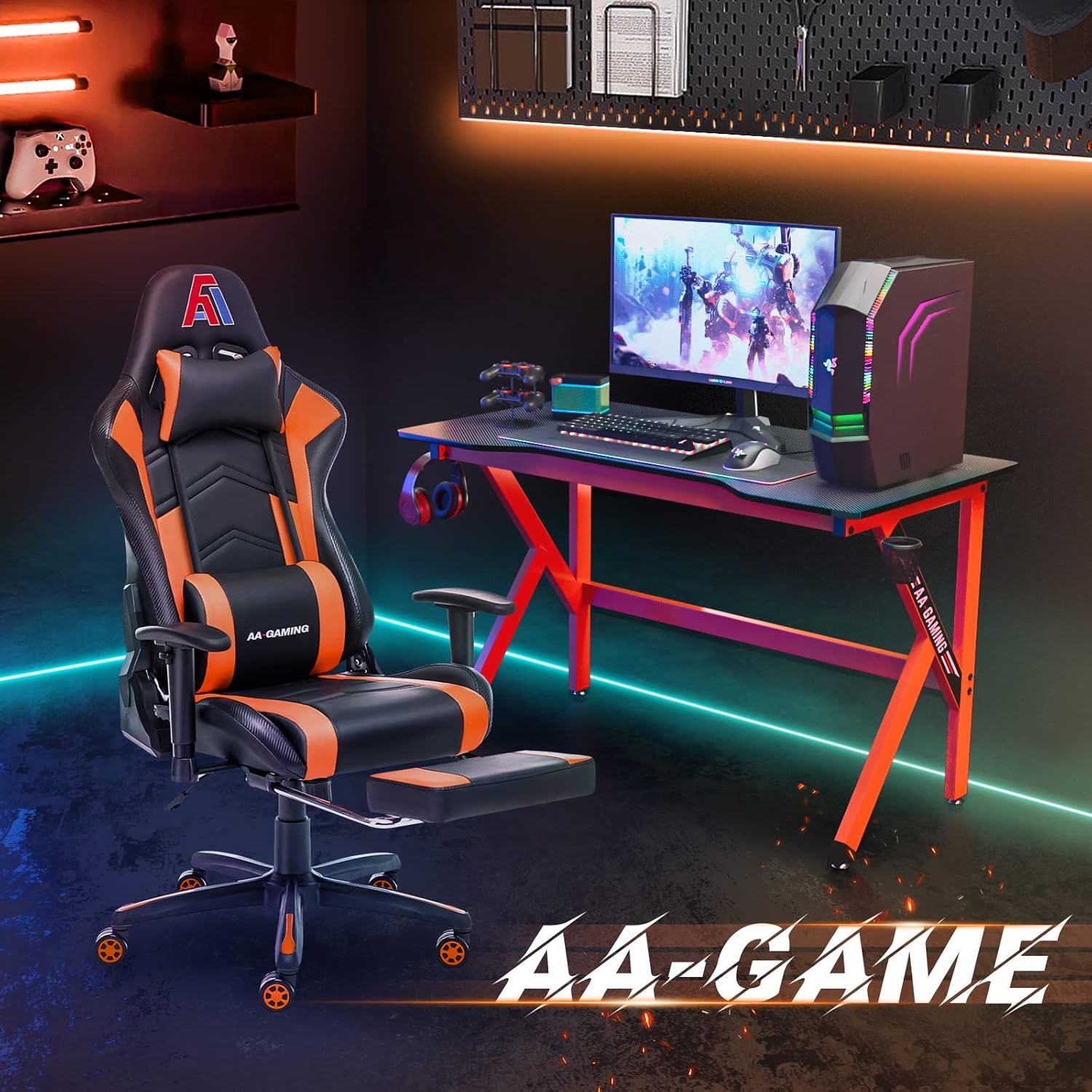
AA Products High Back Ergonomic Gaming Chair
AA Products Gaming Chair Ergonomic High Back Computer Racing Chair Adjustable Office Chair with Footrest, Lumbar Support Swivel Chair – BlackOrange

Blink Video Doorbell
Blink Video Doorbell (newest model) – Head-to-toe HD view, two-year battery life, and simple setup. Required Sync Module not included – Add-On (Black)

Amazon Fire 7 Kids tablet
Amazon Fire 7 Kids tablet, ages 3-7. Top-selling 7\" kids tablet on Amazon. Includes ad-free and exclusive content, easy parental controls, 10-hr battery, 16 GB, Blue