Valve is one of the most respected companies in the gaming industry. This guide explains the main career paths in Valve game development, what skills each role requires, and how beginners can start working toward these jobs.
How game development works at Valve
Valve is known for its flat structure. Unlike traditional studios, developers at Valve often:
- Work in small, flexible teams
- Choose projects based on interest and skill
- Combine multiple roles (design + code, art + tools)
Because of this, Valve values multi skilled developers who understand both technical and creative aspects of games.
Main career paths at Valve
1. Game Designer
Game designers focus on how the game plays.
Main responsibilities:
- Designing gameplay mechanics
- Balancing weapons and systems
- Creating levels and player experiences
Key skills:
- Strong understanding of gameplay systems
- Level design using Hammer Editor
- Basic scripting knowledge
Beginner tip:
Start by creating custom maps and mods for Half-Life or Counter-Strike.
2. Gameplay Programmer
Programmers bring the game to life using code.
Main responsibilities:
- Writing gameplay systems
- Implementing weapons, movement, AI
- Fixing bugs and optimizing performance
Key skills:
- C++ (very important)
- Source / Source 2 engine knowledge
- Math and problem-solving
Beginner tip:
Study Source engine code, remake simple mechanics, and contribute to mods.
3. Technical Designer (Hybrid Role)
This role combines design and programming.
Main responsibilities:
- Prototyping gameplay features
- Creating tools and scripts
- Bridging designers and programmers
Why Valve loves this role:
Technical designers fit Valve’s culture of flexible, self-sufficient developers.
4. Artist / Technical Artist
Artists create the visual content of Valve games.
Main responsibilities:
- 3D modeling and texturing
- Lighting and visual polish
- Shader and tool development (technical artists)
Tools used:
- Blender, Maya
- Substance Painter
- Source 2 material system
5. Tools & Engine Programmer
This is a more advanced and technical path.
Main responsibilities:
- Improving Source 2 engine tools
- Editor and workflow optimization
- Performance and rendering systems
Who fits this role:
Experienced C++ developers with deep engine knowledge.
How to choose the right path (beginner guide)
| If you enjoy… | Best path |
|---|---|
| Gameplay ideas & level creation | Game Designer |
| Coding and problem-solving | Gameplay Programmer |
| Both design and code | Technical Designer |
| Visual art & graphics | Artist / Technical Artist |
Building a portfolio for Valve
Valve hires based on proof, not diplomas. A good portfolio should include:
- Playable mods or Steam Workshop items
- Source engine maps or projects
- Code samples (GitHub)
- Clear documentation of what you did
If you want to understand Valve game development in detail,
check our complete Valve Game Development guide.
Conclusion
Valve game development careers are flexible, demanding, and rewarding. Whether you choose design, programming, art, or a hybrid role, success comes from building real projects, understanding the Source engine, and continuously learning.
If you are serious about working on Valve-style games, start modding, build tools, and create something players can actually use.
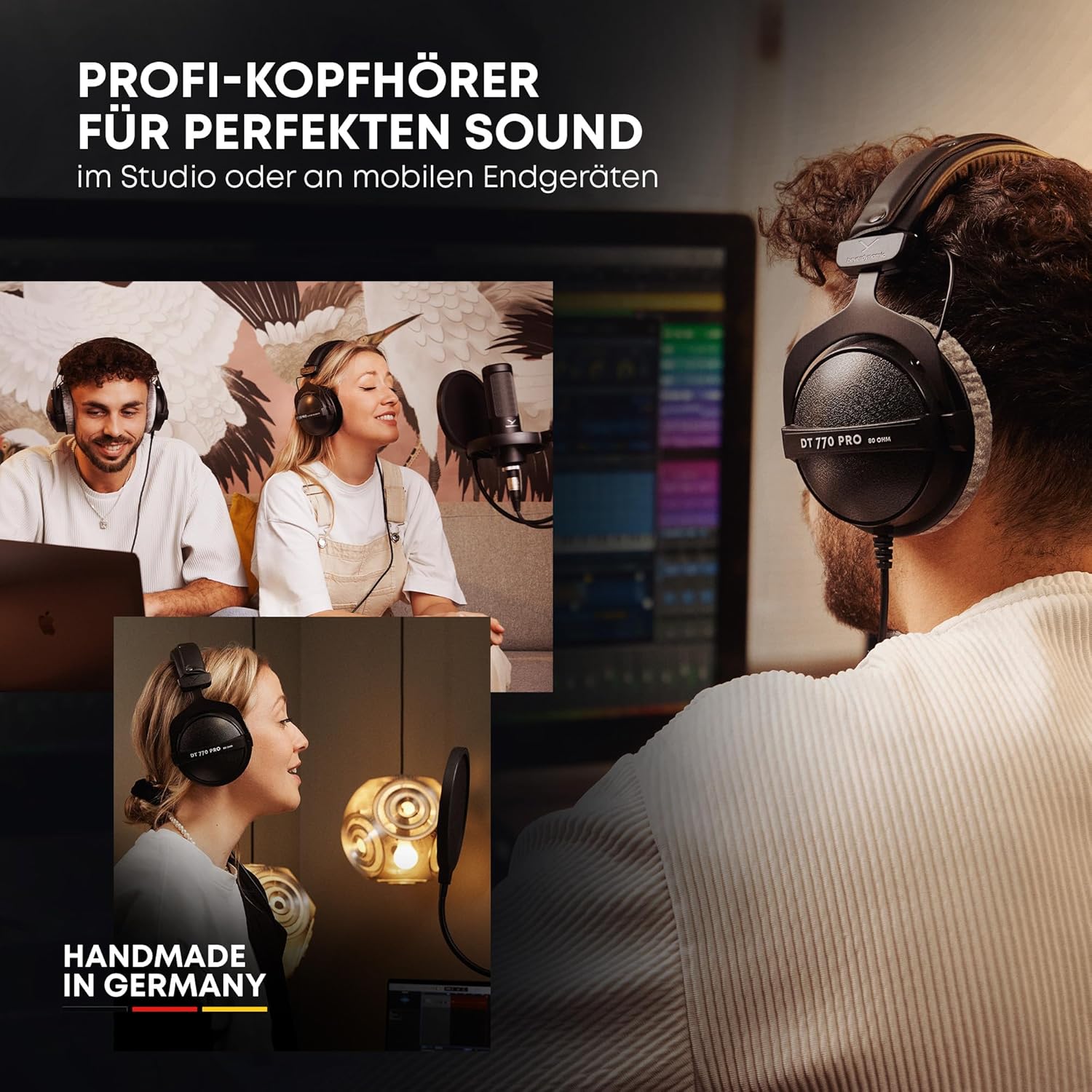
beyerdynamic DT 770 PRO 80 Ohm Over-Ear Studio Headphones in Gray
beyerdynamic DT 770 PRO 80 Ohm Over-Ear Studio Headphones in Gray. Enclosed Design, Wired for Professional Recording and Monitoring
Ultimate Mobile Controls – Plug & Play
Take your mobile game to the next level with this ready-to-use Mobile Controls Pack. customizable mobile controls without wasting days on UI and input setup. Perfect for 2D, 3D, FPS, RPG, Platformer, Shooter, and Casual mobile games.
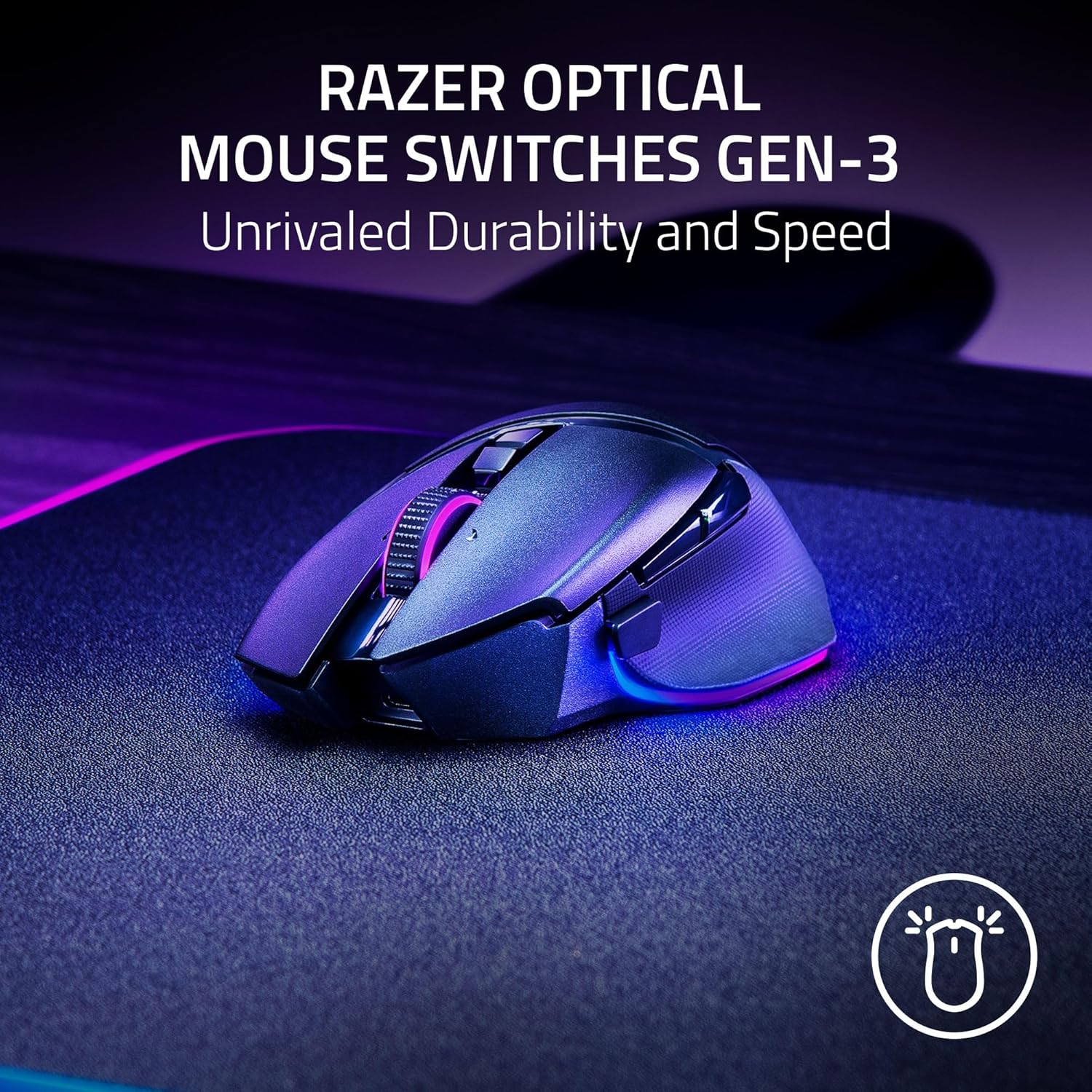
Razer
Razer Basilisk V3 Pro 35K Wireless Gaming Mouse: HyperScroll Tilt Wheel – 35K DPI Optical Sensor Gen 2-13 Customizable Controls – Chroma RGB – Optical Switches Gen 3 – Up to 140 Hr Battery – Black
Razer
Razer Basilisk V3 Pro 35K Wireless Gaming Mouse: HyperScroll Tilt Wheel – 35K DPI Optical Sensor Gen 2-13 Customizable Controls – Chroma RGB – Optical Switches Gen 3 – Up to 140 Hr Battery – Black

Logitech G
Logitech G PRO X SUPERLIGHT 2 Wireless Gaming Mouse
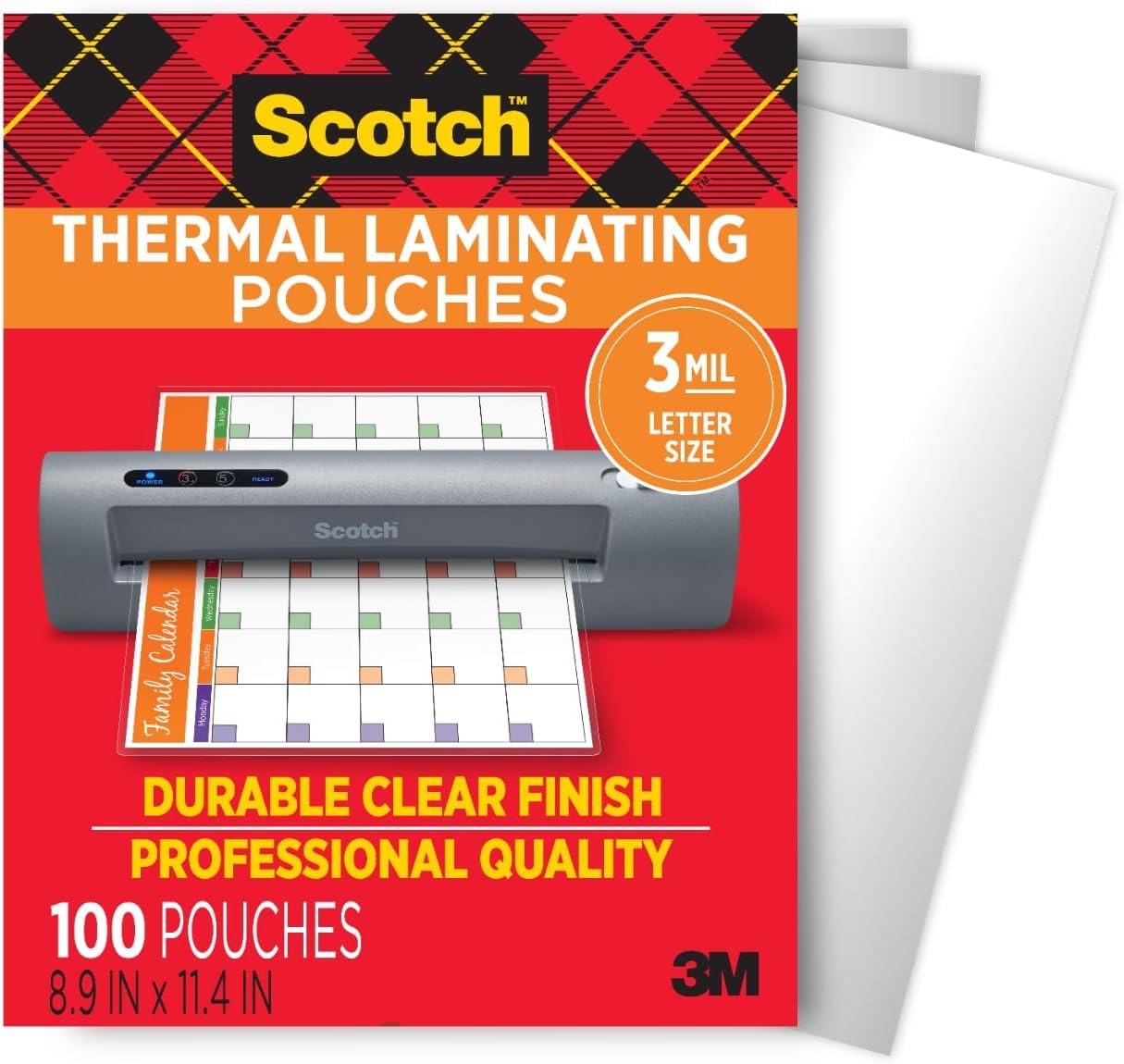
Scotch Thermal Laminating Pouches
Scotch Thermal Laminating Pouches, for Use with Thermal Laminators, 8.9 x 11.4 Inches, Letter Size Sheets, 100-Pack