Valve is famous for hiring highly skilled and creative developers. This beginner friendly guide explains the career paths at Valve, what the company looks for, and how you can increase your chances of joining the team.
How hiring works at Valve
Valve does not follow a traditional company structure. Employees are expected to be:
- Highly independent
- Technically strong
- Passionate about shipping great games
Valve hires people who can solve problems, build things, and ship real projects.
Main career paths at Valve
1. Game Designer
Designers focus on gameplay, rules, and player experience.
- Level design using Hammer Editor
- Gameplay balance and mechanics
- Prototyping ideas quickly
How to prepare:
Create maps, modes, and mods for Valve games.
2. Gameplay Programmer
Programmers implement game systems and features.
- Strong C++ skills
- Understanding of Source / Source 2 engines
- Debugging and optimization
How to prepare:
Build playable prototypes and contribute to game mods.
3. Technical Designer
A hybrid role combining code and design.
- Gameplay scripting
- Tool creation
- Fast iteration
This role fits Valve’s flexible culture perfectly.
4. Artist or Technical Artist
Artists create and optimize visual content.
- 3D modeling and texturing
- Lighting and shaders
- Art pipelines
Tools: Blender, Maya, Substance Painter
5. Tool / Engine Developer
Advanced role focused on engine and developer tools.
- Engine architecture
- Performance systems
- Editor improvements
What Valve looks for in candidates
- Proven ability to ship completed projects
- Deep understanding of games
- Strong communication skills
- Ability to work independently
Degrees matter less than results.
Building a strong Valve-ready portfolio
Your portfolio should clearly show:
- Playable mods or demos
- Clear explanations of your contributions
- GitHub repositories (for programmers)
- Steam Workshop links
Tip: One excellent project beats five unfinished ones.
Where to find Valve job opportunities
- Official Valve careers page
- Networking through modding communities
- Steam Workshop exposure
- Game jams and open-source projects
If you want to understand Valve game development in detail,
check our complete Valve Game Development guide.
Conclusion
Joining Valve is challenging but possible with the right mindset. Focus on building real projects, mastering Valve tools, and contributing value to the community.
If you can show that you can ship games not just talk about them you already stand out.
Make Your First 2D Game in Unity
Want to build your first game but don’t know where to start? This beginner-friendly guide shows you how to create SampleGame2D — a fun Flappy Bird–style project — step by step in Unity. Inside you’ll learn:
iFIT Pro
iFIT Pro – Monthly Membership – 1 month free trial included [Subscription]
Ultimate Mobile Controls – Plug & Play
Take your mobile game to the next level with this ready-to-use Mobile Controls Pack. customizable mobile controls without wasting days on UI and input setup. Perfect for 2D, 3D, FPS, RPG, Platformer, Shooter, and Casual mobile games.

Beats-Studio Pro Cancelling Headphones
Beats Studio Pro – Wireless Bluetooth Noise Cancelling Headphones with USB-C Charging Cable (20 cm) – Jet Black
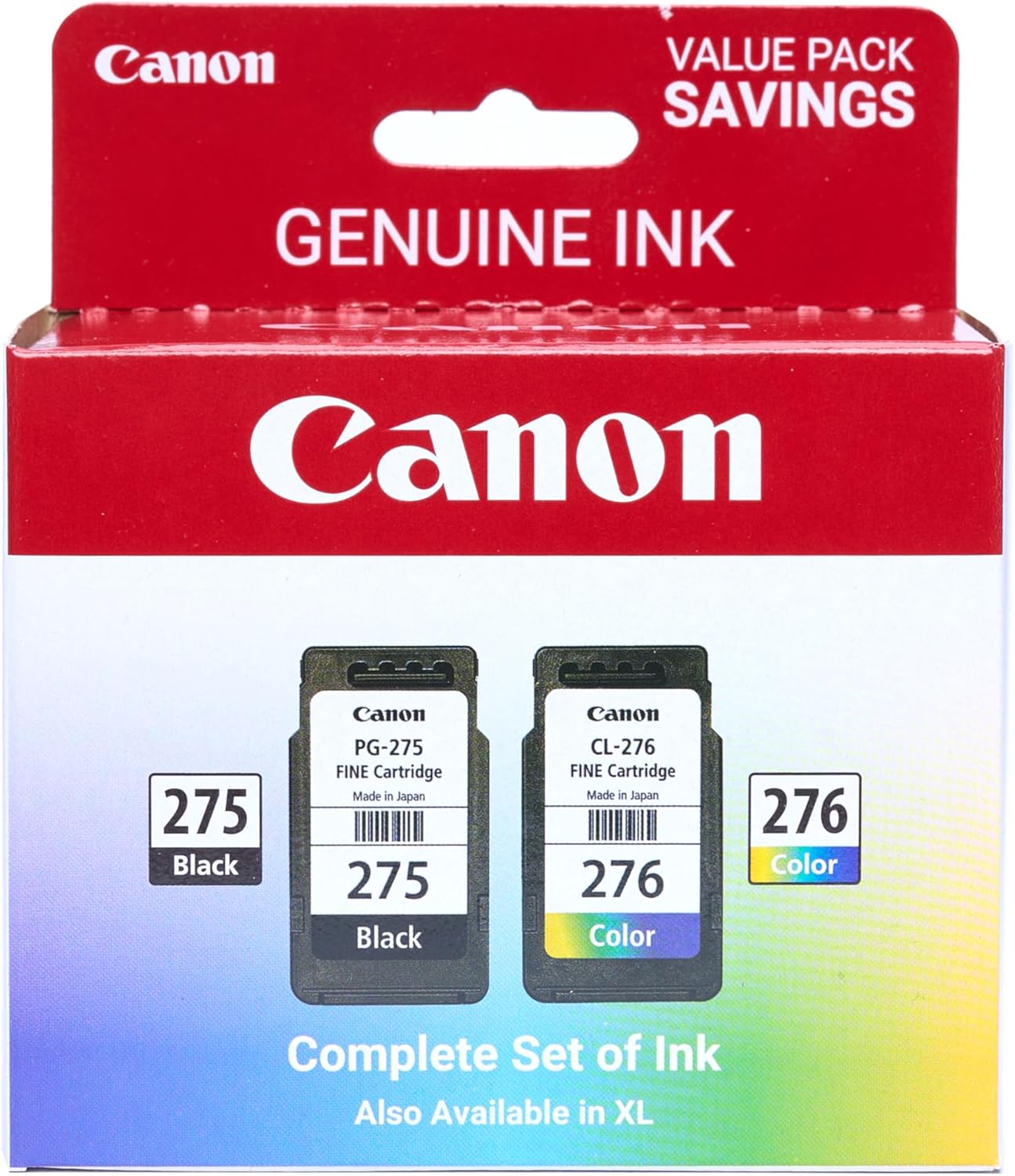
Canon PG-275
Canon PG-275 / CL-276 Genuine Ink Value Pack (2 Cartridges), Compatible with TS3520/3522/4722/3720/3722, TR4720
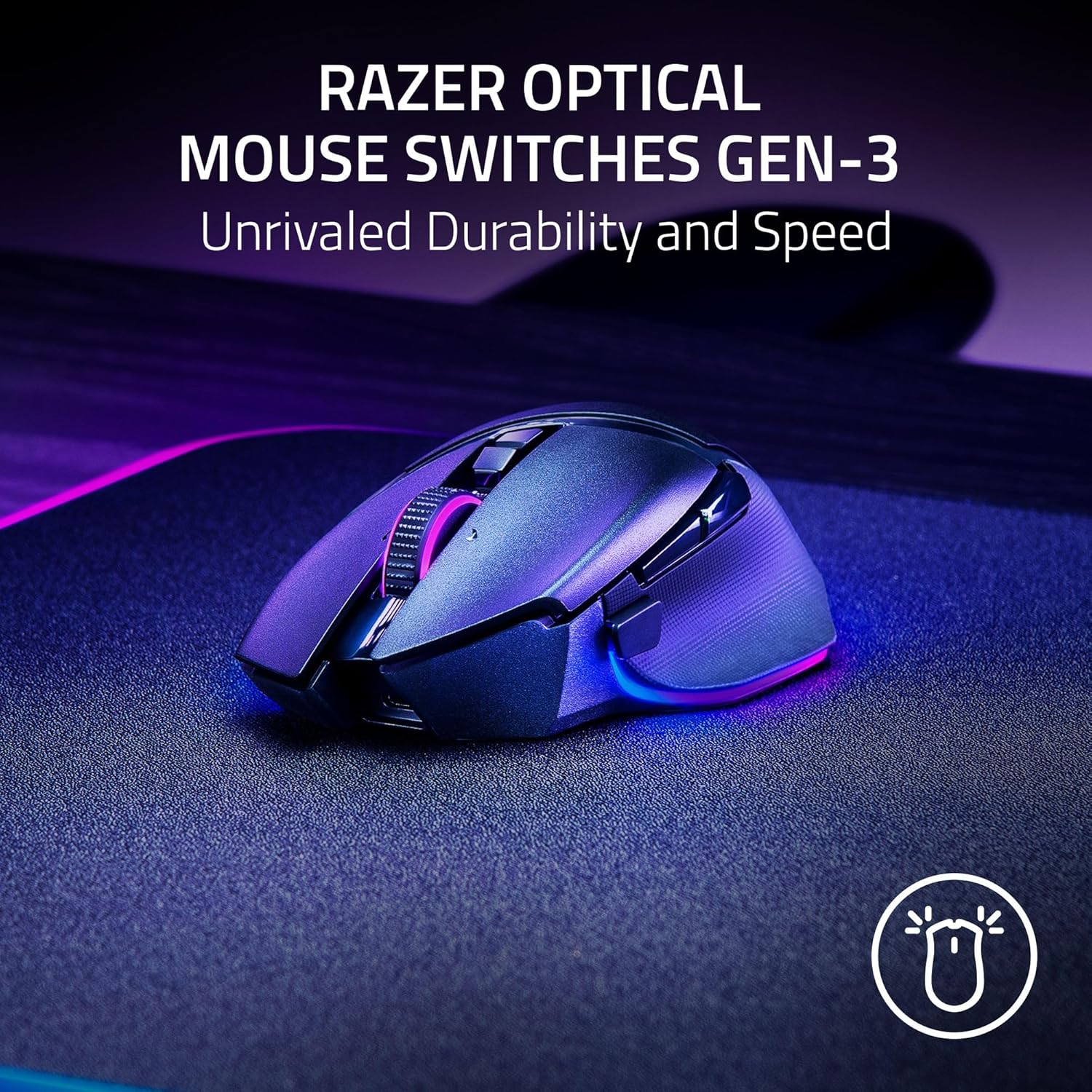
Razer
Razer Basilisk V3 Pro 35K Wireless Gaming Mouse: HyperScroll Tilt Wheel – 35K DPI Optical Sensor Gen 2-13 Customizable Controls – Chroma RGB – Optical Switches Gen 3 – Up to 140 Hr Battery – Black