Creating Custom Aseprite Extensions: A Beginner’s Guide
Pixel art has become increasingly popular, not just for games but also for animations and illustrations. Aseprite is one of the best tools for creating pixel art, offering a plethora of features to streamline the workflow. However, if you’re looking to enhance your Aseprite experience, creating custom extensions can take your pixel art to the next level.
What Are Aseprite Extensions?
Aseprite extensions are custom scripts and tools that enhance the functionality of Aseprite. They allow artists to automate repetitive tasks, add new features, and generally improve their workflow. Extensions can range from simple scripts that perform basic functions to complex tools that integrate with other software.
Why Create Custom Extensions?
Creating custom extensions allows you to:
- Automate repetitive tasks to save time.
- Add features that fit your unique workflow.
- Integrate Aseprite with other tools you use.
- Enhance collaboration with team members through shared tools.
Getting Started with Aseprite Extensions
Before diving into creating your first extension, it’s essential to understand the basics of Aseprite’s scripting language, Lua. Aseprite supports Lua scripts, which means you can write custom scripts that interact with the software.
Setting Up Your Environment
To begin, you’ll need:
- Aseprite installed on your computer.
- Basic knowledge of Lua programming language.
- A text editor (such as Visual Studio Code or Notepad++).
Understanding the Aseprite Script Folder
Your custom scripts should be placed in the Aseprite scripts folder. Here’s how to find it:
- Open Aseprite.
- Go to Edit > Preferences.
- Navigate to the Scripts tab.
- Note the path to the scripts folder.
Creating Your First Aseprite Extension
Let’s start by creating a simple extension that automatically saves your work every few minutes, which can be a lifesaver during long sessions of pixel art creation.
Step 1: Create a New Script File
In your scripts folder, create a new file named auto_save.lua.
Open this file in your text editor and add the following code:
local function autoSave()
    local doc = app.activeDoc
    if doc then
        app.command.Save()
    end
end

app.timer(300000, autoSave) -- Auto-save every 5 minutes (300000 milliseconds)
Step 2: Save and Run Your Script
After saving the script, return to Aseprite:
- Go to File > Scripts > Reload Scripts.
- Your script should now be active and will auto-save every five minutes.
Testing Your Extension
To ensure your extension works correctly, create a new document, draw something, and test the auto-save feature. You should see your document saving automatically in the background.
Best Practices for Developing Extensions
When developing extensions, keep these best practices in mind:
- Keep your code organized and well commented.
- Test your extensions frequently to catch errors early.
- Utilize Aseprite’s API documentation for reference.
- Share your extensions with the community for feedback.
Advanced Techniques
Once you’re comfortable with basic scripting, consider exploring more advanced techniques, such as:
- Creating user interfaces for your extensions.
- Using external libraries to enhance functionality.
- Integrating your extensions with online resources or APIs.
Example: Creating a Simple UI
Here’s an example of how to create a simple user interface for your extension:
local dlg = Dialog("My Extension")

dlg:label{text="Choose a color:"}
dlg:color{ id="color", color="#FF0000" }

dlg:button{ text="OK", onclick=function()
    local color = dlg.data.color
    -- Do something with the selected color
end }

dlg:show()
Resources for Learning More
To further enhance your understanding of Aseprite extensions, consider the following resources:
Conclusion
Creating custom Aseprite extensions is an excellent way to enhance your pixel art experience and increase your productivity. With just a little bit of knowledge in Lua, you can automate tasks and create tools tailored to your own workflow. Start small, and as you grow more comfortable, explore more complex projects.
For more information on how Aseprite extensions can improve your pixel art experience, check out our related content: Aseprite Extensions: Enhance Your Pixel Art Experience.

Beats-Studio Pro Cancelling Headphones
Beats Studio Pro – Wireless Bluetooth Noise Cancelling Headphones with USB-C Charging Cable (20 cm) – Jet Black
Panvola
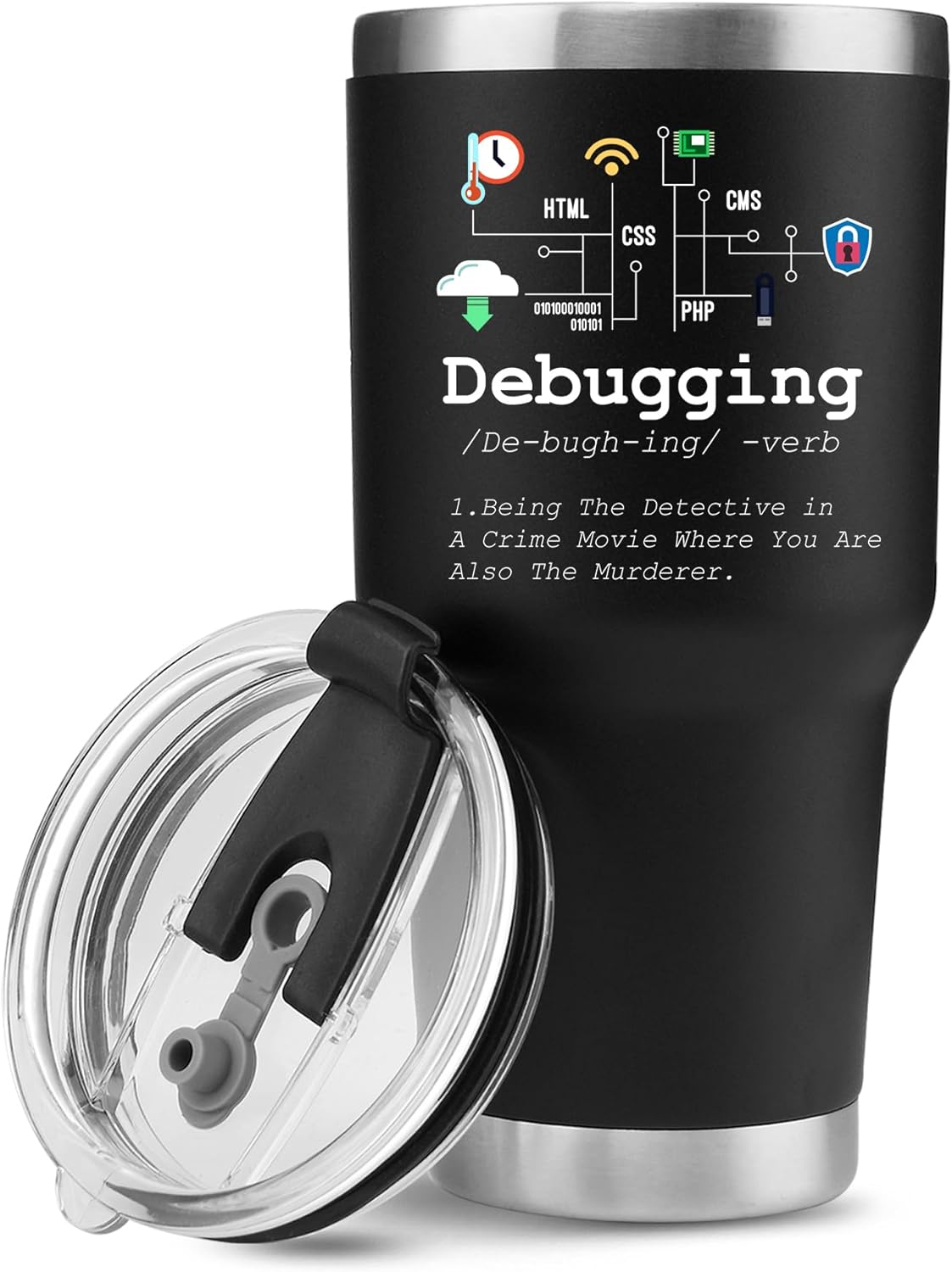
Panvola Debugging Definition Computer Programmer Gifts Student Teacher Coder Boyfriend Girlfriend IT Vacuum Insulated Tumbler Tech Support Travel Mug Stainless Steel With Straw Removable Lid (30 oz)
Results
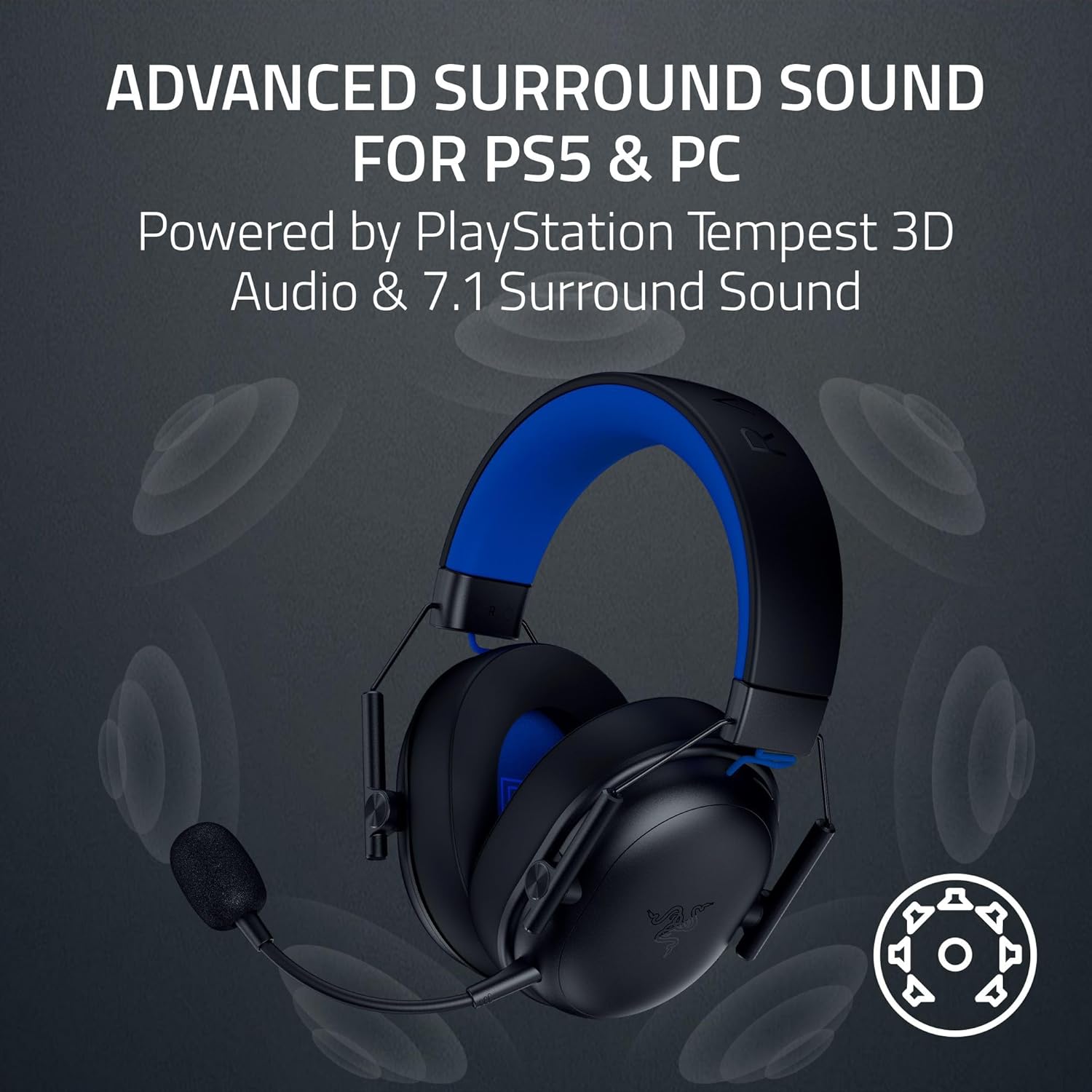
Razer BlackShark V3 X HyperSpeed Wireless Gaming Headset for PS5: 50mm Drivers – Cardioid Mic – 2.4 GHz, Bluetooth – Works with PC, Mac, Nintendo Switch, Smartphone – Long Battery Life – Black
Mouse Pad
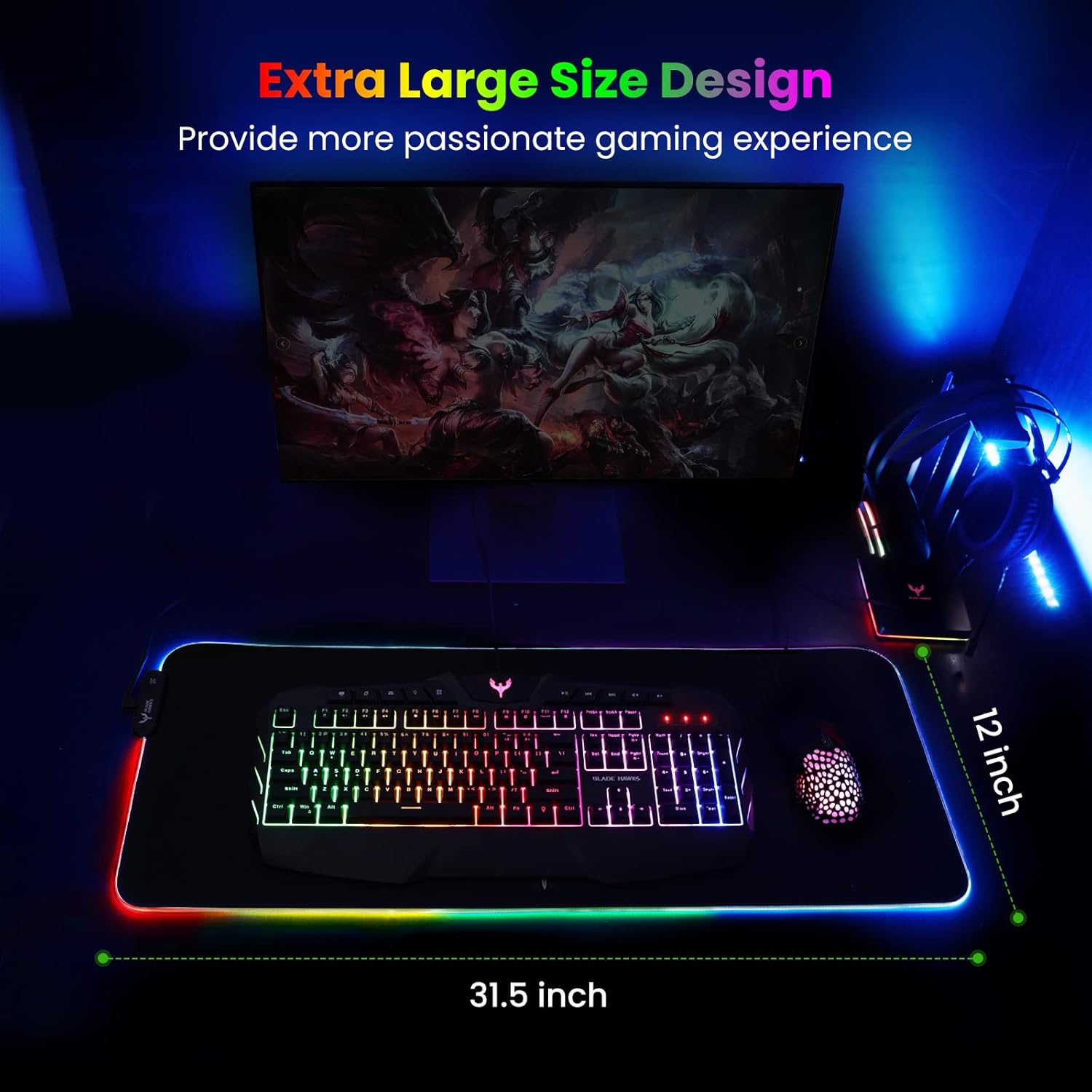
BladeHawks Extra Large RGB Gaming Mouse Pad-14 Light Modes, Extended Soft LED Mouse Pad, Anti-Slip Rubber Base, Computer Keyboard Mousepad Mat (31.5 x 12 Inch)
RAWM ES21 Wireless Gaming Mouse
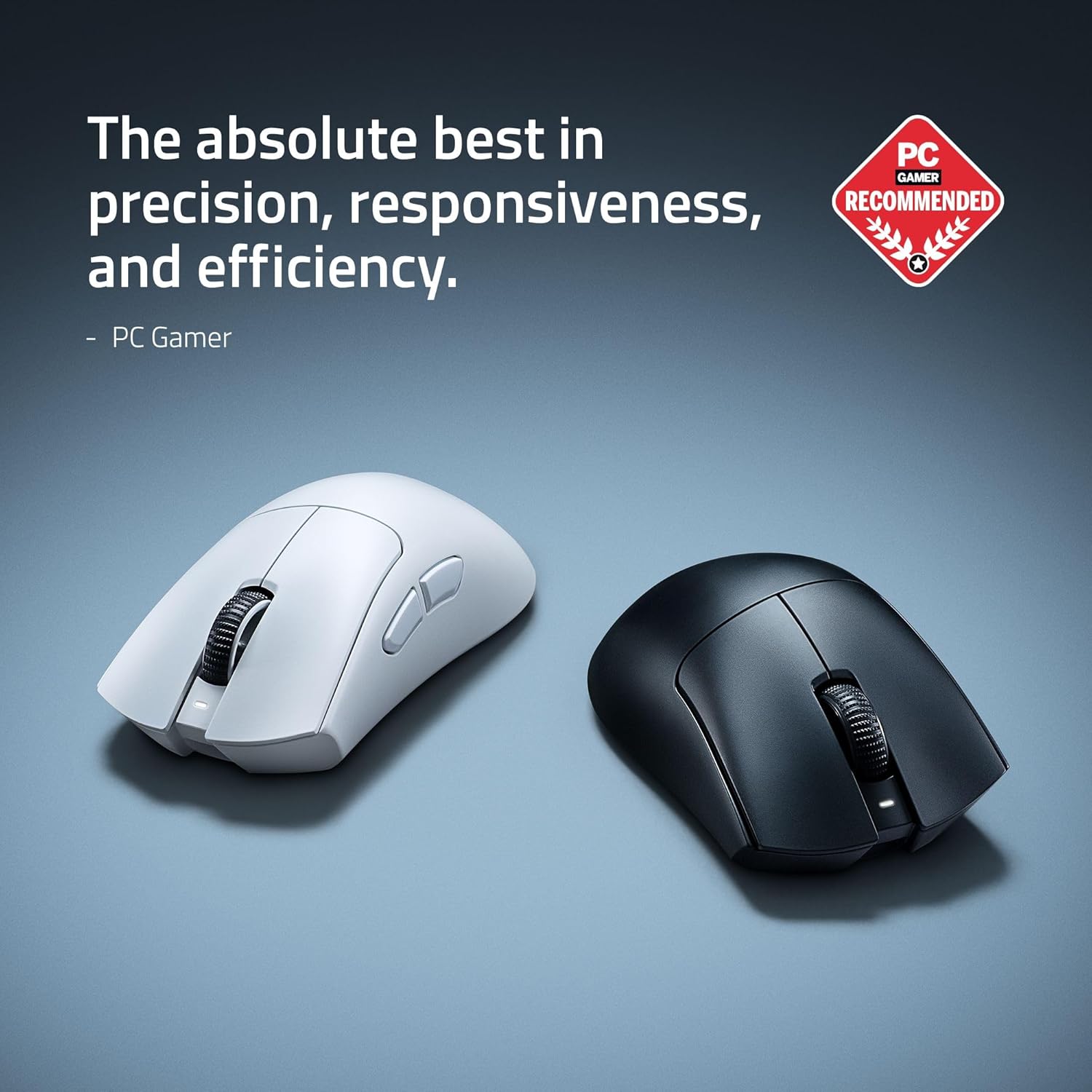
Razer DeathAdder V4 Pro Wireless Gaming Mouse: 56g Lightweight – HyperSpeed Wireless Gen-2 – Optical Scroll Wheel – Optical Switches Gen-4 – Focus Pro 45K Sensor Gen-2 – Up to 150 Hr Battery
Razer
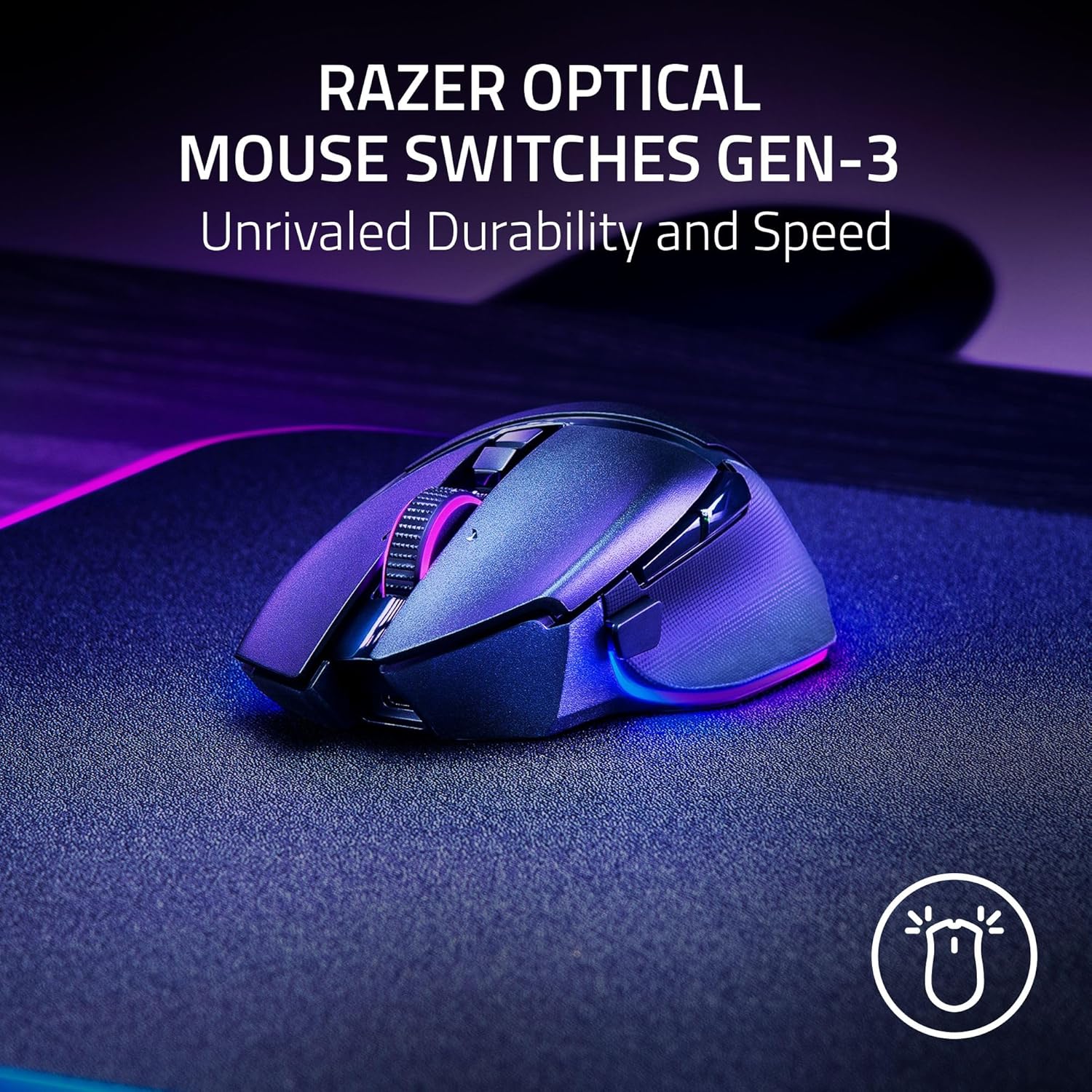
Razer Basilisk V3 Pro 35K Wireless Gaming Mouse: HyperScroll Tilt Wheel – 35K DPI Optical Sensor Gen 2-13 Customizable Controls – Chroma RGB – Optical Switches Gen 3 – Up to 140 Hr Battery – Black