The Evolution of 2D Games: A Historical Perspective
2D games have been a cornerstone of the gaming industry since the very beginning. Their simple mechanics, engaging gameplay, and nostalgic art styles have captivated players for decades. In this article, we will take a deep dive into the historical evolution of 2D games, exploring their origins, significant milestones, and the innovations that have kept them relevant in the modern gaming landscape.
Origins of 2D Gaming
The history of 2D games dates back to the early 1970s, a time when video games were just starting to emerge as a form of entertainment. One of the earliest examples is Pong, released by Atari in 1972. This simple table tennis simulation showcased the potential of video games and set the stage for future developments.
The Golden Age of Arcade Games
During the late 1970s and early 1980s, the arcade scene exploded with titles like Space Invaders (1978) and Pac-Man (1980). These games featured simple yet addictive gameplay that kept players coming back for more. The 2D graphics were charmingly simplistic, allowing players to immerse themselves in the game, even with limited visual fidelity.
Home Consoles and 2D Gaming
As technology progressed, home consoles began to emerge. The Atari 2600, released in 1977, brought 2D gaming into homes, allowing families to enjoy games together. Titles like Adventure and Pitfall! showcased the potential for narrative and exploration in 2D gaming.
Key Innovations in 2D Game Design
With the rise of home consoles came the need for more complex game design. Developers began to experiment with mechanics and storytelling in ways that had previously been impossible. The introduction of platforms, scrolling backgrounds, and character abilities became standard features. Games like Super Mario Bros. (1985) revolutionized the platforming genre, introducing power-ups and level designs that are still emulated today.
The 16-Bit Era and Beyond
The introduction of 16-bit consoles, such as the Sega Genesis and the Super Nintendo Entertainment System (SNES), marked a significant leap in 2D graphics and sound. Titles like Street Fighter II (1991) and The Legend of Zelda: A Link to the Past (1991) showcased the capabilities of the new hardware, offering vibrant graphics, rich soundtracks, and intricate storylines.
Checklist: Key Features of the 16-Bit Era
- Improved color palettes and sprite animations
- Complex level designs with multiple paths
- Enhanced audio capabilities for immersive soundtracks
- Introduction of multiplayer modes and competitive play
The Transition to 3D and the Resurgence of 2D
With the advent of 3D gaming in the mid-1990s, many believed 2D games would fade into obscurity. However, a resurgence occurred in the late 1990s and early 2000s, as indie developers began to embrace the retro aesthetic. Games like Castlevania: Symphony of the Night (1997) and EarthBound (1994) became cult classics, blending 2D graphics with innovative gameplay mechanics.
Modern Indie Developments
Today, 2D gaming is experiencing a renaissance thanks to the indie game movement. Developers have access to powerful tools and platforms that allow them to create and publish their games easily. Titles like Celeste (2018) and Hollow Knight (2017) have garnered critical acclaim and commercial success, proving that 2D games can still captivate modern audiences.
Understanding Level 2D Games: Mechanics and Design
For those interested in diving deeper into the world of 2D game design, it is crucial to understand the mechanics that make these games tick. Check out our detailed guide on Understanding Level 2D Games: Mechanics and Design for insights on how to create engaging and enjoyable gameplay experiences.
Conclusion
The evolution of 2D games is a testament to the creativity and innovation of game developers throughout the years. From the pixelated graphics of the early arcade era to the rich, immersive worlds of modern indie titles, 2D gaming continues to thrive. As technology advances and new generations of players emerge, the future of 2D games looks bright, offering endless possibilities for storytelling and gameplay.
Results
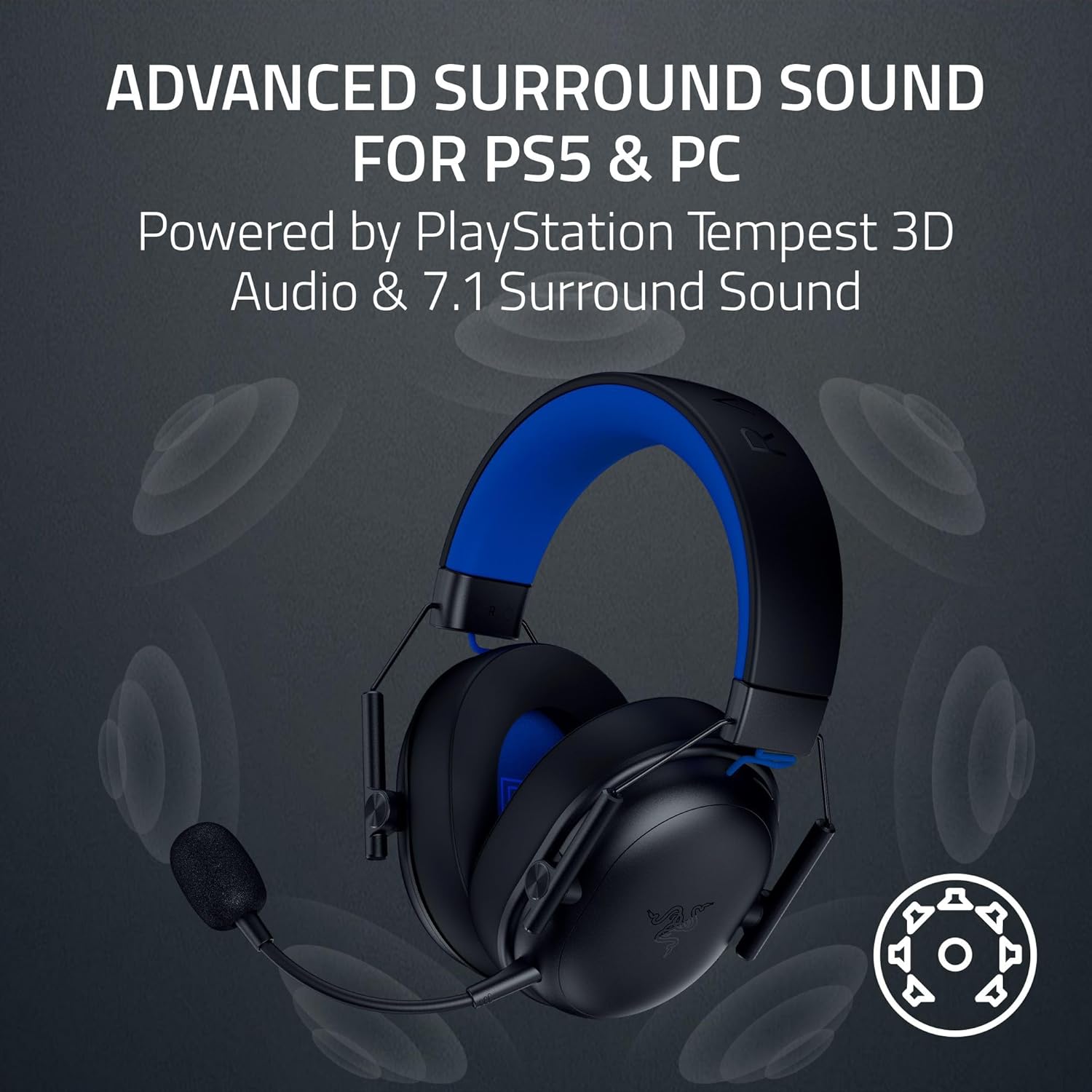
Razer BlackShark V3 X HyperSpeed Wireless Gaming Headset for PS5: 50mm Drivers – Cardioid Mic – 2.4 GHz, Bluetooth – Works with PC, Mac, Nintendo Switch, Smartphone – Long Battery Life – Black

MMO Mug
MMO Mug – Legendary Coffee Mug Level 110 – Large Ceramic Black15oz – Gaming, Gamer Cup
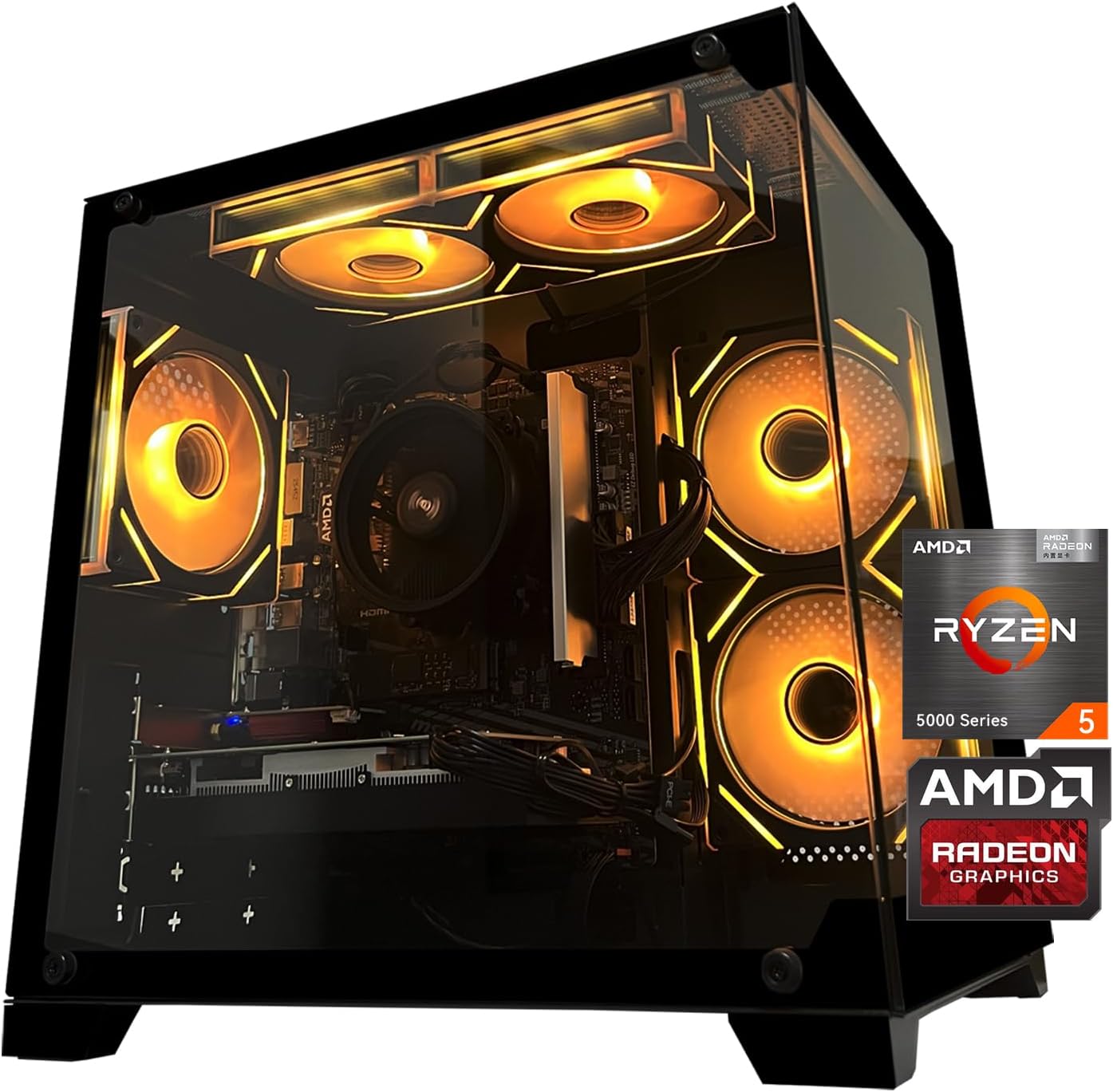
Gaming PC Desktop Computer, AMD
Gaming PC Desktop Computer, AMD Ryzen 5 5500, RX6500XT 4GB Graphics, 16GB DDR4 RAM, 512GB NVMe SSD, ARGB Fans, Game Design Office
Make Your First 2D Game in Unity
Want to build your first game but don’t know where to start? This beginner-friendly guide shows you how to create SampleGame2D — a fun Flappy Bird–style project — step by step in Unity. Inside you’ll learn:
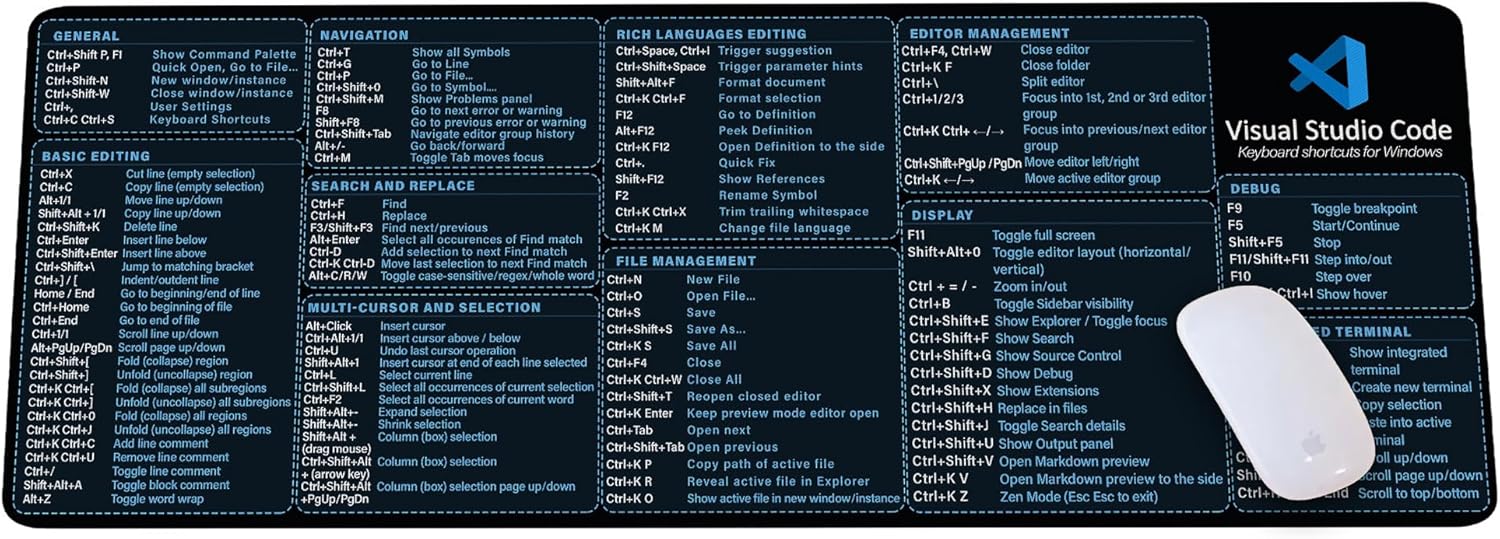
Visual Studio Code Shortcuts Mouse Pad
Visual Studio Code Shortcuts Mouse Pad – Desk Mat for Programmers, Coders & Beginners, Great Office Gift for Developers & Tech Enthusiasts, Computer Accessory for Study, Work, and Learning KMH
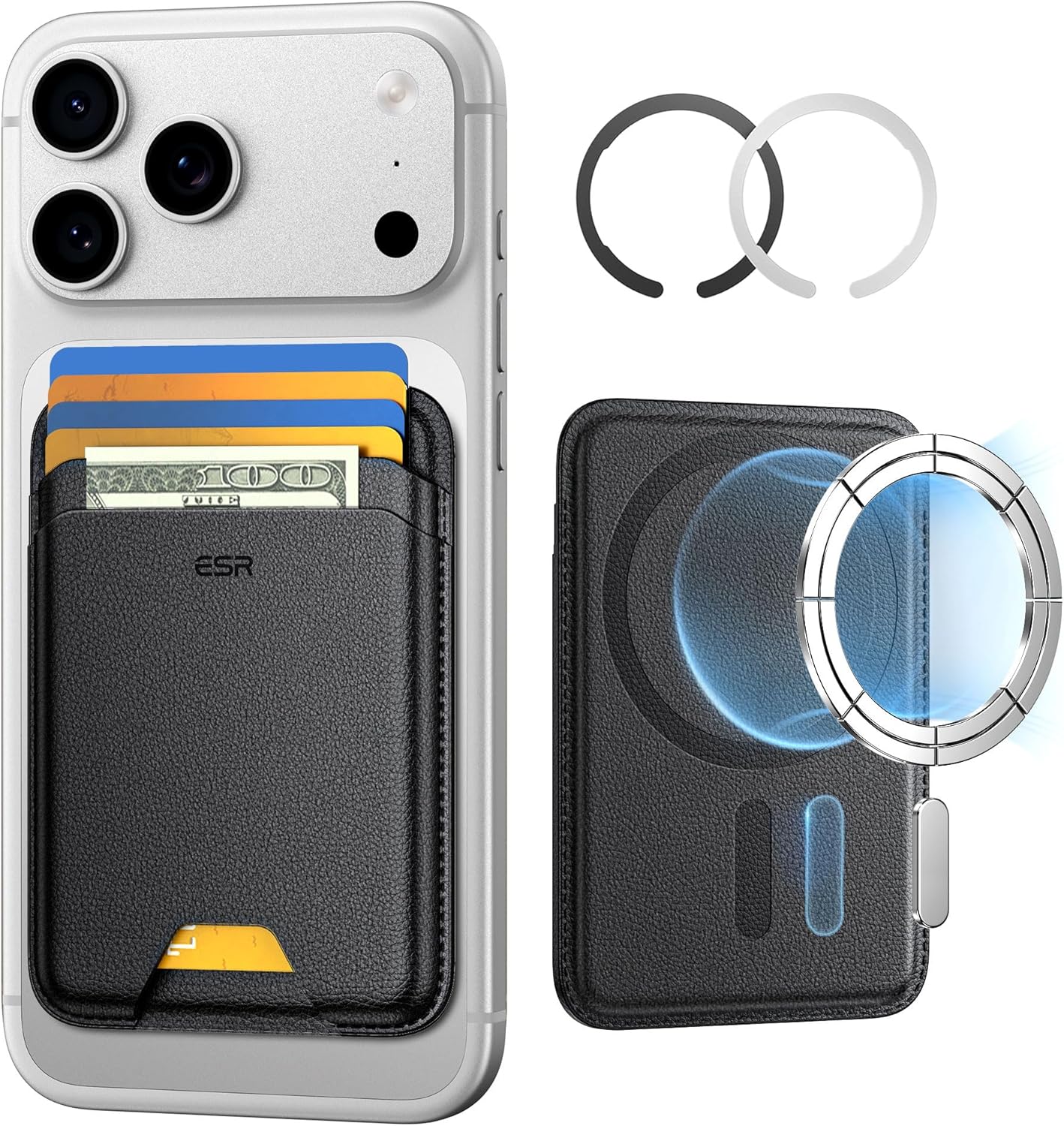
ESR for MagSafe Wallet
ESR for MagSafe Wallet, 5-Card Holder With RFID Blocking, MagSafe Sticker Included, Slim Magnetic Wallet for iPhone 17/16/15/14/13/12 Series and Selected Samsung Devices, Not for 13/12 Mini, Black