
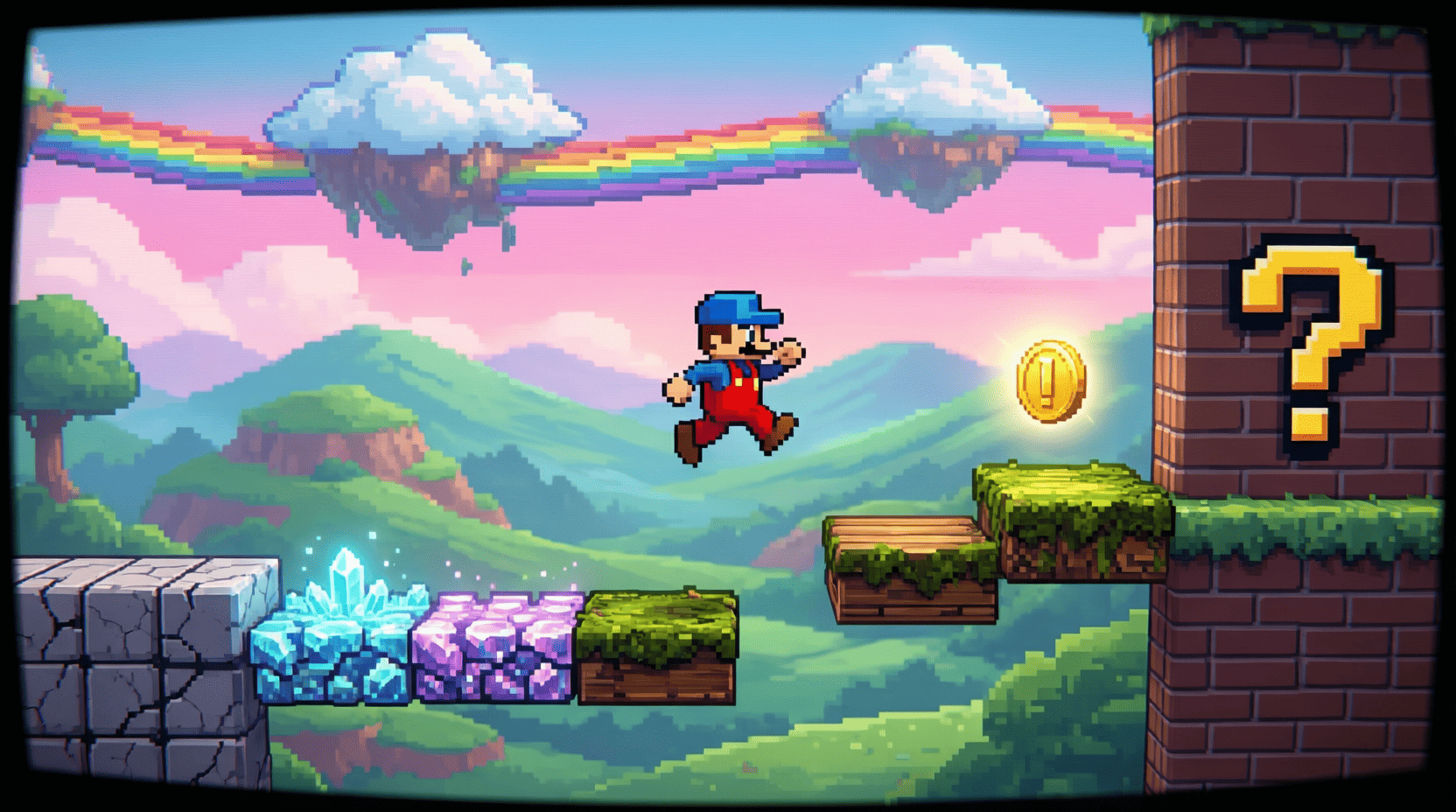
Understanding Level 2D Games: Mechanics and Design
Level 2D games have carved out a significant niche in the gaming industry, captivating audiences with their blend of artistry and mechanics. From platformers to puzzle games, these titles have evolved dramatically over the years, yet their core mechanics remain compelling and engaging. In this article, we will delve into the mechanics and design principles that make Level 2D games so captivating, providing a comprehensive overview for developers and enthusiasts alike.
The Essence of Level Design
Level design is the backbone of any 2D game. It dictates the flow of gameplay, player engagement, and overall experience. Effective level design harmonizes aesthetics and mechanics to create immersive environments that challenge players while providing satisfaction upon completion.
Key Components of Level Design
- Layout: The spatial arrangement of obstacles, enemies, and rewards.
- Difficulty Curve: Gradually increasing challenges that keep players engaged.
- Visual Aesthetics: The artistic elements that enhance the player’s immersion.
- Feedback Mechanisms: Indications of success or failure to guide player actions.
Core Mechanics in Level 2D Games
Understanding the mechanics that drive player interactions is crucial for any game designer. These mechanics not only define gameplay but also shape the player’s emotional experience.
Types of Mechanics
| Mechanic | Description | Example |
|---|---|---|
| Jumping | Allows players to navigate vertical spaces. | Super Mario Bros. |
| Shooting | Enables combat mechanics against enemies. | Contra |
| Puzzle Solving | Involves critical thinking to progress. | Fez |
Checklist for Engaging Mechanics
- Are the mechanics intuitive and easy to understand?
- Do they provide variety to keep players engaged?
- Is there a balance between challenge and skill?
- Are the mechanics rewarding and satisfying?
Designing Levels for 2D Games
Creating levels that resonate with players requires a thoughtful approach. Here are some tips to enhance your level design process:
Steps for Effective Level Design
- Conceptualization: Start with a theme or concept that defines the level.
- Sketching: Create rough layouts to visualize the flow.
- Prototyping: Use simple assets to test mechanics and layout.
- Playtesting: Gather feedback from players to identify areas for improvement.
- Iteration: Refine the level based on playtesting feedback.
Popular 2D Game Engines for Level Design
The choice of game engine can significantly impact your level design process. Here are some widely used engines for developing 2D games:
- Unity: A versatile engine with extensive resources for 2D game development.
- Godot: An open-source engine with a user-friendly interface for 2D games.
- GameMaker Studio: Ideal for beginners, offering drag-and-drop features.
For more details, check out our article on The Evolution of 2D Games: A Historical Perspective.
Case Study: Successful Level Design in Iconic 2D Games
Analyzing successful 2D games can provide valuable insights into effective level design. For example, Celeste features a well-crafted level design that balances difficulty with reward, making it a standout title in the platformer genre. Each level introduces new mechanics progressively, ensuring players are well-equipped to tackle challenges as they arise.
For more examples, visit our in-depth case study on Successful Level Design in Iconic 2D Games.
The Role of Art and Sound in Enhancing 2D Game Levels
The visual and auditory elements of a game are crucial in enhancing the player’s experience. Art style can evoke emotions and set the tone, while sound effects and music can provide feedback and immersion.
Tips for Integrating Art and Sound
- Ensure the art style aligns with the game’s theme and mechanics.
- Use sound effects to enhance player feedback and immersion.
- Consider the pacing of music to match gameplay intensity.
For more on this topic, check out our article on The Role of Art and Sound in Enhancing 2D Game Levels.
Conclusion
Understanding the mechanics and design principles of Level 2D games is essential for creating engaging and immersive experiences. By focusing on effective level design, core mechanics, and the integration of art and sound, developers can craft games that resonate with players. For further reading, explore our related articles on Key Mechanics in Level 2D Games: What Makes Them Engaging? and Designing Levels for 2D Games: Tips and Best Practices.

Scotch Thermal Laminating Pouches
Scotch Thermal Laminating Pouches, for Use with Thermal Laminators, 8.9 x 11.4 Inches, Letter Size Sheets, 100-Pack
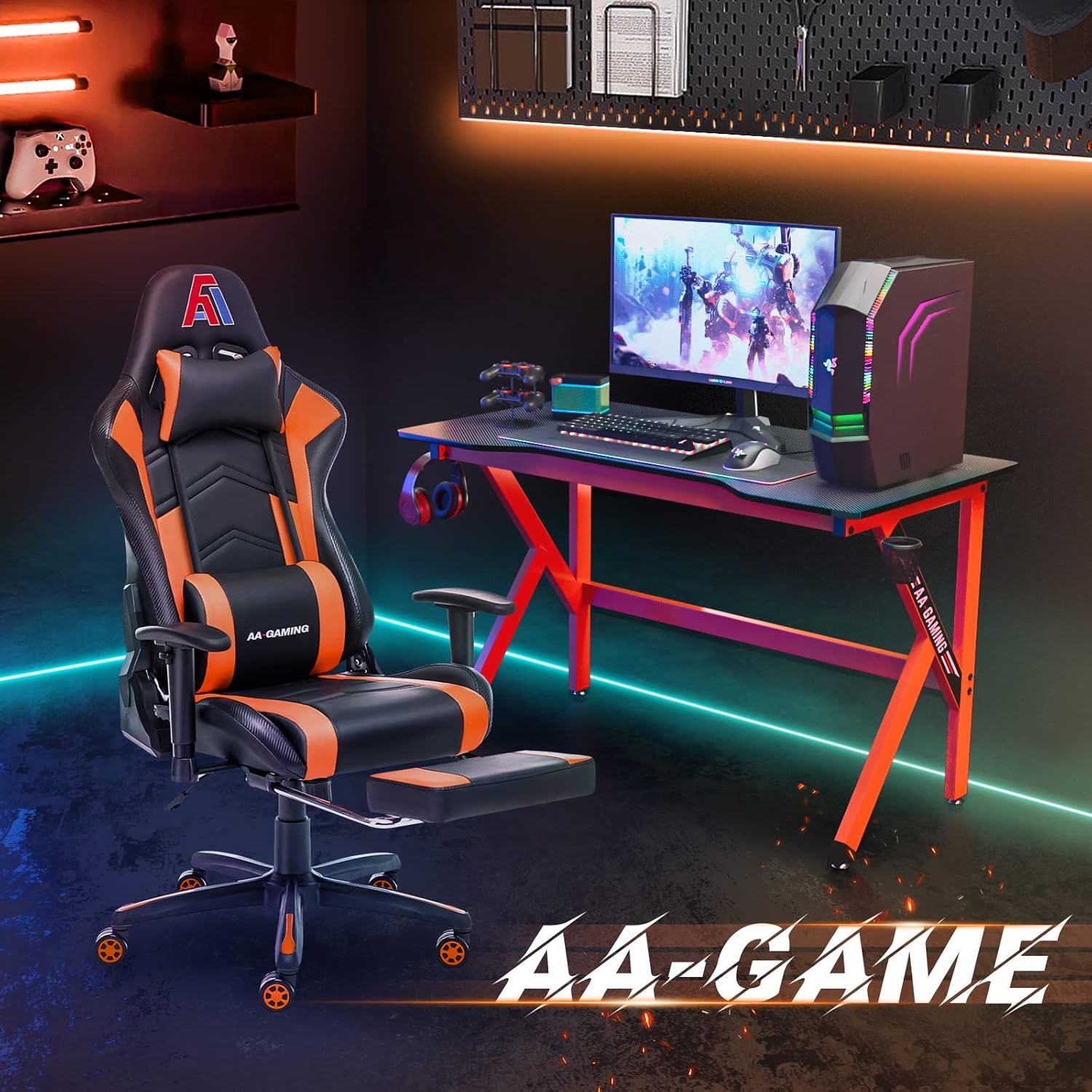
AA Products High Back Ergonomic Gaming Chair
AA Products Gaming Chair Ergonomic High Back Computer Racing Chair Adjustable Office Chair with Footrest, Lumbar Support Swivel Chair - BlackOrange

Gaming Keyboard and Mouse and Mouse pad and Gaming Headset, Wired LED RGB Backlight Bundle
Gaming Keyboard and Mouse and Mouse pad and Gaming Headset, Wired LED RGB Backlight Bundle for PC Gamers and Xbox and PS4 Users - 4 in 1 Edition Hornet RX-250

beyerdynamic DT 770 PRO 80 Ohm Over-Ear Studio Headphones in Gray
beyerdynamic DT 770 PRO 80 Ohm Over-Ear Studio Headphones in Gray. Enclosed Design, Wired for Professional Recording and Monitoring