
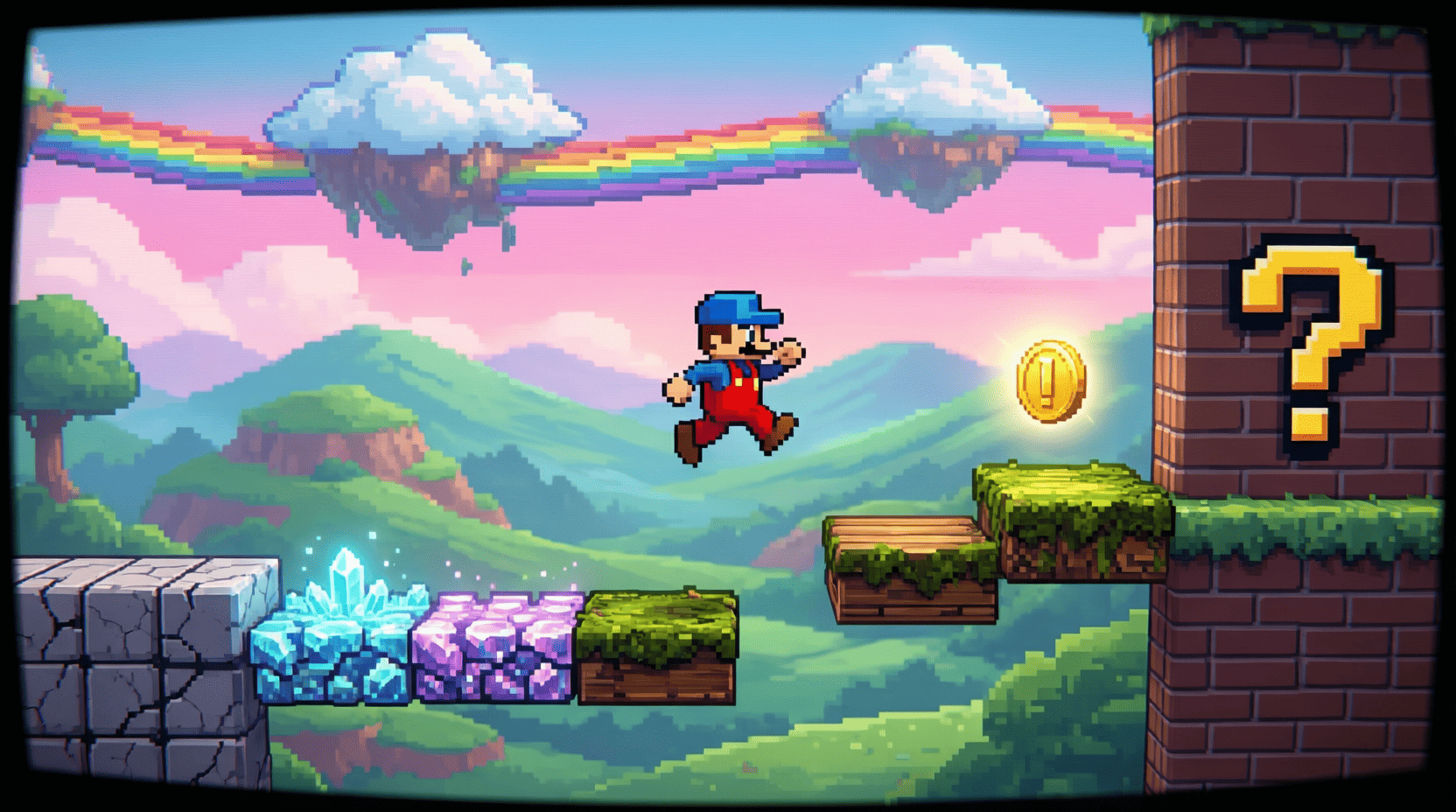
Designing Levels for 2D Games: Tips and Best Practices
As a game designer, creating engaging and memorable levels in 2D games is crucial to capturing the player’s interest and enhancing their gaming experience. Drawing from years of competitive gaming experience and design knowledge, this guide offers valuable insights into effective level design strategies.
Understanding Your Game Mechanics
Before diving into the level design process, it’s essential to have a solid grasp of your game mechanics. Your levels should complement and enhance what your game is about. For a deeper understanding of these mechanics, check out our article on Understanding Level 2D Games: Mechanics and Design.
Step 1: Define Your Core Gameplay
Identify the primary actions players will perform in your game. For instance, if your game focuses on platforming, ensure that the levels facilitate jumping, running, and dodging. Document these core gameplay elements as they will guide the level design process.
Step 2: Create a Level Design Document
A Level Design Document (LDD) is a vital tool for structuring your design ideas. It should include:
- Game mechanics
- Level objectives
- Player progression
- Visual theme and style
Designing Levels: Key Principles
Once you have your core gameplay defined, the next step is to focus on the key principles of level design. Here are some essential considerations:
1. Balance Challenge and Reward
Players seek a balance between challenge and reward. Levels should progressively increase in difficulty while also providing adequate rewards for overcoming challenges. For example:
| Challenge Level | Reward |
|---|---|
| Easy | Small collectible items |
| Medium | Power-ups |
| Hard | Unlockable characters |
2. Use Visual Cues
Guide players through your levels using visual cues. This could include color contrasts, lighting, or distinct shapes that draw attention to objectives or pathways. For example, in a platformer, brighter colors can indicate safe landing spots or interactive elements.
3. Incorporate Varied Gameplay Elements
Introduce diverse gameplay mechanics within your levels to keep players engaged. For instance, you can combine platform jumping with puzzle-solving sections or combat challenges. This variation helps maintain player interest and encourages exploration.
4. Create a Flow
Your levels should have a natural flow that guides players from one challenge to the next. This can be achieved through:
- Logical progression of obstacles
- Clear pathways and routes
- Strategic placement of checkpoints
Level Design Techniques
Now that we’ve covered foundational principles, let’s explore some techniques that can enhance your level designs:
1. Sketch Your Ideas
Before jumping into the game engine, sketch your level ideas on paper. This allows you to visualize the layout and flow without getting bogged down by technical details.
2. Use Modular Design
Designing modular assets can save time and provide flexibility. Create tiles or segments that can be reused in various configurations. This technique is especially useful for platformers and tile-based games.
3. Test, Iterate, and Refine
No level design is perfect on the first try. Playtest your levels regularly. Gather feedback from players and refine your designs based on their experiences. Consider the following checklist during testing:
- Is the level too easy or too hard?
- Are players understanding the objectives?
- Do players feel rewarded for exploration?
- Is there a clear path to follow?
- Are there any frustrating areas?
Creating Emotion Through Level Design
Level design isn’t just about gameplay; it’s about evoking emotions. Use elements like music, color schemes, and environmental storytelling to create an atmosphere that resonates with players. For example, a dark, haunted level may use subdued colors and eerie sound effects to instill fear.
Conclusion
Designing levels for 2D games is an art that combines creativity with technical skills. By understanding your game mechanics, balancing challenge and reward, and employing effective design techniques, you can create memorable levels that captivate your audience. Remember to continuously test and refine your designs based on player feedback. Happy designing!
Related Content
For more insights into game mechanics, check out our article on Understanding Level 2D Games: Mechanics and Design.
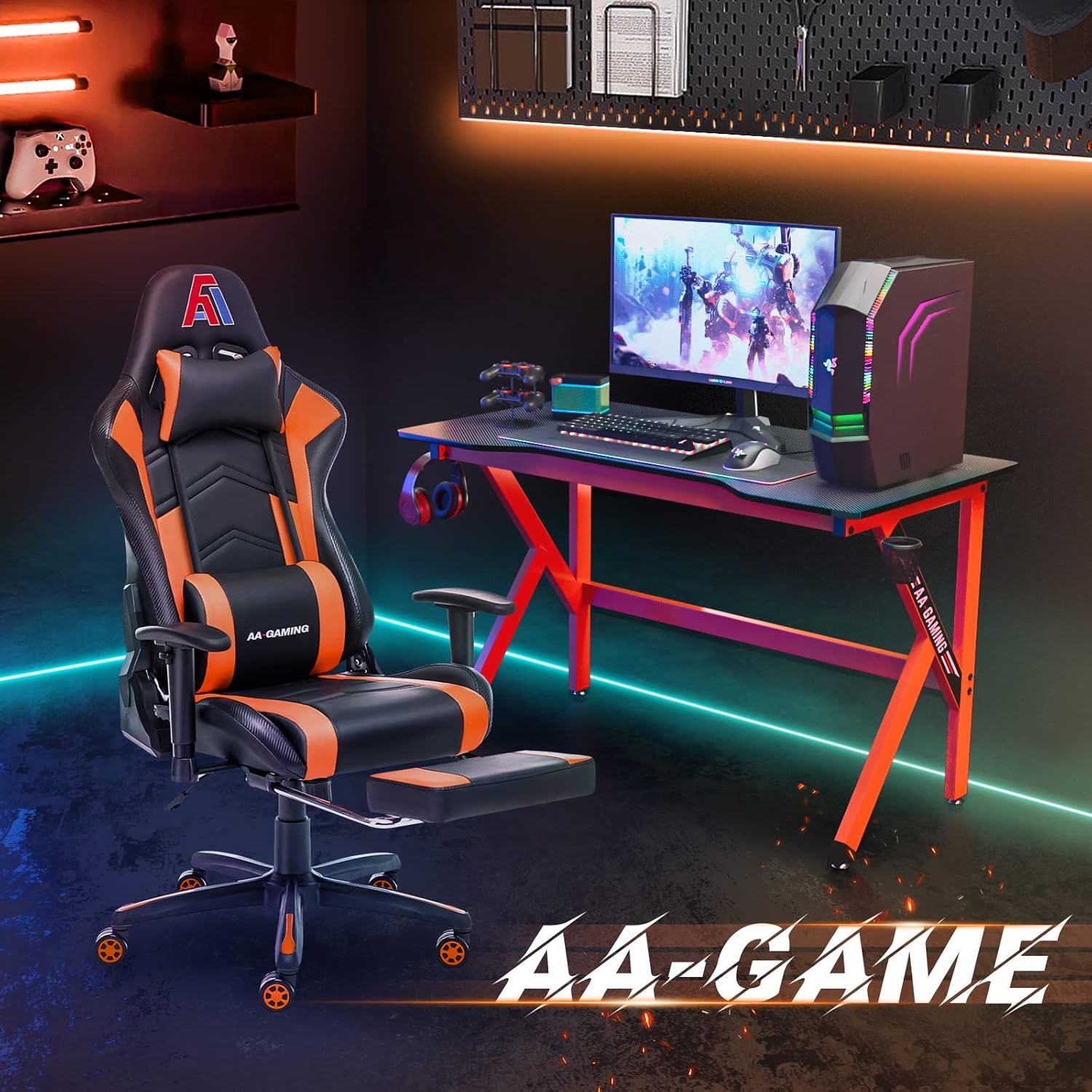
AA Products High Back Ergonomic Gaming Chair
AA Products Gaming Chair Ergonomic High Back Computer Racing Chair Adjustable Office Chair with Footrest, Lumbar Support Swivel Chair - BlackOrange
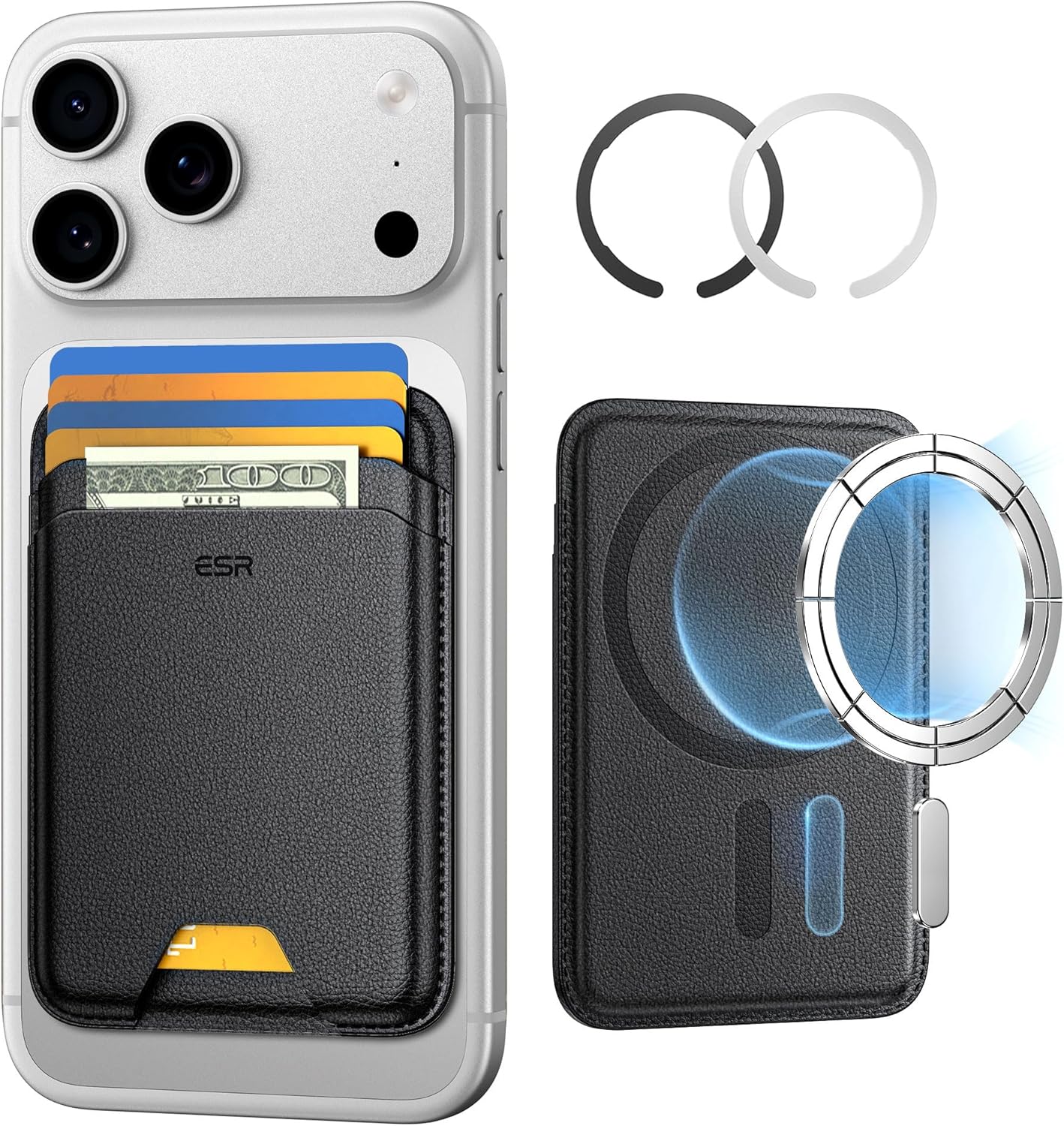
ESR for MagSafe Wallet
ESR for MagSafe Wallet, 5-Card Holder With RFID Blocking, MagSafe Sticker Included, Slim Magnetic Wallet for iPhone 17/16/15/14/13/12 Series and Selected Samsung Devices, Not for 13/12 Mini, Black

beyerdynamic DT 770 PRO 80 Ohm Over-Ear Studio Headphones in Gray
beyerdynamic DT 770 PRO 80 Ohm Over-Ear Studio Headphones in Gray. Enclosed Design, Wired for Professional Recording and Monitoring
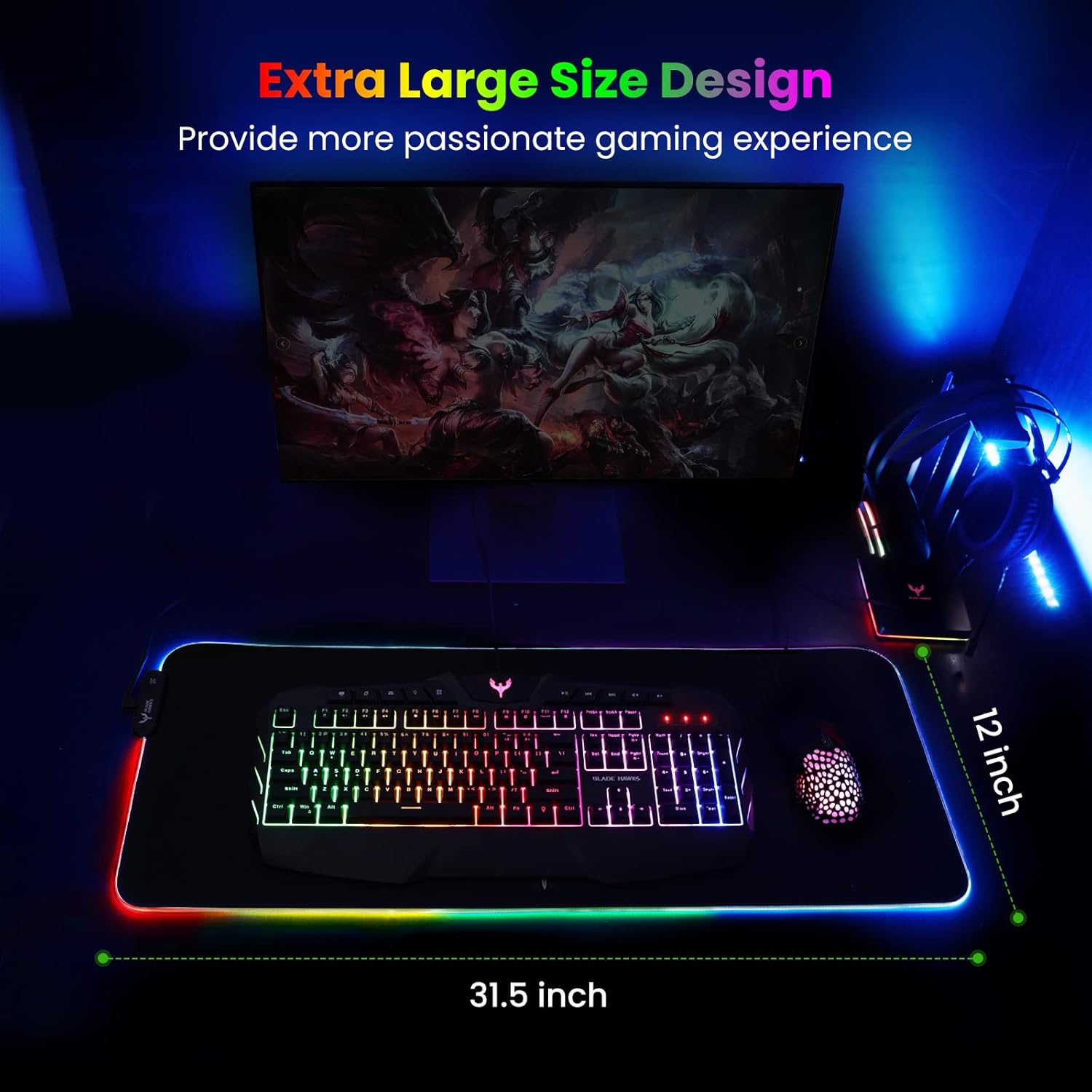
Mouse Pad
BladeHawks Extra Large RGB Gaming Mouse Pad-14 Light Modes, Extended Soft LED Mouse Pad, Anti-Slip Rubber Base, Computer Keyboard Mousepad Mat (31.5 x 12 Inch)