
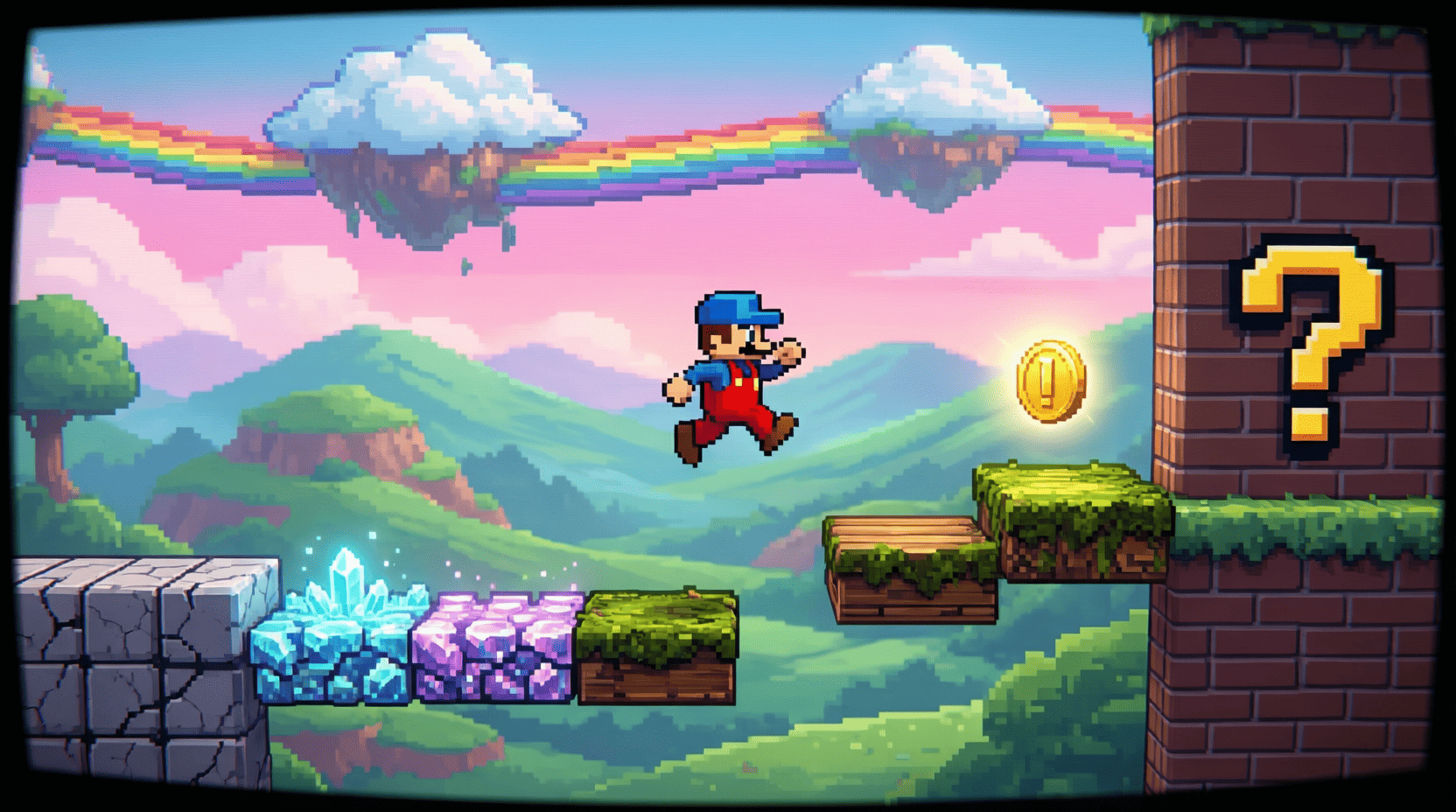
Key Mechanics in Level 2D Games: What Makes Them Engaging?
In the ever-evolving landscape of video games, Level 2D games hold a special place. Their engaging mechanics and design principles captivate players, drawing them into immersive worlds. This article will explore the key mechanics that make Level 2D games engaging, providing insights and practical examples drawn from years of competitive gaming experience.
Understanding Level 2D Games
Before diving into the mechanics, it’s crucial to understand what Level 2D games are. These games typically feature two-dimensional graphics and gameplay focused on horizontal or vertical movement. They often emphasize platforming, puzzle-solving, and exploration. For a deeper exploration of their mechanics and design, check out our Understanding Level 2D Games: Mechanics and Design article.
Essential Mechanics for Engagement
1. Responsive Controls
One of the most critical mechanics in Level 2D games is responsive controls. Players expect their character to react immediately to their inputs. The following checklist can help developers ensure their controls are responsive:
- Input lag should be minimal (ideally less than 20ms).
- Character movement should be fluid and predictable.
- Jumping and falling mechanics should feel natural.
- Provide visual feedback for player actions (e.g., animations).
For example, in games like Celeste, the character’s jumps feel precise, allowing players to execute complex maneuvers effortlessly.
2. Level Design and Pacing
Level design is paramount in creating an engaging experience. Good design should balance challenge and reward, guiding players through increasingly difficult scenarios while providing moments of respite. Here’s a step-by-step guide to effective level design:
- Define the core mechanics: Identify what the player can do (jump, run, interact).
- Create a flowchart: Sketch a layout of the level, including key obstacles and enemies.
- Test pacing: Ensure that difficulty ramps up gradually. Include checkpoints for longer levels.
- Iterate based on feedback: Use playtesting to refine level design and pacing.
A classic example of excellent level design is found in Super Mario Bros.. The first level introduces players to jumping and running mechanics, progressively adding challenges without overwhelming them.
3. Reward Systems
Players are motivated by rewards, whether through score systems, collectibles, or achievements. Implementing a solid reward system can keep players engaged. Consider the following when designing your reward system:
| Reward Type | Impact on Engagement |
|---|---|
| Collectibles | Encourages exploration and replayability. |
| Achievements | Provides a sense of accomplishment and competition. |
| Score Systems | Motivates players to improve their skills and compete against others. |
For instance, the Metroid series effectively uses collectibles to encourage exploration, rewarding players with upgrades that enhance gameplay.
4. Visual and Audio Feedback
Visual and audio feedback are essential for enhancing player experience. They signal success, failure, and progression. Here are some key points to consider:
- Use distinct sound effects for actions (e.g., jumping, collecting items).
- Incorporate animations that reflect game physics (e.g., character squashing when landing).
- Provide visual cues for interactive elements (e.g., glowing platforms).
In Shovel Knight, the combination of retro-inspired graphics and chiptune music creates a nostalgic and rewarding atmosphere that resonates with players.
5. Challenge and Difficulty Curves
Creating a satisfying challenge is vital for engagement. A well-designed difficulty curve keeps players invested without causing frustration. Here’s how to develop an effective difficulty curve:
- Start with simple challenges: Introduce mechanics gradually to ease players into the game.
- Increase complexity: Once players master basic skills, add layers of complexity (e.g., moving platforms, timed obstacles).
- Include optional challenges: Provide side quests or harder paths for players seeking more difficulty.
Games like Hollow Knight excel in this area, offering a mix of straightforward and challenging gameplay that caters to a wide range of player skills.
Conclusion
Level 2D games remain a beloved genre due to their engaging mechanics and design. By focusing on responsive controls, thoughtful level design, effective reward systems, visual and audio feedback, and well-crafted difficulty curves, developers can create experiences that captivate players. Understanding these core mechanics is essential for anyone looking to develop or enhance a Level 2D game. For a more in-depth analysis of mechanics and design, refer to our article on Understanding Level 2D Games: Mechanics and Design.

Blink Video Doorbell
Blink Video Doorbell (newest model) – Head-to-toe HD view, two-year battery life, and simple setup. Required Sync Module not included – Add-On (Black)

Karaoke Machine
Karaoke Machine with 2 Wireless Rechargeable Microphones: Portable Bluetooth Speaker for Adults & Kids - PA System with Lights Supports TWS/TF Card/USB/AUX for Home Party
Results
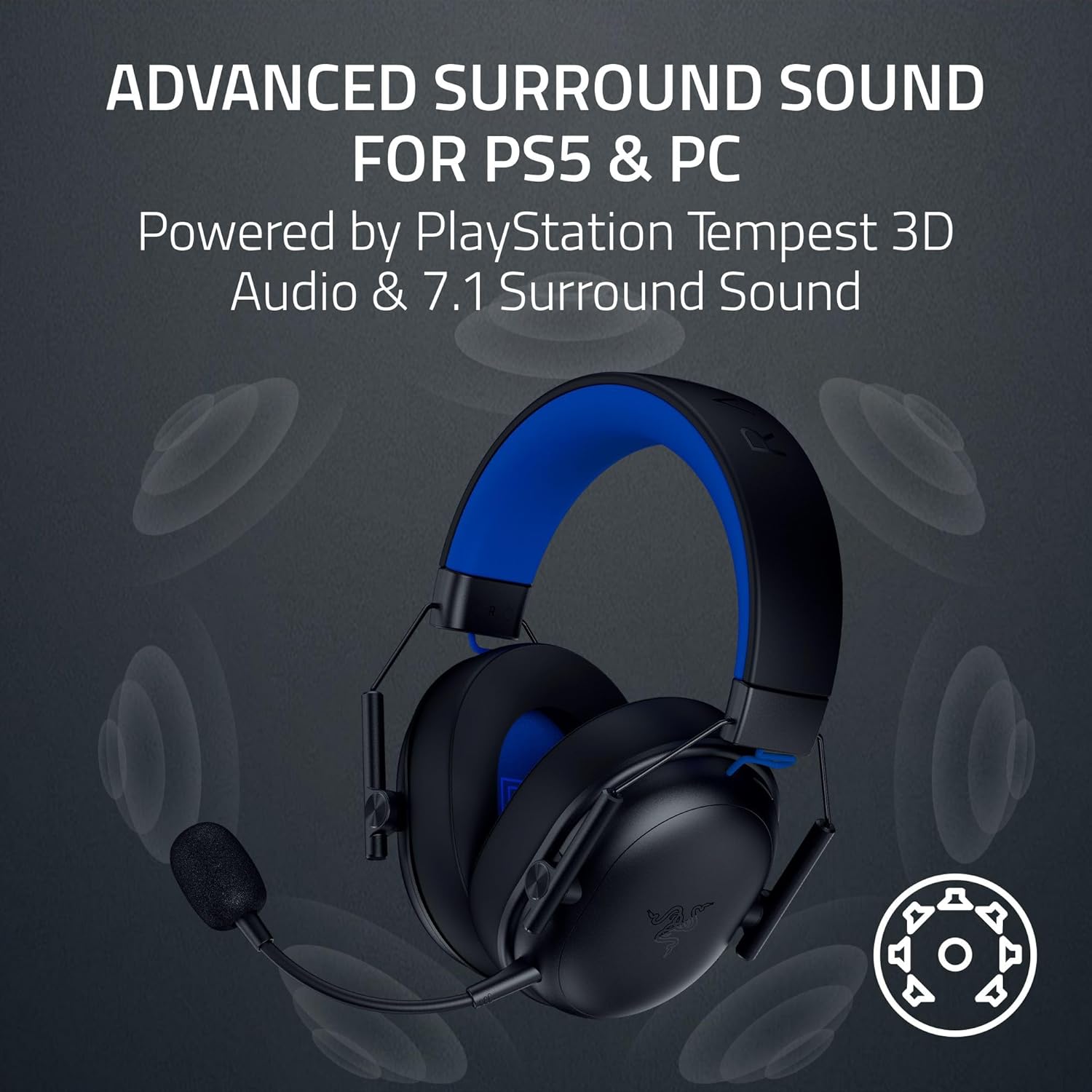
Razer BlackShark V3 X HyperSpeed Wireless Gaming Headset for PS5: 50mm Drivers - Cardioid Mic - 2.4 GHz, Bluetooth - Works with PC, Mac, Nintendo Switch, Smartphone - Long Battery Life - Black
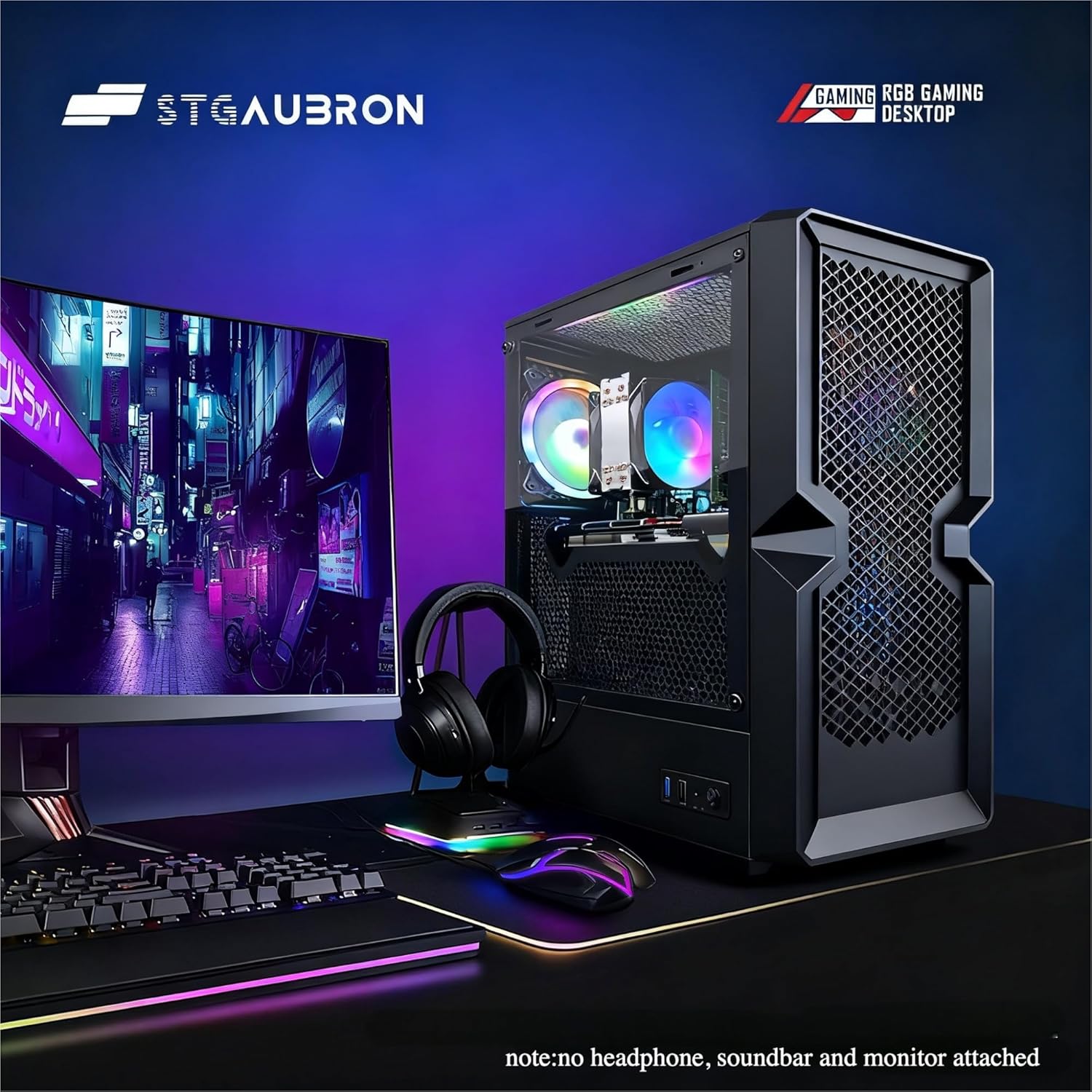
STGAubron Gaming PC Desktop
STGAubron Gaming PC Desktop Computer, Intel Core i5 up to 3.6G, Radeon RX 590 8G, 16GB RAM, 1TB SSD, 600M WiFi, BT 5.0, RGB Fan x3, Windows 11 Home