Case Study: Successful Level Design in Iconic 2D Games
In the world of competitive gaming, the nuances of level design can often be the difference between a classic title and a forgettable one. This article delves into the successful level design of iconic 2D games, highlighting the techniques and principles that have stood the test of time.
Understanding Level Design
Level design is more than just creating a playable space; it’s an art form that combines aesthetics, mechanics, and player psychology to create engaging experiences. In 2D games, where the simplicity of graphics often belies the complexity of gameplay, effective level design is crucial.
For a deeper understanding of level design principles, check out our related content: Understanding Level 2D Games: Mechanics and Design.
Key Elements of Successful Level Design
1. Player Guidance
Effective level design gently guides players through the game without overtly telling them what to do. Visual cues, such as pathways and color contrasts, lead players to their objectives. For example, in Super Mario Bros., the placement of blocks and enemies naturally directs players toward the right path.
2. Challenge and Reward
Balancing challenge and reward keeps players engaged. Games like Celeste master this by introducing obstacles that require skill to overcome while providing satisfying rewards, such as new abilities or story progression.
3. Replayability
Replayability can be achieved through branching paths, collectibles, or different difficulty levels. Shovel Knight exemplifies this with its multiple playable characters and varied gameplay styles.
Case Studies of Iconic 2D Games
Case Study 1: Super Mario Bros.
Released in 1985, Super Mario Bros. set the standard for platformers. Its level design is a masterclass in player guidance and challenge balancing.
| Level | Key Features | Player Experience |
|---|---|---|
| World 1-1 | Simple obstacles, gradual introduction of game mechanics | Learning curve is perfectly paced |
| World 1-2 | Underground level, introduction of power-ups | Exploration rewarded with power-ups |
| World 1-3 | Mix of platforms and enemies | Encourages mastery of jumping mechanics |
Case Study 2: Celeste
Celeste is renowned for its tight controls and emotionally resonant story. Each level is meticulously designed to challenge players while conveying a narrative.
- Chapter 1: Introduces basic mechanics.
- Chapter 2: Adds complexity with wind mechanics.
- Chapter 3: Introduces moving platforms.
By gradually introducing mechanics, Celeste allows players to feel a sense of accomplishment as they progress.
Case Study 3: Hollow Knight
As a Metroidvania-style game, Hollow Knight employs interconnected levels that reward exploration. Its design encourages players to revisit earlier areas with new abilities.

Each area in Hollow Knight is thematically distinct yet connected, creating a cohesive world that feels alive.
Step-by-Step Guide to Designing a Level
For aspiring game designers, here’s a step-by-step guide to creating an engaging 2D level:
- Define Objectives: What should the player achieve in this level?
- Sketch the Layout: Create a rough design of the level structure.
- Identify Key Mechanics: Determine which mechanics will be introduced or utilized.
- Set Challenges: Plan obstacles and enemies that align with the intended difficulty.
- Add Visual Elements: Design the aesthetics to enhance the atmosphere.
- Test and Iterate: Playtest the level multiple times to identify pain points and improve design.
Checklist for Effective Level Design
Use this checklist to ensure your level design meets critical criteria:
- Does the level introduce new mechanics clearly?
- Are there visual cues directing player movement?
- Is there a balanced challenge that escalates smoothly?
- Are rewards appropriately placed to encourage exploration?
- Does the level feel cohesive within the game’s world?
Conclusion
The success of iconic 2D games can be attributed to their thoughtful level design. By understanding the principles and strategies behind these designs, aspiring game developers can create their own engaging experiences. Emulating the successes of titles like Super Mario Bros., Celeste, and Hollow Knight can provide a solid foundation for innovative level design.
For further reading on the mechanics and design of 2D games, check out: Understanding Level 2D Games: Mechanics and Design.

Razer
Razer Basilisk V3 Pro 35K Wireless Gaming Mouse: HyperScroll Tilt Wheel – 35K DPI Optical Sensor Gen 2-13 Customizable Controls – Chroma RGB – Optical Switches Gen 3 – Up to 140 Hr Battery – Black

AULA F99 Wireless Mechanical Gaming Keyboard
AULA F99 Wireless Mechanical Keyboard,Tri-Mode BT5.0/2.4GHz/USB-C Hot Swappable Custom Keyboard,Pre-lubed Linear Switches,RGB Backlit Computer Gaming Keyboards for PC/Tablet/PS/Xbox

beyerdynamic DT 770 PRO 80 Ohm Over-Ear Studio Headphones in Gray
beyerdynamic DT 770 PRO 80 Ohm Over-Ear Studio Headphones in Gray. Enclosed Design, Wired for Professional Recording and Monitoring
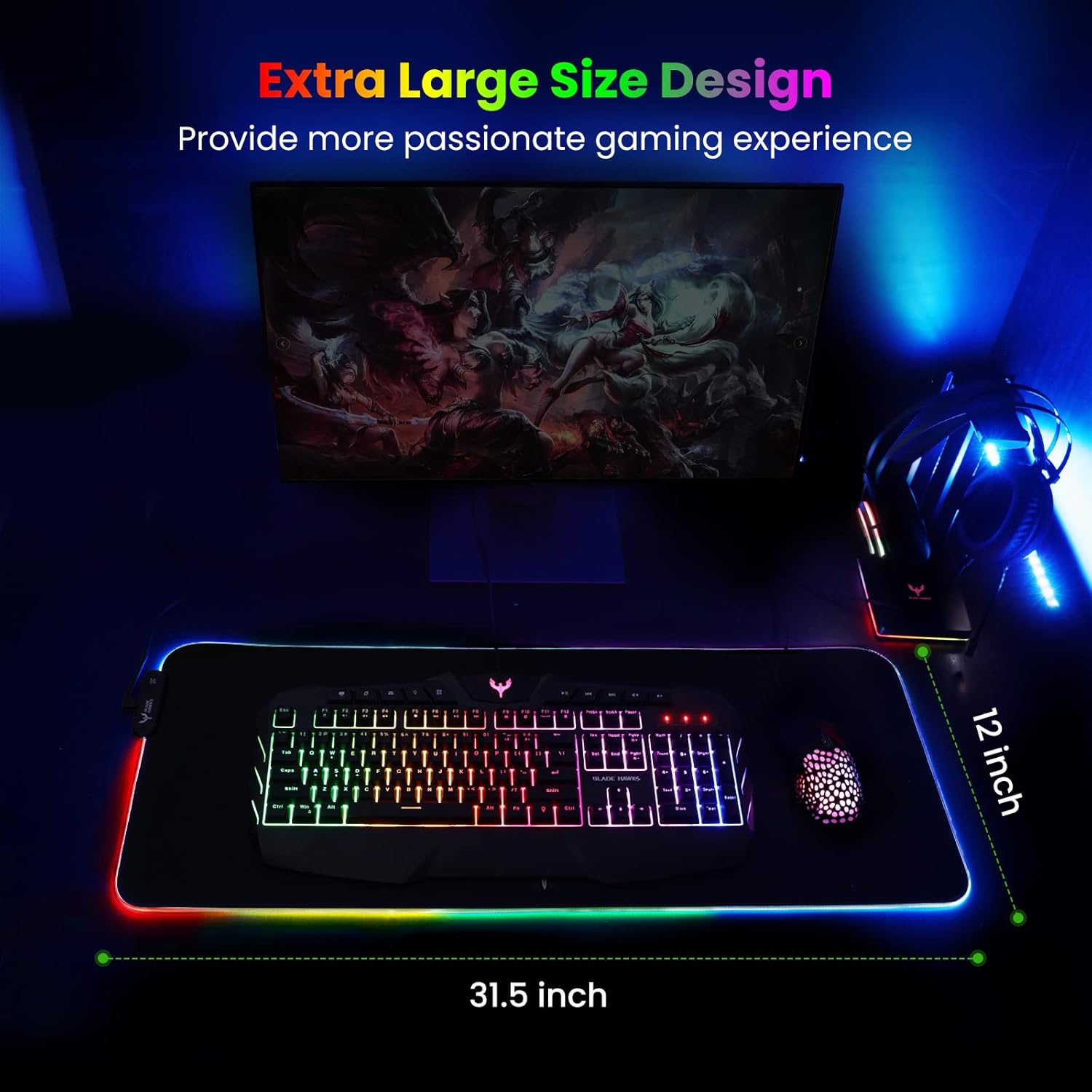
Mouse Pad
BladeHawks Extra Large RGB Gaming Mouse Pad-14 Light Modes, Extended Soft LED Mouse Pad, Anti-Slip Rubber Base, Computer Keyboard Mousepad Mat (31.5 x 12 Inch)
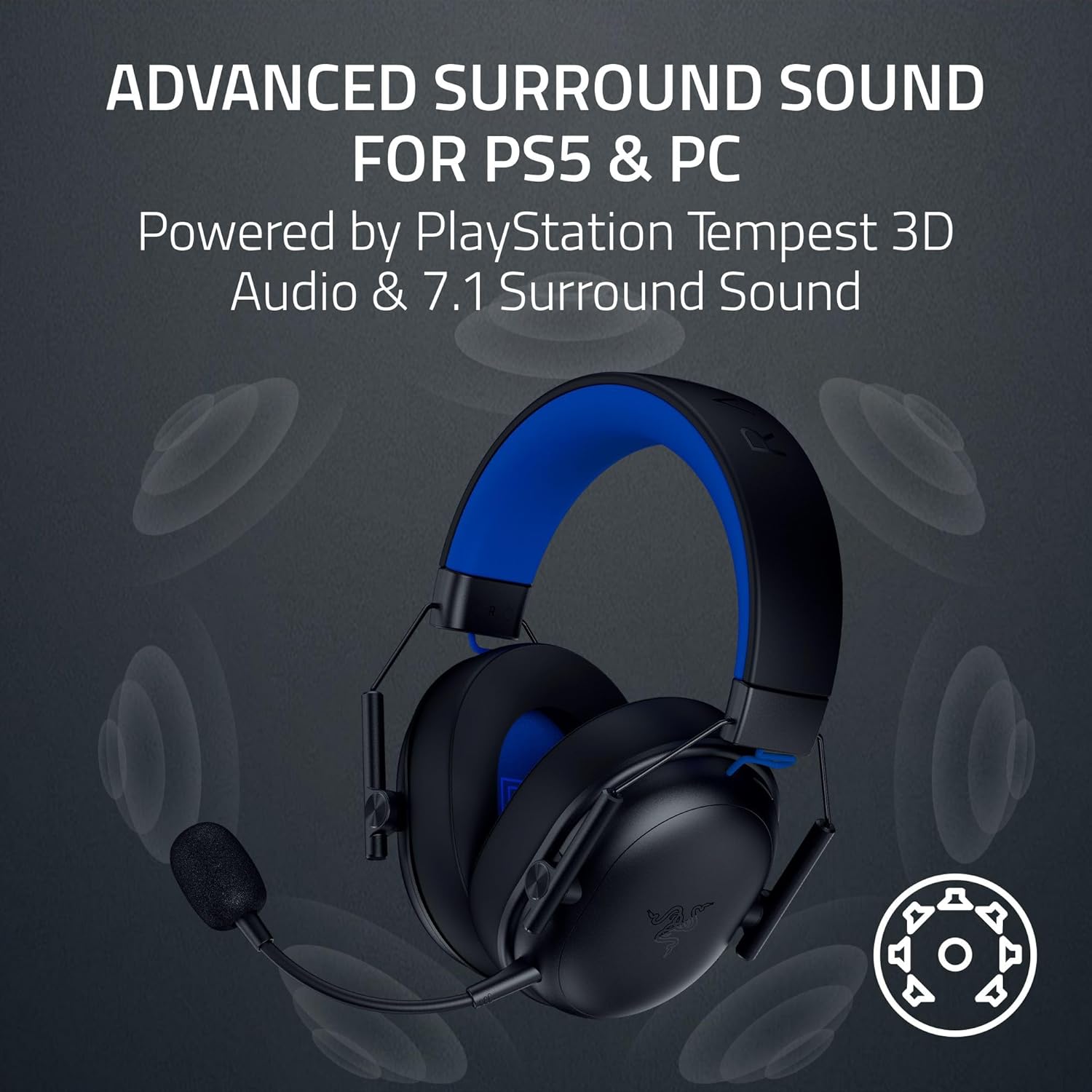
Results
Razer BlackShark V3 X HyperSpeed Wireless Gaming Headset for PS5: 50mm Drivers – Cardioid Mic – 2.4 GHz, Bluetooth – Works with PC, Mac, Nintendo Switch, Smartphone – Long Battery Life – Black
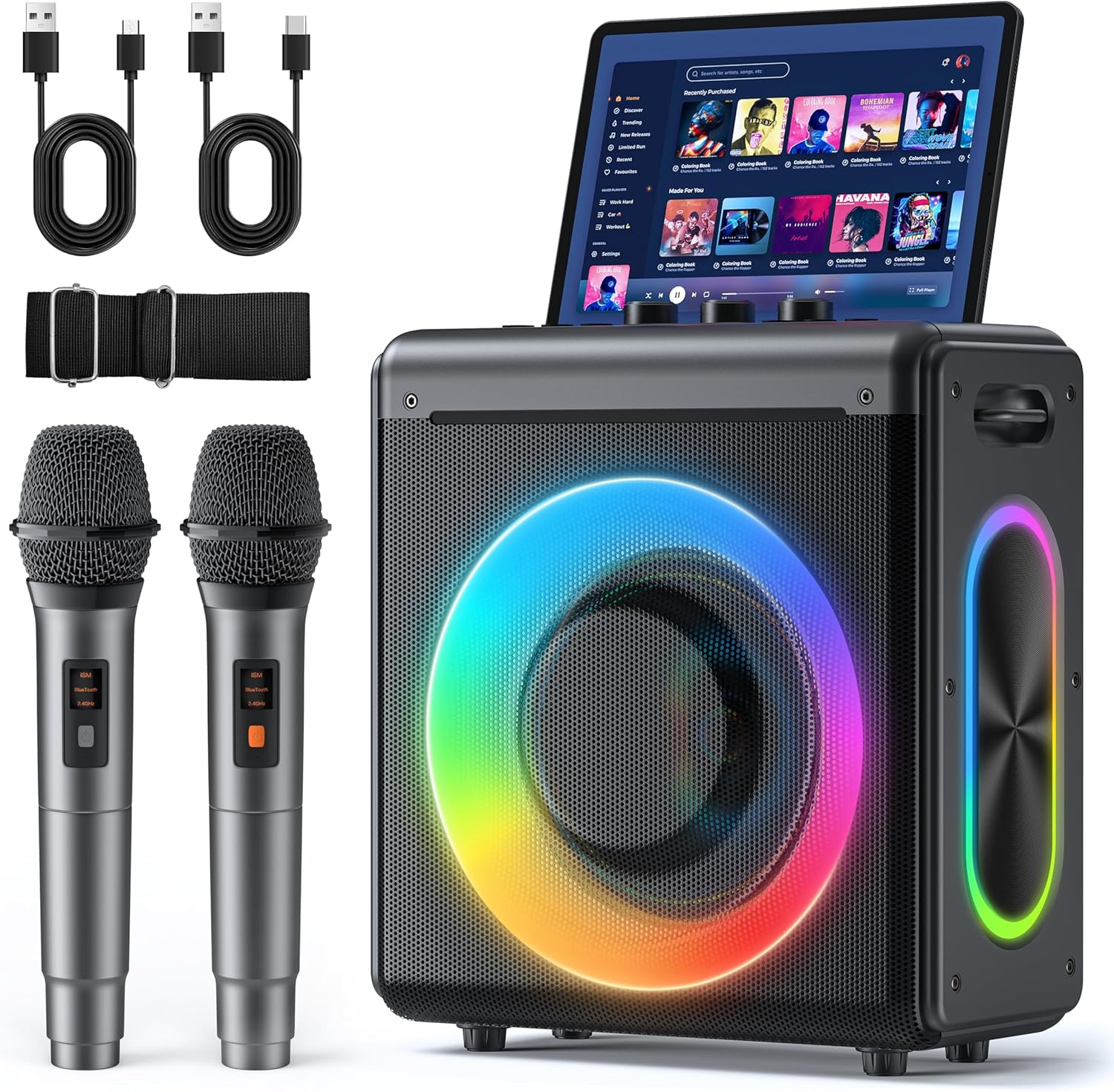
Karaoke Machine
Karaoke Machine with 2 Wireless Rechargeable Microphones: Portable Bluetooth Speaker for Adults & Kids – PA System with Lights Supports TWS/TF Card/USB/AUX for Home Party