The Role of Art and Sound in Enhancing 2D Game Levels
As a seasoned gamer and game designer, I have come to appreciate the profound impact that art and sound design have on the overall experience of 2D games. These elements not only enhance the aesthetic appeal but also contribute significantly to gameplay, player immersion, and storytelling. In this article, we will explore how art and sound can elevate the quality of 2D game levels, providing practical insights and examples along the way.
Understanding the Importance of Art in 2D Games
Art serves as the visual language of a game, communicating its themes, emotions, and mechanics. In 2D games, where the space is limited, every pixel counts. Let’s delve into the various aspects of art design in 2D games.
1. Establishing a Visual Style
The visual style of your game sets the tone and atmosphere. Here are some popular styles in 2D games:
- Pixel Art: This retro style is characterized by its blocky, grid-based graphics, reminiscent of classic games. Games like Celeste and Stardew Valley utilize this style effectively.
- Vector Graphics: Smooth lines and shapes define this modern style, found in games like Super Meat Boy and Geometry Wars.
- Hand-Drawn: This style features illustrations that give a unique and artistic flair, as seen in Hollow Knight and Gris.
When defining your visual style, consider the following checklist:
- Define your game’s theme and mood.
- Select color palettes that enhance the emotional response.
- Choose a style that aligns with your target audience’s preferences.
2. Level Design and Art Integration
Art should not only be visually appealing but also complement gameplay mechanics. Here’s how you can ensure smooth integration:
- Backgrounds: Use layered backgrounds to create depth and a sense of space. Parallax scrolling can enhance this effect.
- Interactive Elements: Design objects that players can interact with, ensuring they stand out through visual cues like color and animation.
- Consistency: Maintain a cohesive art style throughout all levels to prevent jarring transitions.
The Impact of Sound on Player Engagement
Sound design plays a crucial role in reinforcing the emotional and gameplay aspects of 2D games. The right audio can create a more immersive experience and guide players through the game world.
1. Types of Sound Design
In-game audio can be categorized into several types, each serving a specific purpose:
- Background Music: Sets the overall mood and tone. Choose music that reflects the game’s pacing and emotional context.
- Sound Effects: Provide feedback to player actions, such as jumping, collecting items, or taking damage. These should be distinct and easily recognizable.
- Voice Acting: Adds personality to characters and can enhance storytelling. Consider hiring voice actors for key dialogues.
2. Creating an Audio Landscape
To create a rich audio landscape, consider the following steps:
- Define Your Audio Palette: Just like colors in art, choose distinct sounds that represent different elements in your game.
- Layer Sounds: Use multiple sound layers to create a fuller experience. For instance, combine ambient sounds with music for a more immersive effect.
- Test and Iterate: Playtest with different audio settings to find the best balance and ensure that sounds enhance rather than distract from gameplay.
Case Studies: Successful Integration of Art and Sound
To illustrate the principles discussed, let’s look at a couple of successful 2D games that effectively integrated art and sound.
1. Hollow Knight
Hollow Knight exemplifies how art and sound can work together to create an emotionally resonant experience. Its hand-drawn art style captures the essence of its dark, atmospheric world, while a hauntingly beautiful soundtrack enhances the player’s journey through the mysterious kingdom of Hallownest.
2. Celeste
Celeste combines pixel art with a chiptune soundtrack that perfectly matches the game’s themes of struggle and perseverance. The visual cues in the environments are complemented by sound effects that signal player achievements, reinforcing gameplay mechanics.
Best Practices for Implementing Art and Sound in 2D Game Levels
To help you get started on your own projects, here are some best practices for integrating art and sound:
- Conduct thorough research on existing games to identify successful design elements.
- Collaborate with artists and sound designers to ensure a unified vision.
- Utilize tools like Unity or Unreal Engine to prototype and test art and sound integration effectively.
- Gather player feedback on visual and audio elements to make informed adjustments.
Conclusion
The role of art and sound in enhancing 2D game levels cannot be overstated. They are not just embellishments but integral components that shape the player’s experience. By thoughtfully integrating visual and auditory elements, game designers can create immersive, engaging, and memorable experiences for players.
For a deeper understanding of the mechanics and design aspects of 2D games, check out our article on Understanding Level 2D Games: Mechanics and Design.
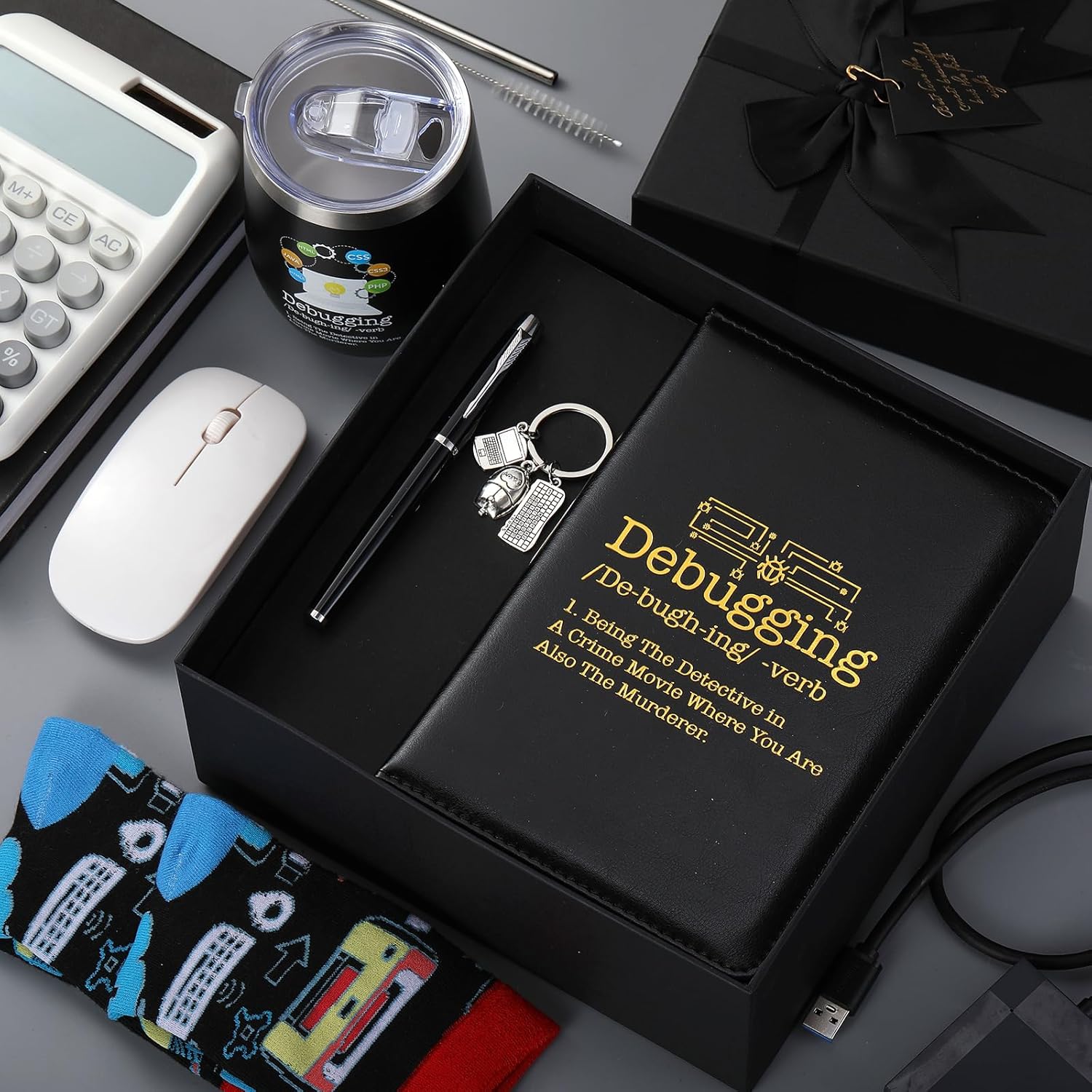
6 Pcs Computer Programmer Gifts for Men
6 Pcs Computer Programmer Gifts for Men Debugging Definition Programmer Gifts 12oz Stainless Steel Cup Socks Keychain Pen Notebook Box for IT Developers Computer Geeks Nerd Hackers Coders
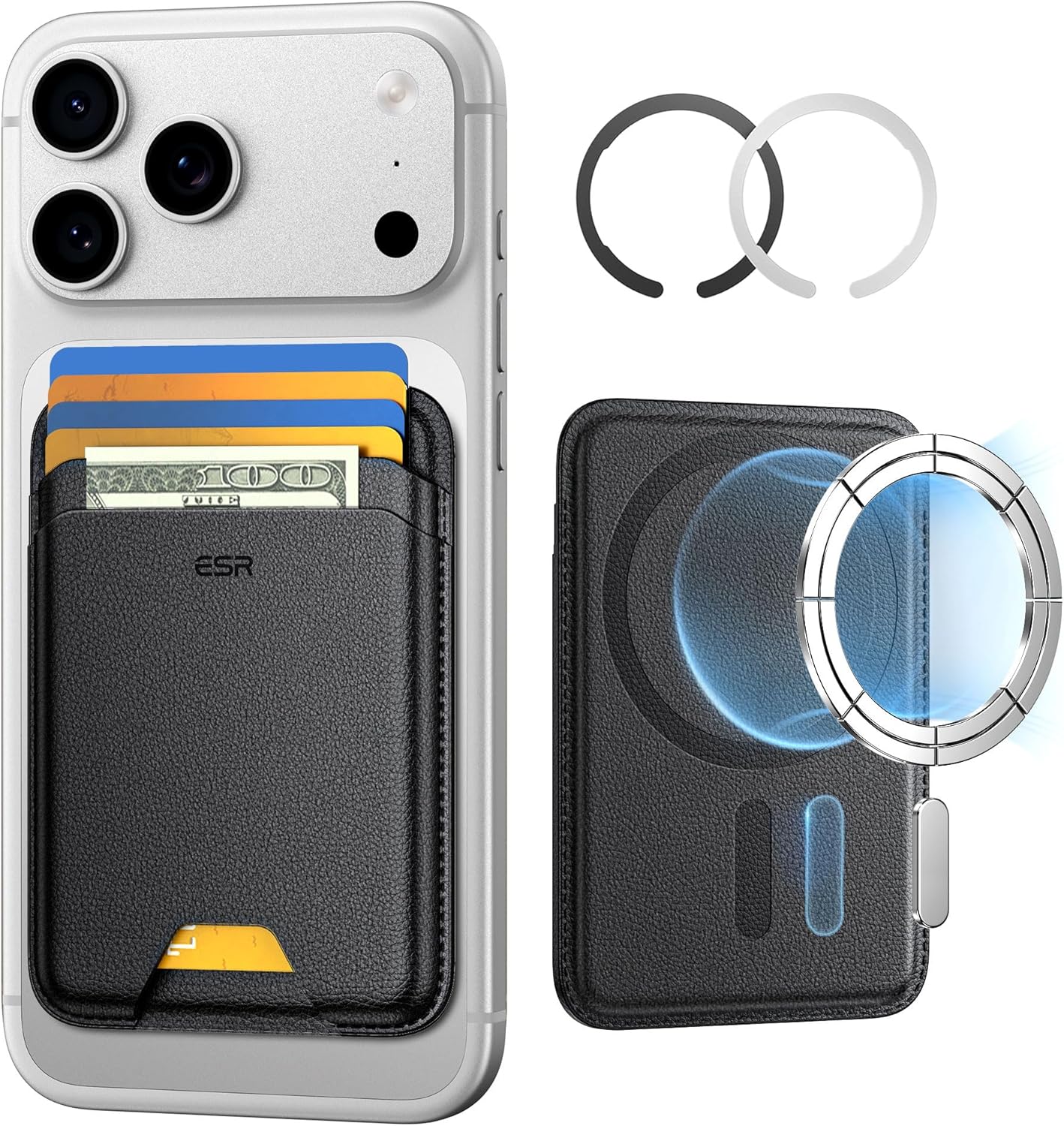
ESR for MagSafe Wallet
ESR for MagSafe Wallet, 5-Card Holder With RFID Blocking, MagSafe Sticker Included, Slim Magnetic Wallet for iPhone 17/16/15/14/13/12 Series and Selected Samsung Devices, Not for 13/12 Mini, Black
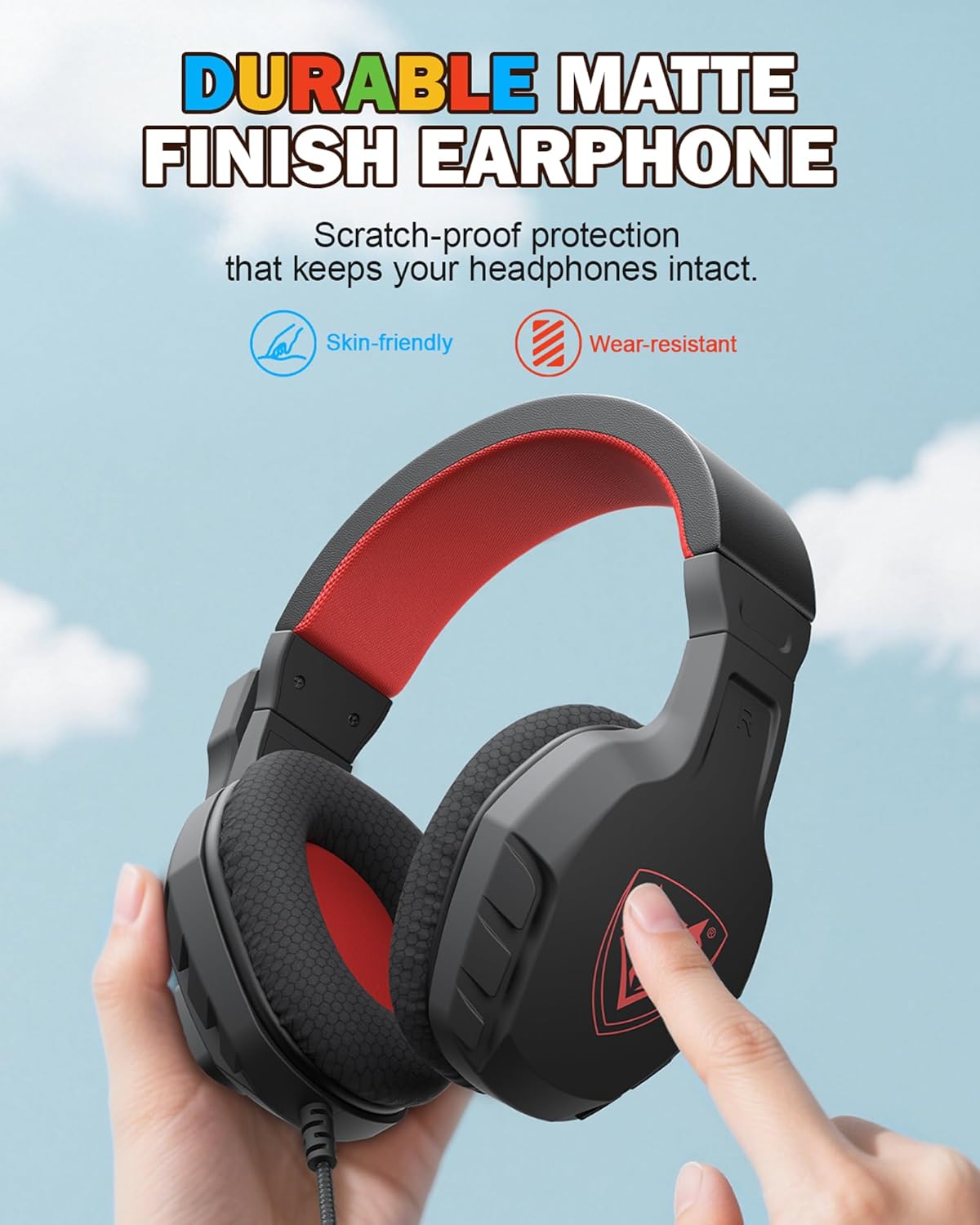
NUBWO U3 Gaming Headset
NUBWO U3 Gaming Headset with Microphone, Safe Volume Limited, Kids Headphones for Switch, Super Lightweight, Rich Sound, 3.5mm Jack for NS, PS4, PS5, Xbox, Tablet, iPad Computer, Red
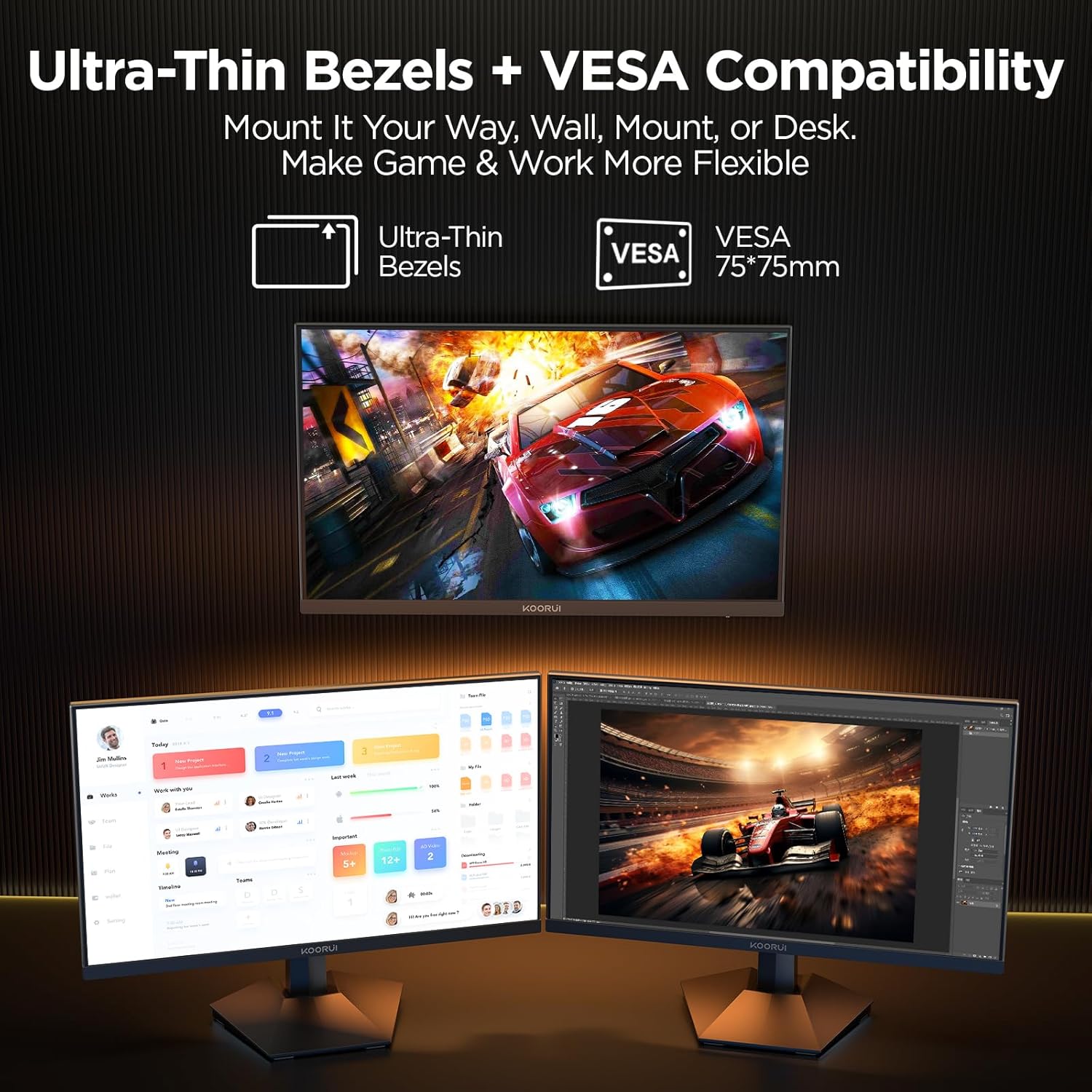
KOORUI
KOORUI 24.5 Inch Gaming Monitor 200Hz, 1ms, FHD(1920 * 1080p) IPS Display, HDR400, 90% DCI-P3 Color Gamut with Adaptive Sync, HDMI & DP Port, Black, G2511P
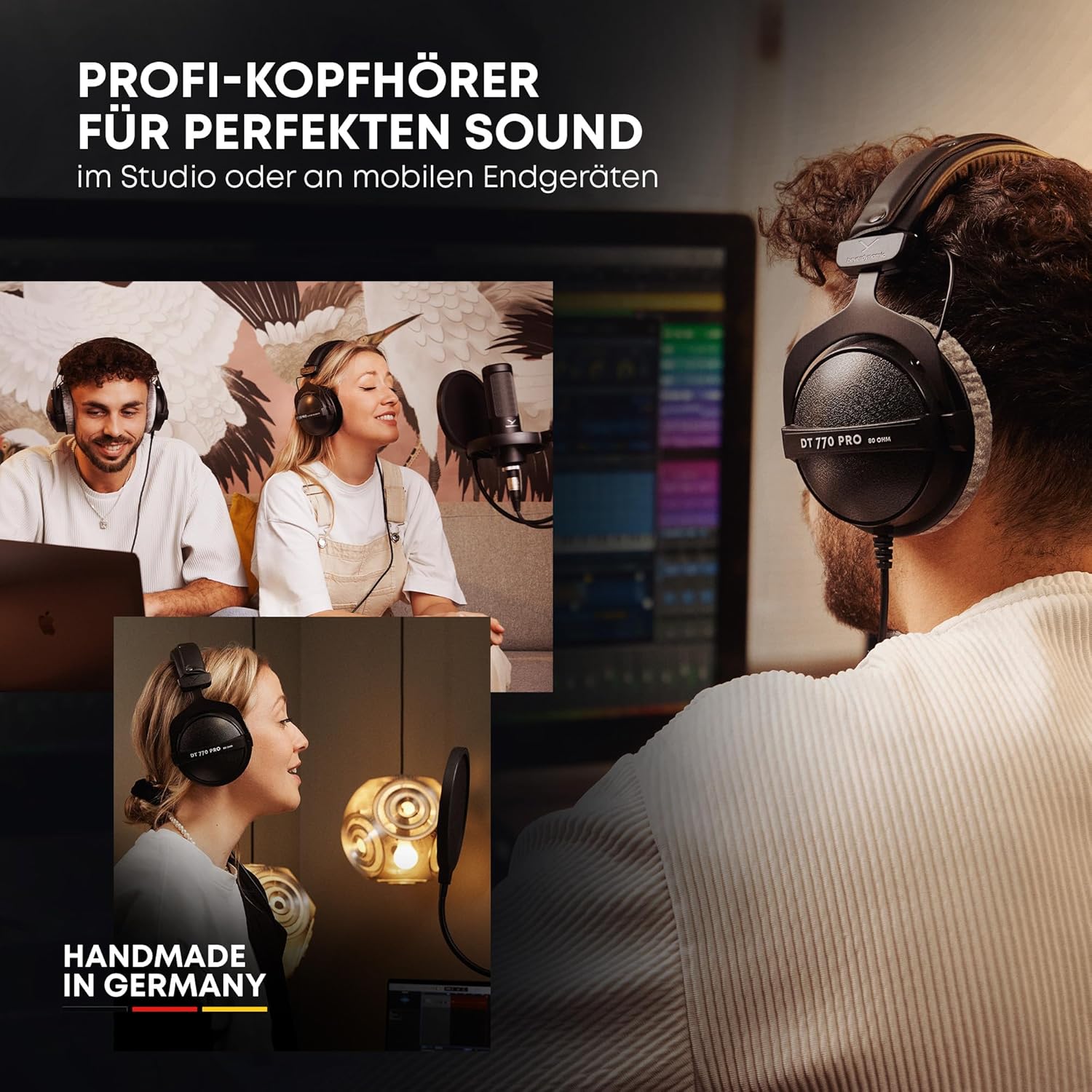
beyerdynamic DT 770 PRO 80 Ohm Over-Ear Studio Headphones in Gray
beyerdynamic DT 770 PRO 80 Ohm Over-Ear Studio Headphones in Gray. Enclosed Design, Wired for Professional Recording and Monitoring
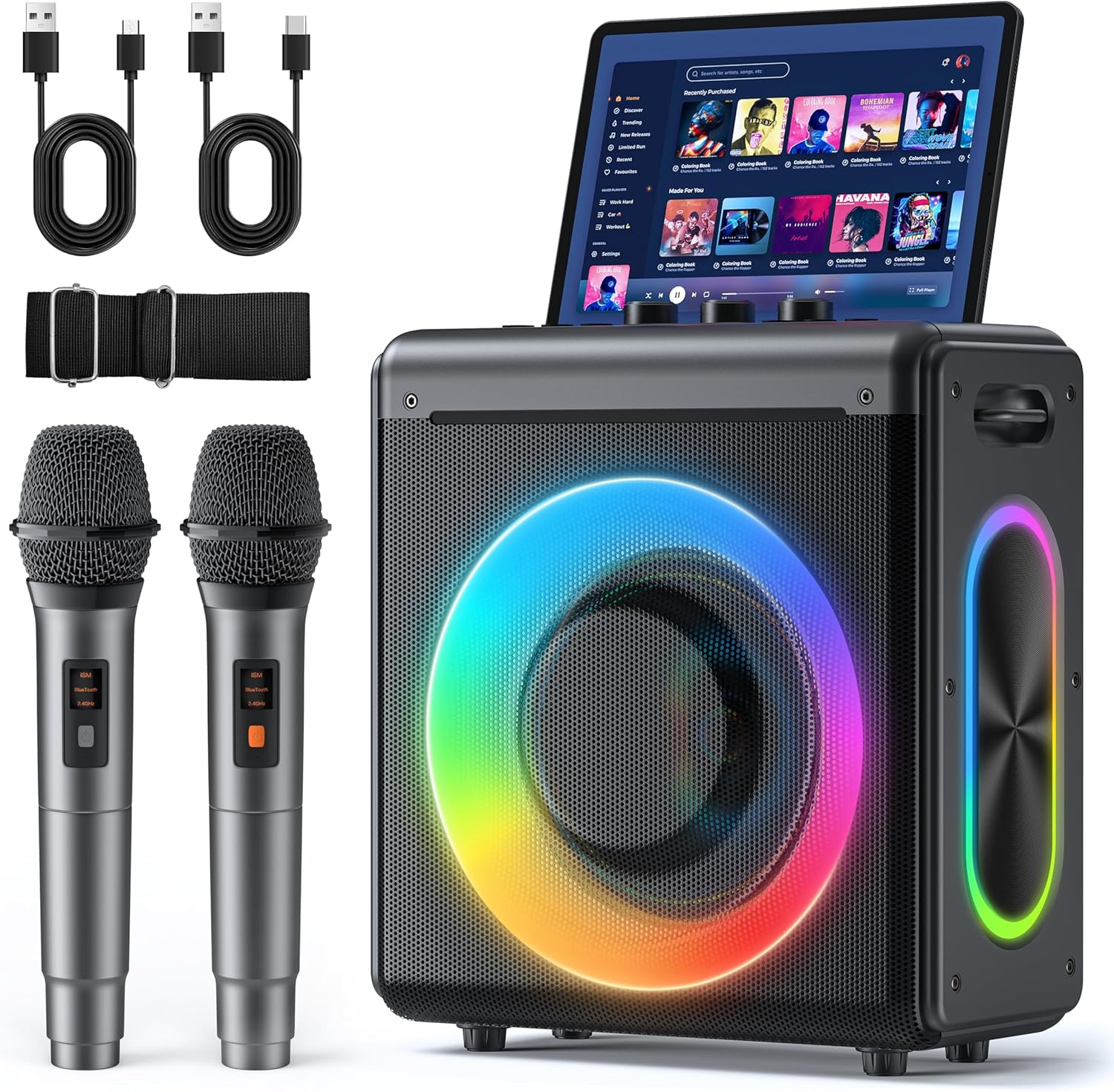
Karaoke Machine
Karaoke Machine with 2 Wireless Rechargeable Microphones: Portable Bluetooth Speaker for Adults & Kids – PA System with Lights Supports TWS/TF Card/USB/AUX for Home Party