How to Conduct Effective Online Play Tests
In the fast-paced world of game development, play testing is crucial for creating engaging and balanced experiences. Online play tests allow developers to gather valuable feedback from a diverse player base. In this article, we’ll explore how to conduct effective online play tests that yield actionable insights.
Why Online Play Testing is Essential
Online play testing has become a vital part of the game development process for several reasons:
- Diversity of Feedback: Inviting players from various backgrounds allows you to gather a wide range of perspectives.
- Cost-Effectiveness: Online play tests can be conducted with minimal resources compared to physical play tests.
- Real-Time Data: Many online platforms offer analytics tools to track player behavior and engagement.
Step-by-Step Guide to Conducting Effective Online Play Tests
Step 1: Define Your Objectives
Before you start testing, it’s crucial to define what you want to achieve. Are you testing game mechanics, user experience, or balance?
Step 2: Select Your Platform
Choose an online platform that suits your testing needs. Popular options include:
- Steam: Ideal for PC games with a built-in community.
- Twitch: Great for real-time feedback during live streams.
- Discord: Useful for gathering feedback in a community setting.
Step 3: Assemble Your Test Group
Gather a diverse group of players. You can recruit testers through:
- Social media channels
- Online gaming forums
- Your own game’s community
Step 4: Create a Testing Schedule
Set a specific date and time for your play test. Ensure that your testers are aware of the schedule and can commit to it. Here’s a simple checklist for organizing your schedule:
| Task | Status |
|---|---|
| Define play test objectives | ✔️ |
| Select platform | ✔️ |
| Recruit testers | ✔️ |
| Schedule test | ✔️ |
Step 5: Prepare Your Game Build
Ensure that the version of the game you’re testing is stable and representative of your vision. Include any features you want feedback on, and ensure that the game is accessible to your testers.
Step 6: Communicate Clearly with Testers
Provide your testers with clear instructions on how to access the game and what you expect from them. Consider creating a guide that includes:
- How to download and install the game
- Specific tasks they should focus on
- A timeline for submitting feedback
Step 7: Conduct the Play Test
During the play test, observe players as they interact with your game. If possible, join them in-game or use a streaming service to watch their gameplay. Take notes on their experiences, focusing on:
- Player engagement
- Areas of confusion
- Feedback on game mechanics
Step 8: Gather Feedback
After the play test, collect feedback from your testers. This can be done through:
- Surveys: Use platforms like Google Forms or SurveyMonkey to create a questionnaire.
- Interviews: Conduct one-on-one interviews for deeper insights.
- Discussion forums: Create a dedicated space for open-ended feedback.
Step 9: Analyze the Data
Once you have collected the feedback, analyze the data to identify trends and common issues. Look for:
- Patterns in player behavior
- Frequent complaints or praises
- Areas requiring adjustments
Step 10: Iterate and Improve
Use the insights gathered to make informed decisions about adjustments to your game. Whether it’s tweaking mechanics, enhancing user experience, or balancing gameplay, remember that iteration is key.
Best Practices for Online Play Testing
To ensure your online play tests are successful, follow these best practices:
- Be Open to Criticism: Accept feedback gracefully and view it as an opportunity for growth.
- Engage with Your Community: Foster a positive relationship with your testers. Thank them for their time and input.
- Keep It Fun: Remember that play testing should be enjoyable for both you and your testers.
Conclusion
Conducting effective online play tests is an invaluable part of game development. By following this step-by-step guide and implementing best practices, you’ll be well on your way to refining your game and ensuring it resonates with players. For more in-depth strategies and insights, check out our Ultimate Guide to Online Play Testing for Games.
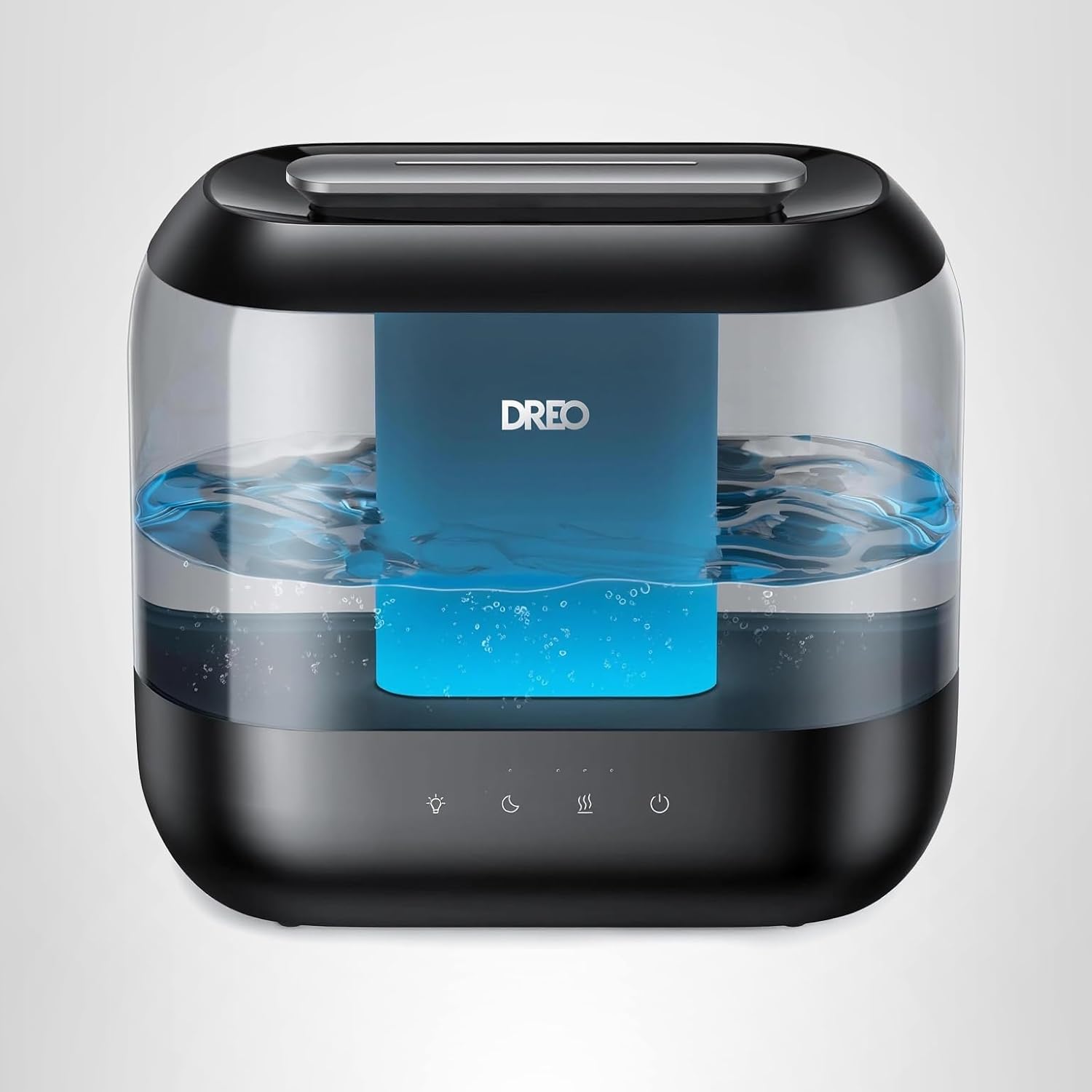
Dreo Humidifiers for Bedroom
Dreo Humidifiers for Bedroom, 4L Top Fill for Large Room, 36H Runtime, 28 dB Quiet Supersized Cool Mist Air Humidifier for Baby Nursery, Plants, Indoor, Night Light, Easy to Clean & Fill, Black
Make Your First 2D Game in Unity
Want to build your first game but don’t know where to start? This beginner-friendly guide shows you how to create SampleGame2D — a fun Flappy Bird–style project — step by step in Unity. Inside you’ll learn:
Results
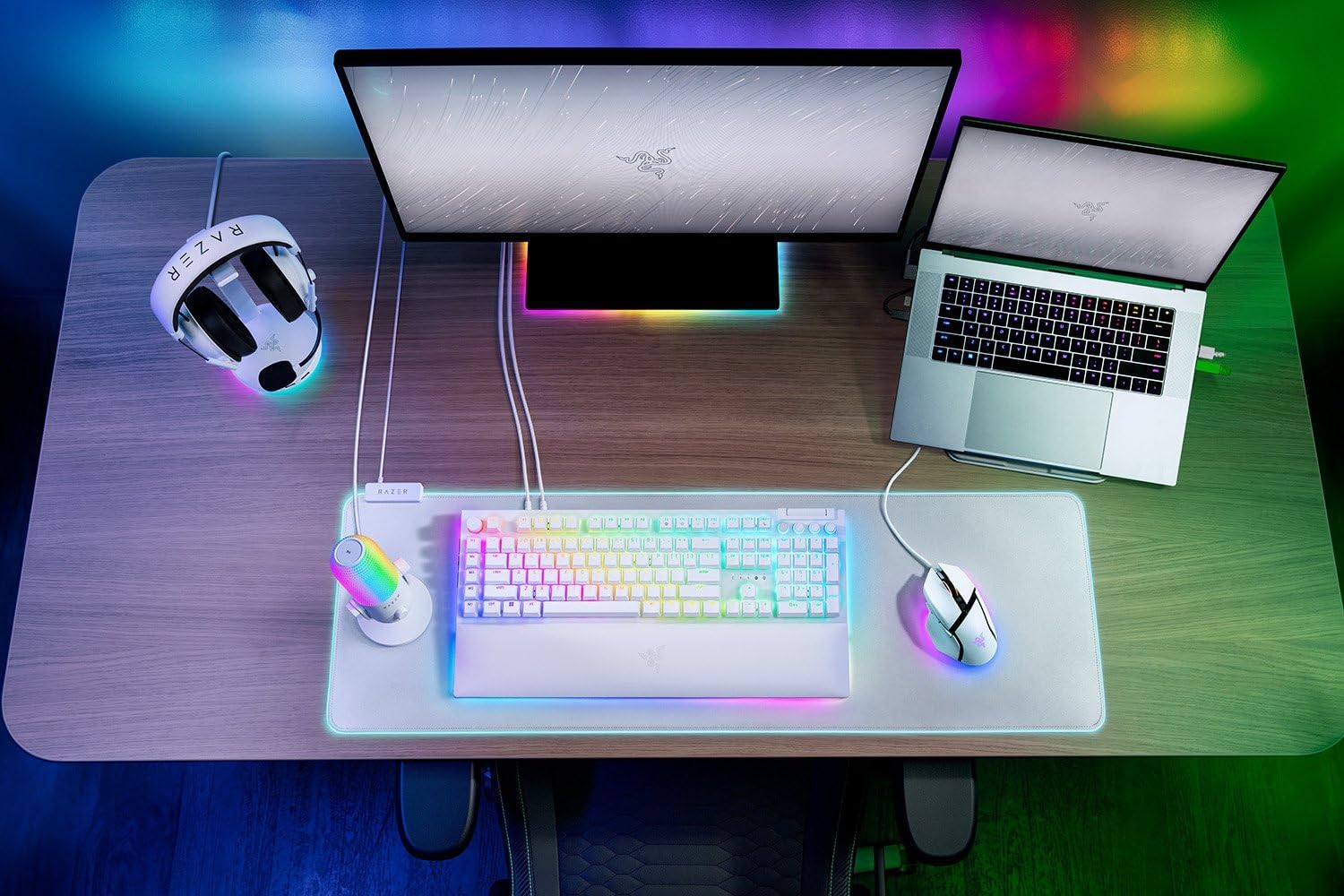
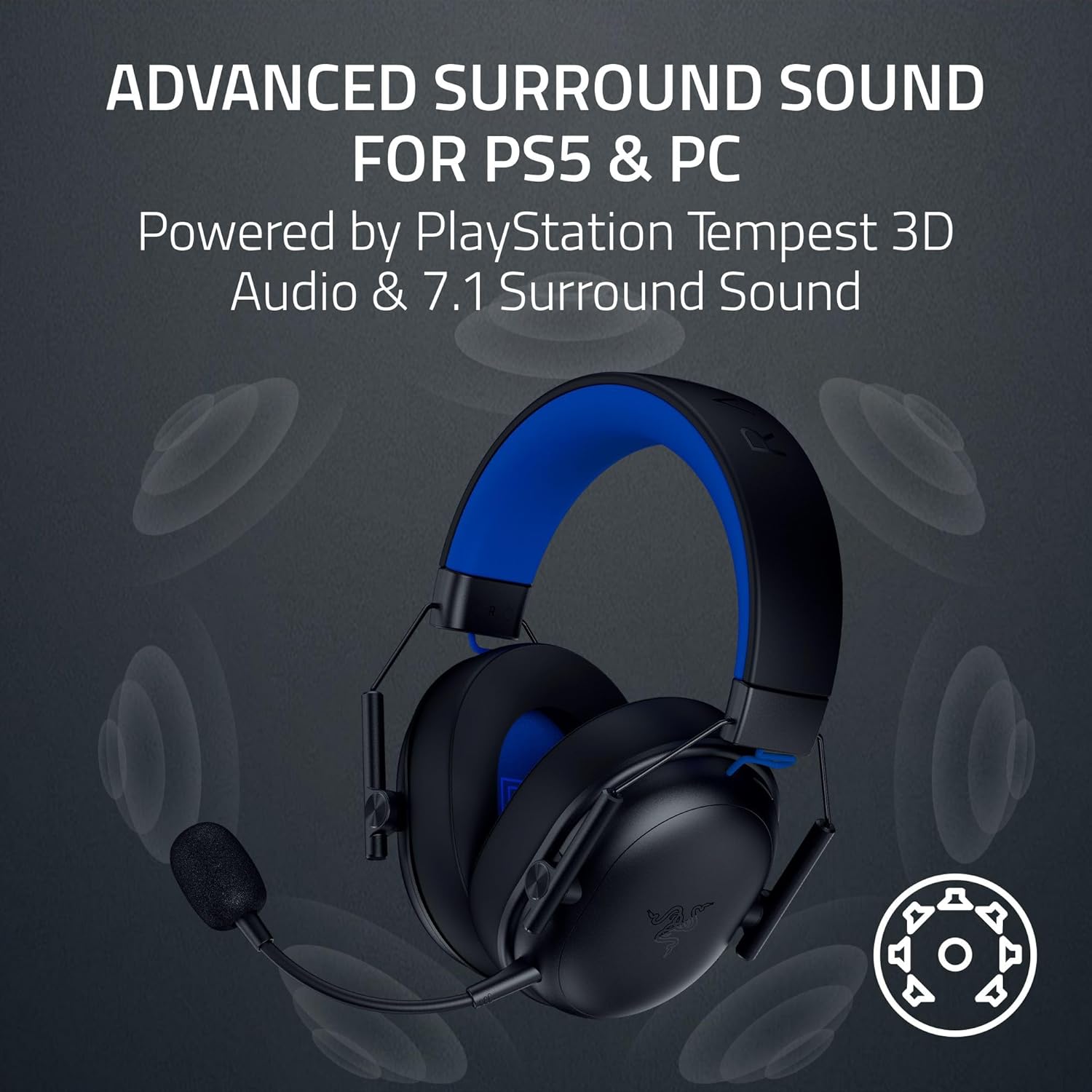
Razer BlackShark V3 X HyperSpeed Wireless Gaming Headset for PS5: 50mm Drivers – Cardioid Mic – 2.4 GHz, Bluetooth – Works with PC, Mac, Nintendo Switch, Smartphone – Long Battery Life – Black

Razer
Razer Basilisk V3 Pro 35K Wireless Gaming Mouse: HyperScroll Tilt Wheel – 35K DPI Optical Sensor Gen 2-13 Customizable Controls – Chroma RGB – Optical Switches Gen 3 – Up to 140 Hr Battery – Black
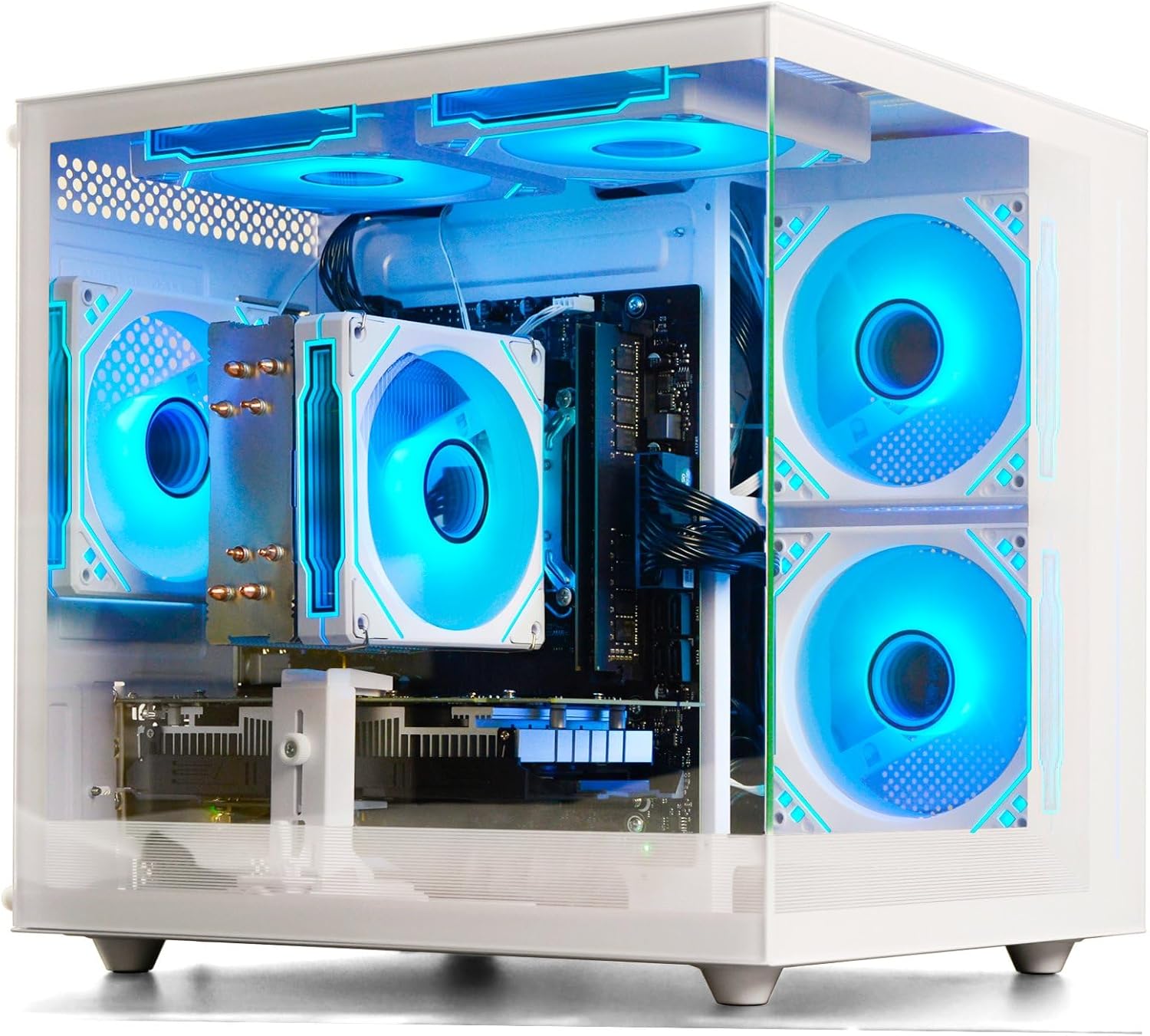
Prebuilt Gaming Desktop Computer
Prebuilt Gaming Desktop Computer | 16G Memory | 512G SSD | AMD Ryzen5 6Cores 3.6G Up to 4.1G | RX 560 4G Graphics Card | Wi-Fi 6 | Gamer PC White