Ultimate Guide to Online Play Testing for Games
Introduction
In the fast-paced world of game development, online play testing has emerged as a pivotal tool for developers aiming to refine their games before launch. This guide aims to provide an in-depth understanding of online play testing, its benefits, effective strategies, tools, and common pitfalls to avoid, ensuring a smoother journey from concept to launch.
What is Online Play Testing?
Online play testing refers to the process through which developers gather feedback on their game from players in a remote setting. This allows for a broader reach, enabling developers to receive insights from diverse audiences regardless of geographical boundaries. Learn more about what online play testing entails.
Benefits of Online Play Testing for Game Developers
Online play testing offers numerous advantages, including:
- Diverse Feedback: Access to players from various demographics.
- Cost-Effective: Reduces the need for physical testing locations.
- Real-Time Data: Instant feedback allows for rapid iteration.
For a deeper dive into how online play testing can benefit you, check out this article.
How to Conduct Effective Online Play Tests
Running an effective online play test requires careful planning and execution. Here’s a step-by-step guide to ensure your testing is productive:
- Define Your Objectives: What do you want to learn from the play test?
- Select Your Audience: Choose participants who reflect your target demographic.
- Choose the Right Tools: Utilize platforms that suit your testing needs.
- Prepare Your Game: Ensure that the version you’re testing is stable.
- Gather Feedback: Use surveys or direct communication to collect data.
- Analyze Results: Look for patterns and areas of improvement.
For a more comprehensive look at conducting effective online play tests, visit this resource.
Tools and Platforms for Online Play Testing
Choosing the right tools can make or break your online play testing experience. Here’s a table of popular tools used by game developers:
| Tool/Platform | Best For | Price |
|---|---|---|
| PlaytestCloud | Mobile games | Varies |
| UserTesting | General feedback | Subscription |
| BetaTesting | Beta access | Free/Paid |
For a complete list of tools and platforms, check out this guide.
Analyzing Feedback from Online Play Tests
Once you have gathered feedback, the next step is analysis. Here are some tips for interpreting the data:
- Look for Trends: Identify common themes in player feedback.
- Prioritize Issues: Not all feedback is equal; focus on critical areas first.
- Use Quantitative Data: Analyze metrics alongside qualitative feedback for a clearer picture.
To dive deeper into analyzing feedback, explore this article.
Common Mistakes to Avoid in Online Play Testing
While online play testing can be incredibly beneficial, there are common pitfalls to avoid:
- Neglecting Target Audience: Testing with the wrong demographic can skew results.
- Ignoring Negative Feedback: Constructive criticism is essential for improvement.
- Inadequate Preparation: Ensure your game is in a playable state to avoid frustrating testers.
For a more detailed list of mistakes to avoid, refer to this section.
Conclusion
Online play testing is an invaluable part of the game development process, offering developers insights that can significantly improve their games. By understanding the fundamentals, leveraging the right tools, and avoiding common mistakes, developers can ensure their play testing efforts are effective and yield actionable results. Embrace the feedback, iterate, and watch your game evolve into something players will love.
RAWM ES21 Wireless Gaming Mouse
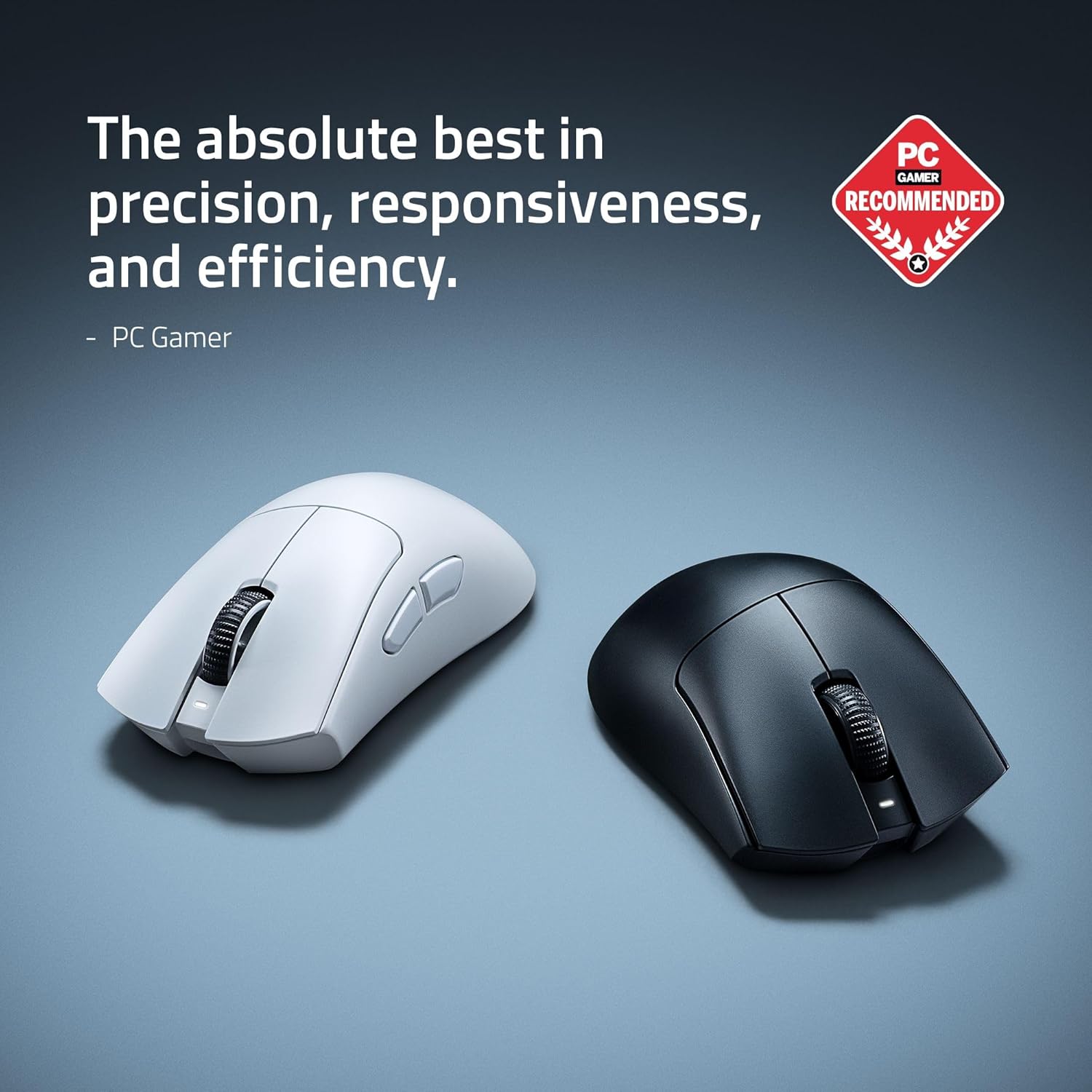
Razer DeathAdder V4 Pro Wireless Gaming Mouse: 56g Lightweight - HyperSpeed Wireless Gen-2 - Optical Scroll Wheel - Optical Switches Gen-4 - Focus Pro 45K Sensor Gen-2 - Up to 150 Hr Battery

MMO Mug
MMO Mug - Legendary Coffee Mug Level 110 - Large Ceramic Black15oz - Gaming, Gamer Cup

AA Products High Back Ergonomic Gaming Chair
AA Products Gaming Chair Ergonomic High Back Computer Racing Chair Adjustable Office Chair with Footrest, Lumbar Support Swivel Chair - BlackOrange