
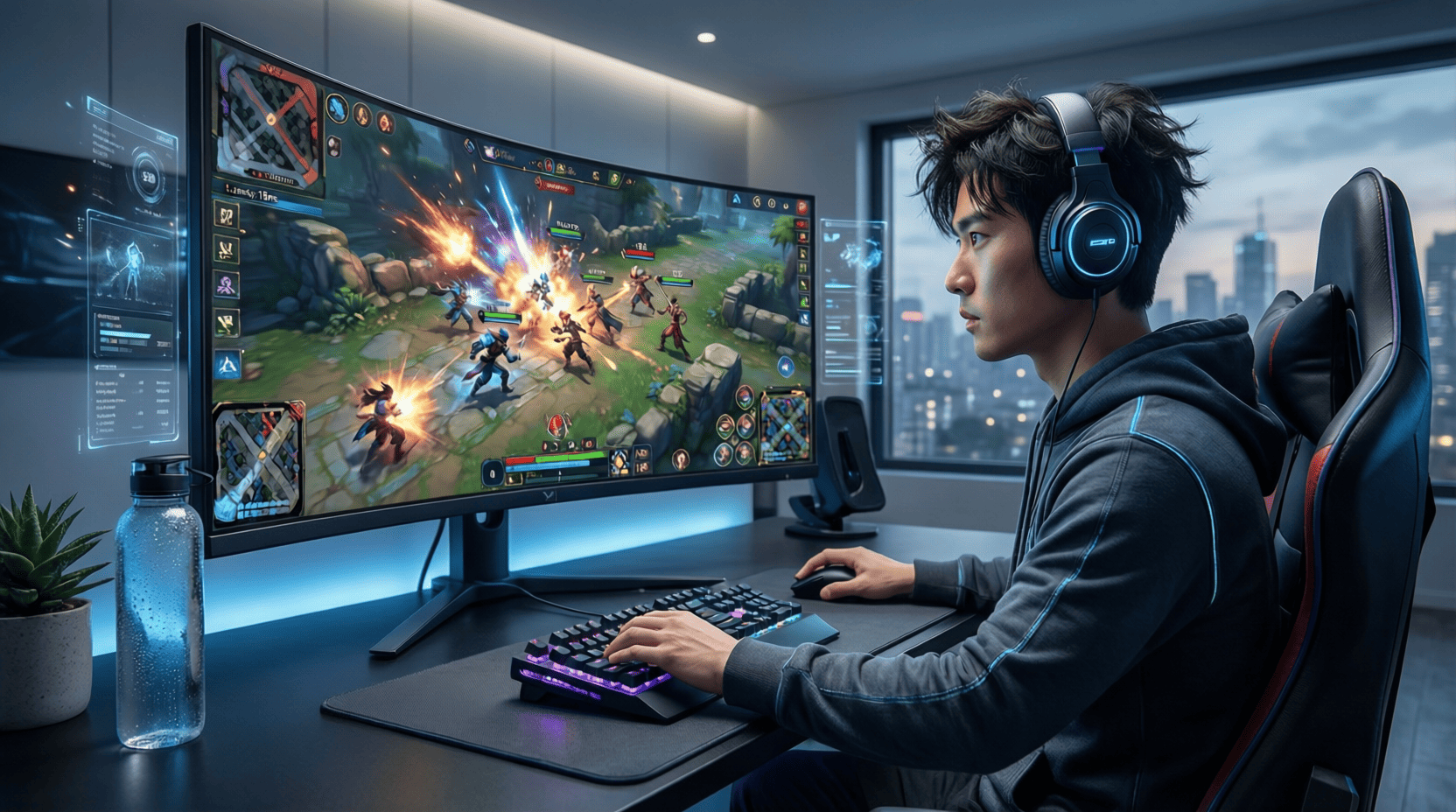
Benefits of Online Play Testing for Game Developers
As a game developer, the road to a successful video game is paved with countless hours of design, coding, and passion. However, the true test of a game’s potential lies in its reception by players. This is where online play testing comes into play, offering a myriad of benefits that can significantly enhance the development process. In this article, we will explore the numerous advantages of online play testing, providing insights and actionable steps to integrate it into your game development workflow.
What is Online Play Testing?
Online play testing is a method of gathering user feedback on a game through online platforms. Developers can invite players from around the world to test their games, allowing for a diverse range of feedback. This process helps identify any issues, gauge player enjoyment, and understand user behavior in a way that traditional play testing may not.
Benefits of Online Play Testing
1. Access to a Diverse Player Base
One of the key advantages of online play testing is the ability to reach a wide and diverse audience. Unlike local play tests that are limited by geography, online play tests can attract players from different cultures, backgrounds, and gaming preferences.
This diversity allows developers to gather feedback from various perspectives, ensuring that the game appeals to a broader audience. For example, a multiplayer game may function well with a specific group but struggle with others due to cultural differences in gameplay styles.
2. Cost-Effective Feedback
Conducting play tests in a physical setting can be costly, requiring space, equipment, and sometimes even incentives for participants. Online play testing eliminates many of these costs. Developers can set up a testing phase digitally, using tools like Steam, Discord, or dedicated testing platforms to collect feedback without incurring large expenses.
3. Real-Time Analytics
Online play testing provides developers with access to real-time analytics, allowing for immediate insights into player behavior. Tools such as Unity Analytics or Google Analytics can track player actions, giving developers valuable data on how players interact with their game.
For instance, players may struggle with a specific level or feature, and analytics can highlight drop-off points where users exit the game. This data is invaluable for making quick adjustments before the official launch.
4. Enhanced Player Engagement
By involving players in the development process, developers can foster a sense of community and engagement. Players who participate in play testing often feel a connection to the game and may become advocates for it upon launch. This engagement can lead to increased interest and a built-in audience for the game’s release.
Additionally, providing players with the opportunity to voice their opinions can lead to valuable insights that can enhance the player experience.
5. Iterative Development
Online play testing allows for iterative development, where feedback can be incorporated into the game in real-time. This means that developers can make changes based on player feedback and test those adjustments almost immediately. This cycle of feedback and improvement can lead to a more polished final product.
For example, if players consistently report an issue with game mechanics, developers can quickly address it and re-test to ensure the problem is resolved.
Steps to Conduct Effective Online Play Testing
Implementing online play testing requires a structured approach to ensure it is effective. Here’s a step-by-step guide:
Step 1: Define Your Goals
Before starting the testing process, outline what you want to achieve. Are you looking for feedback on game mechanics, level design, or overall player experience? Setting clear goals will help you focus your testing process.
Step 2: Choose a Platform
Select a platform that suits your needs. Popular options include:
- Steam: Ideal for PC games, allowing developers to reach a large audience.
- Discord: Great for community-driven testing and feedback.
- Dedicated Testing Platforms: Services like PlaytestCloud or BetaTesting can provide structured feedback.
Step 3: Recruit Testers
Once you’ve chosen a platform, start recruiting players. You can leverage social media, gaming forums, or your existing community to find participants. Consider offering incentives, such as exclusive in-game items, to encourage sign-ups.
Step 4: Prepare Testing Materials
Create documents or surveys to guide testers through the process. Include:
- Instructions on how to play the game.
- Specific areas to focus on during testing.
- Feedback forms or surveys to gather insights.
Step 5: Conduct the Test
Host the play test and monitor the players. Be available to answer questions and provide support. Ensure players know how to submit feedback effectively.
Step 6: Analyze Feedback
After the testing period, gather all feedback and analyze it. Look for patterns in player responses and focus on areas that received the most comments. Use analytics tools to supplement qualitative feedback with quantitative data.
Step 7: Implement Changes
Based on the feedback, make necessary changes to the game. Remember to prioritize fixes that will have the most significant impact on player experience.
Step 8: Repeat
Testing is an iterative process. Consider conducting multiple rounds of online play testing to refine your game further.
Checklist for Online Play Testing
| Task | Status |
|---|---|
| Define testing goals | ✔️ |
| Choose testing platform | ✔️ |
| Recruit testers | ✔️ |
| Prepare testing materials | ✔️ |
| Conduct test | ✔️ |
| Analyze feedback | ✔️ |
| Implement changes | ✔️ |
| Plan for next test | ✔️ |
Conclusion
Online play testing is an invaluable tool for game developers aiming to create engaging and successful games. By embracing this method, developers can gather diverse feedback, save costs, and make informed decisions throughout the development process. As you embark on your next game project, consider implementing online play testing to enhance your game’s design and ensure it resonates with players.
For a more in-depth exploration of online play testing, check out our Ultimate Guide to Online Play Testing for Games.
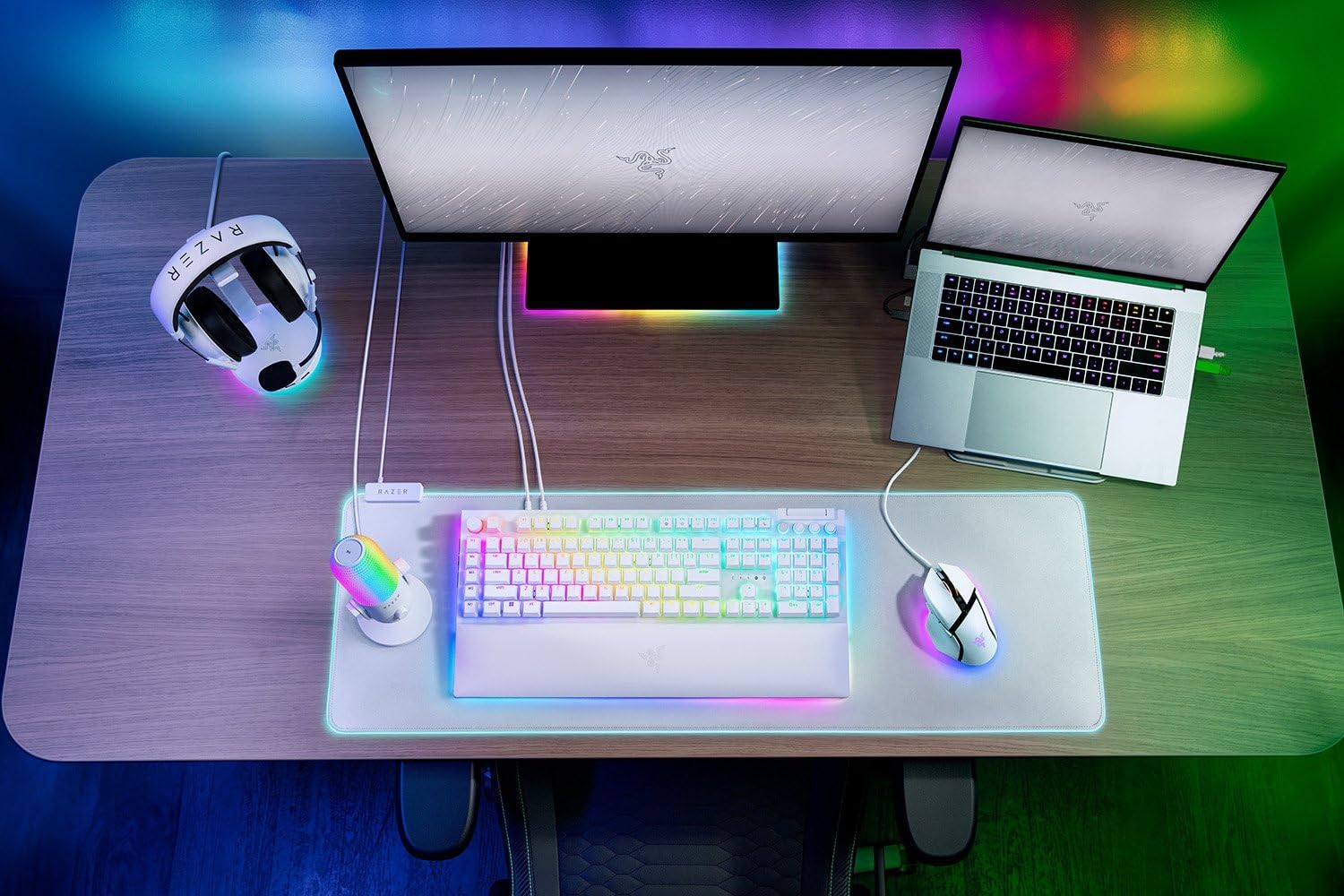
Razer
RAZER BlackWidow V4 Pro Wired RGB Keyboard White Refurbished
Make Your First 2D Game in Unity
Want to build your first game but don’t know where to start? This beginner-friendly guide shows you how to create SampleGame2D — a fun Flappy Bird–style project — step by step in Unity. Inside you’ll learn:
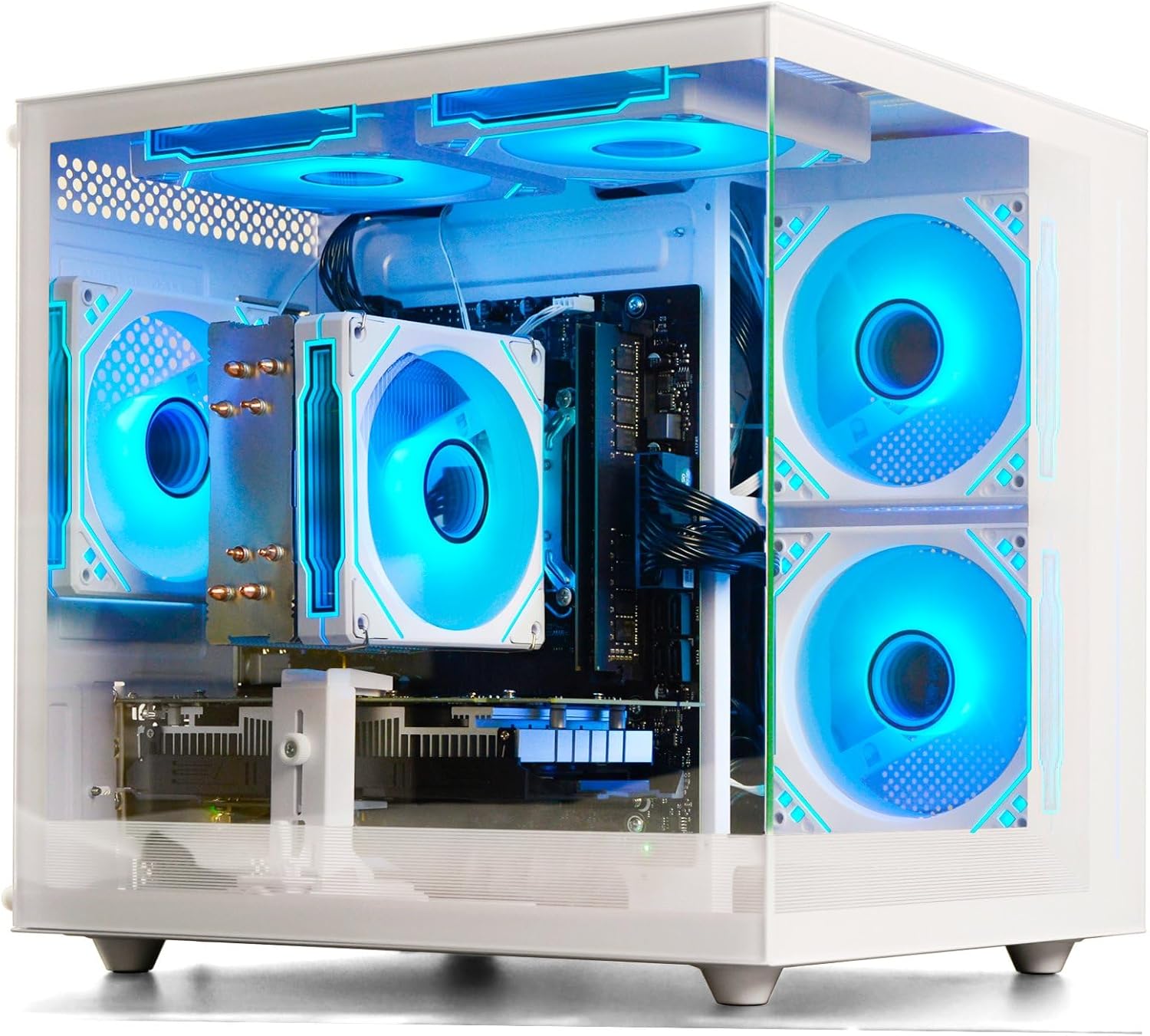
Prebuilt Gaming Desktop Computer
Prebuilt Gaming Desktop Computer | 16G Memory | 512G SSD | AMD Ryzen5 6Cores 3.6G Up to 4.1G | RX 560 4G Graphics Card | Wi-Fi 6 | Gamer PC White

Beats-Studio Pro Cancelling Headphones
Beats Studio Pro - Wireless Bluetooth Noise Cancelling Headphones with USB-C Charging Cable (20 cm) - Jet Black