
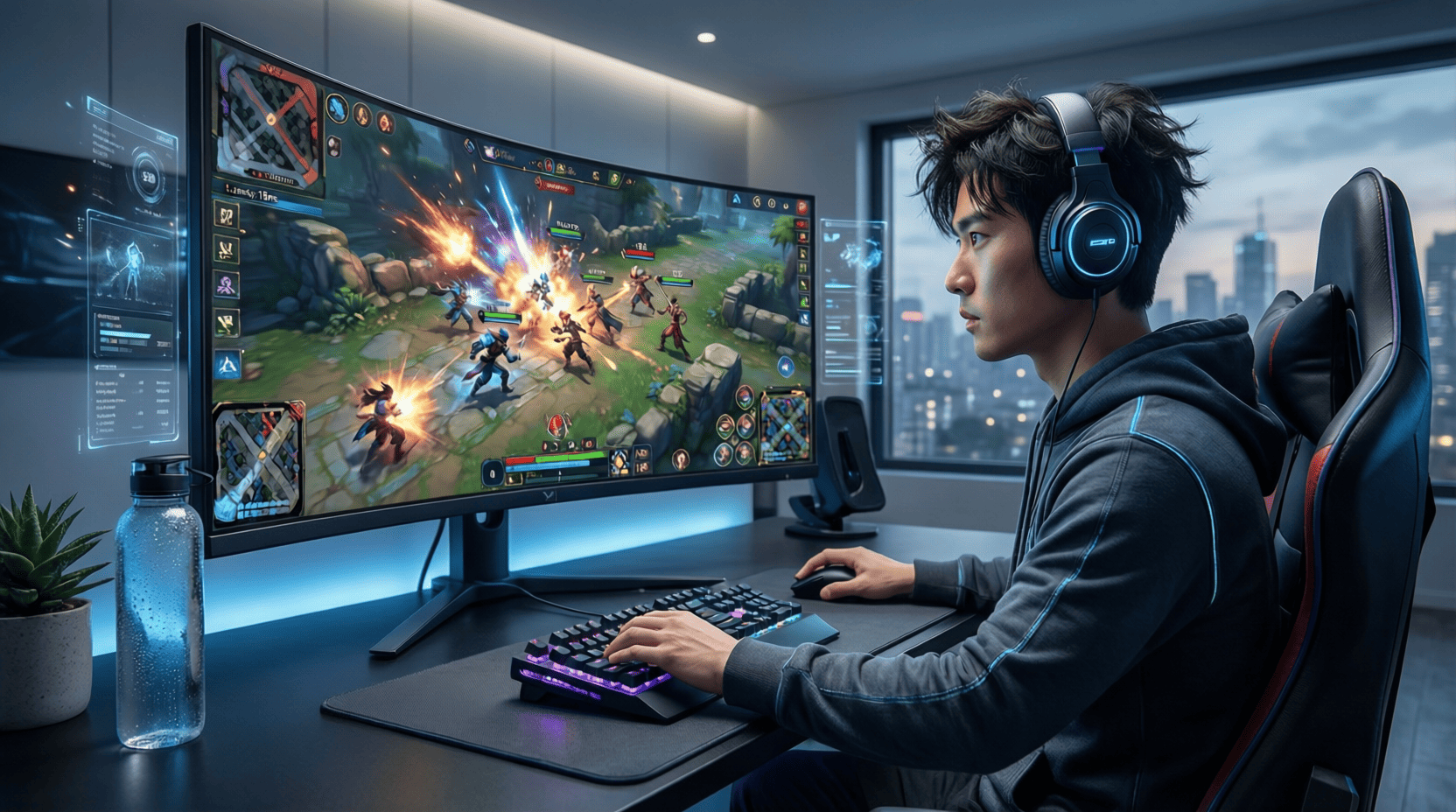
Common Mistakes to Avoid in Online Play Testing
As a seasoned gamer and developer, I know that online play testing can make or break your game’s success. In this article, we’ll explore the common mistakes that can undermine your efforts and provide actionable solutions to ensure a smoother testing process.
Understanding Online Play Testing
Online play testing is crucial for gathering player feedback and identifying gameplay issues. It involves inviting players to engage with your game, allowing you to observe their interactions and gather insights. However, without careful planning and execution, you can easily fall into common traps that hinder your game’s development.
Common Mistakes to Avoid
1. Not Defining Clear Objectives
A significant oversight in online play testing is failing to set clear objectives for what you want to achieve. Without these objectives, you may end up gathering irrelevant feedback.
Solution: Before starting your play test, outline specific goals. For example:
- Evaluate gameplay mechanics
- Identify bugs or glitches
- Assess player engagement and enjoyment
2. Ignoring the Target Audience
Another common pitfall is not considering the characteristics of your target audience. Testing with players who don’t align with your intended audience can lead to skewed results.
Solution: Ensure your playtesters represent your target demographic. This can be achieved by utilizing screening questionnaires to select participants who match your player profile.
3. Overloading Testers with Information
Providing too much information upfront can overwhelm testers and skew their experience. If they are bogged down with instructions, they may not engage with the game as intended.
Solution: Keep instructions concise and focus on key aspects. Consider creating a checklist of essential tasks instead of lengthy guides.
4. Failing to Create a Comfortable Environment
The testing environment plays a crucial role in the feedback you receive. If testers feel uncomfortable or pressured, it can affect their performance and feedback.
Solution: Make the testing environment as comfortable as possible. Encourage testers to play at their own pace and remind them that their honest feedback is crucial for improvement.
5. Not Collecting Feedback Effectively
Collecting feedback is critical, yet many developers fail to choose effective methods. Relying solely on surveys can limit the depth of insights you receive.
Solution: Use a combination of qualitative and quantitative feedback methods. For example, follow up surveys with one-on-one interviews to dive deeper into player experiences.
6. Ignoring Post-Play Test Analysis
After collecting data, many developers often skip thorough analysis, leading to missed opportunities for improvement.
Solution: Dedicate time to analyze the feedback. Create a table to categorize the feedback based on themes, frequency, and severity of issues.
7. Lack of Iteration
Finally, one of the biggest mistakes is failing to iterate based on feedback. If you don’t make changes based on player insights, you’re essentially wasting the effort put into play testing.
Solution: Use the feedback to implement changes in a timely manner. Plan subsequent tests to validate the modifications made.
Step-by-Step Guide to Effective Play Testing
Step 1: Define Your Objectives
Establish what you want to learn from your play test. Write down specific objectives and share them with your team.
Step 2: Recruit Your Testers
Use social media, gaming forums, and community groups to find testers that fit your target audience.
Step 3: Prepare Your Game
Ensure the game is in a playable state and that all necessary test materials are ready.
Step 4: Conduct the Play Test
Monitor the session, take notes, and encourage testers to provide real-time feedback.
Step 5: Debrief with Testers
Hold a debriefing session post-test to gather additional insights and clarify any feedback.
Step 6: Analyze Feedback
Review all collected data and categorize it for easier analysis.
Step 7: Implement Changes
Make necessary adjustments to your game based on feedback and prepare for the next round of testing.
Checklist for Successful Play Testing
| Checklist Item | Status |
|---|---|
| Define clear objectives | ✔️ |
| Recruit target audience testers | ✔️ |
| Create a comfortable testing environment | ✔️ |
| Collect feedback through multiple methods | ✔️ |
| Analyze feedback thoroughly | ✔️ |
| Implement changes before the next test | ✔️ |
Conclusion
Online play testing is a vital component of game development, but it requires careful planning and execution to avoid common mistakes. By following the guidelines outlined in this article, you can enhance your testing process and ultimately produce a better game. For further insights and comprehensive strategies, check out our Ultimate Guide to Online Play Testing for Games.
interface sounds OGG
interface sounds, UI sound effects, UX sound effects, game UI sounds, mobile UI audio, notification sound effects, button click SFX, menu sounds, toggle switch sounds, error alert sounds

Razer
Razer Basilisk V3 Pro 35K Wireless Gaming Mouse: HyperScroll Tilt Wheel - 35K DPI Optical Sensor Gen 2-13 Customizable Controls - Chroma RGB - Optical Switches Gen 3 - Up to 140 Hr Battery - Black

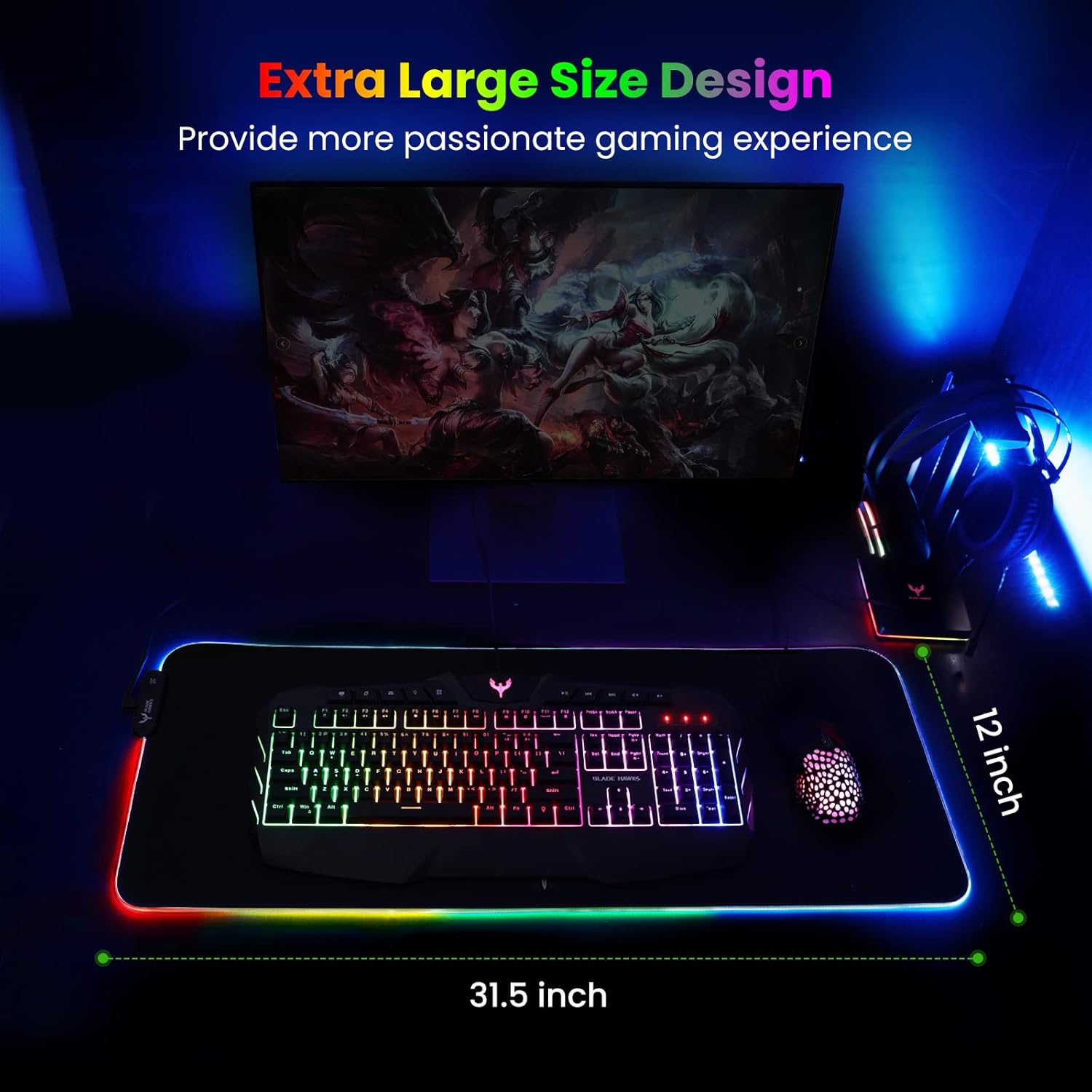
Mouse Pad
BladeHawks Extra Large RGB Gaming Mouse Pad-14 Light Modes, Extended Soft LED Mouse Pad, Anti-Slip Rubber Base, Computer Keyboard Mousepad Mat (31.5 x 12 Inch)