

What is Online Play Testing?
Introduction
Online play testing has become an integral part of the game development process. It allows developers to gather invaluable feedback from players around the world, ensuring that the final product is polished, engaging, and meets the expectations of the gaming community. In this article, we’ll explore the definition of online play testing, its importance, methods, and best practices.
What is Online Play Testing?
Online play testing refers to the practice of allowing players to test a video game remotely over the internet. This testing phase can occur at various stages of game development, from early alpha versions to near-complete betas. The goal is to gather user feedback on gameplay mechanics, user interface, bugs, and overall enjoyment.
The Importance of Online Play Testing
Understanding the importance of online play testing is essential for any game developer. Here are some key reasons why:
- Player Feedback: Direct feedback from players can reveal what works and what doesn’t in a game.
- Identifying Bugs: Players often discover bugs that developers may overlook during internal testing.
- Balancing Gameplay: Feedback can help balance difficulty levels, character abilities, and game mechanics.
- Community Engagement: Involving players early can create a sense of community and investment in the game’s success.
Methods of Online Play Testing
There are various methods for conducting online play testing, each with its advantages and challenges. Here are some popular methods:
1. Closed Alpha Testing
This involves a small group of selected players who are invited to test the game. Feedback is usually gathered through surveys or direct communication.
2. Closed Beta Testing
A larger group of players is invited to participate. This phase often focuses on bug testing and performance metrics.
3. Open Beta Testing
This method allows anyone to participate, providing a broad range of feedback. It’s often used as a marketing strategy leading up to the game’s official release.
Step-by-Step Guide to Conducting Online Play Testing
Here’s a simple guide to help you conduct effective online play testing:
- Define Your Goals: Determine what you want to achieve through play testing. Are you looking for feedback on gameplay, graphics, or bugs?
- Select Your Participants: Choose a diverse group of players that represent your target audience.
- Prepare the Testing Environment: Ensure that the game is stable and that all necessary tools for feedback collection are in place.
- Conduct the Test: Provide clear instructions to participants and monitor the session to address any immediate issues.
- Gather and Analyze Feedback: Use surveys, forums, or direct communication to collect feedback. Analyze this data to identify patterns and areas for improvement.
- Implement Changes: Based on the feedback, make necessary adjustments to the game.
- Follow Up: Engage with your testers after the changes are made, and consider additional rounds of testing if needed.
Checklist for Online Play Testing
| Item | Status |
|---|---|
| Define testing goals | ✔️ |
| Select participants | ✔️ |
| Prepare testing environment | ✔️ |
| Conduct the test | ✔️ |
| Gather feedback | ✔️ |
| Implement changes | ✔️ |
| Follow up with testers | ✔️ |
Best Practices for Online Play Testing
To maximize the effectiveness of your online play testing, consider the following best practices:
- Be Transparent: Share your goals and expectations with testers to ensure they understand their role.
- Encourage Honest Feedback: Create an environment where testers feel comfortable sharing both positive and negative feedback.
- Use Structured Feedback Tools: Surveys and questionnaires can help gather consistent feedback.
- Monitor Gameplay: Utilize streaming or recording tools to observe how players interact with your game.
Case Study: Successful Online Play Testing
Let’s look at a case study of a popular game that used online play testing effectively:
Example: XYZ Game
XYZ Game, a multiplayer online battle arena (MOBA), conducted a series of online play tests leading up to its launch. By inviting a select group of players during the closed alpha phase, the developers were able to identify critical gameplay imbalances. After implementing changes based on player feedback, they opened the beta testing to a wider audience, which revealed additional bugs and gameplay issues. The final release was met with rave reviews, thanks in part to their proactive approach to online play testing.
Conclusion
Online play testing is an essential component in the game development process. By understanding how to effectively conduct these tests, developers can ensure their games are well-received by the community. If you want to delve deeper into online play testing, check out our Ultimate Guide to Online Play Testing for Games for more insights and methodologies.
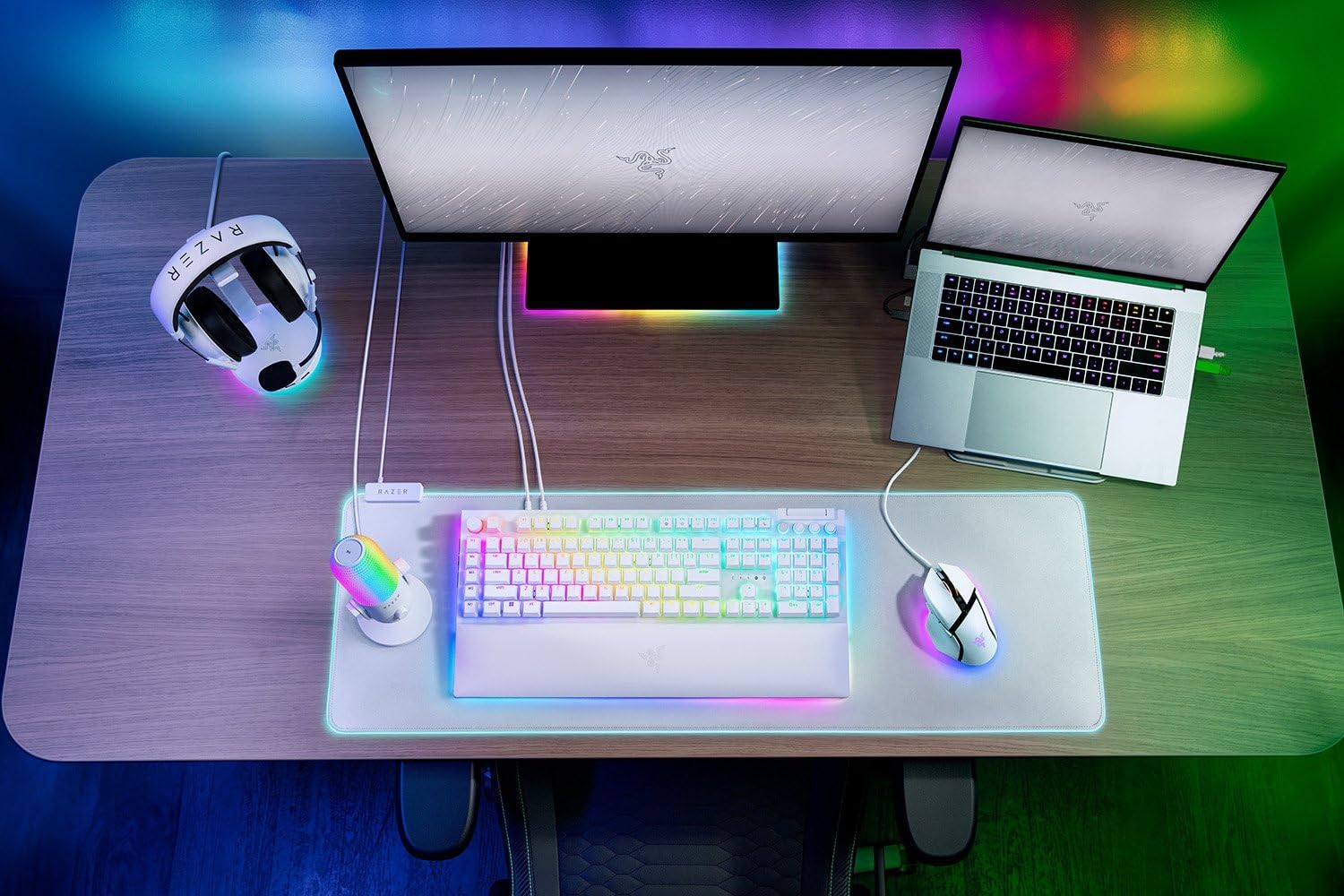

Prebuilt Gaming Desktop Computer
Prebuilt Gaming Desktop Computer | 16G Memory | 512G SSD | AMD Ryzen5 6Cores 3.6G Up to 4.1G | RX 560 4G Graphics Card | Wi-Fi 6 | Gamer PC White
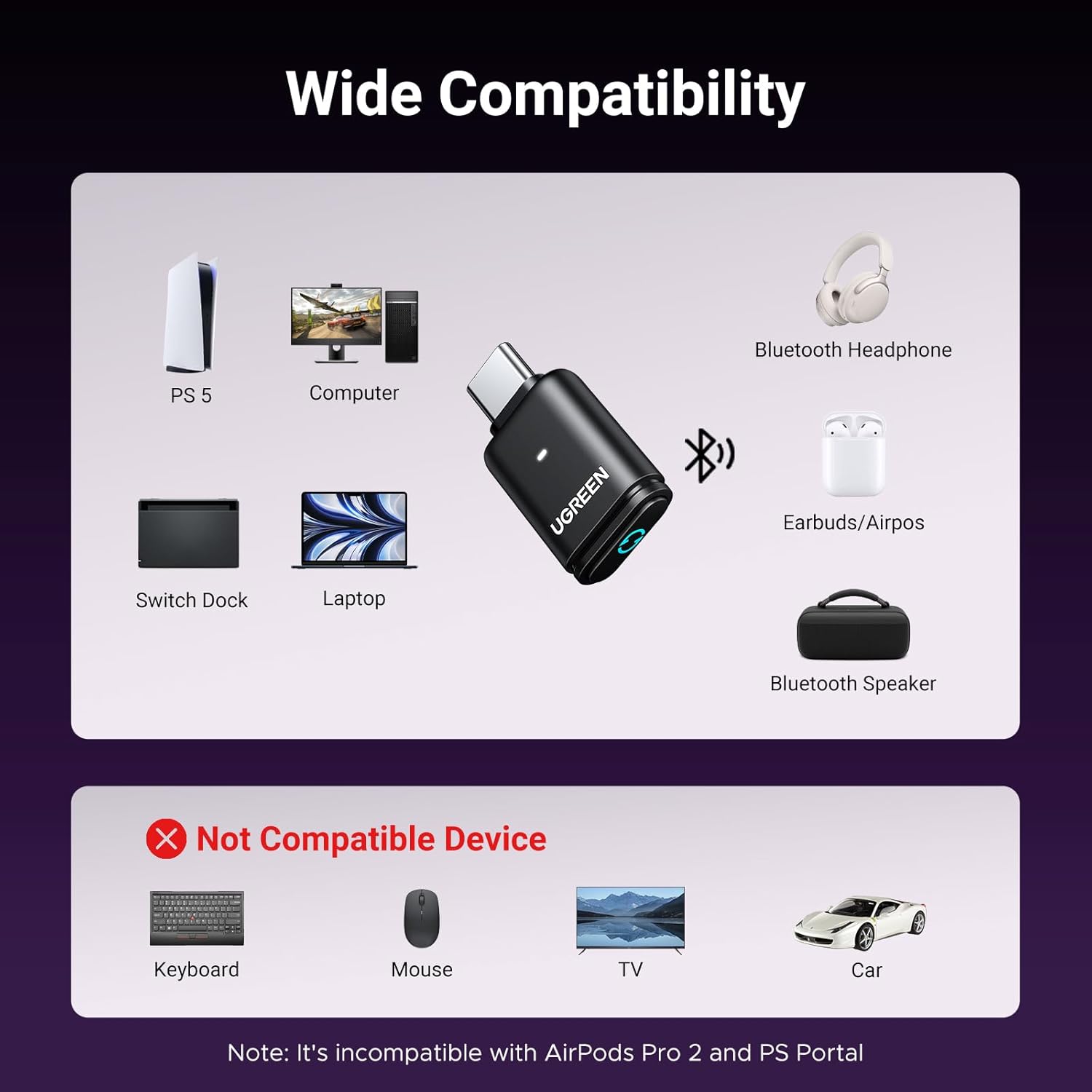
UGREEN USB-C Bluetooth Adapter for PS5
UGREEN USB-C Bluetooth Adapter for PS5, Bluetooth 5.3 Audio Adapter with APTX Low Latency & aptX-Adaptive, Wireless Audio Transmitter to Connect Wireless Headphones & Earbuds

Logitech G
Logitech G PRO X SUPERLIGHT 2 Wireless Gaming Mouse