Impact of Ads on Player Engagement and Retention
The Role of Ads in Gaming
Advertisements in gaming can take various forms, including:
- In-game banners: Static ads displayed within the game environment.
- Video ads: Short clips that players can watch to earn rewards.
- Sponsored content: Items or characters that promote a brand.
While ads serve as a revenue stream for developers, they also have the potential to enhance or detract from the player experience. Balancing monetization with enjoyment is key to retaining players.
Understanding Player Engagement
Player engagement refers to the emotional and behavioral connection players have with a game. High engagement levels often lead to increased retention rates and, consequently, better monetization. Engaged players are more likely to return, spend money, and recommend the game to others.
Factors Affecting Engagement
| Factor | Description |
|---|---|
| Game Mechanics | How intuitive and enjoyable the gameplay is. |
| Content Variety | The diversity of challenges, quests, and environments. |
| Community | The presence of social interaction and competition. |
| Ads | The type and placement of advertisements within the game. |
How Ads Influence Player Retention
Retention is the ability to keep players returning to the game over time. Ads can play a complex role in this process. Here are several ways ads can influence retention:
- Rewarded Ads: Players are often more receptive to ads when they receive in-game rewards for viewing them. For example, a player might watch a 30-second video ad to earn extra lives or unique items.
- Brand Integration: Seamlessly integrating brands into the game world can create a more immersive experience. For example, a racing game might feature real car brands that players recognize.
- Frequency and Timing: The frequency of ads is crucial. Too many interruptions can lead to frustration, while well-timed ads can enhance the experience. For instance, showing an ad after completing a level can be less intrusive.
Case Study: Successful Integration of Ads
Consider the popular mobile game, Subway Surfers. The developers have effectively used rewarded video ads to keep players engaged. Players can choose to watch an ad to receive extra coins or power-ups, which enhances their gameplay experience while generating revenue for the developers.
Best Practices for Ads in Gaming
To strike the right balance between monetization and player satisfaction, consider the following best practices:
1. Offer Choices
Allow players to opt-in for ads, especially for rewarded content. This empowers players and enhances their gaming experience.
2. Optimize Ad Placement
Strategically place ads to minimize disruption. Ads should complement the gaming flow rather than interrupt it.
3. Focus on Quality
Ensure that the ads displayed are relevant to the target audience. Higher quality ads can lead to better engagement rates.
Step-by-Step Guide to Implementing Ads
Here’s a simplified guide for developers looking to implement ads effectively:
- Define Goals: Determine what you want to achieve with ads (e.g., revenue, player engagement).
- Choose Ad Formats: Select the ad formats that align with your game and audience.
- Integrate Ad SDK: Use a reliable ad network SDK to integrate ads into your game.
- Test and Optimize: Monitor ad performance and player feedback, adjusting strategies as needed.
- Analyze Results: Use analytics tools to track how ads affect engagement and retention.
Checklist for Ad Implementation
- ✅ Define target audience
- ✅ Choose relevant ad formats
- ✅ Integrate ad SDK
- ✅ Monitor player feedback
- ✅ Adjust ad strategies based on data
Visuals and Data
Here’s a visual representation of player engagement and ad impact:

Conclusion
In conclusion, advertisements can significantly impact player engagement and retention when implemented thoughtfully. Striking a balance between monetization and user experience is vital for the longevity of any game. As you explore the integration of ads into your gaming strategy, consider reviewing our related content: Ads in Games: Enhancing Player Experience and Monetization.

Scotch Thermal Laminating Pouches
Scotch Thermal Laminating Pouches, for Use with Thermal Laminators, 8.9 x 11.4 Inches, Letter Size Sheets, 100-Pack
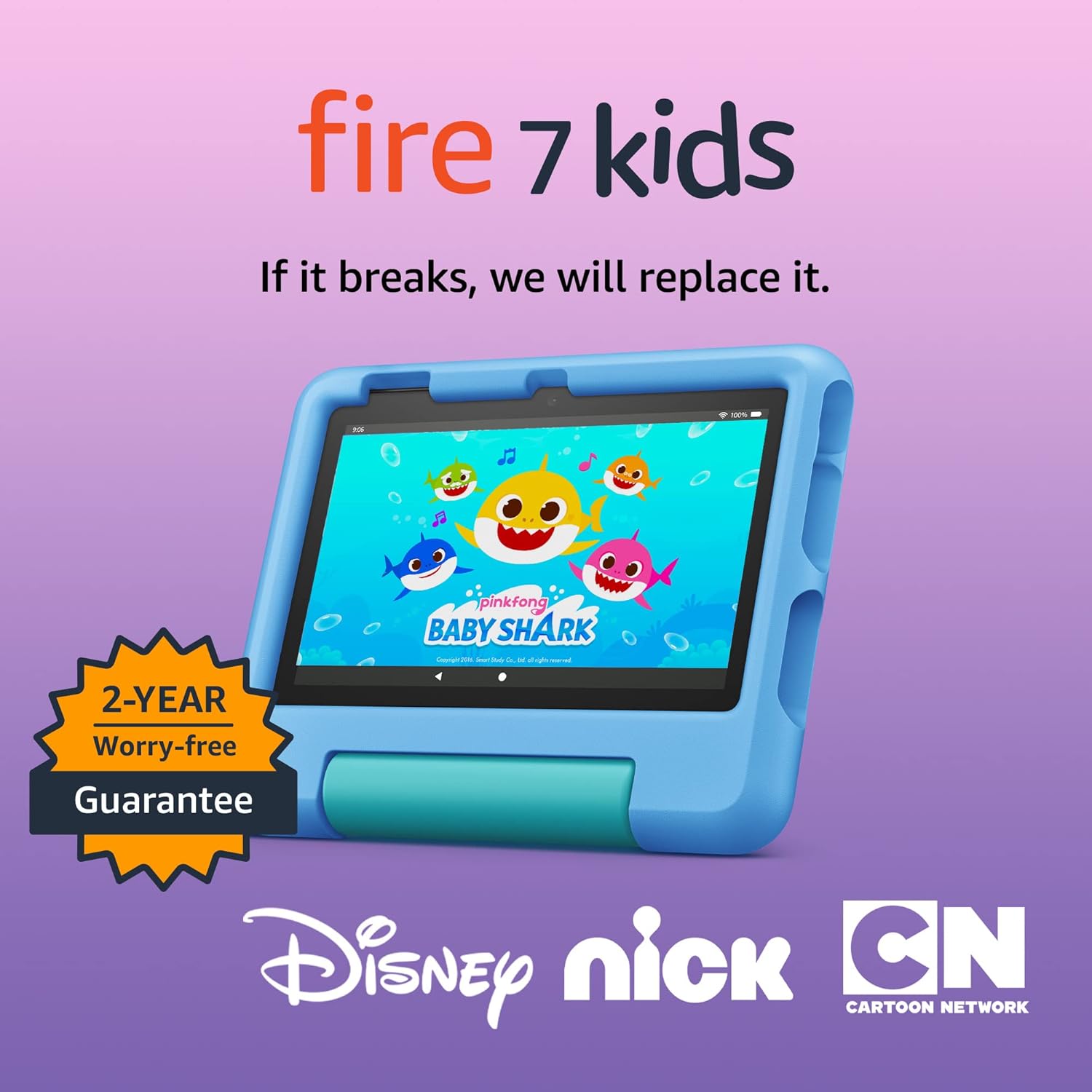
Amazon Fire 7 Kids tablet
Amazon Fire 7 Kids tablet, ages 3-7. Top-selling 7\" kids tablet on Amazon. Includes ad-free and exclusive content, easy parental controls, 10-hr battery, 16 GB, Blue
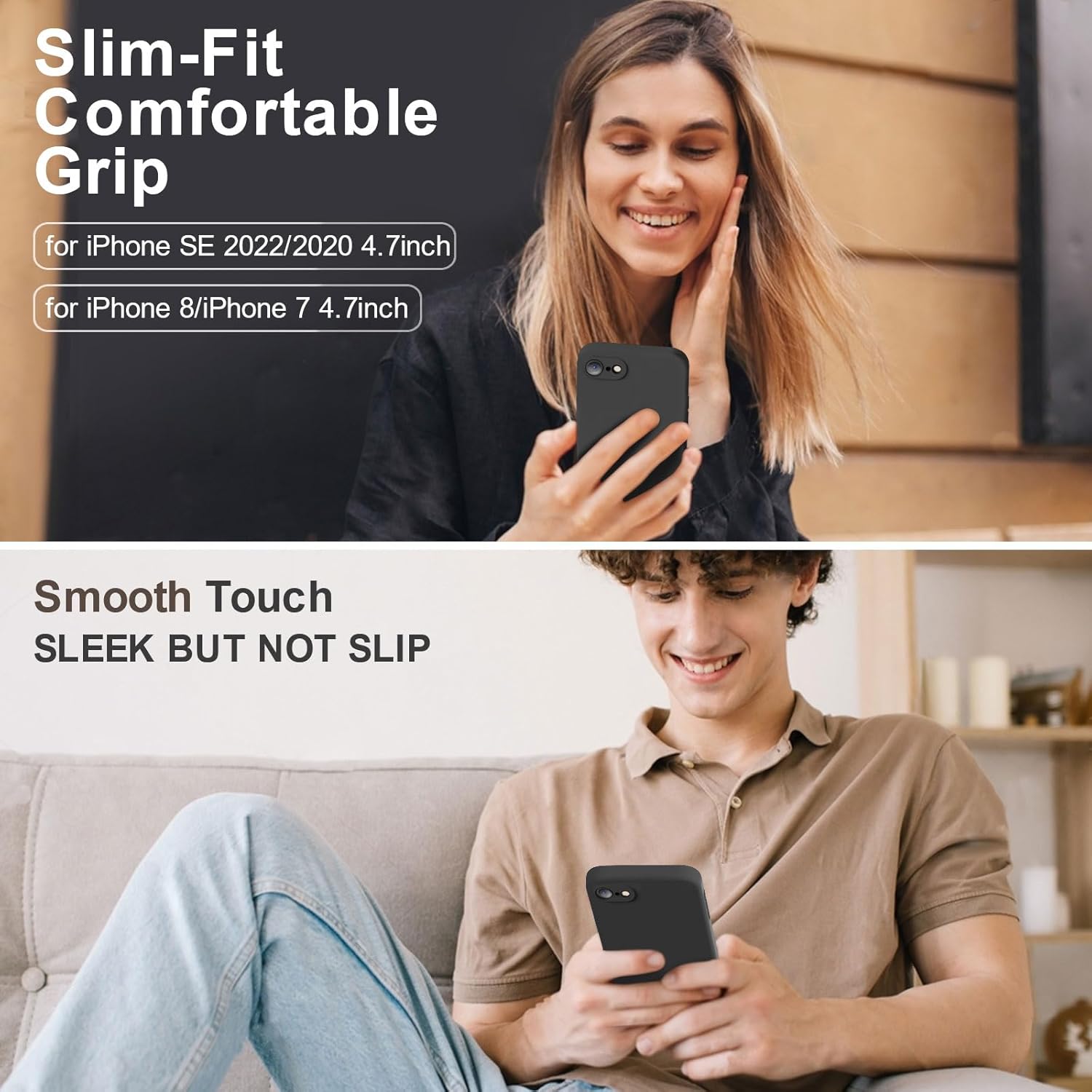
Vooii for iPhone SE
Vooii for iPhone SE Case 2022/3rd/2020,iPhone 8/7 Case, Upgraded Liquid Silicone with [Flat Edges] [Camera Protection] [Soft Anti-Scratch Microfiber Lining] Phone Case for iPhone SE – Black
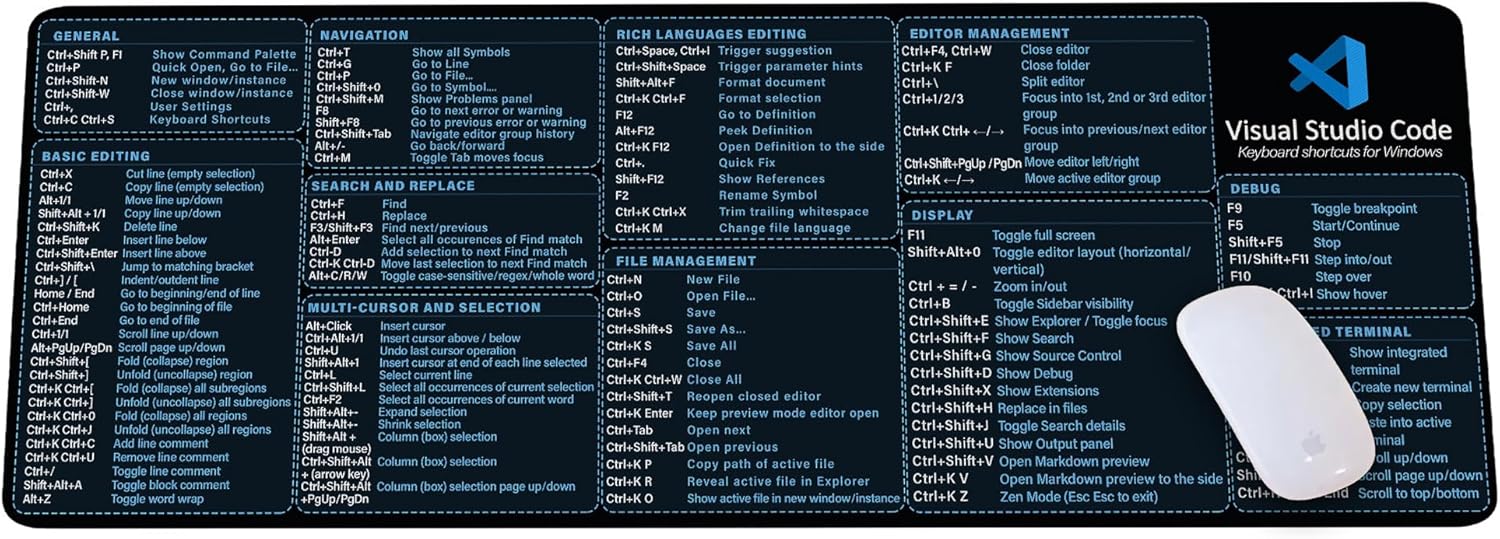
Visual Studio Code Shortcuts Mouse Pad
Visual Studio Code Shortcuts Mouse Pad – Desk Mat for Programmers, Coders & Beginners, Great Office Gift for Developers & Tech Enthusiasts, Computer Accessory for Study, Work, and Learning KMH
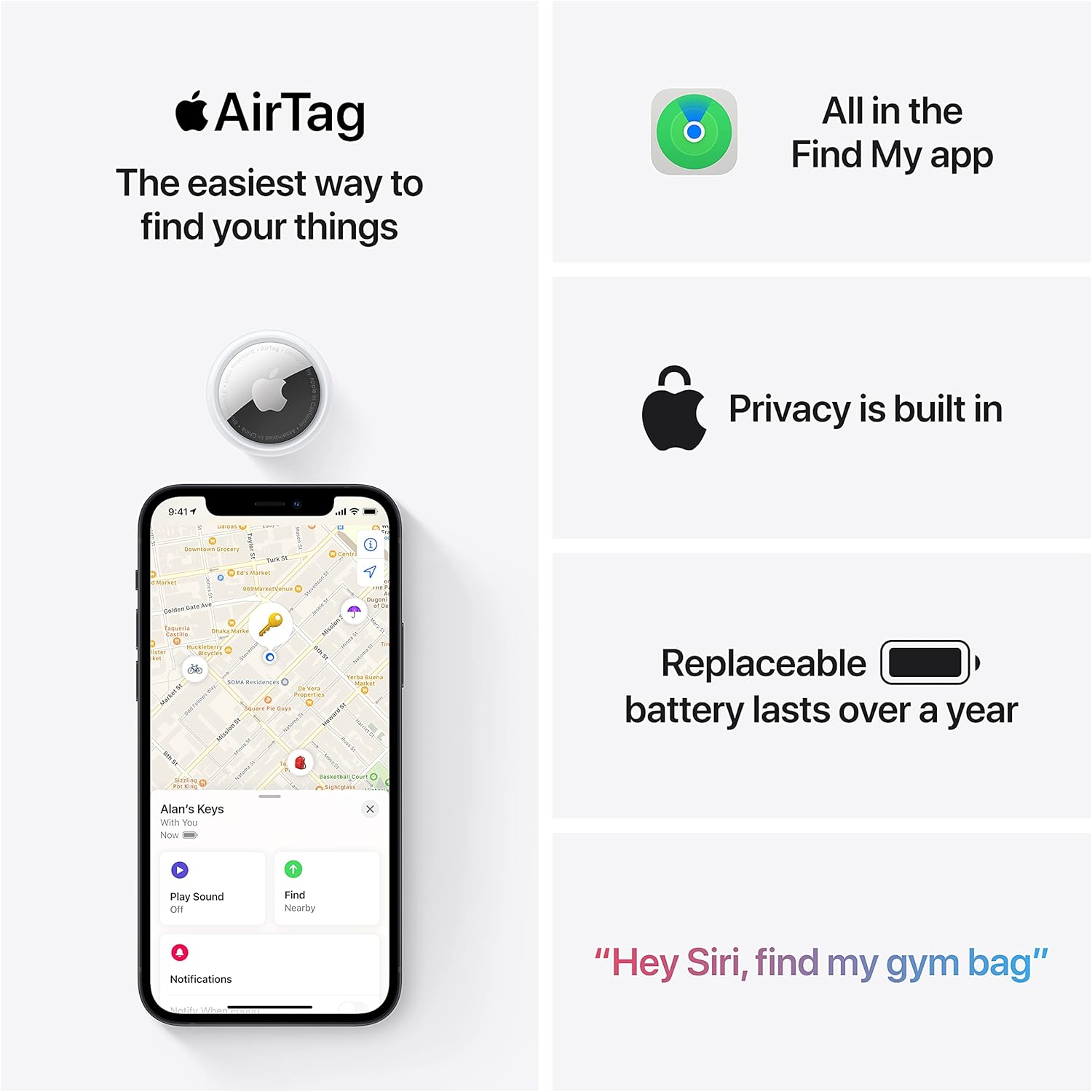
Apple AirTag 4 Pack
Brand Apple Are Batteries Included Yes Number of Batteries 4 CR2032 batteries required. (included) Product Dimensions 1.26\"L x 1.26\"W x 0.31\"Th Compatible Devices airtag
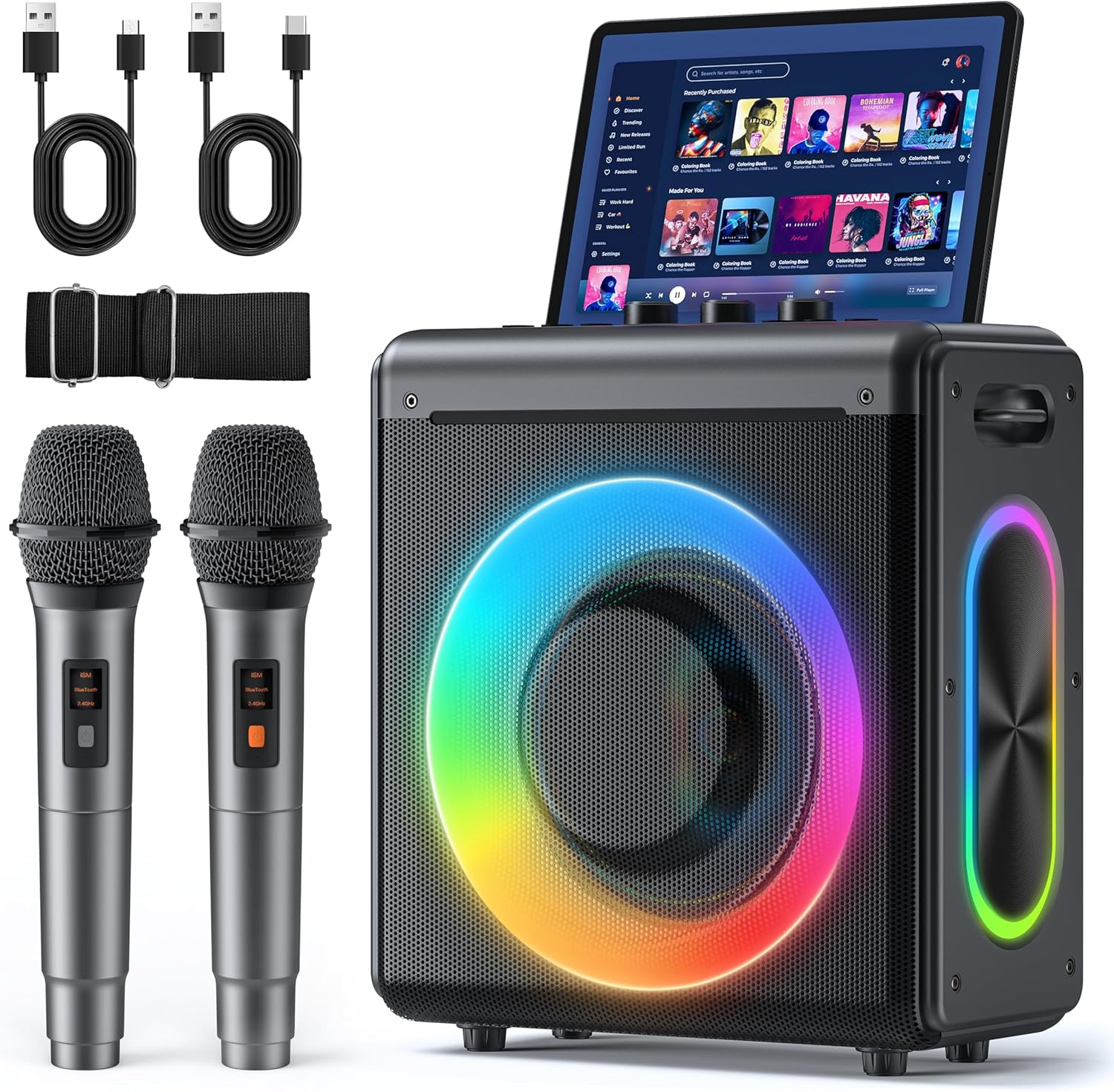
Karaoke Machine
Karaoke Machine with 2 Wireless Rechargeable Microphones: Portable Bluetooth Speaker for Adults & Kids – PA System with Lights Supports TWS/TF Card/USB/AUX for Home Party