
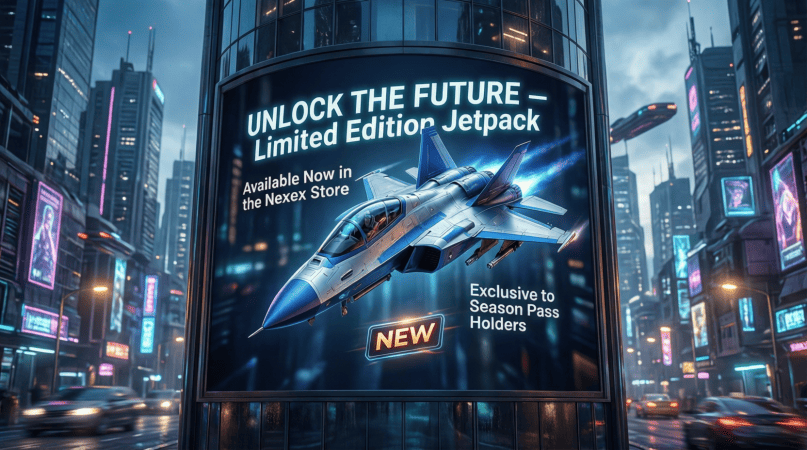
Ads in Games: Enhancing Player Experience and Monetization
In the ever-evolving landscape of the gaming industry, developers are constantly seeking new ways to enhance player experience while ensuring their games remain financially viable. One of the most effective strategies is integrating ads into games. This article dives deep into how ads can enrich gameplay, boost monetization, and provide a win-win scenario for both developers and players.
Understanding In-Game Advertising
In-game advertising (IGA) refers to the integration of advertisements directly within a video game. This can range from billboards in sports games to character outfits featuring brand logos. When executed correctly, these ads can enhance realism, provide necessary funding for developers, and even offer players rewards.
Types of In-Game Ads: Understanding the Options
Before diving into the benefits and best practices, it’s essential to explore the various types of in-game ads available. For a detailed breakdown, check out our related content on Types of In-Game Ads: Understanding the Options.
- Static Ads: These are fixed advertisements that do not change over time. They can be found in-game environments, such as a billboard in a racing game.
- Dynamic Ads: Unlike static ads, dynamic ads can change based on the time of year or the player’s location, making them more relevant.
- Rewarded Ads: Players can watch an advertisement in exchange for in-game rewards, such as bonus items or currency.
- Interstitial Ads: These full-screen ads appear at natural breaks in gameplay, such as after finishing a level.
- Branded Content: This involves integrating a brand or product organically into the game’s story or environment.
The Benefits of In-Game Advertising
In-game advertising presents numerous advantages for both developers and players. For an in-depth look at the benefits, refer to our article on Benefits of In-Game Advertising for Developers.
Monetization Opportunities
Ads can serve as a significant revenue stream for developers. The use of ads allows for free-to-play models that attract more players, ultimately increasing overall engagement.
Enhanced Realism
When implemented thoughtfully, in-game ads can create a more immersive experience. For example, a basketball game featuring real-world brands can enhance realism and relatability.
Player Engagement
Rewarded ads, in particular, can enhance player engagement by providing incentives for players to interact with advertisements. This creates a symbiotic relationship between the game and its monetization strategy.
Impact of Ads on Player Engagement and Retention
While ads can enhance monetization, they must be handled with care to maintain player engagement and retention. For detailed insights, consider our article on Impact of Ads on Player Engagement and Retention.
Balancing Ads and Gameplay
It’s crucial to find a balance between advertisements and gameplay. Overloading players with ads can lead to frustration and churn. Here are steps to ensure a balanced approach:
- Monitor player feedback regarding ad placements.
- Conduct A/B testing to understand the impact of different ad types.
- Limit the frequency of interstitial ads to avoid player fatigue.
Checklist for Maintaining Engagement
| Checklist Item | Action |
|---|---|
| Ad Frequency | Limit to 1 ad per X minutes |
| Ad Relevance | Ensure ads match player interests |
| Player Feedback | Implement surveys post-campaign |
Best Practices for Implementing In-Game Ads
To ensure that in-game advertising is effective and enhances player experience, developers should follow established best practices. For comprehensive strategies, check out our detailed guide on Best Practices for Implementing In-Game Ads.
Integrating Ads Seamlessly
Ads should feel like a natural part of the game. For example, placing a soda advertisement in a racing game’s pit stop can enhance realism without disrupting gameplay.
Testing and Optimization
Regularly testing ad placements and their effectiveness can lead to better monetization without sacrificing player experience. Use analytics tools to track player behavior before and after ad placements.
Player-Centric Approach
Always consider player experience. Ads that provide value, such as in-game currency or exclusive items, can lead to higher player satisfaction.
Case Studies: Successful In-Game Ad Campaigns
Real-world examples provide insight into the successful execution of in-game ads. For a deeper dive, visit our article on Case Studies: Successful In-Game Ad Campaigns.
Example: Mobile Game Advertising
A well-known mobile game successfully integrated ads by offering players in-game currency for watching video ads. The result was a 30% increase in ad engagement and a 20% boost in overall revenue.
Example: Console Game Integration
A popular sports game incorporated real-time ads, adjusting based on player location. This strategy not only enhanced realism but also generated significant revenue during peak gaming seasons.
Future Trends in In-Game Advertising
The future of in-game advertising is bright, with advancements in technology paving the way for more immersive experiences. For an in-depth exploration of what’s to come, check out our article on Future Trends in In-Game Advertising.
Augmented Reality and Virtual Reality
As AR and VR technologies evolve, the potential for immersive ad experiences increases. Imagine a VR game where players can interact with real-world products in a virtual space.
Data-Driven Advertising
Future ads will be more personalized, utilizing data analytics to serve players with ads that match their gaming behavior and preferences.
Conclusion
In-game advertising, when executed thoughtfully, can enhance player experience while simultaneously offering developers a vital monetization avenue. By understanding the various types of ads, their impacts on player engagement, and adhering to best practices, developers can create a gaming environment where players feel valued and engaged.
As the gaming industry continues to evolve, staying ahead of trends in in-game advertising will be crucial for developers looking to optimize both player enjoyment and revenue generation.
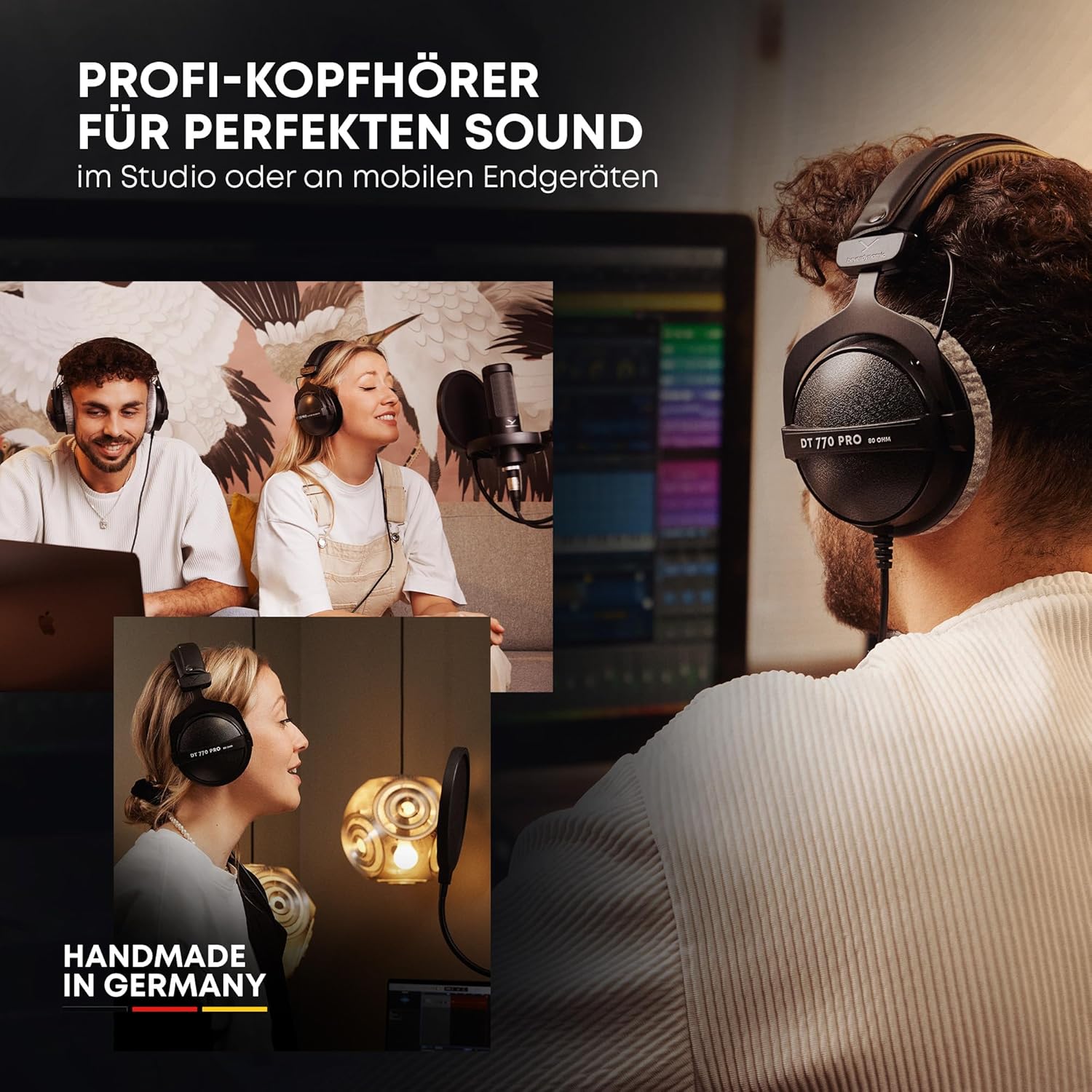
beyerdynamic DT 770 PRO 80 Ohm Over-Ear Studio Headphones in Gray
beyerdynamic DT 770 PRO 80 Ohm Over-Ear Studio Headphones in Gray. Enclosed Design, Wired for Professional Recording and Monitoring
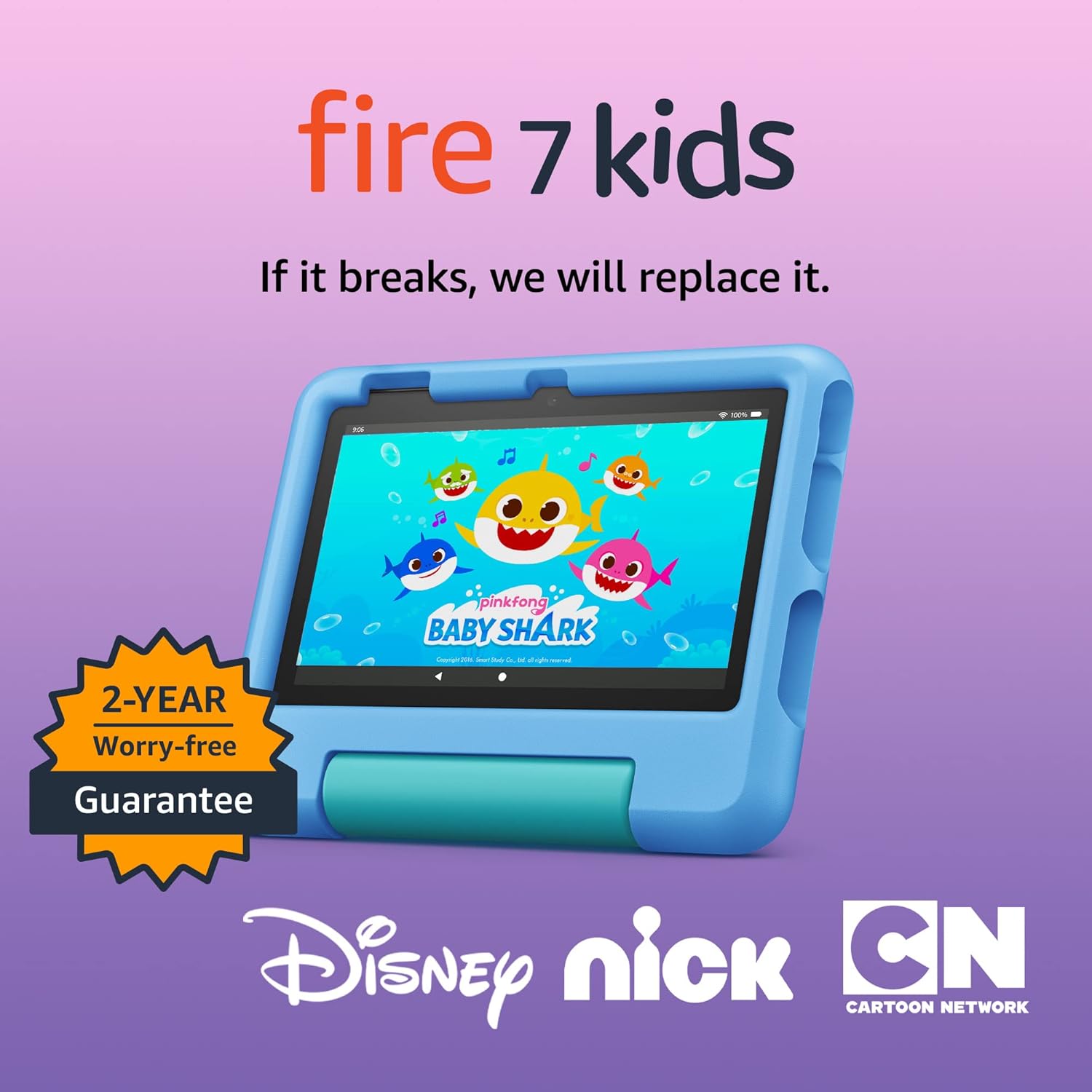
Amazon Fire 7 Kids tablet
Amazon Fire 7 Kids tablet, ages 3-7. Top-selling 7\" kids tablet on Amazon. Includes ad-free and exclusive content, easy parental controls, 10-hr battery, 16 GB, Blue
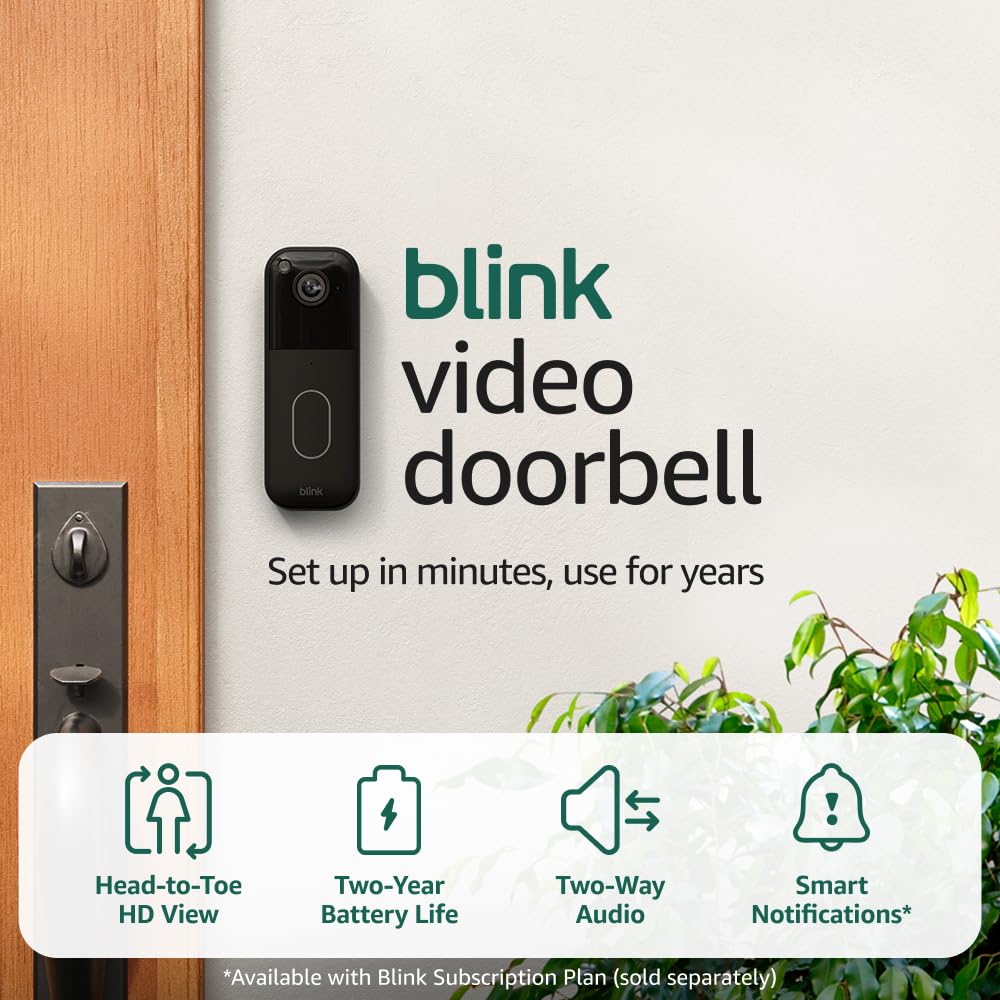
Blink Video Doorbell
Blink Video Doorbell (newest model) – Head-to-toe HD view, two-year battery life, and simple setup. Required Sync Module not included – Add-On (Black)
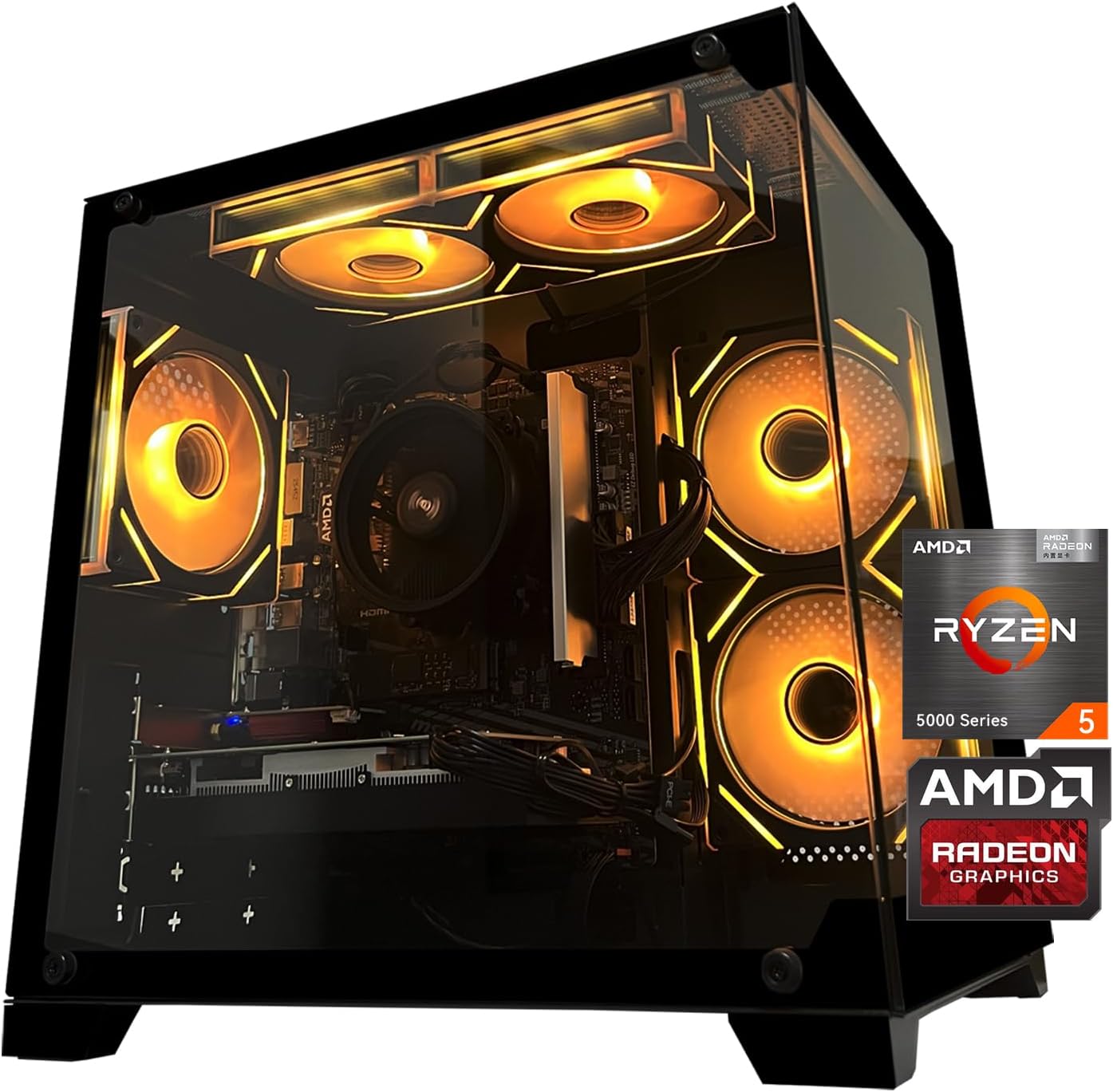
Gaming PC Desktop Computer, AMD
Gaming PC Desktop Computer, AMD Ryzen 5 5500, RX6500XT 4GB Graphics, 16GB DDR4 RAM, 512GB NVMe SSD, ARGB Fans, Game Design Office