
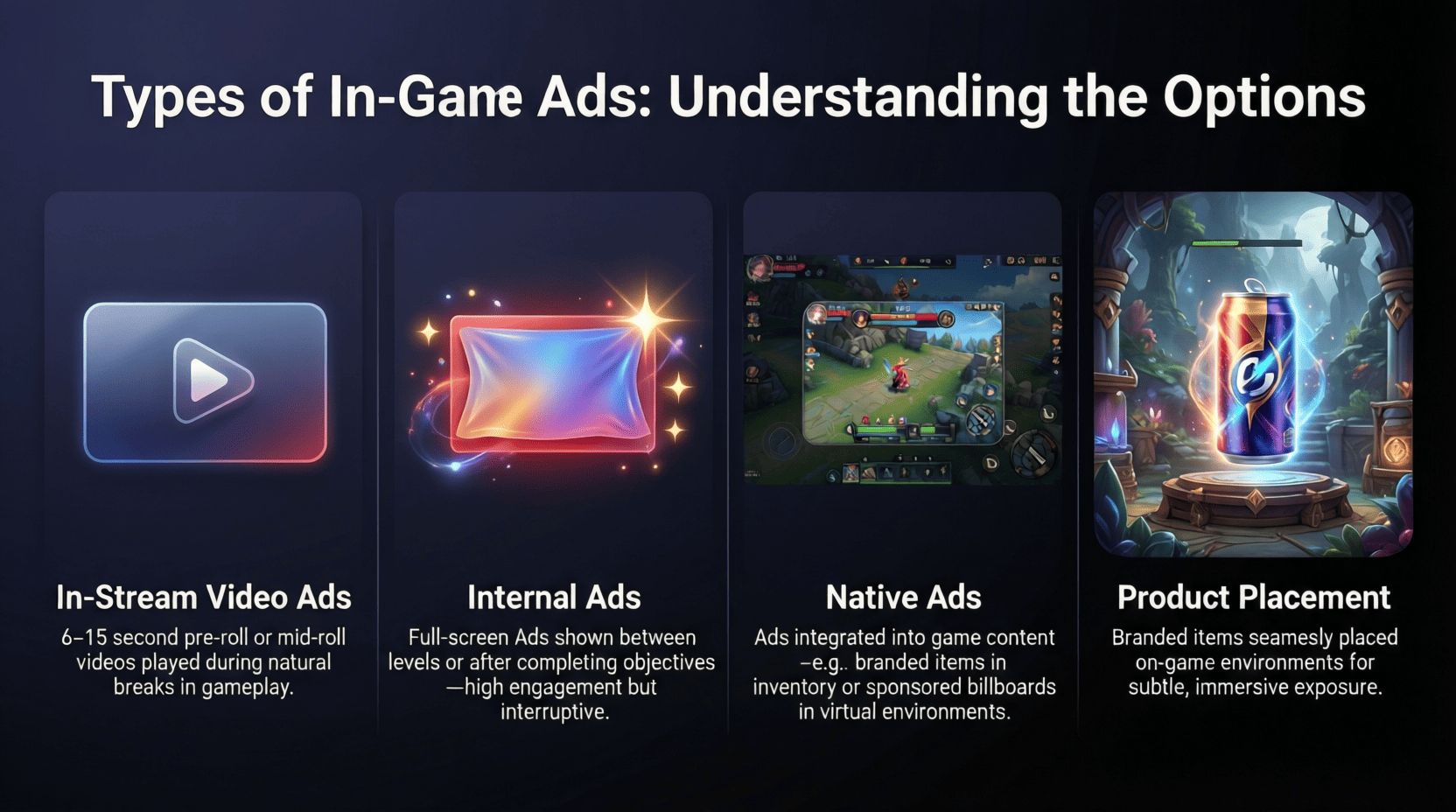
Types of In-Game Ads: Understanding the Options
Introduction
In the rapidly evolving landscape of the gaming industry, developers are continuously exploring new avenues for revenue generation. One of the most effective strategies is the integration of in-game advertisements. This article delves into the various types of in-game ads, their benefits, and how they can enhance both player experience and monetization strategies.
Understanding In-Game Advertising
In-game advertising refers to the inclusion of advertisements within video games, allowing developers to generate revenue without disrupting gameplay. Ads can range from simple banners to immersive branded experiences. The key is to ensure that they enhance rather than detract from the gaming experience.
Types of In-Game Ads
1. Display Ads
Display ads are static or dynamic banners that appear on the screen. They can be integrated into game menus, loading screens, or even within the game environment itself. For example, a racing game might feature billboards showcasing real-world brands.
2. Video Ads
Video ads are short clips that players can watch in exchange for in-game rewards, such as currency or items. This format is particularly popular in mobile games. A common example is the option to watch a 30-second video to earn extra lives in a puzzle game.
3. Sponsored Content
Sponsored content involves incorporating branded elements directly into the gameplay. For instance, a character might wear a branded outfit, or a specific location might be modeled after a real-world venue. This type of ad can create a more immersive experience for players.
4. Product Placement
Product placement is a subtle form of advertising where real-world products are featured within the game environment. An example would be a character using a specific brand of smartphone or drinking a particular brand of soda. This approach can enhance realism while promoting brand awareness.
5. Interactive Ads
Interactive ads engage players through gamified experiences. For instance, a player may complete a mini-game to unlock a special item related to the advertised product. This not only promotes the product but also keeps players engaged.
Benefits of In-Game Ads
In-game ads offer a range of benefits for both developers and players:
- Revenue Generation: Ads provide a continuous revenue stream without requiring in-game purchases from players.
- Enhanced Experience: Well-integrated ads can enhance the gaming environment and make it feel more realistic.
- Player Engagement: Reward-based ads can increase engagement by incentivizing players to interact with advertisements.
Implementing In-Game Ads: A Step-by-Step Guide
Step 1: Define Your Goals
Before implementing ads, define what you want to achieve. Are you looking to increase revenue, enhance player engagement, or promote a specific brand?
Step 2: Choose the Right Ad Format
Select the ad formats that align best with your game and audience. Consider the pros and cons of each type discussed above.
Step 3: Partner with Ad Networks
Research and partner with reputable ad networks that can provide the types of ads you wish to implement. Ensure they have a good track record in your game genre.
Step 4: Integrate Ads Seamlessly
Integrate ads into your game in a way that feels natural. For example, instead of interrupting gameplay, consider placing ads in loading screens or game menus.
Step 5: Monitor Performance
Use analytics tools to monitor the performance of your ads. Evaluate player engagement, revenue generated, and overall player satisfaction.
Checklist for Effective In-Game Ads
| Checklist Item | Completed? |
|---|---|
| Define ad objectives | |
| Select ad formats | |
| Partner with ad networks | |
| Integrate ads seamlessly | |
| Monitor ad performance |
Conclusion
In-game advertising is a powerful tool that, when implemented thoughtfully, can enhance both the player experience and monetization strategies for developers. By understanding the various types of ads and following best practices, you can create a gaming environment that benefits everyone. For more insights on this topic, check our article on Ads in Games: Enhancing Player Experience and Monetization.

Arknights: Endfield
3D tactical RPG set in the Arknights universe. Lead a team of operators on a mysterious planet, explore new areas, build and optimize your base, and fight in dynamic battles while completing story-driven missions in a sci-fi world.

MMO Mug
MMO Mug - Legendary Coffee Mug Level 110 - Large Ceramic Black15oz - Gaming, Gamer Cup
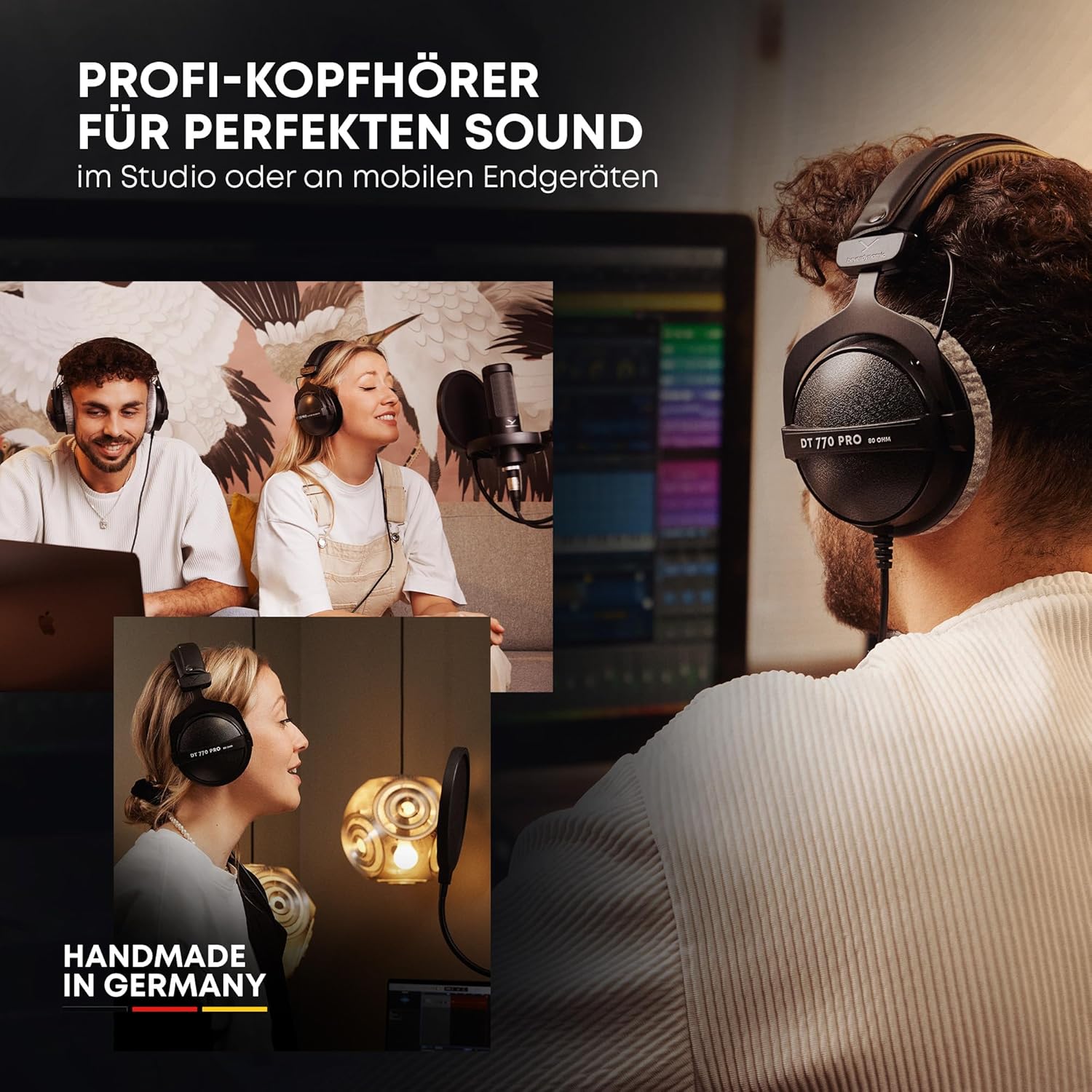
beyerdynamic DT 770 PRO 80 Ohm Over-Ear Studio Headphones in Gray
beyerdynamic DT 770 PRO 80 Ohm Over-Ear Studio Headphones in Gray. Enclosed Design, Wired for Professional Recording and Monitoring