
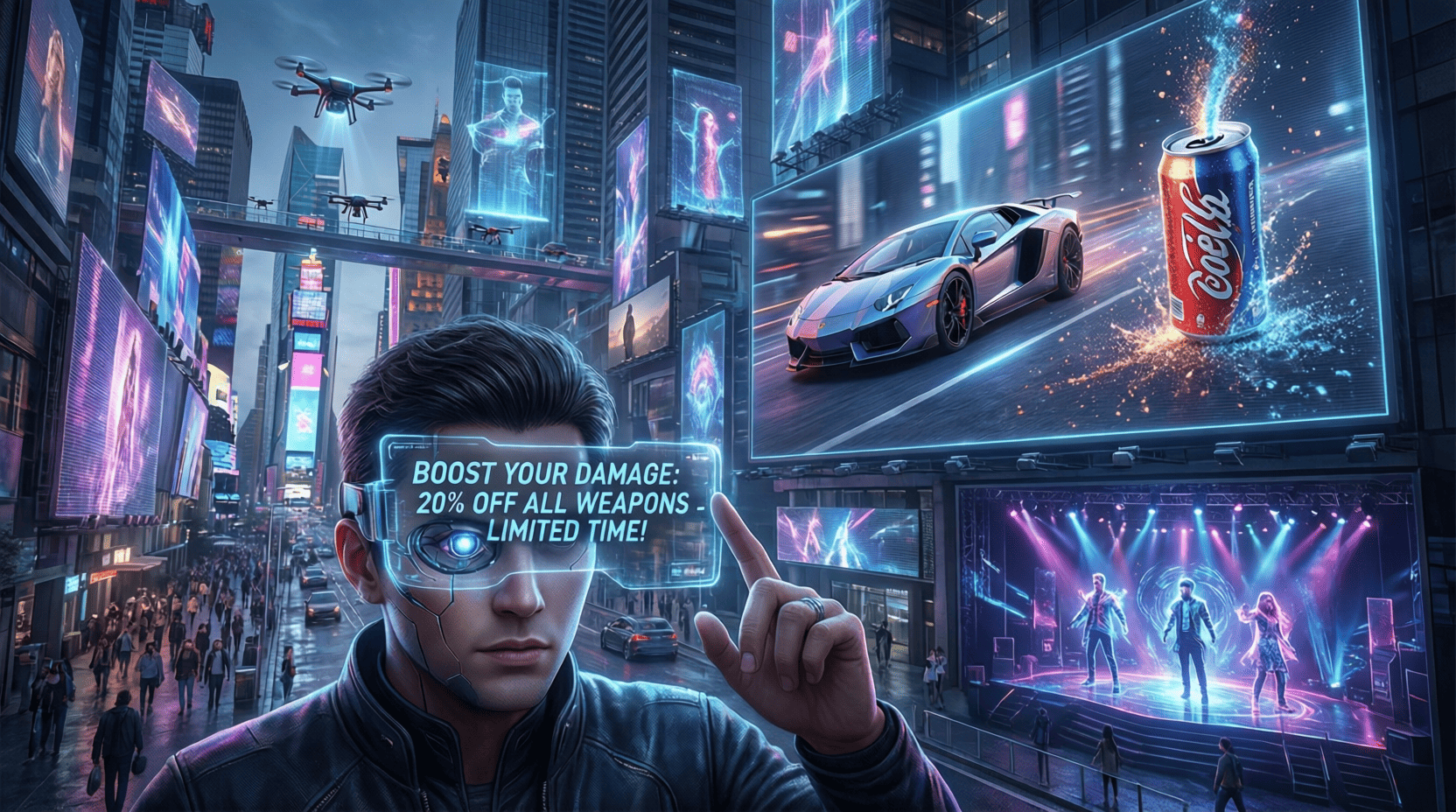
Future Trends in In-Game Advertising
In-game advertising is evolving rapidly, driven by technological advancements and changing player expectations. As a competitive gamer, I’ve witnessed firsthand how ads can enhance or detract from the gaming experience. In this article, we will explore the future trends in in-game advertising, examining how they can create immersive experiences and drive monetization without compromising player enjoyment.
The Rise of Immersive Advertising
With the advent of virtual reality (VR) and augmented reality (AR), the potential for immersive advertising in games is enormous. Players can interact with ads in ways that feel organic and engaging. For instance:
- In-Game Billboards: Imagine racing through a city and passing by a digital billboard that dynamically changes based on the game’s context or the player’s choices.
- Branded In-Game Items: Players could use branded weapons or outfits, which not only enhance their gaming experience but also serve as a marketing tool.
Examples of Immersive Advertising
To illustrate the potential of immersive advertising:
| Game | Ad Format | Description |
|---|---|---|
| Call of Duty: Warzone | Dynamic Billboards | Billboards change based on real-world events, making ads timely and relevant. |
| Fortnite | Branded Skins | Players can purchase and wear skins from popular brands, creating a blend of personalization and advertising. |
Data-Driven Advertising Strategies
As the gaming industry collects vast amounts of data on player behavior, leveraging this information is crucial for effective advertising. Here’s a step-by-step guide on how to implement data-driven advertising strategies:
- Analyze Player Data: Use analytics tools to gather data on player demographics, preferences, and in-game behavior.
- Segment Your Audience: Divide players into segments based on their gaming habits to target ads more effectively.
- Create Tailored Ad Campaigns: Develop ads that resonate with specific segments, ensuring higher engagement rates.
- Test and Optimize: Continuously monitor ad performance and make adjustments based on player feedback and engagement metrics.
Checklist for Data-Driven Advertising
- ✅ Identify key performance indicators (KPIs)
- ✅ Set up analytics tools
- ✅ Create player profiles
- ✅ Develop targeted ad content
- ✅ Monitor and adjust campaigns
Innovative Ad Formats
As technology progresses, advertisers are exploring new formats that blend seamlessly into gameplay. Here are some innovative formats to watch for:
- Interactive Ads: Ads that allow players to interact with a brand or product directly within the game, enhancing engagement.
- Playable Ads: Short, mini-games that serve as advertisements, allowing players to experience a product while playing.
Case Study: Playable Ads
Games like Angry Birds have utilized playable ads effectively, allowing players to engage with a short version of a game before downloading the full app. This approach not only boosts engagement but also increases conversion rates.
Balancing Monetization with Player Experience
It’s essential to strike a balance between monetization efforts and the player experience. Too many ads or poorly integrated ads can lead to frustration and a decline in player retention. Here are some strategies to maintain this balance:
- Limit Frequency: Avoid overwhelming players with ads. Implement a frequency cap to ensure ads are shown at a reasonable rate.
- Reward-Based Ads: Integrate ads that offer rewards for viewing, such as in-game currency or exclusive items.
- Quality over Quantity: Focus on high-quality, relevant ads that resonate with your player base.
Visual: Ad Integration Strategies

The Role of Artificial Intelligence
Artificial intelligence (AI) is set to revolutionize in-game advertising by providing personalized experiences. AI can analyze player behavior in real time to serve tailored ads based on individual preferences. Here’s how AI can enhance in-game advertising:
- Real-Time Adaptation: AI can adjust ad content or placement based on player actions and preferences.
- Predictive Analytics: Use AI to predict trends and player behavior, allowing for timely and relevant ad placements.
Conclusion
The future of in-game advertising is bright, with immersive experiences, data-driven strategies, and innovative formats leading the charge. By understanding these trends, advertisers can create effective campaigns that enhance player engagement while driving monetization. For more insights into how ads can enhance the player experience, check out our article Ads in Games: Enhancing Player Experience and Monetization.
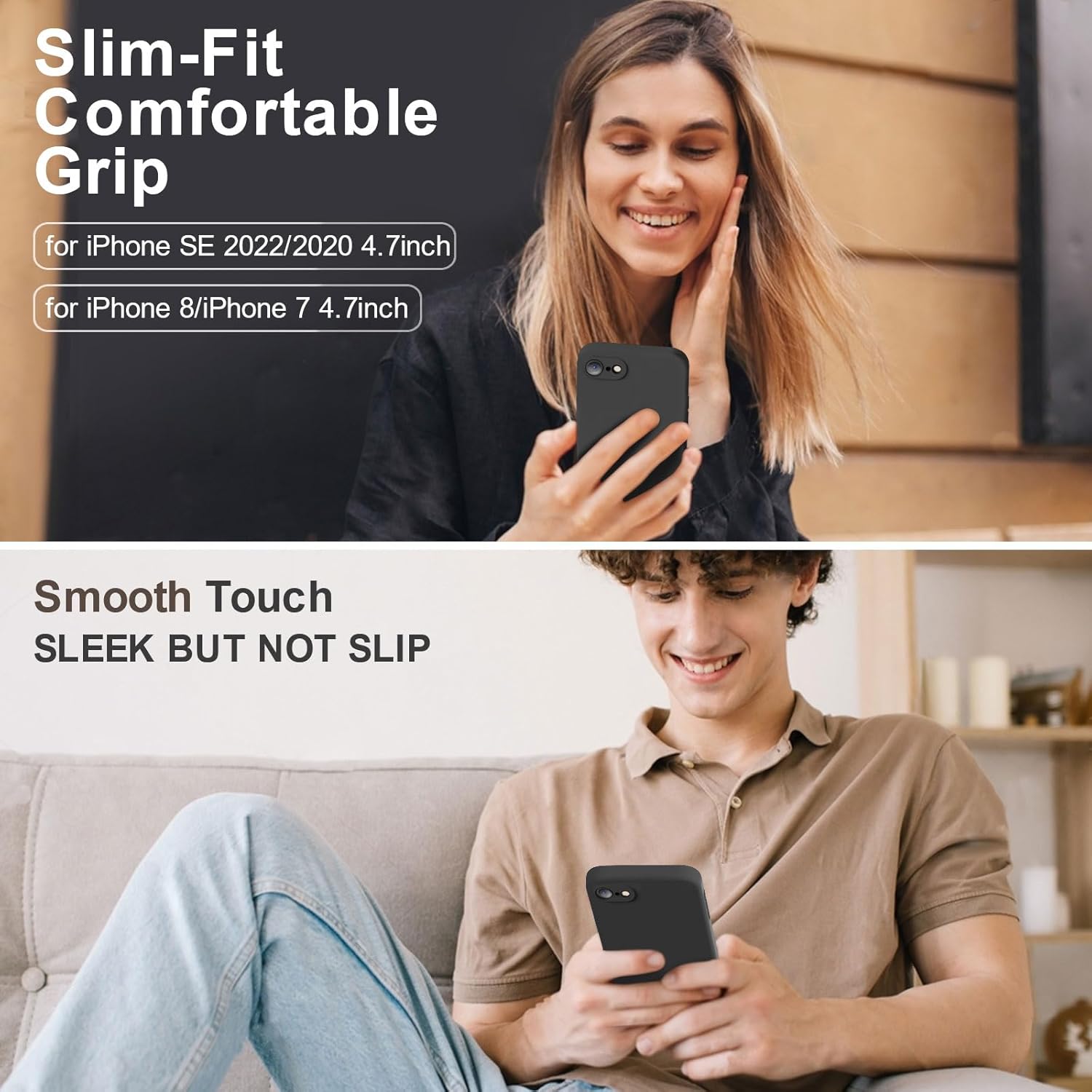
Vooii for iPhone SE
Vooii for iPhone SE Case 2022/3rd/2020,iPhone 8/7 Case, Upgraded Liquid Silicone with [Flat Edges] [Camera Protection] [Soft Anti-Scratch Microfiber Lining] Phone Case for iPhone SE - Black

Razer
Razer Basilisk V3 Pro 35K Wireless Gaming Mouse: HyperScroll Tilt Wheel - 35K DPI Optical Sensor Gen 2-13 Customizable Controls - Chroma RGB - Optical Switches Gen 3 - Up to 140 Hr Battery - Black
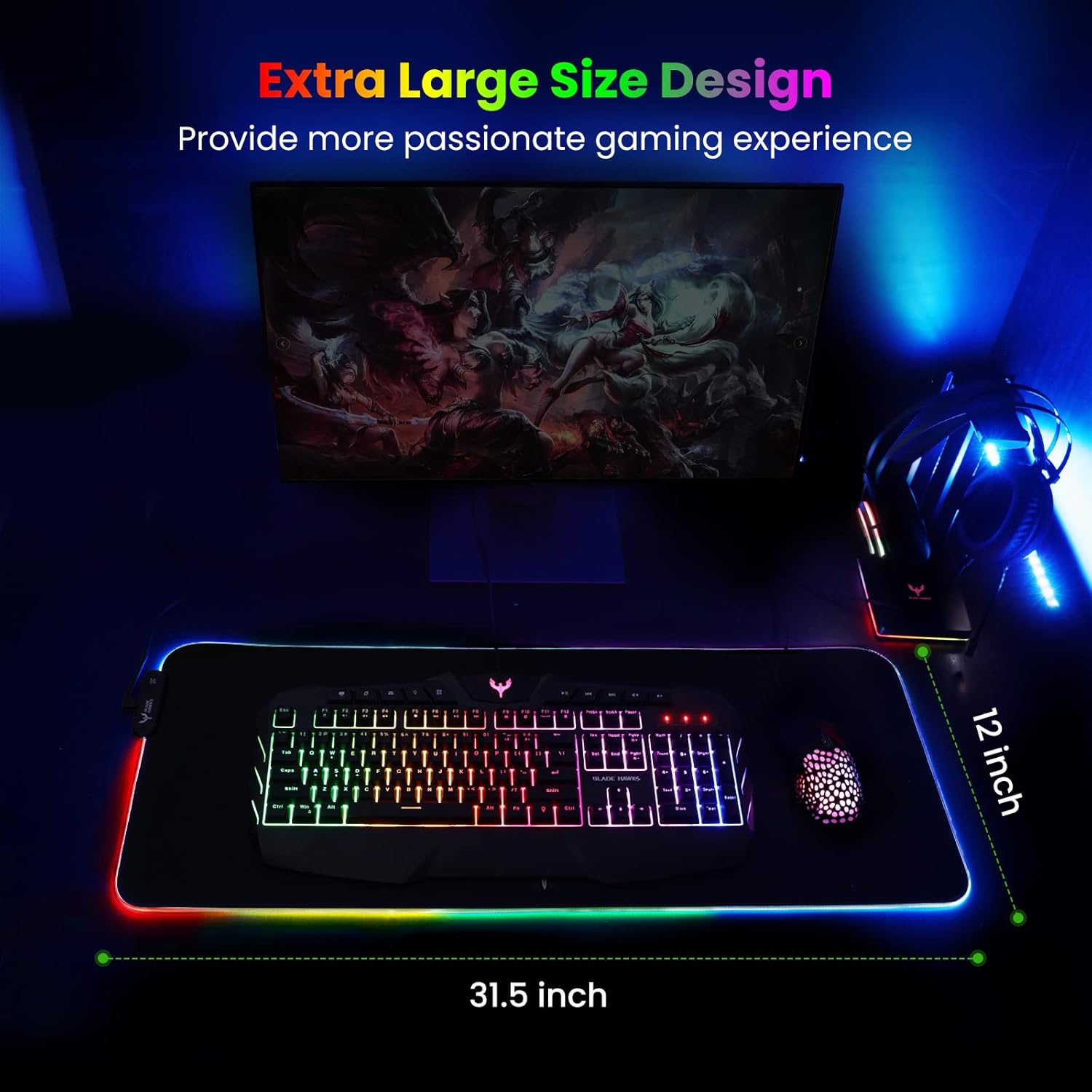
Mouse Pad
BladeHawks Extra Large RGB Gaming Mouse Pad-14 Light Modes, Extended Soft LED Mouse Pad, Anti-Slip Rubber Base, Computer Keyboard Mousepad Mat (31.5 x 12 Inch)
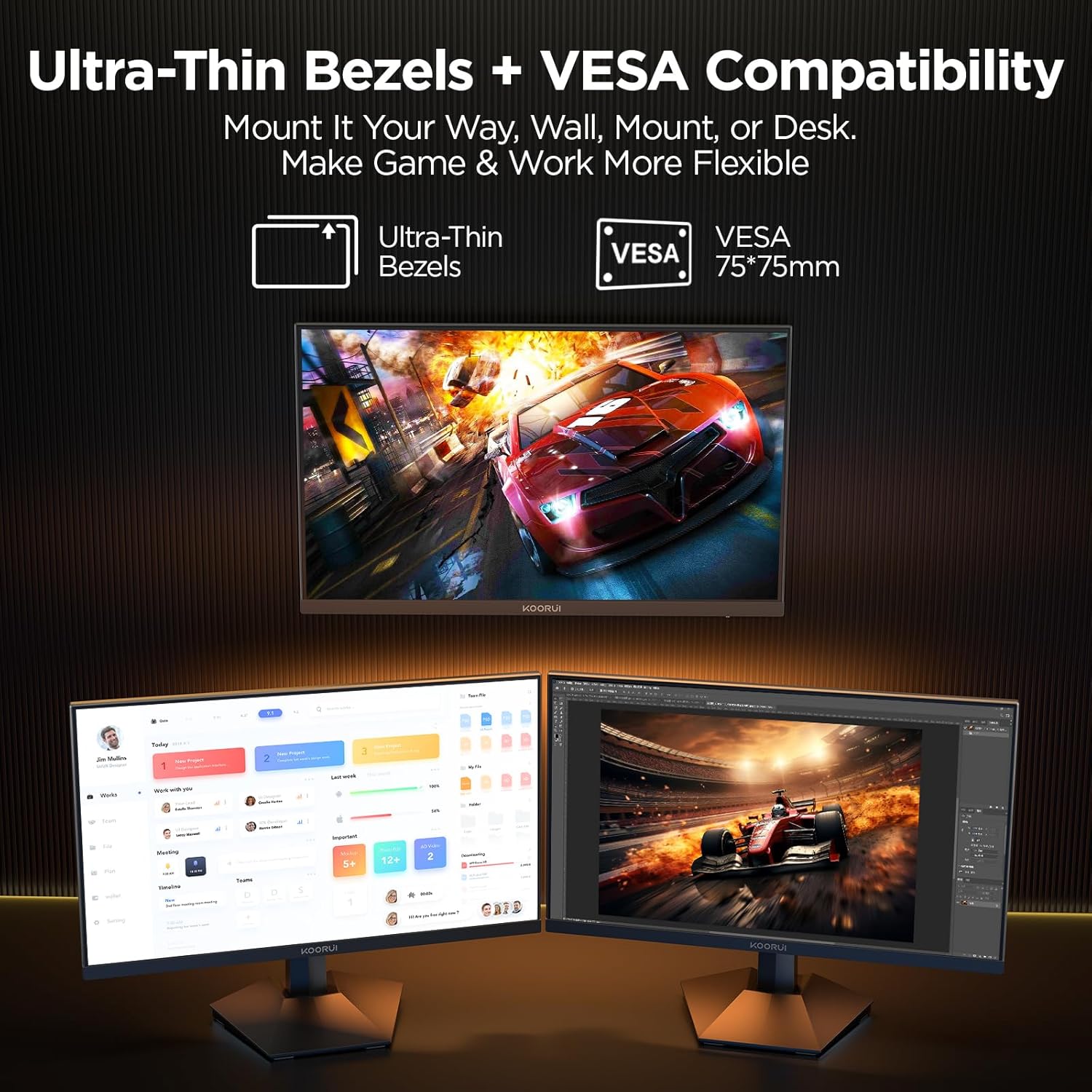
KOORUI
KOORUI 24.5 Inch Gaming Monitor 200Hz, 1ms, FHD(1920 * 1080p) IPS Display, HDR400, 90% DCI-P3 Color Gamut with Adaptive Sync, HDMI & DP Port, Black, G2511P