
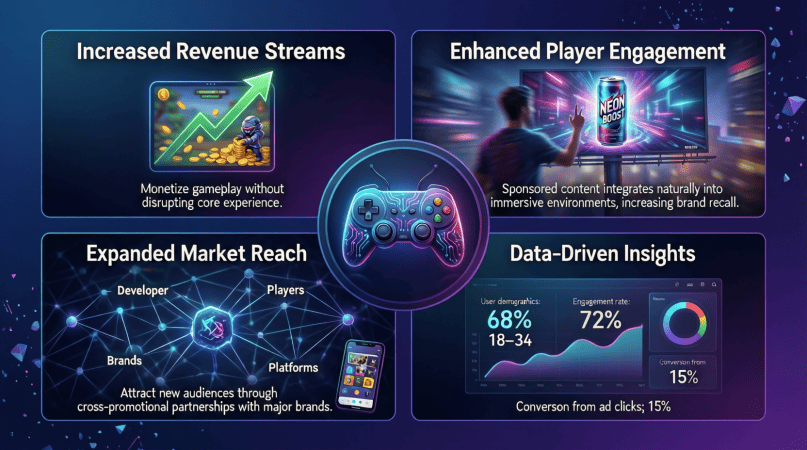
Benefits of In-Game Advertising for Developers
In the evolving landscape of video games, developers are constantly seeking innovative ways to enhance player experience while maximizing revenue. In-game advertising has emerged as a powerful tool that not only supports developers financially but also enhances the overall gaming experience. This article will delve into the multifaceted benefits of in-game advertising for developers, providing insights, examples, and practical guides for implementation.
Understanding In-Game Advertising
In-game advertising refers to the integration of advertisements into video games, allowing brands to reach audiences in a unique and immersive environment. Unlike traditional advertising, in-game ads are often seamlessly woven into the gameplay, making them less intrusive and more engaging for players.
1. Enhanced Monetization Opportunities
One of the most significant benefits of in-game advertising is its potential to generate revenue for developers. Here are several ways in which in-game ads can boost monetization:
1.1 Diverse Revenue Streams
In-game advertising offers developers the ability to tap into multiple revenue streams, including:
- Display Ads: These are banner ads that appear on loading screens or within the game interface.
- Video Ads: Players can watch short video ads for rewards or bonuses, creating an incentive for engagement.
- Product Placement: Integrating real-world products within the game environment makes ads feel more organic.
1.2 Increased Player Engagement
When done correctly, in-game ads can enhance player engagement rather than detract from it. For instance, a racing game might feature real car brands on billboards, creating a realistic environment that players appreciate.
2. Improved Player Experience
In-game advertising can enhance player experience by providing contextual relevance. Here’s how:
2.1 Contextual Relevance
When ads are relevant to the game’s theme or setting, they can enhance immersion. For example, a sports game featuring real-world brands on players’ jerseys creates a more authentic experience for users.
2.2 Non-Intrusive Formats
Unlike pop-up ads that disrupt gameplay, in-game ads can be designed to flow seamlessly with the experience. This allows players to maintain focus while still being exposed to advertising.
3. Effective Brand Integration
In-game advertising allows brands to create a lasting impression on players. Here are some strategies for effective brand integration:
3.1 Collaborations and Sponsorships
Developers can partner with brands for sponsorships or collaborative content, creating unique in-game events that feature the brand prominently. For example, a racing game could host a special event featuring a new car launch.
3.2 User-Generated Content
Encouraging players to create content involving brand products can amplify brand visibility. Developers can integrate features that allow players to customize their characters or environments with branded items.
4. Analytics and Data Insights
In-game advertising provides developers with valuable data insights that can inform future development and marketing strategies:
4.1 Real-Time Analytics
Developers can track player interactions with ads in real-time, allowing them to adjust campaigns quickly for maximum effectiveness.
4.2 Understanding Player Behavior
By analyzing how players engage with ads, developers can gain insights into player preferences, which can guide future game design and monetization strategies.
5. Step-by-Step Guide to Implementing In-Game Advertising
For developers looking to integrate in-game advertising, follow this step-by-step guide:
- Define Your Objectives: Determine what you hope to achieve with in-game advertising. Is it increased revenue, enhanced player engagement, or brand partnerships?
- Choose the Right Ad Formats: Select ad formats that align with your game’s structure and player experience. Consider display ads, video ads, and product placements.
- Partner with Ad Networks: Collaborate with reputable ad networks that can provide a variety of ad options and analytics tools.
- Test and Iterate: Implement a testing phase to gather feedback on ad performance and player reception. Use this data to refine your strategy.
- Monitor and Optimize: Continuously monitor ad performance and player engagement, making adjustments as necessary to optimize results.
6. Checklist for Successful In-Game Advertising
| Checklist Item | Status |
|---|---|
| Define advertising goals | ✔️ |
| Select appropriate ad formats | ✔️ |
| Choose ad network partners | ✔️ |
| Implement testing phase | ✔️ |
| Monitor performance data | ✔️ |
Conclusion
In-game advertising is a dynamic avenue for developers looking to enhance player experience and generate additional revenue. By leveraging diverse ad formats, maintaining contextual relevance, and integrating brands effectively, developers can create a win-win scenario for both themselves and their players. As the gaming industry continues to evolve, embracing in-game advertising could be a pivotal strategy for long-term success.
Related Content
For more insights on how in-game advertising can enhance player experience and monetization, check out our article on Ads in Games: Enhancing Player Experience and Monetization.
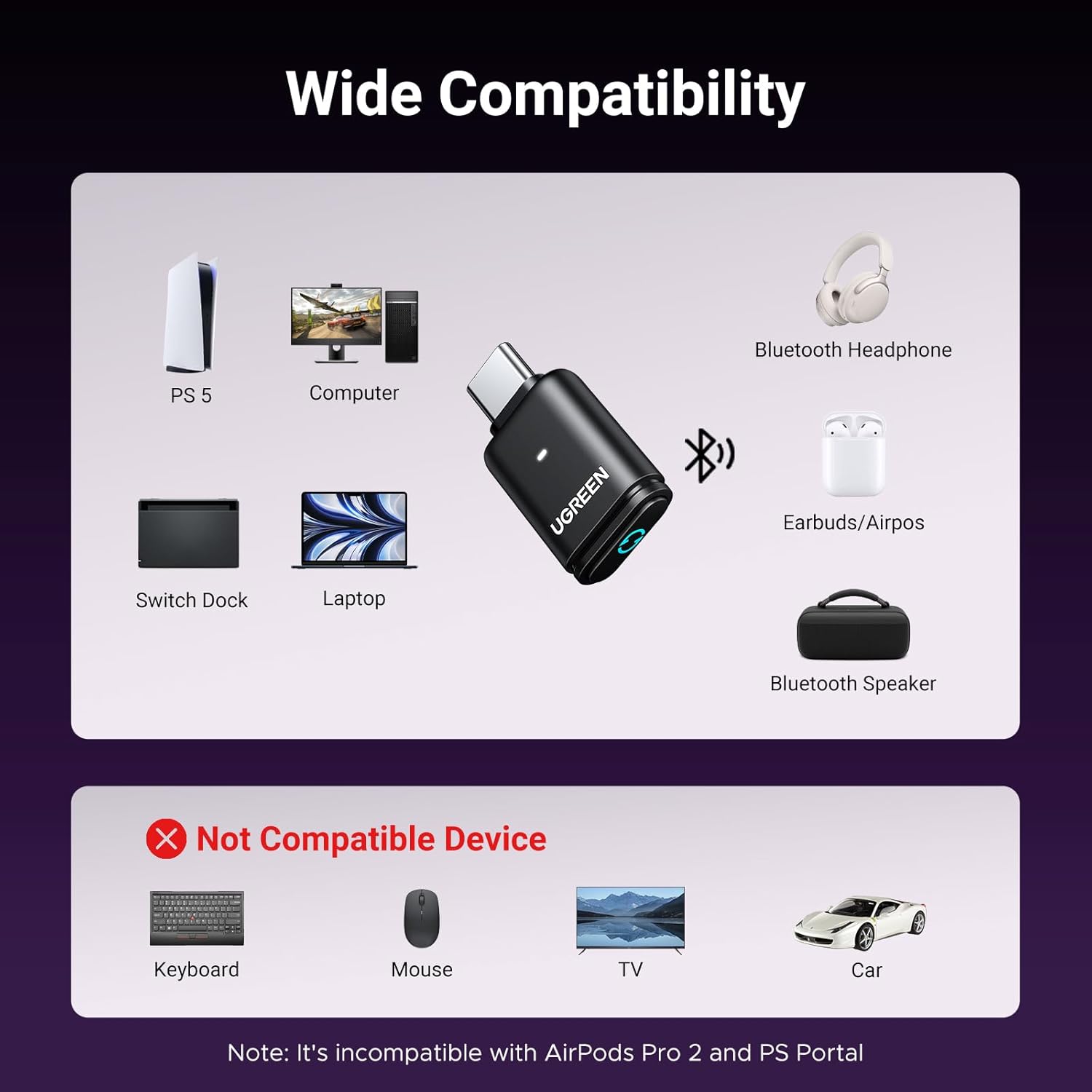
UGREEN USB-C Bluetooth Adapter for PS5
UGREEN USB-C Bluetooth Adapter for PS5, Bluetooth 5.3 Audio Adapter with APTX Low Latency & aptX-Adaptive, Wireless Audio Transmitter to Connect Wireless Headphones & Earbuds
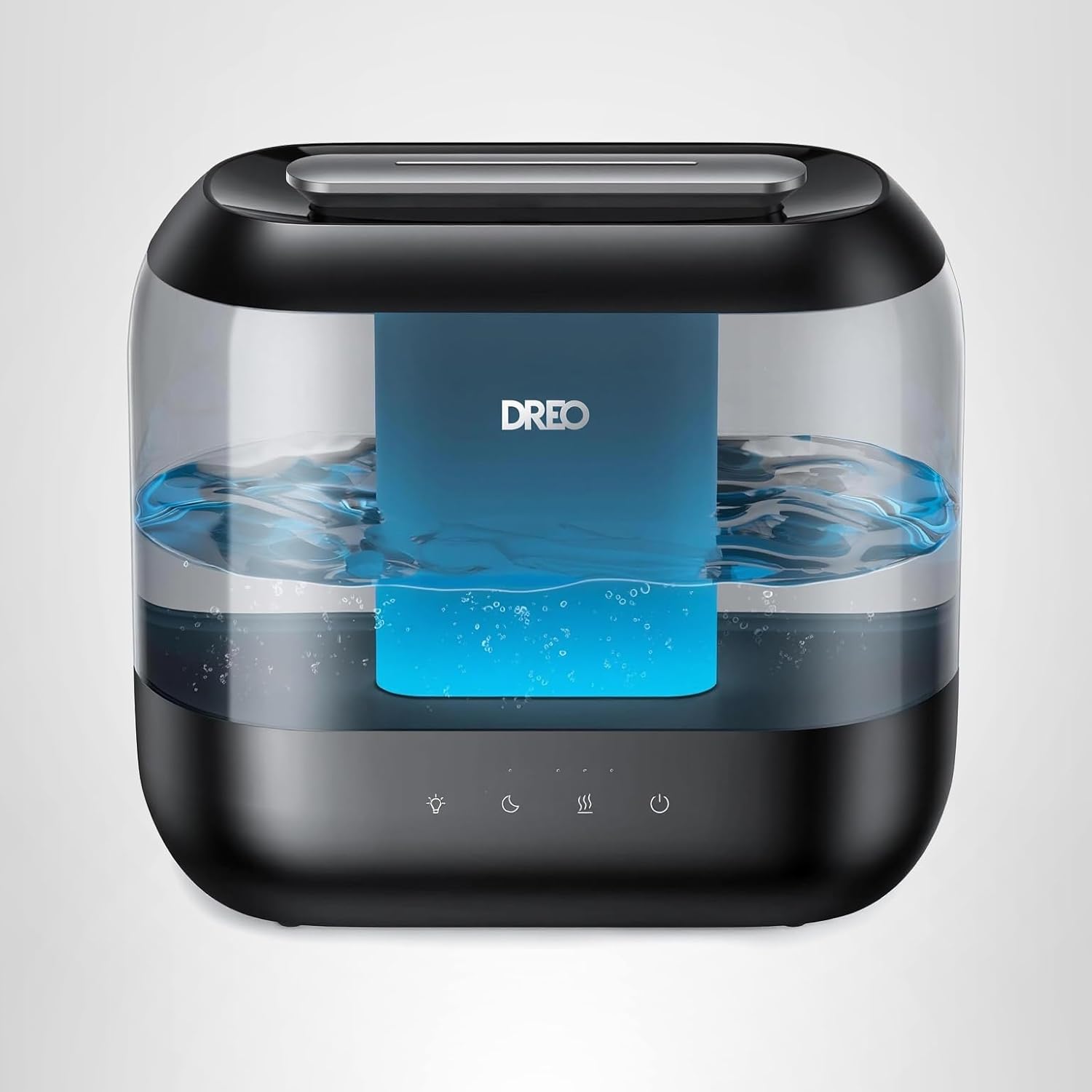
Dreo Humidifiers for Bedroom
Dreo Humidifiers for Bedroom, 4L Top Fill for Large Room, 36H Runtime, 28 dB Quiet Supersized Cool Mist Air Humidifier for Baby Nursery, Plants, Indoor, Night Light, Easy to Clean & Fill, Black
Make Your First 2D Game in Unity
Want to build your first game but don’t know where to start? This beginner-friendly guide shows you how to create SampleGame2D — a fun Flappy Bird–style project — step by step in Unity. Inside you’ll learn:

AULA F99 Wireless Mechanical Gaming Keyboard
AULA F99 Wireless Mechanical Keyboard,Tri-Mode BT5.0/2.4GHz/USB-C Hot Swappable Custom Keyboard,Pre-lubed Linear Switches,RGB Backlit Computer Gaming Keyboards for PC/Tablet/PS/Xbox