As the gaming industry continues to grow, so does the importance of monetization strategies. In-game advertisements are an effective way to generate revenue, but they need to be implemented thoughtfully. This article outlines best practices for integrating in-game ads, ensuring that they enhance the player experience while maximizing your monetization potential. We’ll explore examples, provide step-by-step guides, and offer checklists to help you implement these strategies effectively.
Understanding In-Game Ads
In-game ads come in various formats, including:
- Interstitial Ads: Full-screen ads that appear at natural transition points.
- Banner Ads: Small ads displayed at the top or bottom of the screen.
- Rewarded Video Ads: Ads that players can choose to watch in exchange for in-game rewards.
- Native Ads: Ads that blend seamlessly with the game’s environment.
Choosing the Right Ad Format
Choosing the right ad format depends on your game type, audience, and monetization goals. Here’s a quick guide:
| Game Type | Recommended Ad Format |
|---|---|
| Casual Games | Rewarded Video Ads |
| Action Games | Interstitial Ads |
| Strategy Games | Native Ads |
| Long-form RPGs | Banner Ads |
Best Practices for Implementation
1. Prioritize Player Experience
When implementing in-game ads, the player experience should always come first. Ads should never interrupt gameplay or frustrate players. Here are some key considerations:
- Implement ads during natural pauses in gameplay, such as level transitions.
- Avoid overwhelming players with too many ads in a short period.
- Consider allowing players to opt-out of ads in exchange for a premium version of the game.
2. A/B Testing for Optimal Results
A/B testing is crucial for understanding how different ad placements and formats affect player engagement and revenue. Here’s a step-by-step guide:
- Identify key performance indicators (KPIs) such as click-through rates (CTR) and revenue per user (RPU).
- Create two versions of your game—one with the new ad placement and one with the original.
- Distribute both versions to similar audience segments.
- Analyze performance data to determine which version performs better.
3. Maintain Transparency
Transparency with your players fosters trust. Here are ways to be transparent:
- Clearly inform players about the types of ads they will encounter.
- Explain how ads support game development and allow for free gameplay.
- Implement a feedback mechanism for players to share their thoughts on ads.
4. Monitor and Optimize Ad Performance
Regular monitoring of ad performance is critical. Use analytics tools to track:
- Ad impressions and clicks
- Player retention rates
- Revenue generated from ads
Based on your findings, optimize ad placements and formats to improve results.
Checklists for Implementing In-Game Ads
Pre-Implementation Checklist
- Define your monetization goals.
- Choose appropriate ad formats for your game.
- Establish KPIs for ad performance.
- Ensure ads do not disrupt gameplay.
Post-Implementation Checklist
- Monitor ad performance metrics.
- Gather player feedback on ad experiences.
- Conduct A/B testing regularly.
- Optimize ad placements based on performance data.
Case Studies and Examples
Case Study 1: Mobile Puzzle Game
A popular mobile puzzle game integrated rewarded video ads into their gameplay. Players could opt to watch ads to earn extra lives or special items. As a result, the game saw a 25% increase in ad revenue while maintaining a high player retention rate. Feedback indicated that players appreciated the choice to engage with ads voluntarily.
Case Study 2: Action Shooter Game
An action shooter game incorporated interstitial ads during level transitions. The developers initially faced backlash due to ad frequency. However, after optimizing the ad placement to only show ads after every three levels, player satisfaction improved, and ad revenue increased by 40%.
Conclusion
Implementing in-game ads is a balancing act between monetization and player experience. By following the best practices outlined in this article, you can enhance player engagement and generate revenue effectively. For more insights on this topic, check out our related article on Ads in Games: Enhancing Player Experience and Monetization. Remember, the goal is to create a gaming experience that players love while also achieving your monetization objectives.
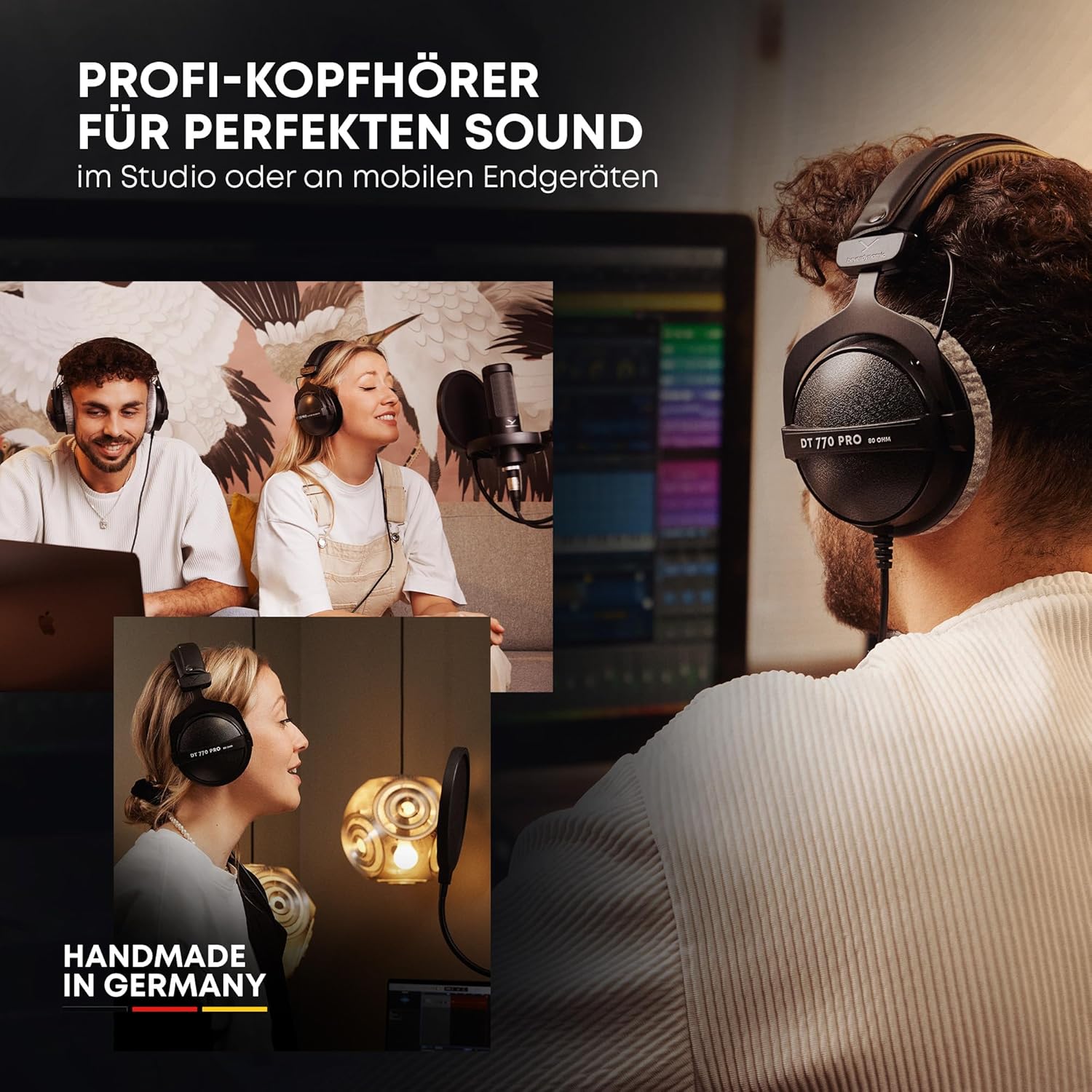
beyerdynamic DT 770 PRO 80 Ohm Over-Ear Studio Headphones in Gray
beyerdynamic DT 770 PRO 80 Ohm Over-Ear Studio Headphones in Gray. Enclosed Design, Wired for Professional Recording and Monitoring
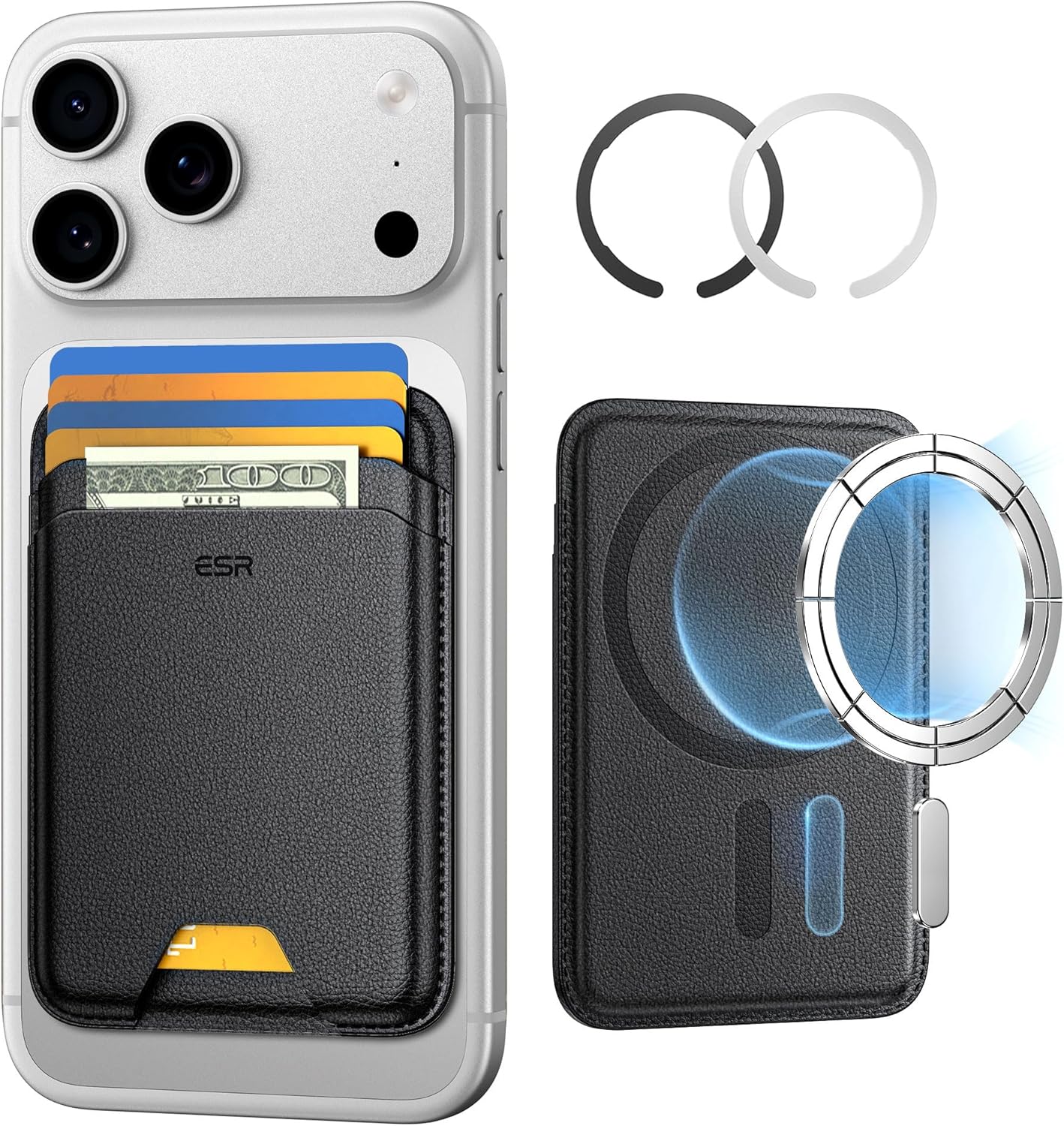
ESR for MagSafe Wallet
ESR for MagSafe Wallet, 5-Card Holder With RFID Blocking, MagSafe Sticker Included, Slim Magnetic Wallet for iPhone 17/16/15/14/13/12 Series and Selected Samsung Devices, Not for 13/12 Mini, Black
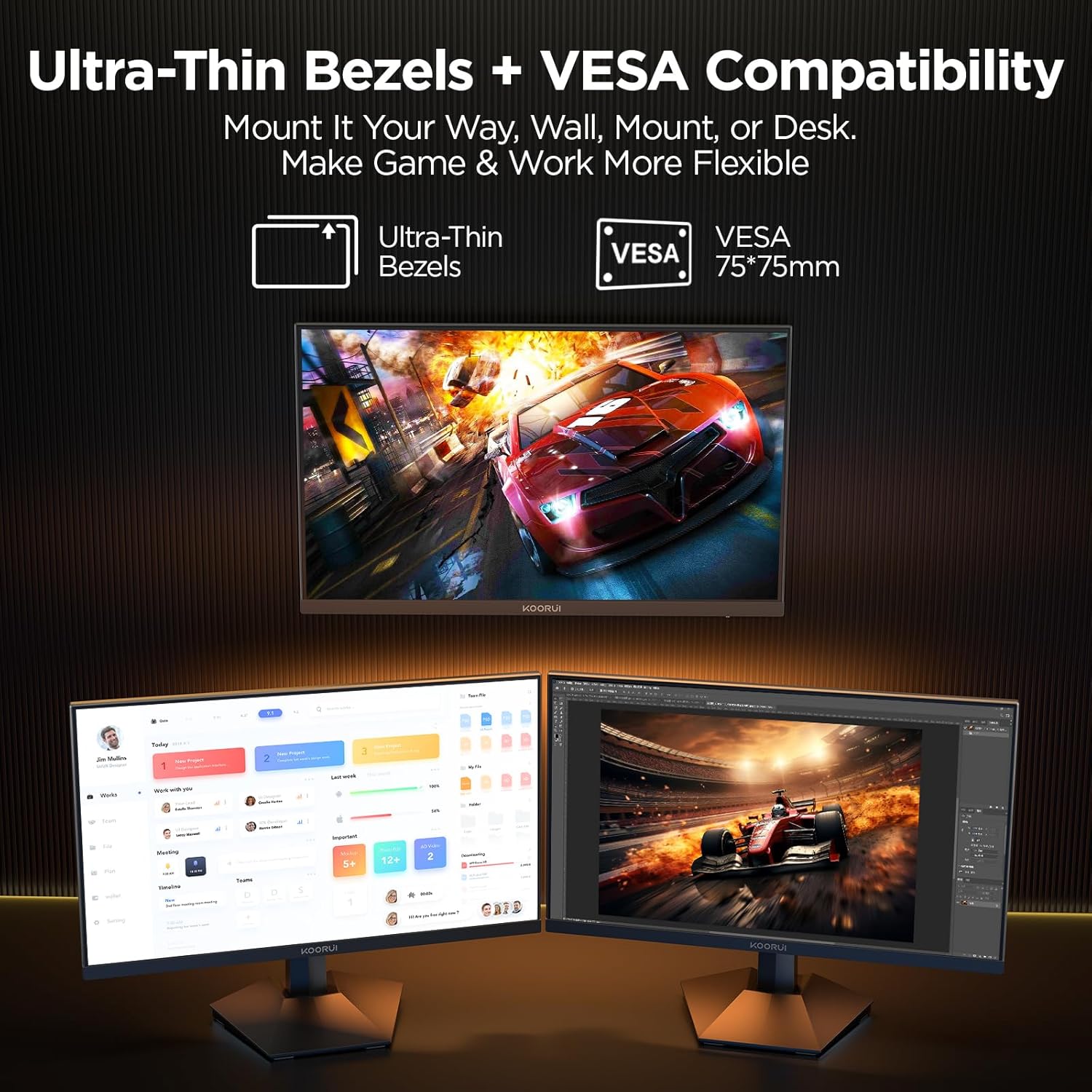
KOORUI
KOORUI 24.5 Inch Gaming Monitor 200Hz, 1ms, FHD(1920 * 1080p) IPS Display, HDR400, 90% DCI-P3 Color Gamut with Adaptive Sync, HDMI & DP Port, Black, G2511P
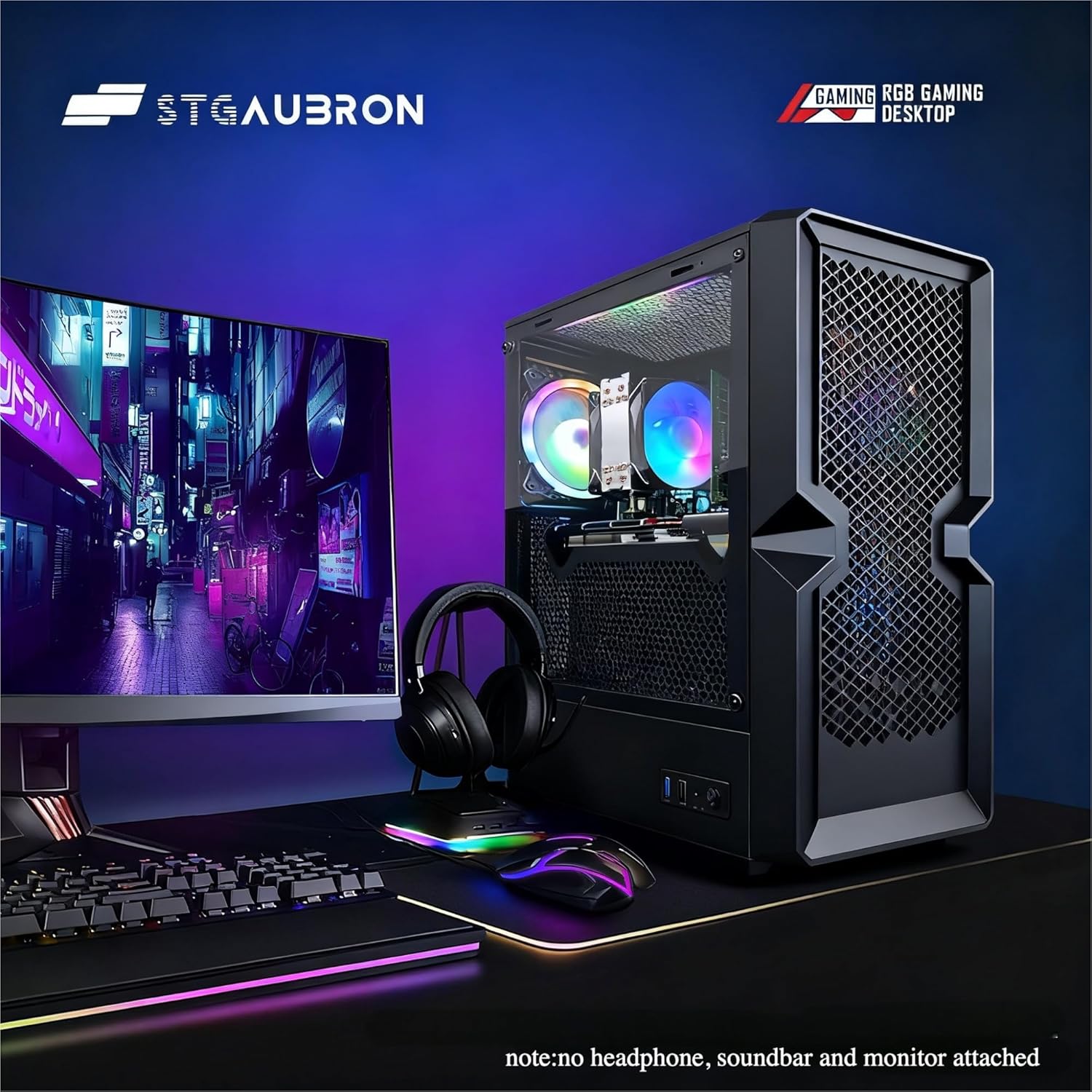
STGAubron Gaming PC Desktop
STGAubron Gaming PC Desktop Computer, Intel Core i5 up to 3.6G, Radeon RX 590 8G, 16GB RAM, 1TB SSD, 600M WiFi, BT 5.0, RGB Fan x3, Windows 11 Home

AULA F99 Wireless Mechanical Gaming Keyboard
AULA F99 Wireless Mechanical Keyboard,Tri-Mode BT5.0/2.4GHz/USB-C Hot Swappable Custom Keyboard,Pre-lubed Linear Switches,RGB Backlit Computer Gaming Keyboards for PC/Tablet/PS/Xbox
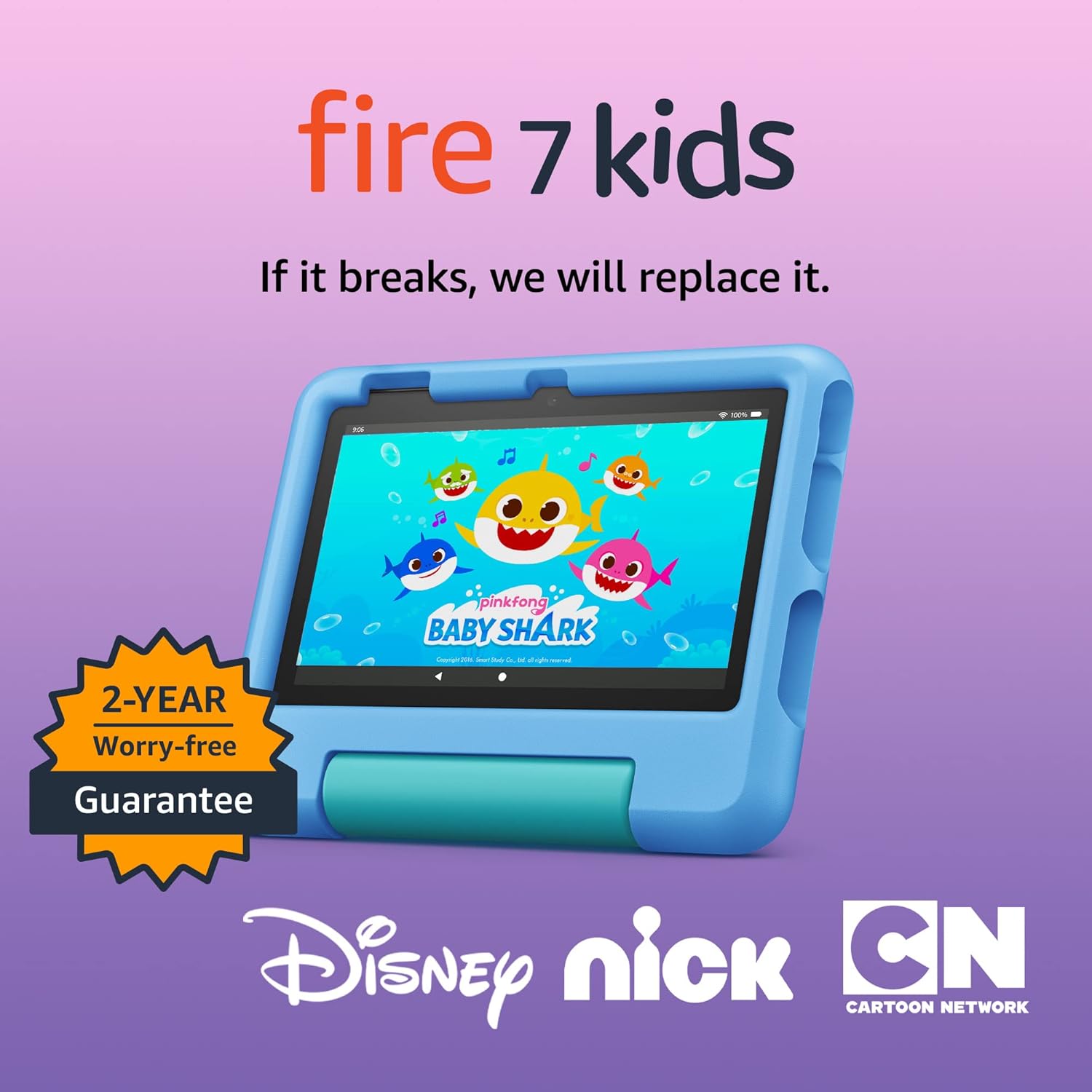
Amazon Fire 7 Kids tablet
Amazon Fire 7 Kids tablet, ages 3-7. Top-selling 7\" kids tablet on Amazon. Includes ad-free and exclusive content, easy parental controls, 10-hr battery, 16 GB, Blue