Case Studies: Successful In-Game Ad Campaigns
Understanding In-Game Advertising
In-game advertising encompasses various formats, including banner ads, billboards, and immersive product placements. Unlike traditional advertising, in-game ads can be integrated into the gameplay environment, allowing for a less intrusive experience.
Benefits of In-Game Advertising
- High engagement rates due to the interactive nature of games.
- Targeted audience segmentation based on player demographics.
- Enhanced brand recall through contextual placements.
Case Study 1: Coca-Cola in “NBA 2K” Series
Coca-Cola’s partnership with the “NBA 2K” series serves as a prime example of how brands can leverage in-game advertising effectively. The integration involved placing Coca-Cola vending machines throughout the basketball arenas within the game.
Campaign Objectives
- Increase brand visibility among a younger demographic.
- Create a community-focused campaign aligning with the NBA’s fan culture.
Implementation Steps
- Identify target audiences based on player data.
- Design dynamic in-game assets that resonate with basketball culture.
- Launch a social media campaign to complement in-game visibility.
Results
| Metric | Before Campaign | After Campaign |
|---|---|---|
| Brand Recall | 45% | 75% |
| Engagement Rate | 2.5% | 5.1% |
| Sales Increase | $1.2M | $1.8M |
Case Study 2: Nike in “Fortnite”
Nike took a bold step by collaborating with “Fortnite” to promote its latest sneaker line. The campaign included exclusive in-game skins and challenges that players could complete to earn rewards.
Campaign Objectives
- Engage with the gaming community through unique content.
- Drive traffic to Nike’s online store.
Implementation Steps
- Develop limited-time offers and in-game events.
- Utilize popular influencers to showcase the campaign.
- Monitor player feedback and engagement in real-time.
Results
| Metric | Before Campaign | After Campaign |
|---|---|---|
| New Customer Sign-ups | 10,000 | 25,000 |
| Social Media Mentions | 1,500 | 5,000 |
| Sales Increase | $500K | $1.5M |
Case Study 3: Red Bull in “Call of Duty”
Red Bull’s integration into “Call of Duty” as an energy boost item showcased how brands can create utility-focused in-game experiences. Players could find Red Bull cans that provided temporary boosts in gameplay.
Campaign Objectives
- Position Red Bull as a go-to source for energy during gaming sessions.
- Encourage player interaction with the product in a fun way.
Implementation Steps
- Collaborate with game developers for seamless integration.
- Promote the campaign across gaming platforms and social media.
- Engage with the gaming community through contests and giveaways.
Results
| Metric | Before Campaign | After Campaign |
|---|---|---|
| Brand Preference | 30% | 55% |
| Website Traffic | 50,000 | 130,000 |
| Sales Increase | $2M | $3.5M |
Best Practices for In-Game Advertising
To ensure the effectiveness of in-game advertising, brands should follow these best practices:
- Align with the game’s theme and audience to ensure relevance.
- Utilize data analytics to measure performance and optimize campaigns.
- Engage players through interactive and immersive experiences.
Related Content
For further insights on how in-game ads can enhance player experience and monetization, check out our article: Ads in Games: Enhancing Player Experience and Monetization.
Conclusion
In-game advertising, when executed strategically, offers brands a unique opportunity to connect with players in a meaningful way. The case studies highlighted demonstrate that with the right approach, brands can not only drive sales but also enhance the overall gaming experience. As the gaming industry continues to grow, embracing innovative advertising techniques will be key for brands seeking to stand out in a competitive landscape.
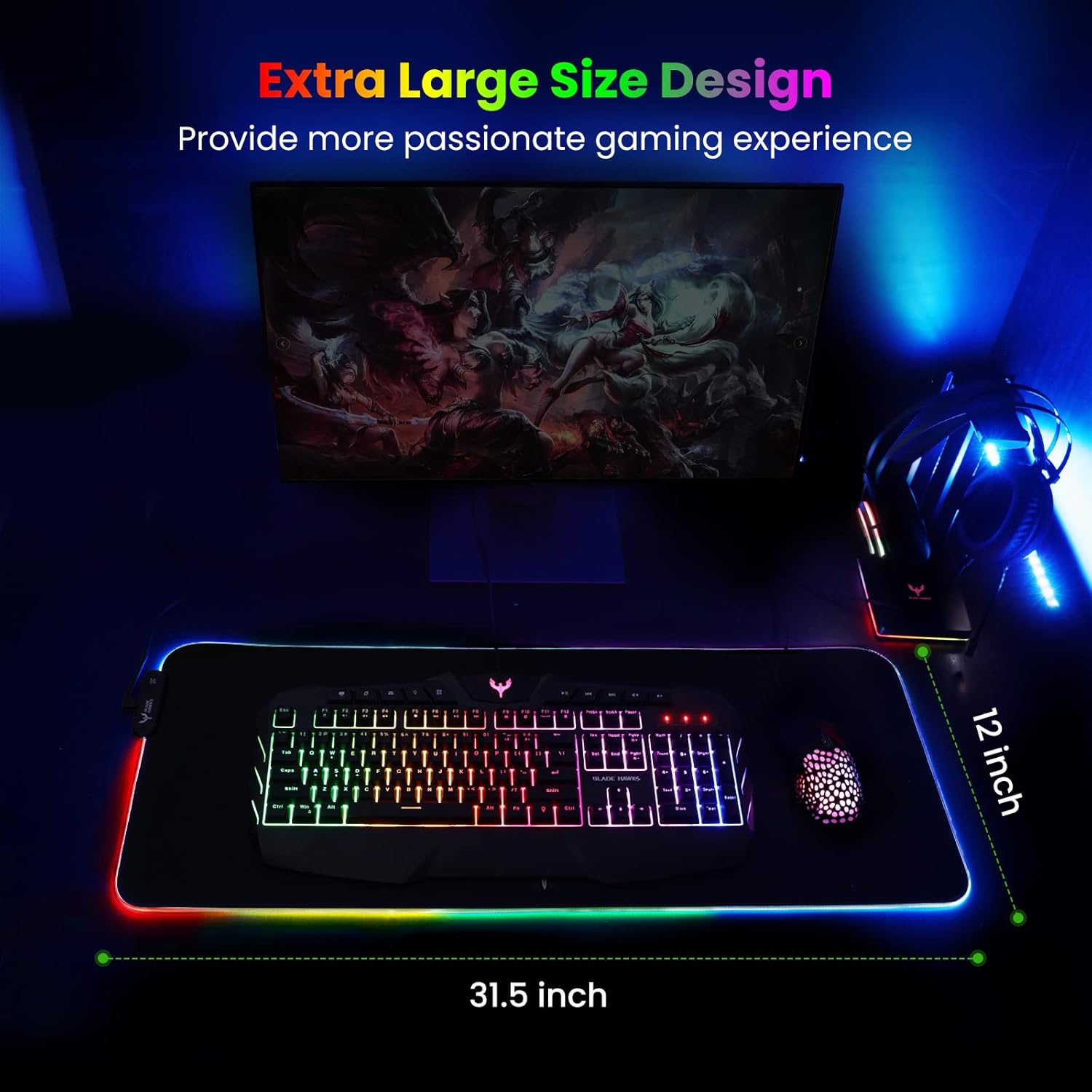
Mouse Pad
BladeHawks Extra Large RGB Gaming Mouse Pad-14 Light Modes, Extended Soft LED Mouse Pad, Anti-Slip Rubber Base, Computer Keyboard Mousepad Mat (31.5 x 12 Inch)
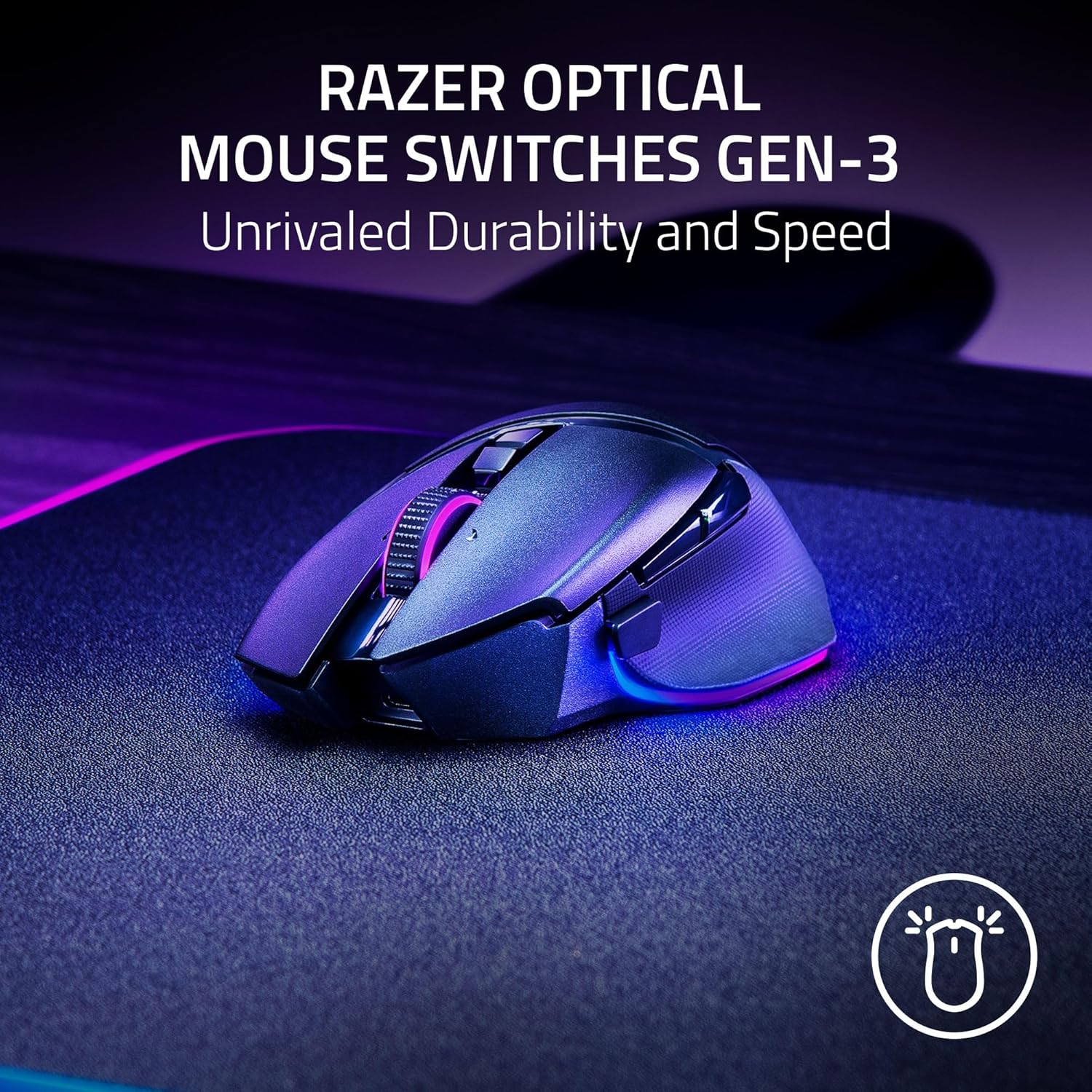
Razer
Razer Basilisk V3 Pro 35K Wireless Gaming Mouse: HyperScroll Tilt Wheel – 35K DPI Optical Sensor Gen 2-13 Customizable Controls – Chroma RGB – Optical Switches Gen 3 – Up to 140 Hr Battery – Black
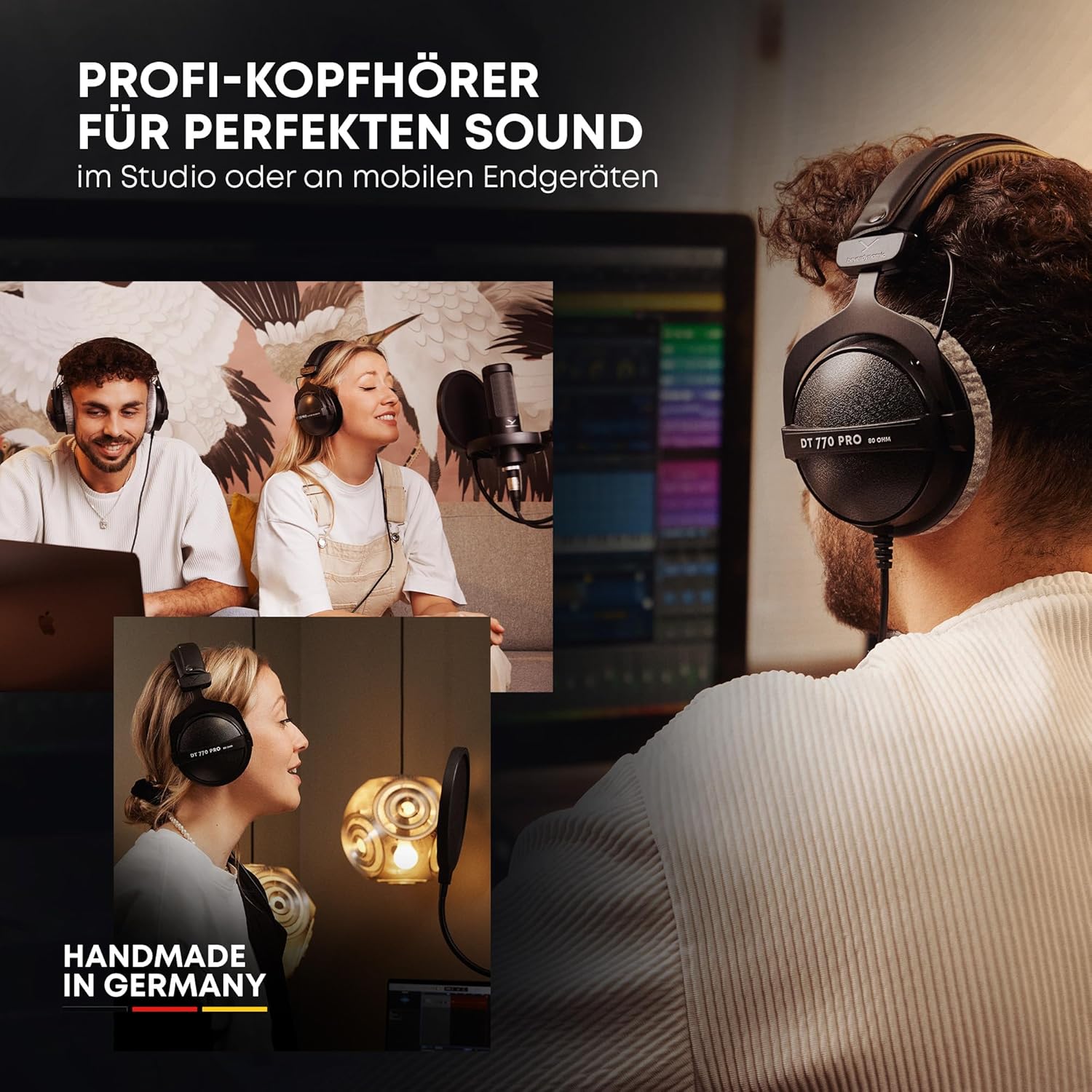
beyerdynamic DT 770 PRO 80 Ohm Over-Ear Studio Headphones in Gray
beyerdynamic DT 770 PRO 80 Ohm Over-Ear Studio Headphones in Gray. Enclosed Design, Wired for Professional Recording and Monitoring
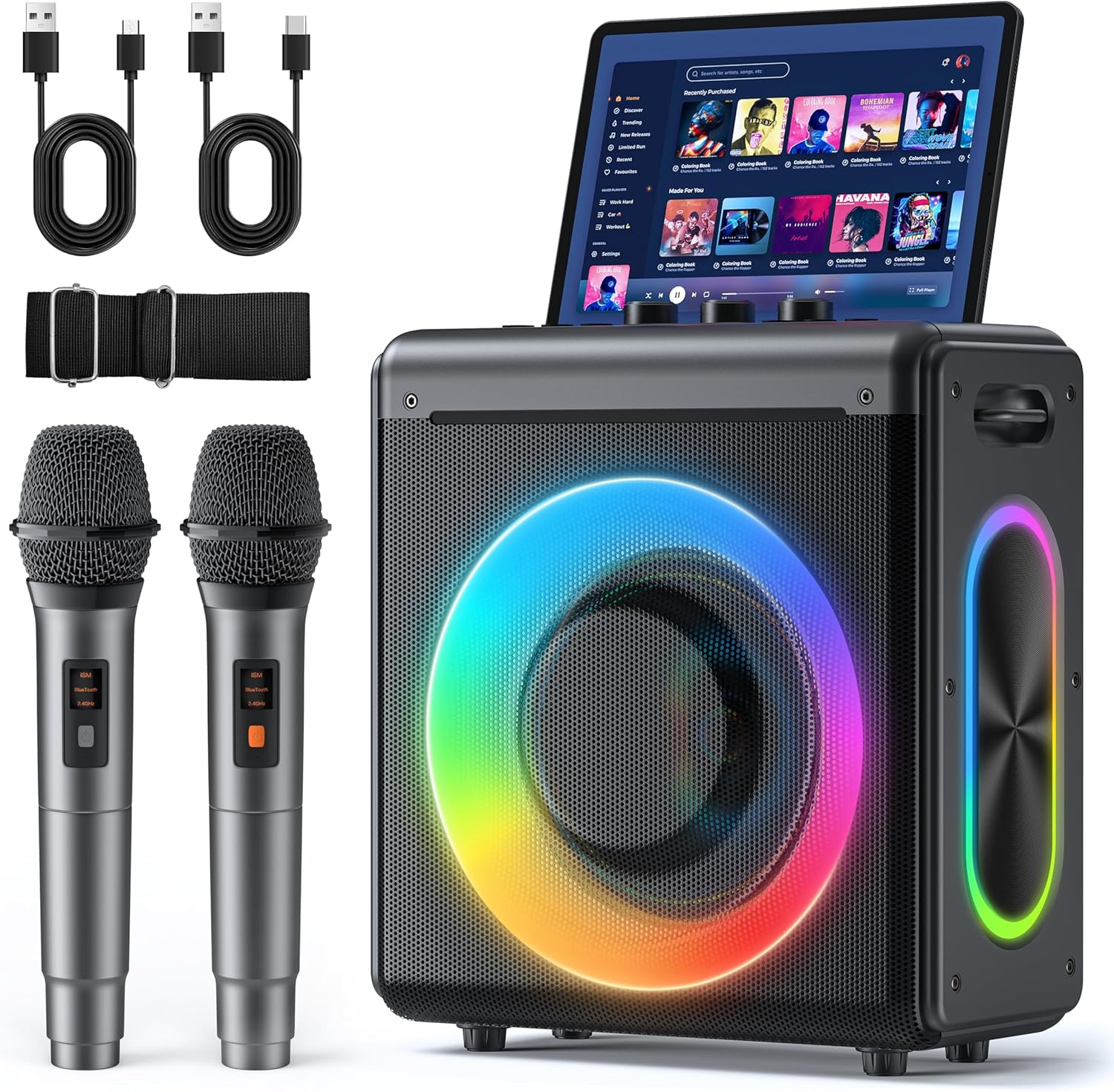
Karaoke Machine
Karaoke Machine with 2 Wireless Rechargeable Microphones: Portable Bluetooth Speaker for Adults & Kids – PA System with Lights Supports TWS/TF Card/USB/AUX for Home Party
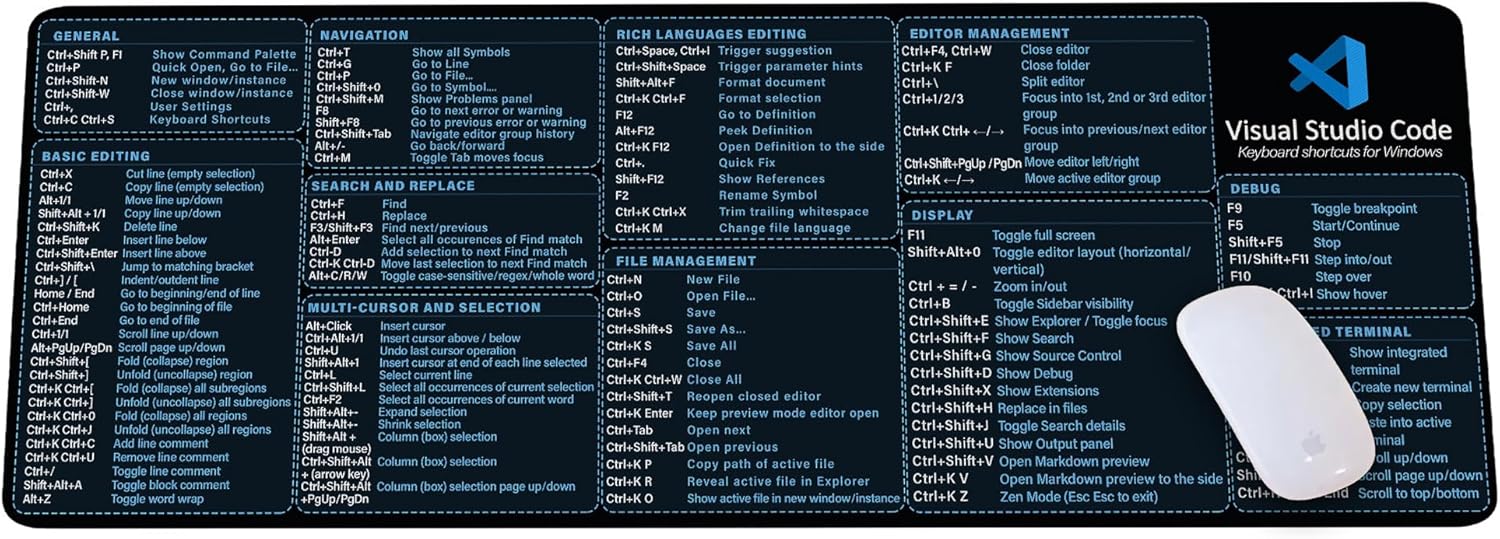
Visual Studio Code Shortcuts Mouse Pad
Visual Studio Code Shortcuts Mouse Pad – Desk Mat for Programmers, Coders & Beginners, Great Office Gift for Developers & Tech Enthusiasts, Computer Accessory for Study, Work, and Learning KMH
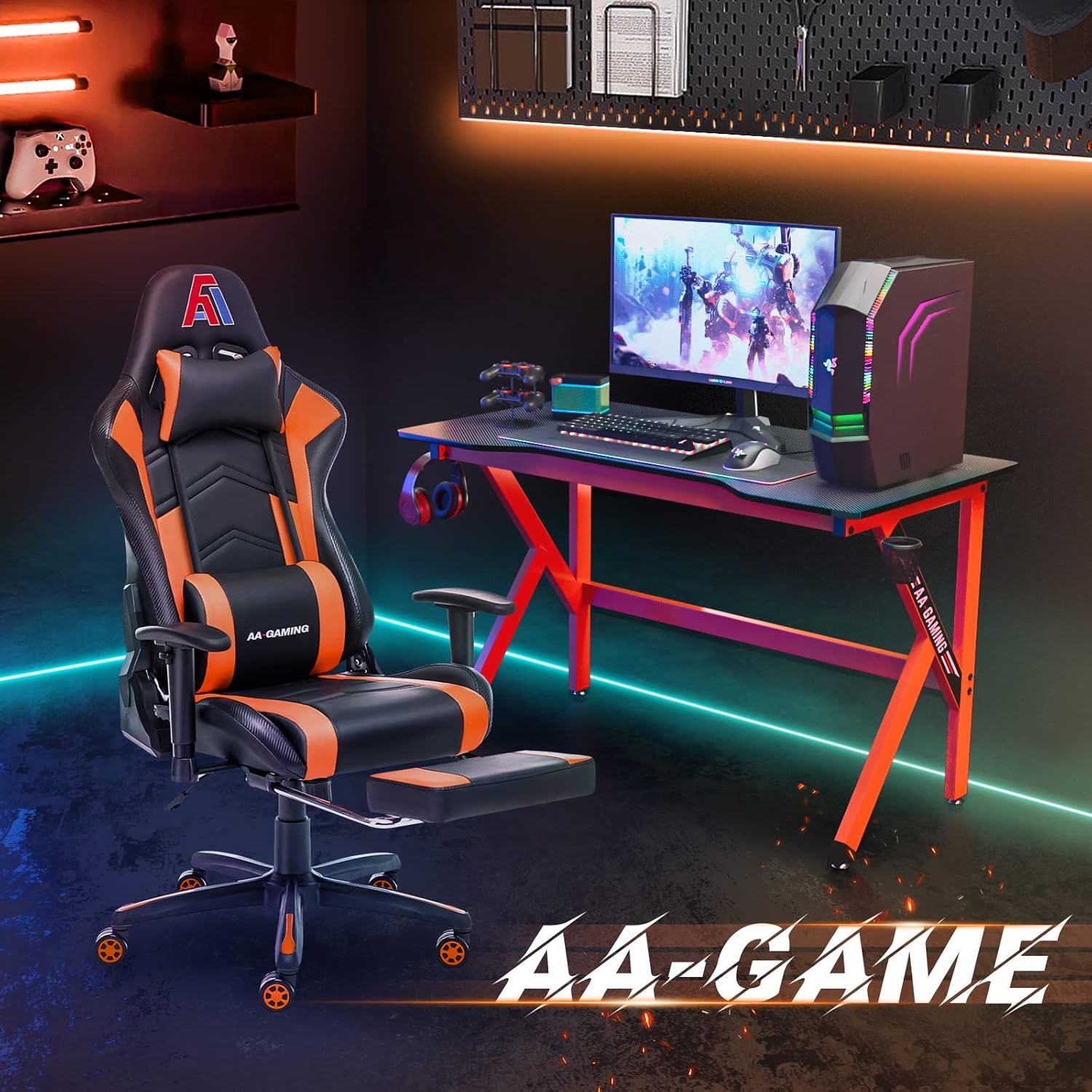
AA Products High Back Ergonomic Gaming Chair
AA Products Gaming Chair Ergonomic High Back Computer Racing Chair Adjustable Office Chair with Footrest, Lumbar Support Swivel Chair – BlackOrange