Learning game development is exciting but let’s be honest, it’s rarely cheap or fast. Whether you’re grinding through Unity tutorials, learning Unreal Blueprints, or building your first indie prototype at night after work, the same question always comes up:
How do you make money while you’re still learning?
I’ve been around competitive gaming and game adjacent work long enough to see this pattern repeat. Talented developers burn out not because they lack skill but because they run out of time, money, or both. The good news? You don’t need to be a senior developer to earn income while learning game development. You just need the right kind of work.
This guide breaks down realistic, proven ways game developers can earn extra income without killing their learning momentum.
Why Extra Income Matters for Game Developers in the Learning Phase
Game development demands long, focused blocks of time. Constant financial stress destroys that focus.
Extra income helps you:
-
Reduce pressure to rush learning
-
Avoid bad job choices out of desperation
-
Fund tools, assets, and hardware
-
Stay consistent long enough to actually finish projects
The goal isn’t to get rich it’s to buy yourself time and mental space.
The Two Rules of Earning While Learning Game Development
Before choosing any income source, follow these rules:
1. Protect Your Cognitive Energy
Game dev already taxes your brain. Your income source should not compete directly with learning complex systems like rendering, physics, or AI.
2. Prioritize Flexibility Over Pay
A lower hourly rate with flexible hours often beats higher pay that drains your creativity.
This mindset alone filters out 80% of bad options.
Best Income Paths for Game Developers While Learning
1. Remote, Low Friction Online Work (Highly Underrated)
Not every income stream needs to be technical.
Remote jobs that rely on communication, moderation, or customer interaction are surprisingly effective for developers because:
-
You already spend time online
-
You can work in short sessions
-
Mental load is predictable
These jobs won’t build your portfolio but they fund it, which is often more important early on.
Best fit for:
-
Beginners
-
Students
-
Developers between projects
2. Freelance Micro-Tasks (Not Full Freelancing)
Full freelancing is risky while learning—but micro-freelancing works.
Examples:
-
Fixing small Unity bugs
-
Tweaking UI or menus
-
Simple scripts or prototypes
-
Asset integration
You avoid long-term client pressure while gaining:
-
Real-world experience
-
Problem-solving speed
-
Confidence
The key is small scope, fast exit.
3. Content Creation (Long-Term Play)
If you enjoy explaining things, content creation compounds over time.
Options include:
-
Blogging about what you’re learning
-
YouTube devlogs
-
Tutorials for beginners one step behind you
This won’t pay fast but it builds:
-
Authority
-
Portfolio proof
-
Future monetization options
Many successful indie developers started exactly here.
4. Funding Your Game Without Investors
Most beginners think funding = investors. That’s rarely true early on.
Realistic funding sources:
-
Side income from remote work
-
Freelance bursts between learning phases
-
Selling small assets or templates later
Self-funding keeps:
-
Creative control
-
Ownership
-
Low pressure
That matters more than money at this stage.
Common Mistakes Game Developers Make When Chasing Income
I’ve seen these mistakes over and over:
-
Taking demanding full-time jobs “temporarily”
-
Overcommitting to freelance clients
-
Choosing income that feels productive but kills learning
-
Constantly switching strategies
Consistency beats optimization early on.
A Simple 90-Day Strategy (Realistic and Sustainable)
Days 1–30
-
Choose one flexible income source
-
Learn core engine fundamentals
-
No pressure to “ship”
Days 31–60
-
Reduce income hours slightly
-
Start a small playable prototype
-
Apply learning immediately
Days 61–90
-
Polish one small project
-
Decide next focus: deeper dev or better income
-
Cut anything draining progress
This approach works because it’s balanced not heroic.
Final Thoughts
You don’t need to sacrifice your future as a game developer to survive today.
Smart income choices let you:
-
Learn consistently
-
Avoid burnout
-
Build real momentum
Game development is a long game. The developers who win aren’t always the most talented they’re the ones who stay in the game long enough.
If you can fund your learning without breaking your focus, you’re already ahead of most beginners.
Best Side Hustles for Beginner Game Developers With No Experience
Remote Jobs for Game Developers: How to Make Money While Learning Unity or Unreal Engine
How to Fund Your First Game Project Without Investors or Loans
Freelancing vs Side Hustles: What’s Better for Game Developers While Learning?
One option that fits this category particularly well is live chat based remote work.
These roles focus on real time customer communication rather than technical output, making them a practical choice for beginner game developers who want flexible income without draining their learning energy.Platforms like Live Chat Jobs allow you to test this type of work with a low-cost trial, making it easy to see whether it fits your schedule and focus before committing long term.
👉 Try Live Chat Jobs with a $1 Trial
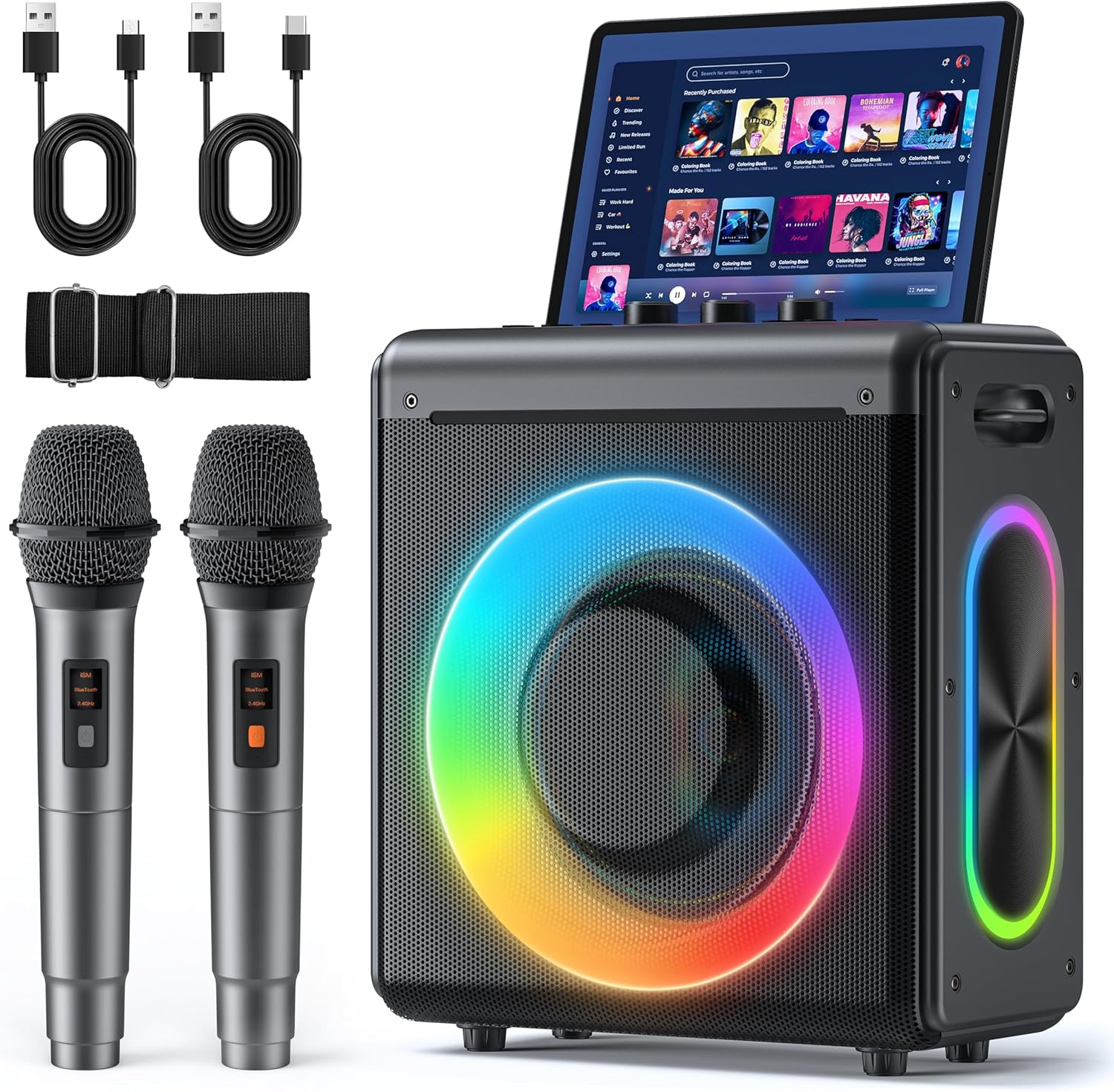
Karaoke Machine
Karaoke Machine with 2 Wireless Rechargeable Microphones: Portable Bluetooth Speaker for Adults & Kids – PA System with Lights Supports TWS/TF Card/USB/AUX for Home Party

Prebuilt Gaming Desktop Computer
Prebuilt Gaming Desktop Computer | 16G Memory | 512G SSD | AMD Ryzen5 6Cores 3.6G Up to 4.1G | RX 560 4G Graphics Card | Wi-Fi 6 | Gamer PC White
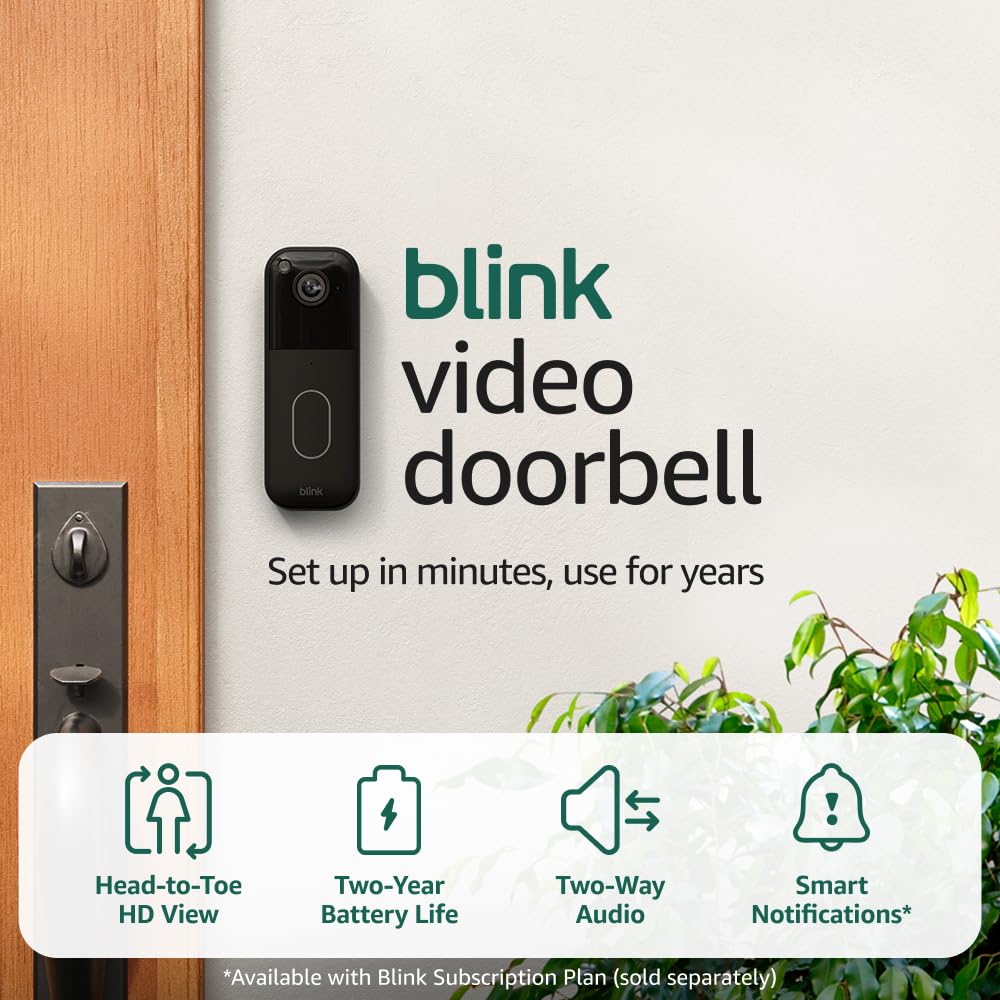
Blink Video Doorbell
Blink Video Doorbell (newest model) – Head-to-toe HD view, two-year battery life, and simple setup. Required Sync Module not included – Add-On (Black)
Results
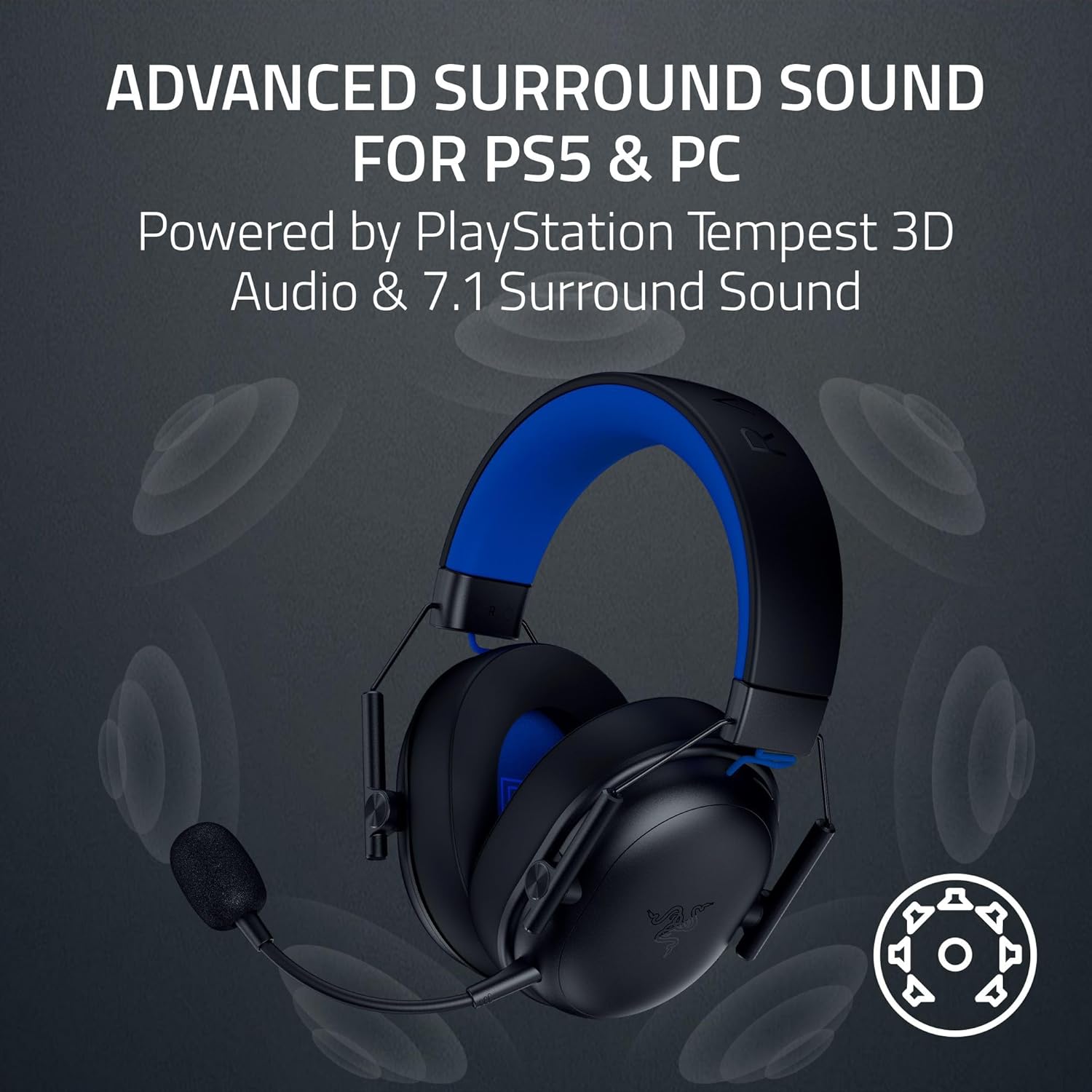
Razer BlackShark V3 X HyperSpeed Wireless Gaming Headset for PS5: 50mm Drivers – Cardioid Mic – 2.4 GHz, Bluetooth – Works with PC, Mac, Nintendo Switch, Smartphone – Long Battery Life – Black

Vooii for iPhone SE
Vooii for iPhone SE Case 2022/3rd/2020,iPhone 8/7 Case, Upgraded Liquid Silicone with [Flat Edges] [Camera Protection] [Soft Anti-Scratch Microfiber Lining] Phone Case for iPhone SE – Black
iFIT Pro
iFIT Pro – Monthly Membership – 1 month free trial included [Subscription]